Key Takeaways
-
Teeth can shift naturally for 10-20 years after braces or aligners are removed, making long-term nightly retainer wear often a lifelong commitment to prevent relapse.
-
If your night retainer feels tight, stop wearing it immediately and contact your orthodontist—forcing it can cause damage, and tightness indicates teeth have already shifted slightly.
-
Clear plastic retainers last only 1-2 years before needing replacement, while Hawley and fixed retainers last several years, so monitor for cracks, warping, or loose fits regularly.
-
Never use hot water or harsh toothpaste on retainers, always remove before eating/drinking (except water), and store in a ventilated case away from heat and pets to prevent damage.
-
Research shows fixed retainers slightly outperform removable ones at preventing relapse, but both work well if used consistently—compliance matters more than retainer type.
-
Pair retainer wear with an existing bedtime habit like brushing teeth, keep the case on your nightstand as a visual reminder, and set phone reminders for the first few weeks to build the habit.
So you finally got your braces off (yay!) or finished your last set of clear aligners, and now your orthodontist handed you a night retainer with instructions to wear it every night. Maybe it feels a little snug tonight, even though it fit perfectly last week. Don’t panic! This is actually one of the most common questions patients ask us at Brockway Orthodontics, and we’re here to walk you through exactly what’s going on and what you should do about it.
A night retainer is a small but mighty tool in your orthodontic journey. It’s the appliance that protects all the hard work you (and your orthodontist) put into your smile. Whether you’re a parent managing your teen’s retainer routine, a busy professional trying to remember nightly wear, or someone dealing with relapse after skipping retainer nights, this guide covers everything you need to know: types of retainers, wear schedules, cleaning tips, warning signs, and what to do if something feels off.
What Is a Night Retainer, Exactly?
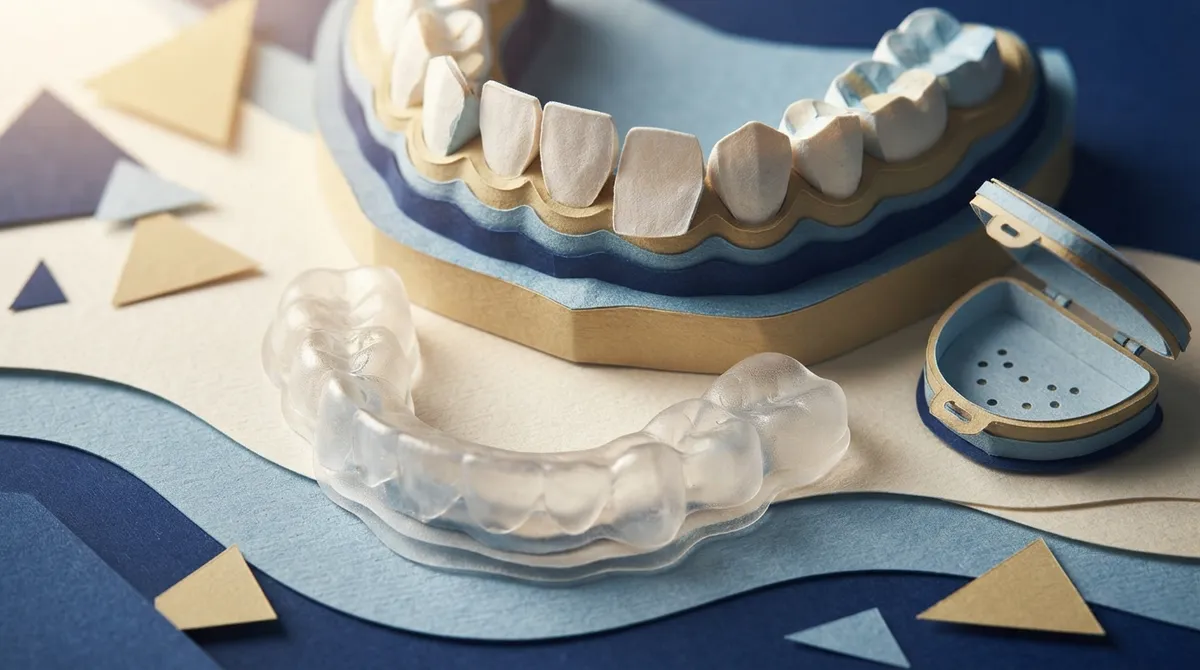
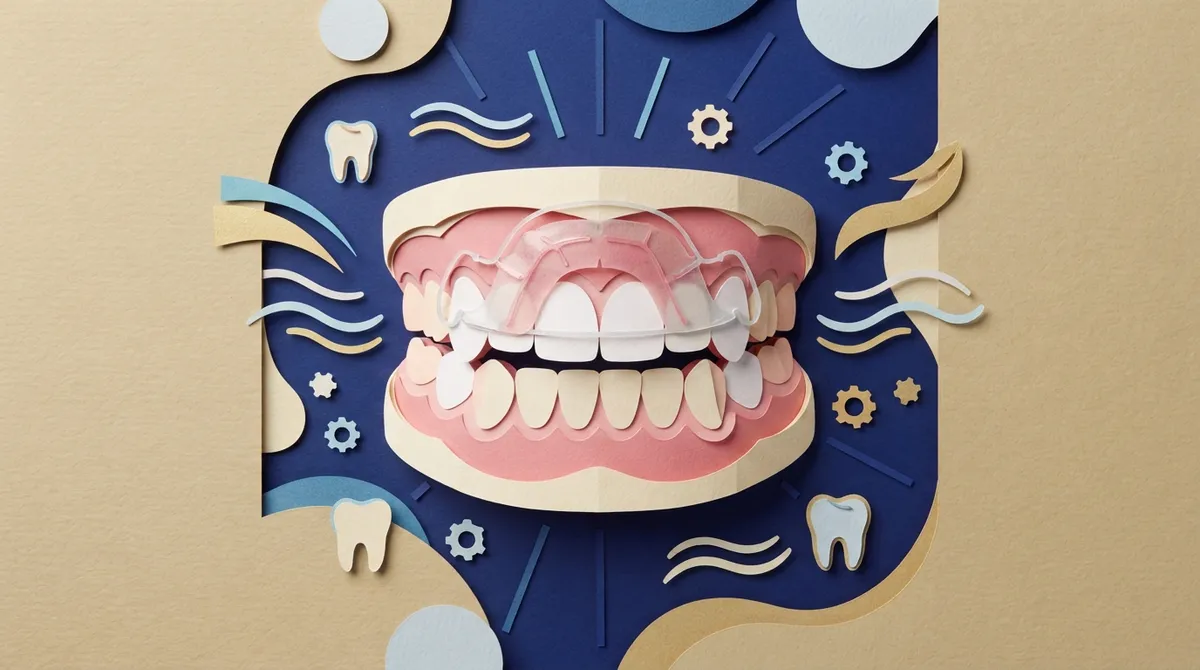
A night retainer is a removable orthodontic appliance you wear while sleeping. Its job is simple: keep your teeth from shifting back after braces or clear aligner treatment. Think of it as a nightly promise to your smile, a way of telling your teeth, “stay right where you are.”
Here’s the honest truth: retention is usually a long-term commitment, sometimes even a lifelong one. Teeth are not set in stone. They can drift naturally as we age, even decades after treatment ends. That’s why your orthodontist doesn’t just hand you a retainer and say goodbye. Wear schedules are personalized based on your treatment, your bite, your age, and how your teeth respond over time.
Types of Night Retainers You Might Wear
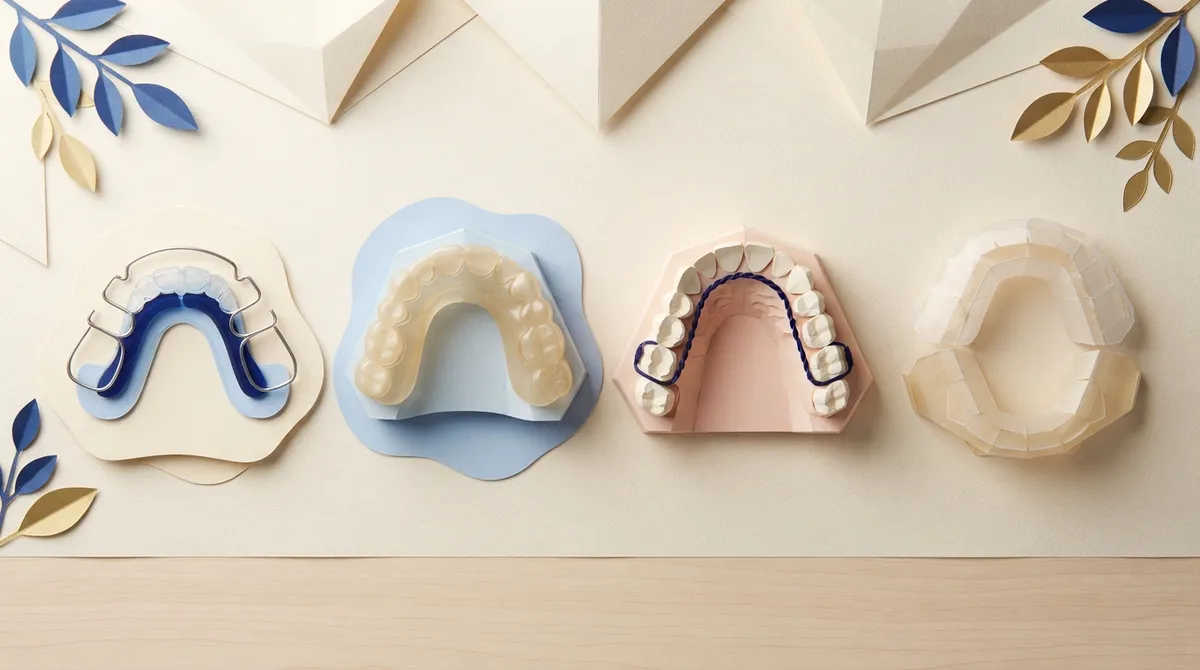
Not all retainers look or feel the same. Depending on your treatment plan, Dr. Brockway may recommend one of these options:
- Clear plastic retainers (vacuum-formed): These are thin, transparent trays that snugly hug your teeth. They’re popular because they’re nearly invisible and comfortable.
- Hawley retainers: These have a sturdy acrylic plate that sits against the roof of your mouth or behind your lower teeth, held in place by a thin metal wire. They’re durable and adjustable.
- Fixed (bonded) retainers: A thin wire bonded behind your front teeth, usually the lower ones. Some patients wear this in addition to a removable retainer for extra insurance.
Curious which type fits your lifestyle best? Our retainers page breaks down the pros and cons of each option in more detail.
Removable vs. Fixed: A Quick Comparison
| Feature | Removable Retainer | Fixed Retainer |
|---|---|---|
| Ease of cleaning | Very easy, remove and brush | Requires floss threaders |
| Compliance needed | High, depends on consistent wear | Low, works even while you sleep or eat |
| Risk of failure | Lost or cracked appliance | Bond or wire breakage |
| Visibility | Mostly invisible (clear type) | Hidden behind teeth |
| Typical lifespan | 1-2 years before replacement | Several years with good care |
Research backs up what we see in our Clearwater practice every day. A 2020 evidence review found that all common retainer types were effective at keeping teeth aligned after treatment, though fixed retainers showed slightly stronger results than removable ones in the studies analyzed. That said, fixed retainers aren’t foolproof either. A systematic review of fixed-retainer failure found bond-failure rates ranging from about 3.5% to 53% for metal wire retainers, depending on the bonding method and follow-up period. No option is perfect, which is why your orthodontist customizes your plan.
How Long Do You Really Need to Wear It?
This is probably the question we hear most at our office. The honest answer? It depends on you. Most patients start with more frequent wear, sometimes close to full-time, right after finishing braces or aligners. Over time, this typically tapers down to nighttime-only wear.
But here’s the catch: many people assume that once their teeth look straight, they can stop wearing their retainer. That’s a mistake. Teeth can continue shifting for 10 to 20 years after treatment ends, according to long-term orthodontic studies. That slow, quiet movement is exactly why nighttime retention often continues indefinitely.
Here’s a simple breakdown of what a typical wear schedule might look like (always follow your specific orthodontist’s instructions):
- First few months after treatment: Full-time wear, removing only for eating and brushing.
- Next several months to a year: Transition to nighttime-only wear.
- Long-term maintenance: Nightly wear continues, sometimes for life, to prevent relapse.
- Periodic check-ins: Bring your retainer to follow-up visits so your orthodontist can check fit and condition.
If you’re not sure where you stand in this timeline, don’t guess. Contact us and we’ll help you figure out your ideal schedule.
What If Your Night Retainer Feels Tight?
A tight retainer is your teeth’s way of waving a little red flag. It usually means some slight shifting has already happened, even if you can’t see it in the mirror yet. This is actually pretty common, especially if you’ve missed a few nights of wear or gone through a stretch of inconsistent use.
Here’s what NOT to do: force the retainer into place if it’s painful or doesn’t seat properly. Pushing too hard can cause discomfort or even damage the appliance. Instead, follow these steps:
- Stop wearing it if it causes significant pain.
- Call your orthodontic office as soon as possible.
- Bring the retainer with you so your provider can assess the fit.
- Be honest about how often you’ve been wearing it, this helps your orthodontist figure out next steps.
Depending on the situation, your orthodontist might adjust the retainer, recommend a short round of aligner therapy to nudge things back, or make you a brand-new retainer that matches your current alignment. This is exactly the kind of relapse many of our adult patients experience, and it’s completely fixable with the right care. Our adult treatment options are designed with these situations in mind.
Daily Care: Cleaning and Storing Your Retainer
Keeping your retainer clean isn’t just about hygiene, it also helps it last longer and fit better. Here’s a simple routine:
- Rinse your retainer with cool or lukewarm water every time you take it out.
- Brush gently with a soft toothbrush, avoiding harsh toothpaste that can scratch clear plastic.
- Never use hot water. It can warp thermoplastic retainers, ruining the fit permanently.
- Store it in a ventilated case when not in use, away from pets (dogs love chewing on these!) and heat sources like car dashboards.
- Bring it to every orthodontic checkup so your provider can inspect it for wear and tear.
A few other food-for-thought reminders: always take your retainer out before eating or drinking anything besides water. Wearing it while snacking traps food particles against your teeth, which can lead to plaque buildup, cavities, and gum irritation. The American Dental Association echoes this advice for anyone wearing removable oral appliances.
Signs You Need a Replacement
Retainers don’t last forever, especially clear plastic ones that see daily wear and tear. Watch for these warning signs:
- Visible cracks or warping
- A looser-than-usual fit
- Cloudy or discolored plastic that won’t clean up
- Broken wires on Hawley or fixed retainers
- Missing or lost retainers (this happens more than you’d think!)
If any of these sound familiar, don’t wait it out. Teeth can shift surprisingly fast once a retainer is out of commission, even for just a few weeks. Our team can typically get you a replacement quickly, sometimes with same-day options depending on your situation.
Removable vs. Fixed Retainers: Which Is Right for You?
This is a conversation worth having with your orthodontist, since both options come with trade-offs. Removable retainers give you flexibility and are easy to clean, but they only work if you actually wear them consistently. Fixed retainers work around the clock without requiring you to remember anything, but they need careful cleaning and occasional professional checks for bond or wire failure.
Interestingly, research comparing relapse rates after clear aligner treatment versus traditional braces found similar outcomes over a two-year period, with roughly 5-6% relapse in the upper arch and around 11% in the lower arch for both treatment types. This tells us that consistent retainer wear matters more than which orthodontic treatment got you to your finished smile in the first place.
Whichever option you choose, the Florida Association of Orthodontists recommends working closely with your provider to determine the retention plan that fits your specific bite and lifestyle.
Tips for Making Nightly Wear a Habit
We get it, remembering to wear a retainer every single night can feel like a chore, especially for busy teens or professionals juggling packed schedules. Here are some friendly tips that help our patients stick with it:
- Keep your retainer case on your nightstand as a visual reminder.
- Pair retainer wear with an existing habit, like brushing your teeth before bed.
- Set a phone reminder for the first few weeks until it becomes automatic.
- Pack a travel case for sleepovers, trips, or dorm life so you never leave it behind.
Parents of teens especially appreciate these small strategies, since consistency is often the biggest challenge with younger patients. If you’re navigating this stage, our page on adolescent treatment has more guidance tailored to teens and their families.
Why Clearwater Families Trust Brockway Orthodontics for Retention Care
At Brockway Orthodontics, we don’t just hand you a retainer and send you on your way. Dr. Brockway takes time to explain your specific wear schedule, checks your retainer fit at every visit, and makes sure you feel confident maintaining your smile for years to come. We also offer Spark™ Clear Aligners as an affordable, comfortable option for anyone experiencing relapse who needs a gentle nudge back into alignment.
Our office is equipped with modern technology, including digital impressions and 3D imaging, so your retainer fits precisely from day one. We also love hearing from our community. Feel free to see what our Brockway Orthodontics patients say by visiting Visit us on Google — Brockway Orthodontics, or follow along with patient stories and smile transformations on our Instagram and Facebook pages.
And if you’re local to the Clearwater area and need a trusted HVAC company to keep your home comfortable while you settle into your new retainer routine, our friends at Marks Air are a name many of our patients recommend too.
Ready to Protect Your Smile for the Long Haul?
Your night retainer is a small habit with a big payoff: a smile that stays straight for years to come. Whether you’re just starting retention, dealing with a tight-feeling retainer, or need a replacement after losing yours, our team at Brockway Orthodontics is here to help every step of the way. Book appointment online today, and let’s make sure your smile stays as beautiful as the day your braces came off.
FAQs
Q: How long do I need to wear a night retainer after braces?
A: Most patients wear their retainer full-time for a few months after braces, then switch to nighttime-only wear. Many people continue nightly wear indefinitely since teeth can shift for years, or even decades, after treatment ends. Your orthodontist will personalize this schedule based on your specific bite and treatment history.
Q: Do I have to wear my retainer every night for the rest of my life?
A: For most patients, yes, retention really is a long-term commitment! Teeth naturally want to drift over time, and nightly wear is the easiest way to keep your smile exactly where you want it. Think of it like brushing your teeth: a small nightly habit that protects your investment for good.
Q: What should I do if my night retainer feels tight?
A: Don’t force it! A tight fit usually means your teeth have shifted slightly, so give your orthodontic office a call right away. They can check the fit, make adjustments, or create a new retainer that matches your current smile.
Q: Can I eat or drink while wearing a night retainer?
A: It’s best to remove your retainer for eating and for drinking anything besides water. Food and sugary drinks can get trapped against your teeth, increasing your risk of plaque and cavities. Just pop it back in once you’re done and have brushed your teeth.
Q: When should I replace my orthodontic retainer?
A: Replace your retainer if it’s cracked, warped, loose, or discolored beyond cleaning. If you lose it, don’t wait around, reach out to your orthodontist quickly since teeth can shift within just a few weeks without one. Regular checkups help catch these issues early.
Our Service Area