Key Takeaways
-
Traditional metal braces ($3,000-$5,000) are often the cheapest professionally supervised option and most effective for complex crowding, rotations, and bite issues that clear aligners cannot handle.
-
In-office clear aligner systems like Spark offer a smart middle ground, costing $2,000-$6,000 with full orthodontist supervision, often cheaper than Invisalign ($4,000-$8,000) without sacrificing safety.
-
Mail-order aligners under $1,000 carry serious risks including bone loss, gum recession, tooth damage, and jaw pain; 77% of orthodontists reported retreatment cases after direct-to-consumer treatment, making them potentially more expensive long-term.
-
Ask about total included costs before committing: initial exam, X-rays, all aligners/adjustments, refinements, attachments, and retainers; hidden costs can negate upfront savings.
-
Professional in-person supervision is critical—a licensed provider checks for cavities, gum disease, bone health, and root position before treatment; skipping this step is where real financial and health risks occur.
-
Financing options like monthly payments, dental insurance coverage, and FSA/HSA funds make quality supervised care affordable without choosing risky mail-order alternatives.
Searching for a cheap Invisalign alternative? You’re not alone. Straightening your smile shouldn’t mean draining your savings account. The good news is that budget-friendly options exist, but not all of them are created equal. Some can save you real money while still giving you a safe, healthy smile. Others might save you a few dollars upfront but cost you much more in the long run.
At Brockway Orthodontics in Clearwater, we talk to families, teens, and busy professionals every week who want straighter teeth without the sticker shock. We get it. This guide walks you through the real options, real costs, and real questions you should ask before choosing any low-cost aligner path. Let’s find the option that fits your smile and your budget.
What Counts as a Cheap Invisalign Alternative?
A cheap Invisalign alternative isn’t just one thing. It can mean several different treatments, each with its own price tag and level of care. The safest choice always starts with a real exam, not just a price comparison.
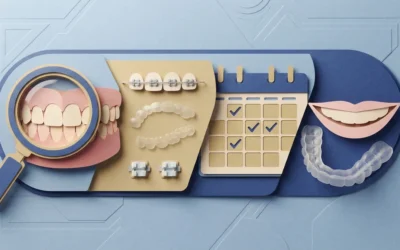
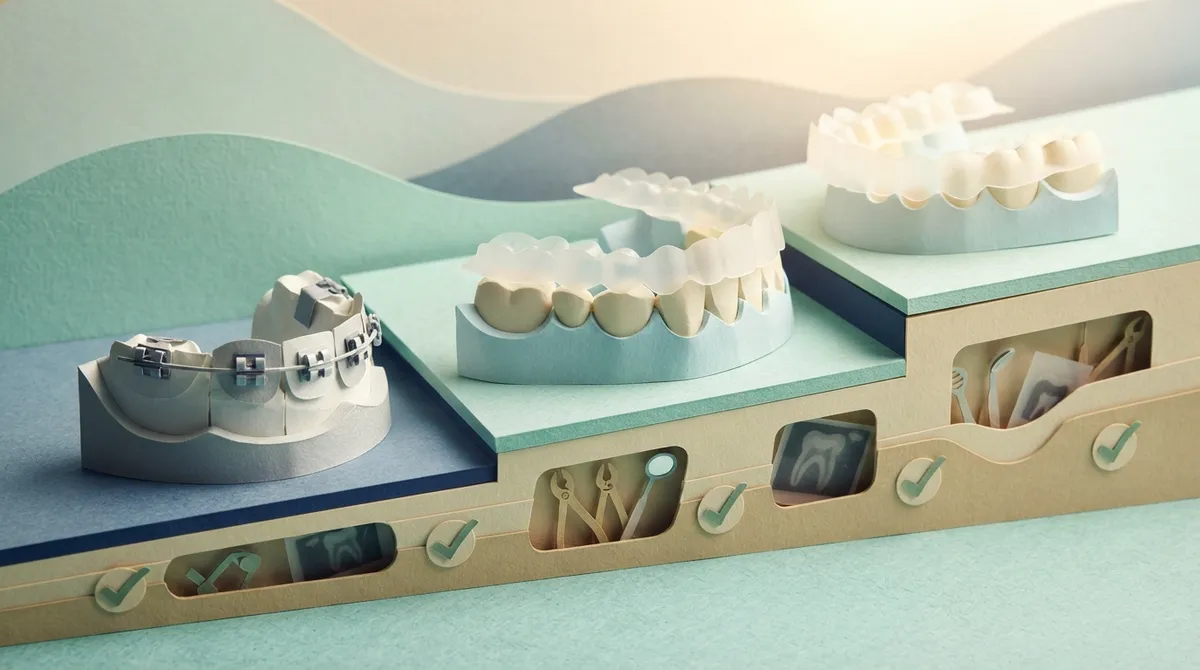
Here are the main categories people consider:
- Professionally supervised clear aligners from your orthodontist, like Spark™ Clear Aligners
- Traditional metal braces
- Ceramic (clear) braces
- Mail-order or direct-to-consumer aligners you order online
Each of these can move teeth. But they don’t all offer the same level of safety, support, or long-term value. Your case complexity matters more than the price tag on the box.
In-Office Clear Aligner Systems: A Smart Middle Ground
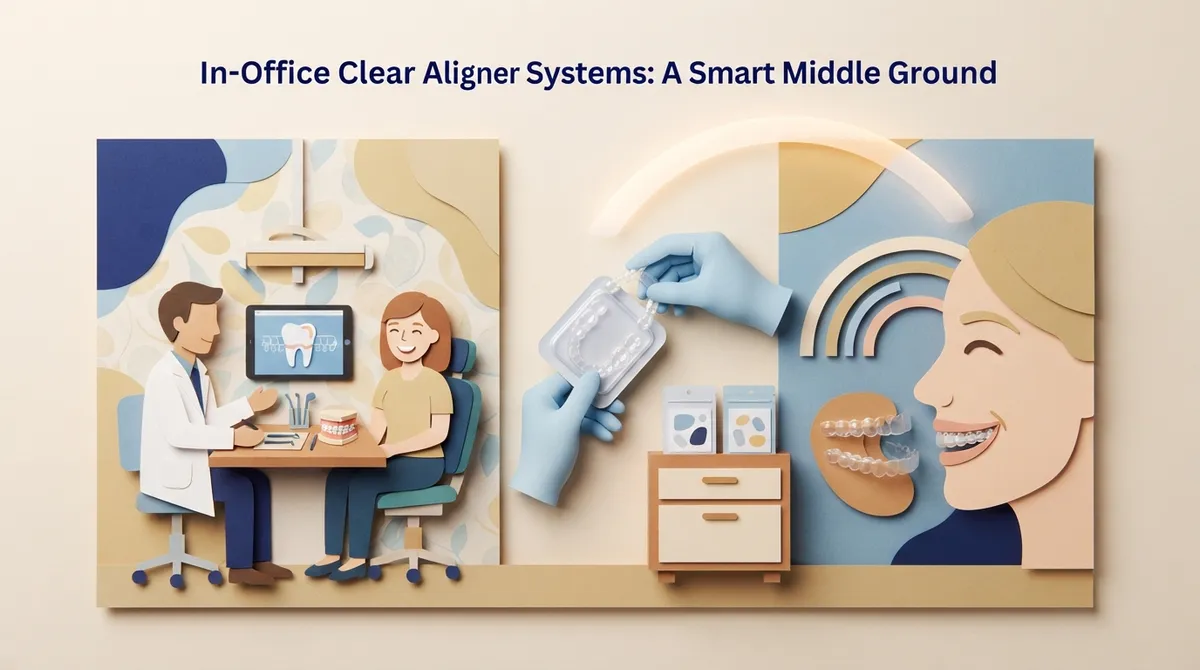
If you love the idea of clear aligners but want a lower price than Invisalign, ask your orthodontist about in-office alternatives. Systems like ClearCorrect, SureSmile, and Spark are managed by a licensed orthodontist from start to finish. That means real exams, real X-rays, and real monitoring along the way.
These systems can often treat mild to moderate cases for less money than Invisalign. Pricing depends on your location, how complex your case is, and how long treatment takes. At Brockway Orthodontics, we offer Spark™ Clear Aligners as a more affordable option that still comes with Dr. Brockway’s full attention and care.
A 2025 meta-analysis reviewing 21 clinical trials found that clear aligners and braces produced similar results for simple, non-extraction cases. That’s encouraging news. But it’s important to know this finding doesn’t apply to severe crowding, extractions, or bite problems that need more complex care.
Traditional Metal Braces: Often the Most Budget-Friendly Option
Believe it or not, old-school metal braces are frequently the cheapest professionally supervised option on the table. They’re also incredibly effective at fixing complex crowding, rotations, and bite issues that some clear aligner plans simply can’t handle.
Metal braces typically cost between $3,000 and $5,000 in the U.S., though prices shift based on your region and case. Treatment usually takes about 12 to 24 months. If you want to learn more about how they work, check out our guide on All About Braces.
Ceramic Braces: A Less Visible Fixed Option
Ceramic braces use tooth-colored brackets that blend in more than metal ones. They’re a popular pick for teens and adults who want a fixed brace but don’t love the metallic look.
These generally cost between $4,000 and $6,000, a bit more than metal braces but sometimes less than a full clear-aligner plan. They’re a solid choice if you need the strength of braces with a more discreet appearance.
Mail-Order Aligners: Buyer Beware
Direct-to-consumer aligners advertise the lowest prices you’ll find, sometimes under $1,000. But that low price often comes from cutting out something important: in-person exams and hands-on monitoring.
Here’s why that matters. The American Dental Association has spoken out against direct-to-consumer dentistry. Moving teeth without a full evaluation of your mouth can lead to serious problems, including:
- Bone loss around the teeth
- Gum recession
- Tooth damage or loosening
- New bite problems
- Jaw pain
- Tooth loss in severe cases
The American Association of Orthodontists has also warned that orthodontic treatment is a medical procedure, not just a cosmetic service. A proper dental exam checks for cavities, gum disease, bone health, and root position before any tooth is moved. Skipping that step is where the real risk lives.
In fact, a 2022 survey by the American Association of Orthodontists found that 77% of responding orthodontists had seen patients seeking retreatment after mail-order or direct-to-consumer orthodontic treatment. That’s a striking number, and it tells a clear story: cheap can become expensive fast if something goes wrong.
Comparing Your Options: Cost, Care, and Timeline
Here’s a side-by-side look at how these options typically stack up. Remember, actual prices vary by provider, location, and how complex your case is.
| Treatment Option | Typical Cost Range | Supervision Level | Estimated Duration |
|---|---|---|---|
| Metal Braces | $3,000–$5,000 | Full orthodontist supervision | 12–24 months |
| Ceramic Braces | $4,000–$6,000 | Full orthodontist supervision | 12–24 months |
| In-Office Clear Aligners | $2,000–$6,000 | Full orthodontist supervision | 6–18 months |
| Invisalign | $4,000–$8,000 | Full orthodontist supervision | 6–18 months |
| Mail-Order Aligners | Under $1,000–$2,000+ | Limited or remote only | Varies, often unpredictable |
Notice something important here? The gap between in-office clear aligners and Invisalign isn’t always huge. But the gap in safety between supervised care and mail-order kits is significant. That’s a trade worth thinking about carefully.
How to Evaluate the True Cost of Any Option
Sticker prices can be misleading. A treatment plan that looks cheap upfront might not include everything you actually need. Before you commit to any cheap Invisalign alternative, ask these questions:
- Does the quote include your initial exam, scans, and X-rays?
- Are all your aligners or braces adjustments included in the price?
- What happens if you need refinements or extra trays?
- Are attachments (small bumps on teeth) included if needed?
- Is a retainer included after treatment ends?
- What’s the plan if your teeth don’t move as expected?
- How often will you see a licensed provider in person?
Retainers deserve special attention here. After any orthodontic treatment, you’ll need to wear a retainer to keep your new smile in place. If your low-cost plan doesn’t include retainers or a replacement schedule, that’s an extra cost you’ll want to budget for.
Questions to Ask Before You Choose a Budget Plan
Whether you’re a parent looking into braces for your teen or an adult exploring options for yourself, a few smart questions can save you a lot of trouble later. Consider asking:
- Is a licensed dentist or orthodontist responsible for my diagnosis and treatment plan?
- How often will my progress be checked in person?
- What’s included in my total cost, not just the starting price?
- What happens if my case turns out to be more complex than expected?
- Does my dental insurance or FSA/HSA help cover this treatment?
These aren’t just smart questions. They’re the difference between a smile you love and a smile that needs expensive fixing later. If you want personalized answers, your first visit with Dr. Brockway is the perfect place to start.
Who Benefits Most From Each Option
Different life stages call for different approaches. Here’s a quick breakdown:
Parents of Kids and Teens
If you’re guiding your child through adolescent treatment, traditional braces are often the most cost-effective and reliable choice for growing mouths and more complex bite issues. Many teens also love the more discreet look of ceramic braces or Spark aligners for special events like homecoming or graduation photos.
Adult Professionals
Busy professionals often want something discreet that fits a demanding schedule. In-office clear aligners like Spark offer flexibility with fewer office visits than traditional braces, while still giving you full orthodontist support. Learn more about adult treatment options that work with your lifestyle.
Patients Needing Retreatment
If you had braces years ago and your teeth have shifted back, you’re not alone, and you’re not starting from zero. A fresh evaluation can help determine whether a shorter clear aligner treatment or braces will get you back to your best smile efficiently.
Health-Conscious Individuals
If you have gum concerns or other dental health factors, skipping the professional exam is especially risky. A supervised plan lets your orthodontist watch for warning signs and adjust your treatment safely.
Why Professional Supervision Makes the Difference
Think of your smile like a home renovation. You could buy cheap materials and skip the contractor, but if the foundation isn’t checked first, you might end up with bigger problems than you started with. Orthodontic care works the same way. A licensed provider checks your bite, your gums, and your bone health before any tooth ever moves.
The Florida Association of Orthodontists emphasizes that proper diagnosis is the foundation of safe, effective treatment. Dr. Brockway brings that same commitment to every patient who walks through our doors in Clearwater. She takes time to listen to your goals and explain your options in plain language, so you always know what’s happening and why.
Our office also uses modern technology, including digital impressions and 3D imaging, so your treatment plan is precise from day one. In some cases, we can even offer same-day starts, which is a huge help for busy families juggling school and work schedules.
Financing Makes Quality Care More Affordable
You don’t have to choose between quality and affordability. Many orthodontic offices, including ours, offer financing and insurance options that break your total cost into manageable monthly payments. This way, you get full professional supervision without paying everything upfront.
Dental insurance often covers a portion of orthodontic treatment, especially for children. And many patients use FSA or HSA funds to help cover the rest. It’s worth checking your benefits before assuming a mail-order option is your only affordable path.
See Why Clearwater Families Trust Brockway Orthodontics
Dr. Brockway isn’t just another orthodontist in Clearwater. She genuinely cares about the community she serves and works hard to make treatment approachable for every family. From first consultations to final retainer checks, our team walks you through every step with warmth and clarity.
We invite you to explore our services and see how we combine modern technology with personal, caring attention. You can also visit us on Google — Brockway Orthodontics to read what our patients say about their experience. Follow along on Facebook or Instagram for smile transformations and helpful tips, or connect with us on LinkedIn.
Making Your Final Decision
Choosing a cheap Invisalign alternative doesn’t have to feel overwhelming. Start with a real exam so you know exactly what your teeth need. From there, compare total costs, not just starting prices, and always ask about retainers, refinements, and follow-up visits.
Whether metal braces, ceramic braces, or Spark clear aligners end up being your best fit, the most important factor is having a licensed professional guiding your journey. That’s the kind of care that protects your smile today and for years to come.
Ready to find your most affordable path to a straighter smile? Book your free consultation online with Dr. Brockway today, or contact our Clearwater team with any questions. We’re here to help you smile with confidence, without the guesswork.
FAQs
Q: What is the cheapest safe alternative to Invisalign?
A: Traditional metal braces are often the most budget-friendly professionally supervised option, typically running $3,000 to $5,000. In-office clear aligner systems like Spark can also be a great, more affordable choice, and they still come with full orthodontist supervision, so you get both savings and safety.
Q: Are mail-order or at-home clear aligners safe?
A: They can carry real risks because they often skip the in-person exam that catches problems early. The American Dental Association has raised concerns about this, and a 2022 survey found that 77% of orthodontists had seen patients needing retreatment after using them. We always recommend starting with a licensed provider you can see face-to-face.
Q: Can cheap clear aligners fix an overbite or severe crowding?
A: It depends on the severity. Mild to moderate cases can often be treated with clear aligners, but complex bite issues or severe crowding usually need the added control of braces or a more advanced, supervised treatment plan. A proper exam will tell you exactly what your smile needs.
Q: Does dental insurance cover clear aligners or braces?
A: Many dental insurance plans do offer partial coverage for orthodontic treatment, especially for kids and teens. It’s always worth checking your specific benefits, and our team is happy to help you understand your financing and insurance options before you start treatment.
Q: What should I ask an orthodontist before choosing a low-cost aligner plan?
A: Ask whether the price includes your exam, X-rays, all your trays, refinements, and a retainer afterward. Also ask how often you’ll be seen in person and what happens if your results don’t turn out as expected. These questions help you avoid surprise costs down the road.
Our Service Area