Key Takeaways
-
Lower front teeth are more prone to shifting back than upper teeth after orthodontic treatment, making a mandibular retainer essential for maintaining your smile long-term.
-
Research shows fixed bonded retainers maintain tooth alignment better than removable ones (0.6mm difference), though 80% of orthodontists recommend combining a fixed lower retainer with a clear upper retainer for optimal results.
-
Retention is a lifelong commitment; teeth can shift at any age, requiring consistent wear and regular orthodontist checkups every 3-4 months during the first 1-2 years to catch issues early.
-
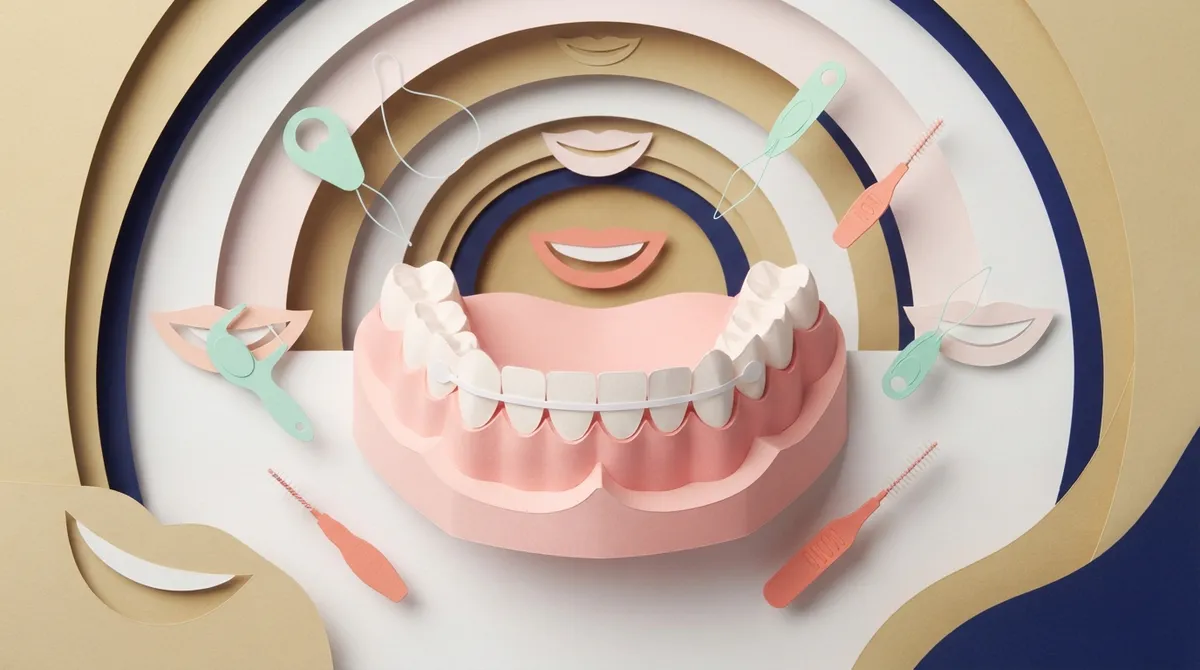
Fixed retainers require daily floss threading and interdental brushing to prevent plaque buildup, while removable retainers need gentle cleaning with cool water and storage in a case to prevent damage or loss.
-
Watch for warning signs like loose wires, cracks, poor fit, or tooth shifting, and contact your orthodontist immediately rather than attempting self-repairs, which can cause further damage.
-
Your orthodontist may recommend wearing both fixed and removable retainers if your case had significant crowding, providing extra insurance against relapse and offering added protection for your smile investment.
So you just got your braces off, or you’re about to finish up your clear aligner treatment, and now everyone keeps talking about retainers. Congratulations, by the way! That’s a huge milestone. But here’s something we want you to know right away: your lower teeth retainer might just be the most important part of your whole smile journey. We know, we know, after months (or years!) of orthodontic work, the last thing you want to hear is that there’s more to do. But stick with us, because we promise this part is easier than you think, and it’s what keeps your new smile looking amazing for years to come.
At Brockway Orthodontics in Clearwater, we’ve helped countless patients understand exactly why their lower retainer matters so much. Your lower front teeth are actually more prone to shifting back than your upper teeth, which is why getting this part right really counts. Let’s walk through everything you need to know, from the different types available to how to care for yours, so you can keep that beautiful smile you worked so hard for.
1. Why Your Lower Teeth Need Extra Retention Support
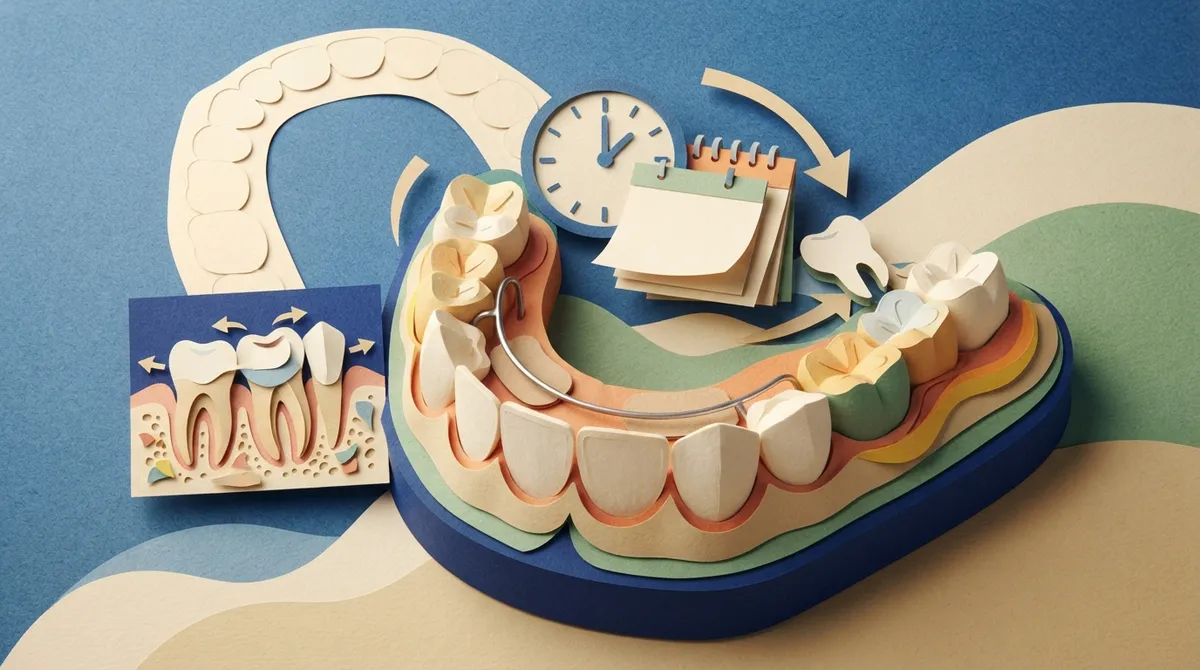
Your lower front teeth work hard every single day, and they’re surrounded by tissue and bone that naturally likes to shift back over time. After braces or Spark™ Clear Aligners move your teeth into their new positions, the fibers holding those teeth in place need time to settle. Without a retainer, those fibers can pull teeth right back toward where they started.
Natural changes that happen as we age also play a role. Even people who never had braces see some tooth movement over the years. That’s simply part of being human! A lower teeth retainer, sometimes called a mandibular retainer, helps fight against both of these forces so your smile stays put.
2. Fixed Bonded Retainers: The Set-It-and-Forget-It Option
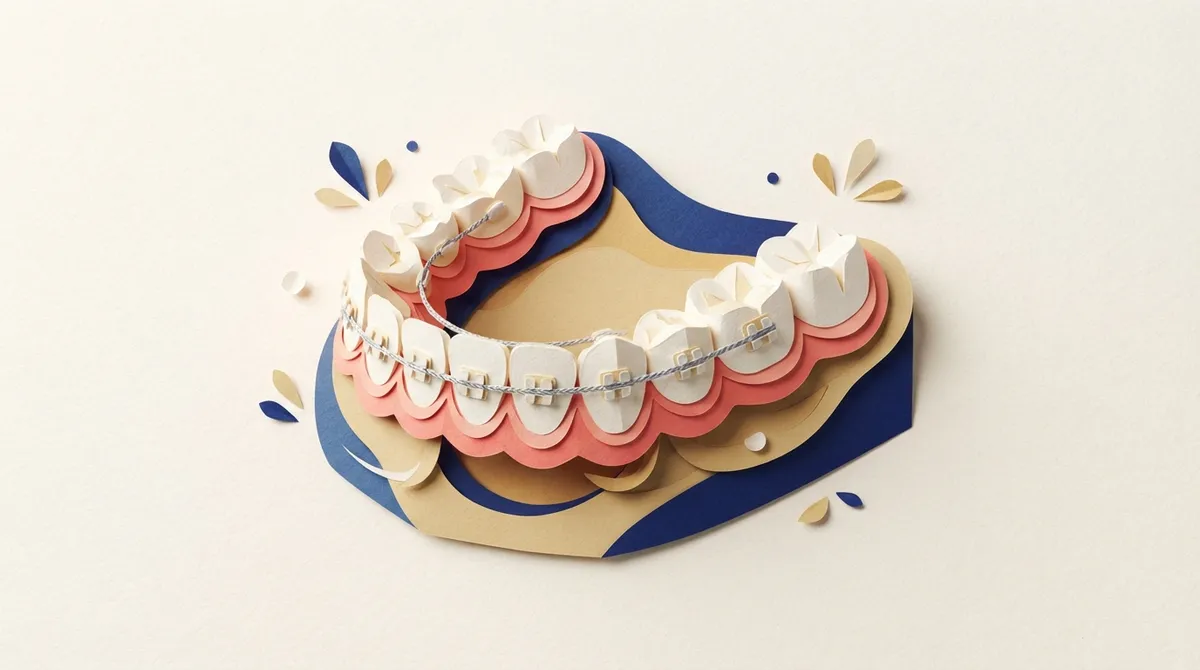
A fixed retainer is a thin wire bonded to the back of your lower front teeth. Most orthodontists attach it from canine to canine, or sometimes across all six front teeth. Since it’s glued in place, you don’t have to remember to wear it, which makes it a favorite for busy teens, parents, and working professionals alike.
The biggest perk here is consistency. You can’t lose it, and you won’t forget it in a school cafeteria or gym bag. But fixed retainers do need some extra attention when it comes to cleaning, since food and plaque can build up around the wire. We’ll cover exactly how to handle that in a bit.
What the Research Says About Fixed Retainers
A meta-analysis found that mandibular fixed retainers showed no significant change in tooth alignment over the retention period studied, according to research published by Lo Giudice and colleagues. That’s pretty reassuring if stability is your top priority. However, a systematic review noted that fixed retainers using certain multistranded wire had a failure rate of about 40% after two years, so regular checkups really do matter.
3. Removable Clear Retainers: Easy to Clean, Easy to Wear
Clear vacuum-formed retainers, often called Essix-style retainers, are custom-made plastic trays that fit snugly over your teeth. Many patients love these because they’re nearly invisible and simple to take out for meals and brushing.
The catch? These only work if you actually wear them as directed. Most orthodontists recommend full-time wear at first, taking them out only to eat and brush, before moving to nighttime-only wear. If you skip nights here and there, your teeth can start drifting sooner than you’d like.
4. Hawley Retainers: The Classic Choice
Hawley retainers use a combination of acrylic and metal wire. They’ve been around for decades because they’re durable and adjustable. Some patients prefer them because the wire can be tweaked slightly by your orthodontist if minor adjustments are needed down the road.
Like clear retainers, Hawleys are removable, so daily compliance matters. They’re a solid option, especially for patients who want something sturdy that can handle a few years of regular use.
5. Can You Have Both a Fixed and Removable Retainer?
Yes, and in some cases, your orthodontist may actually recommend it. If your case had a higher risk of relapse, such as significant crowding before treatment, wearing both types can offer extra insurance for your smile. The fixed wire holds things steady daily, while the removable retainer adds another layer of protection, often worn at night.
During your consultation, Dr. Brockway will look at your specific case and help you figure out which approach, or combination, makes the most sense for your smile goals.
6. Comparing Your Lower Retainer Options
| Retainer Type | Daily Effort | Estimated Cost (per arch) | Best For |
|---|---|---|---|
| Fixed Bonded Wire | Very low, no daily removal | $250–$500 | Patients wanting hands-off retention |
| Clear Vacuum-Formed | Moderate, must wear consistently | $100–$300 | Patients who want a discreet look |
| Hawley Retainer | Moderate, must wear consistently | $150–$350 | Patients wanting durability and adjustability |
Keep in mind these are general price ranges from 2026 market data. Your actual cost depends on your location, your provider, and whether follow-up visits are included. If you’re curious about your specific investment, our financing and insurance team can walk you through the details.
7. How to Clean a Fixed Lower Retainer
Cleaning around a bonded wire takes a little extra care, but it becomes second nature quickly. Here’s a simple routine to follow:
- Use a floss threader or superfloss to get underneath the wire every night.
- Consider an interdental brush to clean small gaps between the wire and your teeth.
- A water flosser can help rinse away food particles the floss might miss.
- Brush gently around the wire with a soft-bristled toothbrush twice a day.
- Schedule regular checkups so your orthodontist can spot any early signs of buildup or wire issues.
Skipping these steps can lead to plaque and calculus buildup, which nobody wants. A few extra minutes each night keeps your gums healthy and your retainer working properly.
8. How to Clean a Removable Retainer
Removable retainers are much simpler to manage, but they still need regular care. Follow these steps:
- Rinse your retainer with cool or lukewarm water after removing it, never hot water.
- Brush it gently with a soft toothbrush and a non-abrasive cleaner.
- Soak it occasionally in a retainer-cleaning solution to keep it fresh.
- Store it in its case whenever it’s not in your mouth, away from pets and heat.
- Avoid wrapping it in a napkin, since this is the number one way retainers get accidentally thrown away.
Hot water can warp thermoplastic retainers, so always stick with room-temperature water for rinsing and cleaning.
9. How Long Will You Actually Need to Wear It?
Here’s the honest truth: retention is generally a lifelong commitment. Your teeth don’t reach some magic point where they stop wanting to shift. A 2023 critical review of orthodontic retainers found that relapse is likely to eventually occur when retention is skipped altogether.
Most patients start with more frequent wear, whether that’s full-time for a removable retainer or simply keeping a fixed wire in place, and then transition to a maintenance schedule over time. Your orthodontist will personalize this based on your original case, your bite, and how your teeth respond during the first year or two.
10. Signs Your Lower Retainer Needs Attention
Pay attention to your mouth and don’t ignore small changes. Watch for these warning signs:
- A wire that feels loose or has come partially unbonded from a tooth
- Cracks or discoloration in a clear or Hawley retainer
- A retainer that no longer fits smoothly over your teeth
- Noticeable shifting or crowding in your lower front teeth
- Soreness or irritation along your gumline near the wire
If you notice any of these, don’t try to force a tight retainer back into place or fix a loose wire yourself. Forcing things can damage your teeth or break the appliance further. Instead, reach out to your orthodontic team right away.
11. What to Do If Your Retainer Breaks or Comes Loose
First, stay calm. This happens more often than you’d think, and it’s fixable. Call your orthodontist’s office as soon as you notice a problem. In the meantime, keep any broken pieces if you have a removable retainer, and avoid chewing on the area if a fixed wire feels loose.
Our team at Brockway Orthodontics treats these situations as priority visits because we know time matters when it comes to preventing shifting. If you’re in the Clearwater area, don’t hesitate to reach out to our team so we can get you back on track quickly.
12. How Often Should You See Your Orthodontist for Retainer Checks?
Clinical guidelines suggest your first retention check should happen within three months of getting your retainer, followed by two to four visits during your first one to two years. These checkups let your orthodontist catch small issues, like early bond failure or minor fit changes, before they become bigger problems.
Regular visits also give you a chance to ask questions about your progress. If something feels off, even slightly, it’s always worth mentioning at your next appointment or scheduling a visit sooner.
13. Fixed vs. Removable: Which One Is Really Better?
Honestly, there’s no single “best” answer for every patient. Research suggests fixed retainers often maintain lower front teeth alignment slightly better, mostly because they don’t depend on you remembering to wear them. A Cochrane review reported a mean difference of 0.6 mm in tooth movement between thermoplastic removable retainers and fixed multistrand retainers, favoring fixed retainers for stability.
That said, removable retainers offer easier cleaning and give you a break from having something permanently bonded to your teeth. A survey of orthodontists found that 80% preferred clear removable retainers for the upper arch paired with fixed retainers for the lower arch, showing just how common this combination approach really is. Your best option depends on your bite, your habits, and what Dr. Brockway recommends after evaluating your specific smile during your first visit.
14. Why Choosing the Right Orthodontist Matters for Long-Term Success
Your retainer is only as good as the orthodontist who fits and monitors it. That’s why working with an experienced team matters so much, especially for something you’ll be using for years to come. At Brockway Orthodontics, we don’t just hand you a retainer and send you on your way. We explain your options clearly, answer your questions, and check in regularly to make sure everything stays on track.
Whether you’re a parent bringing in a teenager after braces treatment, an adult professional who just finished clear aligners, or someone dealing with relapse from years ago, our retainer services are designed around your specific needs. We also use modern digital imaging to create precise, comfortable retainers that fit right the first time.
The Florida Association of Orthodontists emphasizes that consistent retention care is a critical final step in orthodontic treatment, and we couldn’t agree more. The American Dental Association also recommends regular dental checkups alongside your orthodontic retention plan to keep your whole mouth healthy.
Curious what other families in our community think? You can visit us on Google — Brockway Orthodontics to read real reviews from patients just like you. We’re also active on Facebook and Instagram, where we share smile transformations and helpful tips for our Clearwater families.
Your Smile Deserves Long-Term Care
Taking care of your lower teeth retainer isn’t complicated once you know the basics. Clean it consistently, wear it as directed, and don’t ignore warning signs like looseness or discomfort. These small habits protect the investment you already made in your smile, whether that was through adult orthodontic treatment or treatment as a teenager.
If you have questions about your current retainer, need a replacement, or you’re getting ready to finish treatment and want to understand your options, we’re here to help. Our friendly Clearwater team makes it easy to get answers without the stress. Ready to talk through your retention plan or start your orthodontic journey with a team that truly cares? Book appointment online today, and let’s keep that smile shining for years to come.
FAQs
Q: How long do I need to wear a lower teeth retainer?
A: Retention is really a lifelong commitment, friend! Most patients wear their retainer full-time at first, then shift to nights only over time. Your teeth can shift at any age, so staying consistent keeps that smile you worked so hard for looking its best.
Q: Is a fixed or removable lower retainer better?
A: It really depends on your lifestyle and your specific smile. Fixed retainers tend to offer slightly better stability since you can’t forget to wear them, while removable options are easier to clean. Dr. Brockway can help you decide which fits your needs best during a consultation.
Q: How much does a lower teeth retainer cost?
A: Prices typically range from about $100 to $500 per arch depending on the type you choose. Clear removable retainers tend to be the most budget-friendly, while fixed bonded retainers run a bit higher. Our team can walk you through exact pricing and financing options.
Q: What should I do if my lower retainer breaks or comes loose?
A: Don’t panic, and please don’t try to fix it yourself! Give our office a call right away so we can get you in quickly. Acting fast helps prevent your teeth from shifting while you wait for a repair.
Q: Can lower teeth move even with a retainer?
A: Yes, unfortunately some movement can still happen, especially if wear time is inconsistent or a fixed wire has a bonding issue. That’s exactly why regular checkups matter so much. Catching small shifts early makes them much easier to manage.
Our Service Area