Key Takeaways
-
Most braces take 12-24 months to complete, with a median of 19.7 months based on research of 1,200+ cases, though timelines vary significantly based on individual dental needs and case complexity.
-
You'll see visible tooth movement within the first few months, but early progress doesn't mean treatment is done—your orthodontist must still correct your bite, fix rotations, and ensure results last long-term.
-
Patient cooperation directly impacts your timeline: attending every appointment (every 4-12 weeks), wearing elastics as prescribed, and maintaining good oral hygiene can keep you on schedule or finish early.
-
Six key factors affect treatment length: severity of crowding, type of bite problem, tooth rotations, jaw growth, need for extractions/surgery, and age—only a personalized exam can determine your specific timeline.
You just got braces, or maybe you’re thinking about getting them, and there’s one question on your mind: how long will this actually take? We get it! Waiting for a straighter smile can feel like watching water boil. The good news is that braces start working the moment they go on your teeth, even though the big changes take a little more time to show up.
At Brockway Orthodontics, we’ve guided countless patients in Clearwater through their smile journeys, and we know timelines matter to busy parents, teens with big events coming up, and adults juggling careers. Let’s break down exactly what to expect, step by step, so you can feel confident about your treatment from day one.
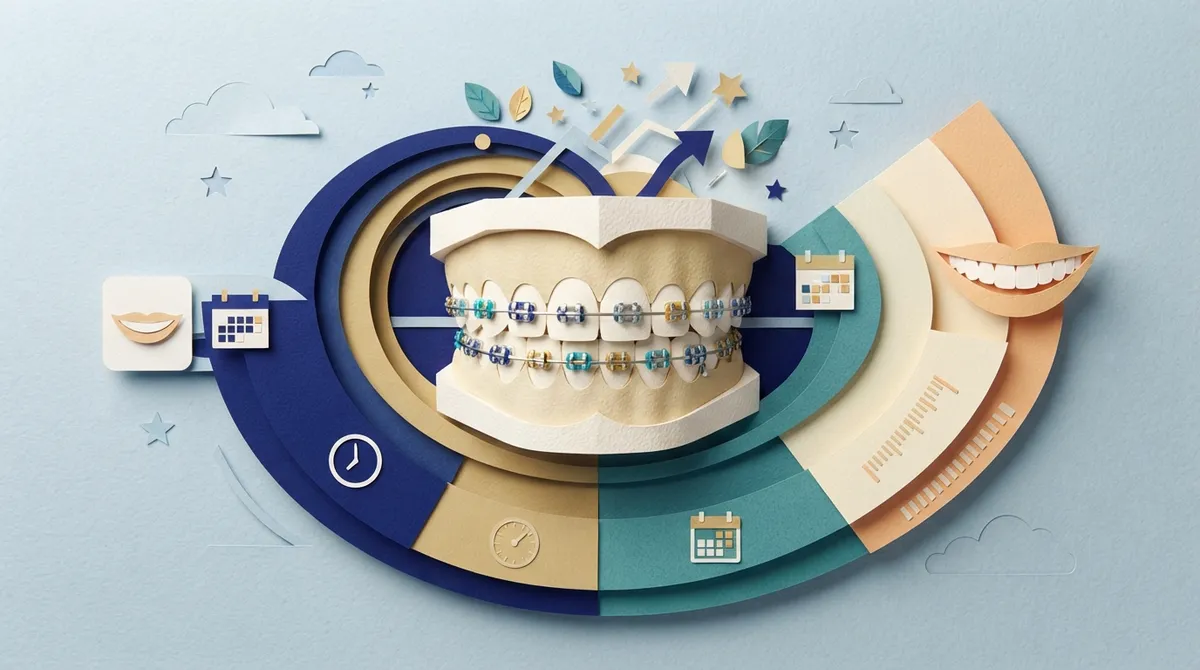
1. Most Braces Take 12 to 24 Months to Finish
According to the American Association of Orthodontists, most people wear braces for about 12 to 24 months. That’s the typical range for average cases. Some simple fixes wrap up faster, while more complex bite or jaw issues can take longer. The American Dental Association also notes that treatment length depends heavily on each person’s unique dental needs.
Think of it like planting a garden. Some flowers bloom quickly, while others need a full season to reach their best. Your teeth are the same way. Every mouth moves at its own pace, based on genetics, bone density, and how crowded or spaced your teeth are to begin with.
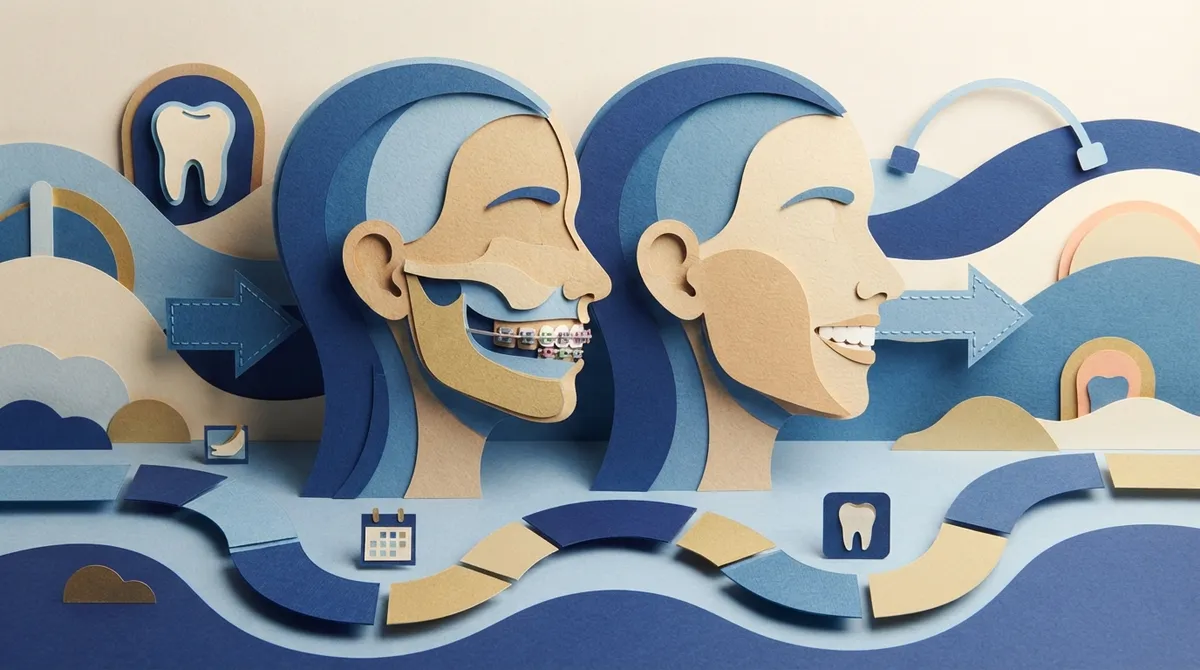
2. The NHS Range Gives a Bigger Picture
The NHS in the UK backs this up with similar numbers. Their guidance says fixed braces usually last 12 months to 2.5 years. They also mention a broader range of 6 to 30 months for many orthodontic patients overall.
Why such a wide range? Because braces treat many different problems. A small gap between two teeth needs way less time than fixing a full bite misalignment. That’s why an in-person exam is the only real way to know your personal timeline. If you’re ready to find out yours, you can book appointment online with our Clearwater team today.
3. You’ll See Changes Within the First Few Months
Here’s some good news to keep you motivated: you won’t have to wait years to notice a difference. Many patients see their teeth shifting within the first few months. Gaps start closing. Crowded teeth begin to spread out nicely.
But here’s the catch. Early movement doesn’t mean you’re done. Your orthodontist still needs to:
- Correct your bite so your teeth fit together properly
- Fix any rotated teeth so they sit straight
- Close remaining spaces evenly
- Adjust root positions, not just the visible crowns
- Make sure your results will actually last long-term
This is why patience really does pay off. The visible progress is exciting, but the deeper work happening below the gumline matters just as much.
4. A Recent Study Found an Average of Nearly 20 Months
A 2022 systematic review looked at more than 1,200 orthodontic cases and found a median treatment time of about 19.7 months. This lines up closely with the ranges from both the AAO and NHS. It’s a helpful data point, though we always recommend confirming numbers like this with your treating orthodontist since every practice and case is different.
This kind of research helps orthodontists like Dr. Brockway set realistic expectations for patients. It also shows why cookie-cutter timelines don’t work. Your mouth is unique, and your treatment plan should be too. Learn more about what goes into a personalized plan on our services page.
5. Six Factors That Affect Your Treatment Time
Wondering why your neighbor’s braces came off in a year while yours might take longer? Several factors play a role:
- Severity of crowding or spacing — More crowded teeth need more time to shift into place.
- Type of bite problem — Overbites, underbites, and crossbites each require different approaches.
- Tooth rotations — Twisted teeth take extra effort to straighten fully.
- Jaw growth or skeletal issues — Growing jaws in kids and teens can actually help treatment, while skeletal discrepancies in adults may need more time.
- Extractions or surgery needs — Cases requiring tooth removal or jaw surgery often take 2.5 to 3 years or more.
- Age and dental development — Younger patients with growing bones sometimes see faster results than adults with fully set jaws.
If you’re curious how your specific case might play out, our first visit page walks you through what a consultation looks like.
6. Your Habits Can Speed Things Up or Slow Them Down
Here’s something a lot of people don’t realize: you have real control over your own timeline. Patient cooperation matters a lot. Things that can extend treatment include:
- Missing scheduled adjustment appointments
- Breaking brackets from hard or sticky foods
- Skipping elastic wear when it’s prescribed
- Poor brushing and flossing habits that lead to other dental issues
- Ignoring dietary instructions from your orthodontist
The flip side is just as true. Showing up to every appointment, wearing your elastics as directed, and keeping your teeth clean can help you finish on time or even a little early. Think of your braces journey as a team effort between you and your orthodontist.
7. Appointments Happen Every 4 to 12 Weeks
You’ll need regular check-ins throughout treatment. The American Association of Orthodontists notes that adjustment visits typically happen every 4 to 12 weeks, depending on your treatment stage. The NHS commonly describes visits every 4 to 10 weeks, or sometimes every 6 to 8 weeks.
These visits aren’t just quick check-ups. Your orthodontist tightens wires, swaps out elastics, and tracks your progress against your treatment plan. Missing these appointments can quietly add months to your overall timeline, so keeping them on your calendar really does matter.
A Quick Look at Treatment Timelines
| Case Type | Typical Duration | Notes |
|---|---|---|
| Minor corrections | A few months | Small gaps or slight crowding |
| Average cases | 12–24 months | Most common timeline for braces patients |
| Complex bite or jaw issues | 2.5–3+ years | May involve extractions or surgery |
| Median across studies | ~19.7 months | Based on a 2022 review of 1,200+ cases |
8. Adults May Take a Bit Longer Than Teens
Adult bones have finished growing, which can sometimes mean slower tooth movement compared to teens. This doesn’t mean adult treatment isn’t successful. It just means patience is extra important. Many of our adult patients in Clearwater choose our Spark™ Clear Aligners for a more discreet option that fits their professional lives.
If you’re an adult considering treatment, check out our adult treatment options to see what might work best for your schedule and goals.
9. Retainers Keep Your Results Looking Great
Once your braces come off, the work isn’t quite finished. Teeth naturally want to shift back over time, so retainers are essential. Most orthodontists recommend long-term or even lifelong retainer wear, often transitioning to nighttime-only use after the first year.
Skipping your retainer is one of the biggest reasons people see their teeth drift back out of place. If you’ve been through this before, you’re not alone, and our retainers page has helpful info on keeping your smile straight for good.
10. A Personalized Exam Is the Best Way to Know Your Timeline
Every mouth tells a different story. The most accurate way to find out how long your braces will take is through a hands-on orthodontic exam. Dr. Brockway takes the time to really listen to your goals, review your bite, and create a plan built just for you.
Whether you’re a parent bringing in your child for the first time, a teen prepping for prom or graduation, or an adult ready for a career-friendly smile upgrade, we’re here to help. The Florida Association of Orthodontists also recommends early evaluations to catch issues before they become bigger problems. Explore our early treatment and adolescent treatment pages if you’re planning ahead for younger family members.
Why Choose Brockway Orthodontics in Clearwater
We believe every patient deserves a treatment plan built around their real life, not a one-size-fits-all approach. Our office uses modern technology like digital impressions and 3D imaging to plan your treatment precisely, which helps keep your timeline as accurate as possible from the very start.
We also offer same-day treatment starts in certain cases, because we know busy families and professionals don’t always have time for multiple visits before getting going. Dr. Brockway and our team genuinely care about your comfort and confidence every step of the way. You can see what real patients say by visiting Brockway Orthodontics on Google, or follow along on Instagram and Facebook for smile transformations and helpful tips.
Ready to get a real answer about your own treatment timeline? Our friendly Clearwater team is ready to walk you through every step, answer your questions, and help you feel confident about your smile journey. Contact us today to schedule your consultation and take the first step toward the smile you’ve been dreaming about.
FAQs
Q: How long does it take for braces to start showing results?
A: Many patients notice their teeth shifting within the first few months of treatment! But don’t let those early changes fool you into thinking you’re done. Your orthodontist still needs time to fix your bite and make sure everything settles into place for the long haul.
Q: Can braces work in 6 months?
A: For very minor corrections, like closing a small gap, some cases can wrap up in just a few months. But most patients need closer to 12 to 24 months for a complete, lasting result. Your best bet is a friendly consultation so we can give you a real answer based on your smile.
Q: Do adults take longer to get results from braces than teenagers?
A: Sometimes, yes! Adult bones have already finished growing, which can slow tooth movement a bit compared to teens. That said, plenty of our adult patients get beautiful results, and options like Spark™ Clear Aligners make the journey more comfortable and discreet.
Q: What factors make orthodontic treatment take longer?
A: A few things can stretch out your timeline, like severe crowding, complex bite issues, needing extractions, or skipping appointments. The good news is that showing up consistently and following instructions can help keep your treatment right on schedule.
Q: How long do you need to wear a retainer after braces?
A: Most orthodontists, including our team, recommend wearing a retainer long-term, and often for life, to keep your smile from shifting back. Many patients transition to nighttime-only wear after the first year, but sticking with it really does protect all that hard work.
Our Service Area