Key Takeaways
-
Wear your invisible retainer 20-22 hours daily for the first few months, then switch to nighttime-only wear long-term, as teeth can shift throughout life without consistent retention.
-
Always remove your retainer before eating or drinking anything except water to prevent food particles from getting trapped and sugary drinks from damaging the plastic material.
-
Research shows clear retainers perform as well as or better than other retainer types at maintaining tooth alignment, with no major differences in arch stability compared to Hawley retainers.
-
Clean your retainer daily with cool water and a soft toothbrush only—avoid hot water, bleach, alcohol-based products, and dishwashers, which can warp the plastic and compromise the fit.
-
Contact your orthodontist immediately if your retainer feels loose, has cracks or cloudiness, causes pain, or smells bad even after cleaning—never try to adjust or force a damaged retainer.
-
A retainer holds teeth in place but cannot fix shifting; if your teeth have moved noticeably since treatment ended, you may need new aligners or retreatment rather than relying on the retainer alone.
So, you finally finished your braces or clear aligner treatment. Congratulations! That’s a big moment, and you deserve to feel proud of your new smile. But here’s a little secret that every orthodontist wants you to know: the real work of keeping your teeth straight starts now. That’s where an invisible retainer comes in, and it’s about to become your smile’s new best friend.
At Brockway Orthodontics, we see this moment all the time. Patients are thrilled with their results but sometimes a little unsure about what happens next. We’re here to walk you through everything you need to know about invisible retainers, so you can protect your investment and keep smiling with confidence for years to come.
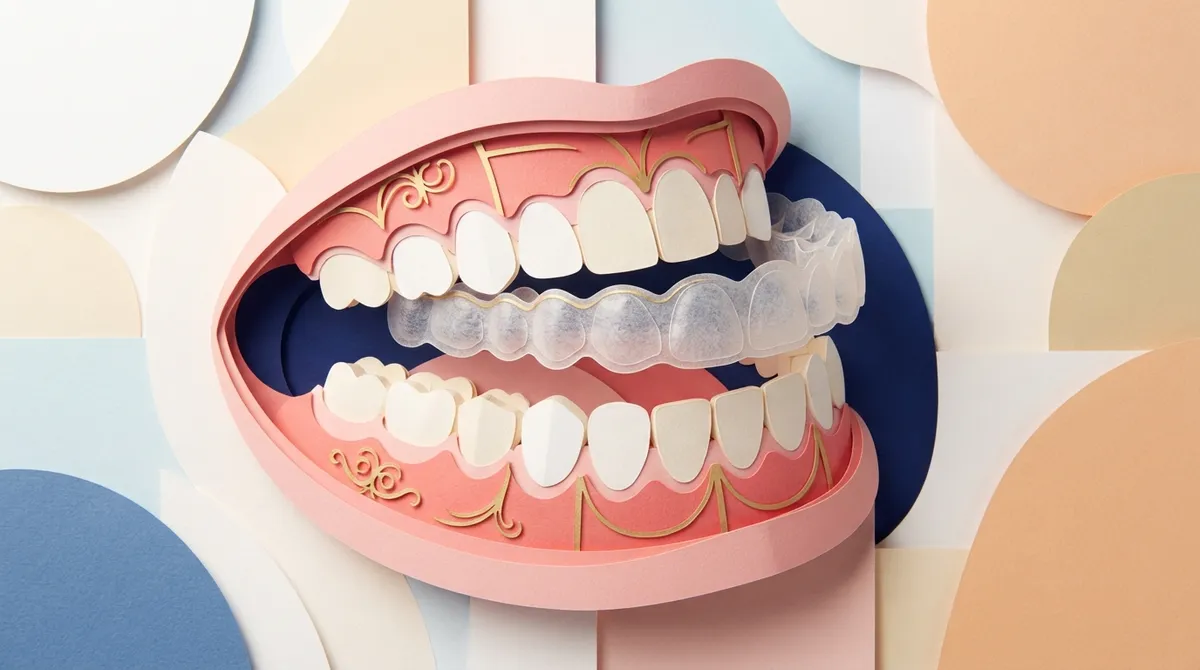
What Is an Invisible Retainer, Exactly
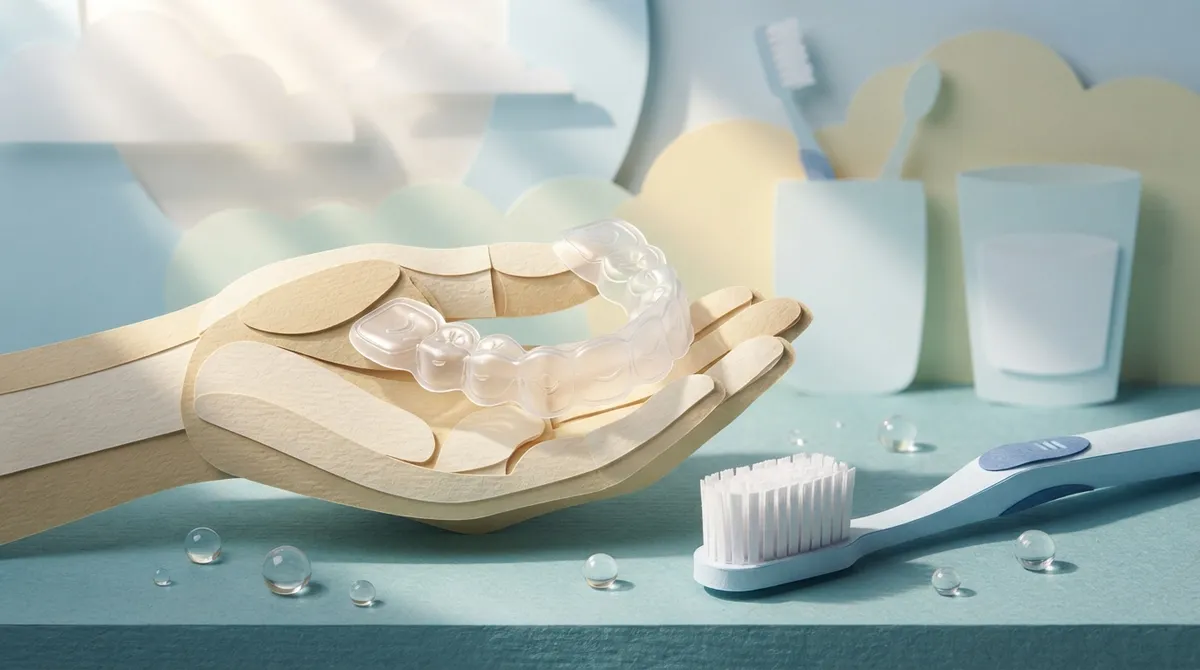
An invisible retainer, also called a clear or vacuum-formed retainer, is a thin, see-through plastic tray. It’s custom-molded to fit snugly over your teeth. Unlike braces, it doesn’t move your teeth into new positions. Its job is to hold your teeth exactly where your braces or Spark™ Clear Aligners worked so hard to put them.
Think of it like a security guard for your smile. It doesn’t build the house, but it makes sure nothing shifts out of place once construction is done. Without this step, your teeth can slowly drift back toward their old positions. This process is called relapse, and it’s more common than you might think.
Why Retention Matters So Much
Your teeth are held in your jawbone by ligaments that act like tiny rubber bands. These ligaments need time to settle into their new positions after treatment. Even after they settle, your teeth can still shift throughout your life due to aging, jaw growth, or even everyday chewing forces.
This is why nearly every orthodontist, including our team here in Clearwater, stresses the importance of wearing your retainer as directed. Skipping this step is one of the most common regrets we hear from patients who come back years later wanting to fix relapse.
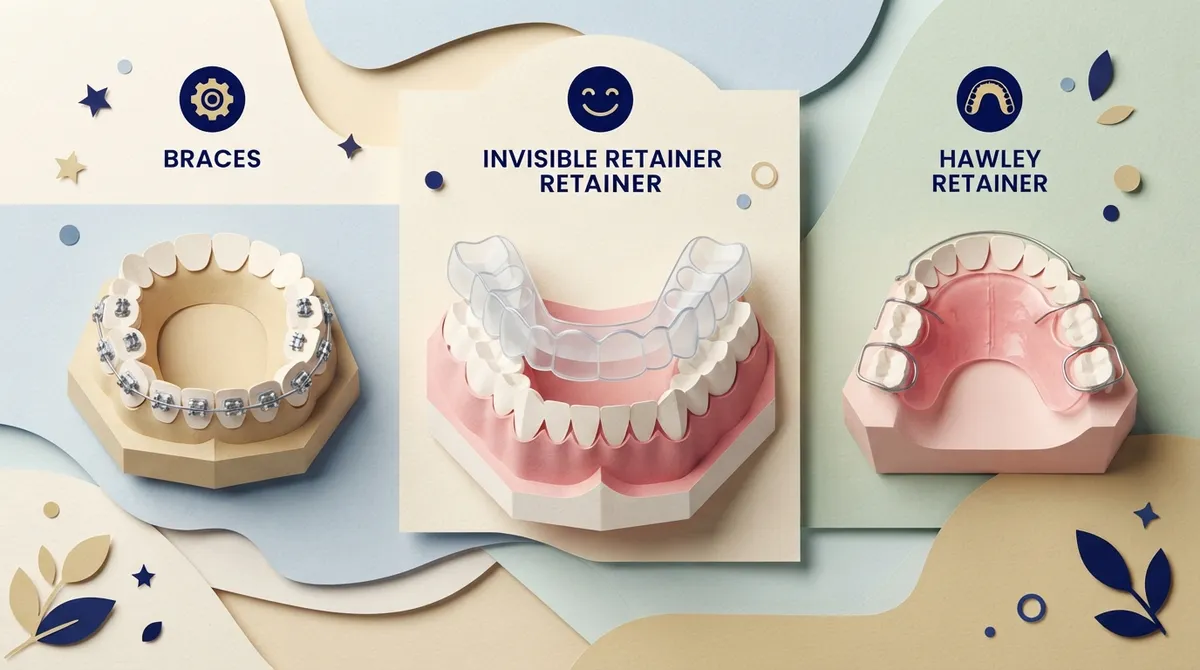
How an Invisible Retainer Compares to Other Types
You might be wondering how a clear retainer stacks up against other options, like a Hawley retainer or a permanent bonded wire. Each type has its own strengths, and the right choice depends on your specific needs.
| Retainer Type | Appearance | Removable | Best For |
|---|---|---|---|
| Clear (Vacuum-Formed) | Nearly invisible | Yes | Discreet, everyday wear |
| Hawley (Wire and Acrylic) | Visible wire | Yes | Durability and adjustability |
| Fixed Bonded Retainer | Hidden behind teeth | No | Lower front teeth, high relapse risk |
A 2024 systematic review and meta-analysis looked at 22 studies involving nearly 1,800 patients. It found no major differences between vacuum-formed and Hawley retainers when it came to keeping the width and length of your dental arch stable. Interestingly, clear retainers actually performed a bit better than Hawley retainers at keeping upper front teeth aligned. This kind of research gives us real confidence that invisible retainers are a solid, science-backed choice for most patients.
Clear Retainers Versus Fixed Retainers
Fixed retainers are bonded permanently behind your teeth and can’t be removed for eating or brushing. They’re great for patients with a high risk of relapse, but they can be trickier to keep clean. Clear retainers, on the other hand, pop in and out easily. This makes brushing, flossing, and eating much simpler.
Research comparing the two found that fixed retainers were slightly better at keeping lower front teeth in place, but the difference wasn’t considered meaningful in everyday life. Many orthodontists, including our team, sometimes recommend a combination for patients with unique needs. If you’re not sure which is right for you, our retainer options page breaks it all down.
How Long You’ll Need to Wear Your Retainer
This is probably the question we hear most often. The honest answer? It depends on you. But here’s a general guideline that many orthodontists follow:
- First few months: Wear your retainer 20 to 22 hours a day, removing it only to eat and brush.
- Next several months: Your orthodontist may reduce wear to nighttime only.
- Long term: Many patients wear their retainer at night indefinitely, since teeth can shift at any age.
A 2018 survey found that most orthodontists prefer continuous wear for six months to a year before switching to nights only. But every mouth is different, so your treatment plan should be personalized. If you’re a parent supporting a teen through this transition, patience and gentle reminders go a long way toward building good habits.
Daily Care Tips for Your Invisible Retainer
Taking care of your retainer isn’t complicated, but a few small habits make a huge difference in how long it lasts and how well it works. Here’s what we recommend to every patient at our Clearwater office.
- Rinse your retainer with cool or lukewarm water every time you take it out
- Brush it gently with a soft toothbrush, never with your regular toothpaste
- Avoid hot water, which can warp the plastic and ruin the fit
- Skip bleach, alcohol-based mouthwash, and dishwashers for cleaning
- Store it in a ventilated case whenever it’s not in your mouth
- Keep it far away from pets, who love to chew on anything plastic
One more tip that surprises a lot of people: always remove your retainer before eating or drinking anything besides water. Food particles can get trapped, and sugary drinks can damage the material over time.
What Not to Do With Your Retainer
We get it, life gets busy, and it’s tempting to cut corners. But a few habits can seriously shorten your retainer’s lifespan or make it less effective. Avoid wrapping it in a napkin at restaurants (it’s the number one way retainers get thrown away by accident). Never try to adjust the fit yourself with pliers or hot water. And don’t ignore small cracks, thinking they’ll hold up fine.
Signs Your Retainer Needs Attention
Your retainer should feel snug but comfortable. If something feels off, it’s worth a quick check-in with your orthodontist. Here are signs that mean it’s time to call us:
- The retainer feels loose or doesn’t sit flush against your teeth
- You notice cracks, cloudiness, or a warped shape
- It’s suddenly painful or hard to insert
- You’ve noticed a bad odor even after cleaning
- Your teeth feel like they’re shifting when the retainer is out
Never try to force a damaged retainer into place. Doing so can cause more harm than good and might even damage your teeth. Instead, reach out to your orthodontist right away. If you’re local to the area, feel free to contact us so we can take a look and get you back on track quickly.
Can an Invisible Retainer Fix Shifting Teeth
This is a common mix-up we clear up often. A retainer is not the same as a clear aligner. Clear aligners, like our Spark™ Clear Aligners, are designed to actively move your teeth in small steps. A retainer’s job is simply to hold your teeth still once they’re already in the right spot.
If your teeth have shifted noticeably since finishing treatment, a basic retainer probably won’t fix it. You may need a new set of aligners or a short round of treatment to correct the movement. This is actually a fairly common situation, and it’s nothing to feel embarrassed about. Life happens, retainers get lost, and teeth move. The good news is that retreatment options are available and often quicker than your first round of treatment.
Choosing the Right Retainer for Your Lifestyle
Your daily routine matters when picking the right retainer. Are you a teenager heading back to school? A busy professional with client meetings? A parent chasing after kids all day? Each lifestyle might call for a slightly different approach.
- Teens and young adults often love how invisible retainers barely show, especially around friends or in photos
- Working professionals appreciate being able to remove them during meetings or meals
- Parents managing treatment for kids benefit from easy-to-clean, simple designs
- Patients with a history of relapse may need a combination of fixed and removable options for extra security
Whatever your situation, our team can help match you with the retainer that fits both your smile and your daily life. Every patient who visits our Clearwater office gets a personalized plan built around their goals.
Why Clearwater Families Trust Brockway Orthodontics
Dr. Brockway believes that great orthodontic care doesn’t end when the braces come off. It continues through every retainer check and every question you have along the way. Our team takes time to explain your options clearly, using modern tools like digital impressions and 3D imaging to make sure your retainer fits perfectly the first time.
We also know that families are busy. That’s why we offer flexible scheduling and, in many cases, same-day service for retainer needs. Whether you’re here for your first visit or a routine retainer check, you’ll always feel like part of our Clearwater family. Curious what other patients think? You can visit us on Google — Brockway Orthodontics to read real reviews from people just like you.
For general guidance on oral health and retainer care, organizations like the American Dental Association and the Florida Association of Orthodontists offer helpful resources too. And if you want to see behind-the-scenes moments from our practice, follow us on Instagram or connect with us on Facebook.
Your Next Step Toward a Lasting Smile
An invisible retainer is a small piece of plastic with a big job. It protects years of hard work, whether that came from traditional braces or clear aligners. Taking care of it properly, wearing it as prescribed, and checking in with your orthodontist regularly will help your smile stay beautiful for a lifetime.
If your retainer feels off, or if it’s been a while since your last checkup, don’t wait. Our friendly team at Brockway Orthodontics is here to help you protect that smile you worked so hard for. Ready to get started? Book appointment online today and let’s make sure your smile stays exactly where it belongs.
FAQs
Q: What is an invisible retainer and how does it work?
A: An invisible retainer is a clear, custom-fitted plastic tray that holds your teeth in place after braces or clear aligners. It doesn’t move teeth like aligners do. Instead, it acts like a gentle guardian, keeping your smile exactly where your treatment left it.
Q: How long do I need to wear my invisible retainer?
A: Most patients wear their retainer nearly full-time for the first several months, then switch to nights only. Many orthodontists recommend nighttime wear indefinitely, since teeth can shift throughout life. Your Brockway Orthodontics team will give you a personalized schedule that fits your smile.
Q: Can I eat and drink with my invisible retainer in?
A: You should always remove your retainer before eating or drinking anything other than water. This protects the plastic from warping and keeps food particles from getting trapped against your teeth. It only takes a few seconds, and your retainer will thank you!
Q: How do I clean my invisible retainer properly?
A: Rinse it with cool or lukewarm water and gently brush it with a soft toothbrush. Avoid hot water, bleach, alcohol-based products, or the dishwasher, since these can warp or damage the plastic. A quick daily cleaning habit keeps your retainer fresh and effective.
Q: What should I do if my invisible retainer no longer fits?
A: Don’t try to force it or adjust it yourself. A retainer that feels loose, tight, or cracked may no longer be doing its job properly. Give our Clearwater office a call so we can check the fit and get you back on track quickly.
Our Service Area