Key Takeaways
-
Retention is a lifelong commitment, not optional—teeth naturally shift over time due to aging and daily pressure, and skipping retainer wear for even a few weeks can cause noticeable drift back to original positions.
-
Choose the right retainer type for your lifestyle: clear thermoplastic for discretion, Hawley for durability and adjustability, or fixed bonded for those struggling with daily compliance.
-
Follow a personalized wear schedule that typically transitions from nearly full-time to nighttime-only wear within nine months, based on your orthodontist's guidance rather than guessing when to reduce wear.
-
Clean your retainer properly with cool water and soft brushing, avoid hot water or bleach, and always store it in its protective case to prevent warping, bacterial buildup, and accidental loss.
-
Address any damage, poor fit, or unusual tightness immediately by contacting your orthodontist, as ignoring these signs can lead to gum irritation, tooth movement, and costly replacements.
-
Understand that retainers hold teeth in place but don't correct shifted teeth—if relapse occurs, seek a fresh orthodontic evaluation for updated treatment options rather than expecting your retainer to fix the problem.
You just got your braces off or finished your last clear aligner tray. Your smile looks amazing, and you can’t stop grinning in the mirror. But here’s a little secret: the real work of keeping that smile straight has just begun. Smile retainers are the unsung heroes of orthodontic care, and getting them wrong can quietly undo months or years of hard work. The good news? Most retainer mistakes are totally avoidable once you know what to watch for.
At Brockway Orthodontics, we’ve helped countless Clearwater families protect their new smiles long after treatment ends. Whether you’re a parent managing your teen’s retainer routine, an adult professional juggling a busy schedule, or someone dealing with relapse after previous treatment, this guide will help you avoid the slip-ups that lead to shifting teeth and costly do-overs.

1. Thinking Retainers Are Optional After Treatment
This is the biggest mistake of all. Many patients assume that once braces come off or aligner trays are finished, their teeth will just stay put. That’s not how it works. Teeth naturally want to shift over time due to aging, gum changes, and everyday pressure from your lips, cheeks, and tongue.
The American Dental Association and orthodontic experts agree that retention is typically a lifelong commitment. Skipping your smile retainer, even for a few weeks, can allow teeth to drift back toward their old positions. Our retainer services are designed to help you protect your investment for years to come.
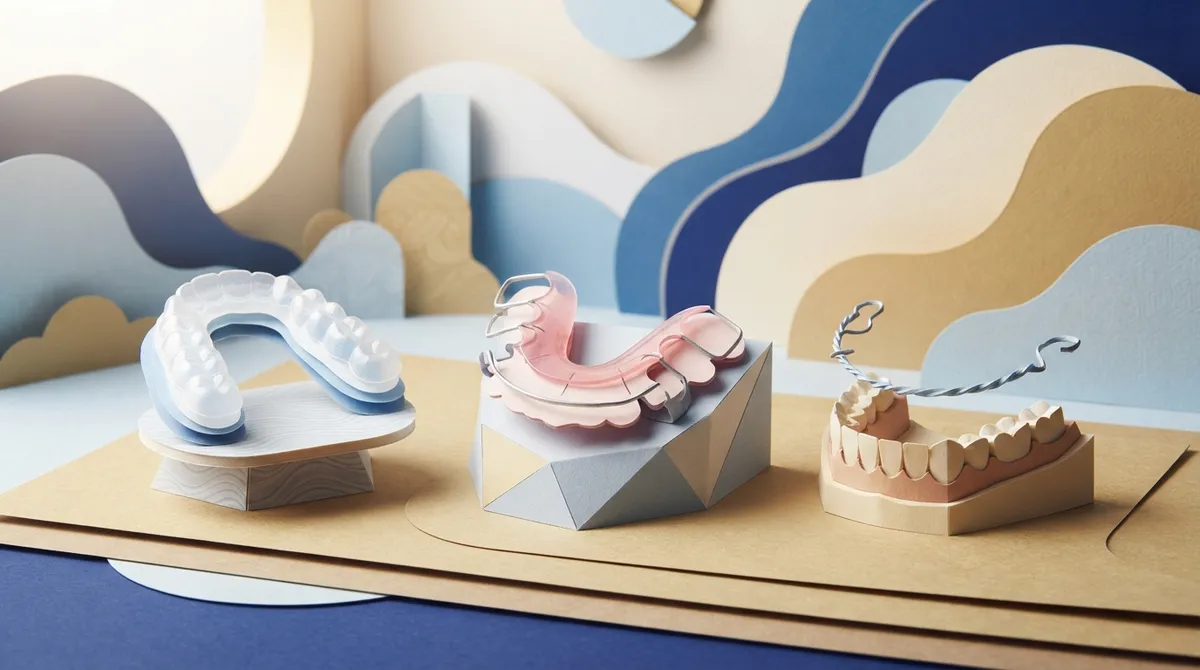
2. Not Understanding the Three Main Retainer Types
Not all retainers work the same way. Choosing the wrong one for your lifestyle, or not knowing the differences, can lead to frustration and poor compliance. Here’s a quick breakdown:
| Retainer Type | Description | Best For |
|---|---|---|
| Clear Thermoplastic | Nearly invisible, covers the teeth like a thin shell | Patients who want a discreet look |
| Hawley Retainer | Acrylic base with a visible wire across the front teeth | Patients needing durability and adjustability |
| Fixed Bonded Retainer | Thin wire bonded behind the teeth, cannot be removed | Patients who struggle with daily wear compliance |
A 2025 survey of U.S. orthodontists found that maxillary Hawley retainers were used by 58.2% of respondents, while mandibular fixed lingual retainers were used by 40.2%. There’s no single “best” option for everyone. Dr. Brockway will help you choose based on your specific needs during your first visit.
3. Assuming Full-Time Wear Never Changes
Right after treatment, most patients need to wear their retainer nearly full-time. But this schedule usually shifts over the following months. Many orthodontists recommend less than nine months of full-time wear before moving to nights-only wear, based on recent survey data.
The mistake here is either sticking with full-time wear forever out of fear, or cutting back too soon without guidance. Your orthodontist should personalize this schedule based on your original bite issue and how stable your teeth have become. Don’t guess. Ask.
4. Skipping Nighttime Wear Once Teeth “Feel” Straight
Just because your retainer feels loose or your teeth look great doesn’t mean it’s safe to stop. Teeth can shift in small ways that aren’t obvious right away but add up over months. This is one of the top reasons people end up needing retreatment.
A 2023 Cochrane review looked at 47 studies and 4,377 participants comparing different retention methods. Researchers found that part-time clear retainer wear in the lower arch was linked to slightly more relapse compared to fixed retainers over a 12-month period. This tells us that dropping nighttime wear too early is a real risk, not just a scare tactic.
5. Cleaning Your Retainer the Wrong Way
Using hot water, bleach, or alcohol-based cleaners on your retainer might seem harmless, but it can warp thermoplastic material or damage the wire on Hawley and fixed retainers. Poor cleaning habits also let plaque and bacteria build up, causing bad odors and cloudy appliances.
Here’s a simple routine that works for most removable retainers:
- Rinse your retainer with cool or lukewarm water after removing it.
- Brush gently with a soft toothbrush, avoiding regular toothpaste which can be abrasive.
- Soak it periodically in a retainer-cleaning solution made for orthodontic appliances.
- Store it in its protective case whenever it’s not in your mouth.
- Never use hot water, bleach, or alcohol-based mouthwash to clean it.
Following these steps keeps your retainer clear, fresh, and free of bacteria buildup.
6. Forgetting to Store It Properly
How many times have you heard about a retainer getting wrapped in a napkin and thrown away by accident? It happens more often than you’d think. Leaving your retainer out on a napkin, in a pocket, or loose in a bag invites disaster.
Get in the habit of keeping your case with you, especially when eating out or traveling. This one small habit prevents a huge headache (and expense) later.
7. Ignoring Damage or Poor Fit
A cracked, warped, or suddenly tight retainer is not something to ignore. Continuing to force a poorly fitting retainer into place can irritate your gums or move your teeth in unpredictable ways. If your retainer feels different than usual, don’t wait it out.
Contact your orthodontist right away if you notice any of these signs:
- The retainer feels unusually tight or painful when inserted
- You notice cracks, warping, or a broken wire
- A section of a fixed retainer feels loose or detached from a tooth
- The retainer no longer fits smoothly over your teeth
- You’ve lost the retainer entirely
These issues rarely resolve on their own. In fact, ignoring them can lead to needing a full replacement or even limited orthodontic correction. If something feels off, it’s always better to contact us and get it checked quickly.
8. Not Caring for a Fixed Retainer Properly
Fixed bonded retainers are great because they don’t rely on you remembering to wear them. But they come with their own challenges. Food particles and plaque can build up around the wire, and flossing takes extra effort.
Patients often make the mistake of skipping floss threaders or water flossers, which makes cleaning around the bonded wire nearly impossible with a regular toothbrush alone. Over time, this can lead to gum irritation or cavities near the retainer site. It’s worth learning proper technique early on to protect both your smile and your gum health.
9. Believing a Retainer Can Fix Shifted Teeth
This is a common misunderstanding. Retainers are designed to hold teeth in place, not to move them. If your teeth have already shifted noticeably, a standard retainer usually won’t correct that on its own.
If you’re dealing with relapse after previous orthodontic treatment, you may need a fresh evaluation. Many adults come back to us years later wondering if there’s still hope for a straighter smile. The answer is often yes, through a combination of updated aligners or braces followed by proper retention. Learn more about our adult treatment options if this sounds like you.
10. Assuming Cost and Lifespan Are the Same for Everyone
Retainer costs vary quite a bit depending on the type, your location, and whether repairs or replacements are needed. General pricing in the U.S. tends to run somewhere between $100 and $300 per arch for clear thermoplastic retainers, $150 to $350 for Hawley retainers, and $250 to $500 for bonded retainers. But these numbers aren’t guaranteed for every patient.
Lifespan also varies. Some clear retainers last a year or two with careful use, while others wear out faster depending on habits like teeth grinding. Don’t assume your retainer will last forever, and don’t assume it won’t. Ask your orthodontist for a realistic estimate based on your specific situation and check our financing and insurance options if cost is a concern.
Why Working With a Trusted Orthodontist Matters
Retention isn’t a one-size-fits-all process. Your orthodontist should tailor your retainer type and wear schedule based on your original bite issue, relapse risk, and how well you can follow instructions. Interestingly, research on “smart retainers” with built-in wear sensors found no significant improvement in wear time compared to regular reminders. This suggests that a strong relationship with your orthodontist, not just gadgets, is what really keeps you on track.
That’s exactly the kind of personalized care you’ll find with Dr. Brockway. She takes time to understand your goals and explains your retainer options clearly, so you always know what to expect. You can also check the Florida Association of Orthodontists for more information on finding qualified orthodontic care in our state.
Building Better Retainer Habits at Home
Good habits make all the difference in long-term success. Try these simple tips to stay on track:
- Keep your retainer case in the same spot every day, like your nightstand or bathroom drawer
- Set a phone reminder for nighttime wear until it becomes automatic
- Bring a travel case whenever you’re eating out or on vacation
- Schedule periodic checkups so your orthodontist can catch small issues early
- Replace your case if it becomes cracked or difficult to close properly
Small habits like these protect the investment you already made in your smile. If you’re ever unsure whether your retainer is doing its job, don’t hesitate to reach out.
A Trusted Partner for Every Stage of Your Smile
Whether you’re a parent guiding your teen through their first retainer routine, a professional balancing a busy schedule, or someone who’s dealt with relapse before, Brockway Orthodontics is here for every chapter of your smile journey. We proudly serve Clearwater families with a full range of orthodontic services, including braces, Spark™ Clear Aligners, and retention care that’s built around your life.
Curious what other patients say about their experience? You can visit us on Google — Brockway Orthodontics to read real reviews from our community. You can also follow along on Instagram or connect with us on Facebook for smile tips and updates.
Ready to Protect Your Smile for the Long Haul
Avoiding these ten common mistakes can save you time, money, and frustration down the road. Your smile retainer is a small appliance with a big job, and treating it with care pays off for years to come. If it’s been a while since your last checkup, or if something about your retainer feels off, now is a great time to get it looked at.
Ready for expert guidance on your smile retainer or curious about starting orthodontic treatment? Book appointment online with Dr. Brockway and her team today, and let’s keep your smile looking its best for years to come.
FAQs
Q: How long do I need to wear a smile retainer after braces or Invisalign?
A: Most patients wear their retainer nearly full-time for the first several months, then switch to nighttime-only wear. That said, retention is usually a lifelong habit since teeth can shift with age, so your orthodontist will personalize a schedule that fits your unique smile.
Q: What is the difference between a clear retainer, Hawley retainer, and permanent retainer?
A: Clear retainers are nearly invisible plastic trays that cover your teeth, Hawley retainers use acrylic and a visible wire, and permanent (fixed) retainers are bonded behind your teeth so you can’t remove them. Each type has its own perks, and Dr. Brockway can help you pick the one that fits your lifestyle best.
Q: How do I clean and store my clear retainer safely?
A: Rinse it with cool water, brush gently with a soft toothbrush, and soak it occasionally in a retainer-cleaning solution. Always store it in its case when you’re not wearing it, and skip hot water, bleach, or alcohol-based cleaners since they can damage the material.
Q: What should I do if I lose, break, or stop wearing my retainer?
A: Reach out to your orthodontist right away rather than waiting it out. Teeth can shift faster than you’d expect, and getting a replacement or adjustment quickly helps you avoid bigger (and pricier) corrections later.
Q: Can retainers straighten teeth that have already shifted?
A: Not usually. Retainers are built to hold your teeth in place, not move them significantly. If your teeth have shifted since your last treatment, you may need a fresh evaluation to explore your options for getting back on track.
Our Service Area