Key Takeaways
-
Gaps between teeth (diastema) are highly treatable with multiple options including traditional braces, clear aligners, dental bonding, and frenectomy, with success rates depending on gap size and underlying cause.
-
Many childhood gaps close naturally as permanent teeth erupt—about 48.8% of 9-year-olds have midline gaps that drop to 9.3% by age 16, so professional evaluation around age 7 is recommended to monitor progress.
-
Retention after gap closure is critical because teeth naturally shift over time; combining removable retainers, bonded retainers, or both prevents relapse and gap reopening, which is the most common patient regret.
-
Avoid dangerous DIY methods like rubber bands, floss tricks, or unsupervised aligner kits, as these can cause gum injury, bone loss, and tooth damage; professional imaging and examination are essential before treatment.
-
If gum disease is causing the gap, it must be treated first before any cosmetic or orthodontic treatment, as active gum disease signals bone loss that will undermine long-term results.
-
When a gap is caused by an oversized labial frenum (tissue connecting lip to gums), combining a frenectomy procedure with orthodontic treatment yields more stable, lasting results than either approach alone.
Do you catch yourself covering your mouth when you laugh because of that space between your front teeth? You are far from alone. Gaps in teeth, called diastema, are one of the most common concerns we hear at Brockway Orthodontics. The good news? Gaps are also one of the most treatable smile concerns out there, and you have more options today than ever before.
Whether you are a parent watching your child’s smile change, a teen prepping for prom pictures, or an adult professional finally ready to invest in yourself, this guide will walk you through everything you need to know. We will cover why gaps happen, which treatments actually work, and how to make sure your results last. Let’s dive in together.
What Causes Gaps Between Teeth?
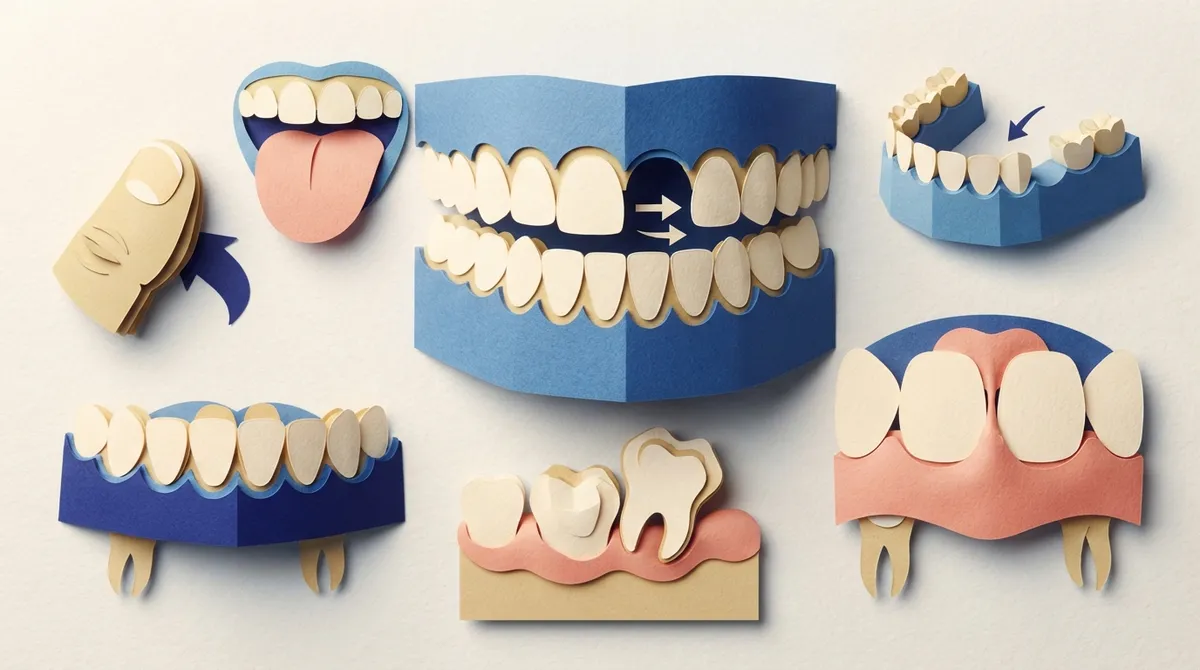
A gap between teeth is called a diastema, and it can show up anywhere in your mouth. That said, the most noticeable one is usually the space between the two upper front teeth. Understanding the root cause matters because it shapes which treatment will actually work for you.
Here are the most common reasons gaps develop:
- Normal growth patterns: Sometimes jaws and teeth simply grow in a way that leaves extra space.
- Small teeth, big jaw: If your teeth are smaller relative to your jawbone, gaps can appear naturally.
- Missing teeth: When a tooth is missing, neighboring teeth may drift and create noticeable spacing.
- An oversized labial frenum: This is the tissue connecting your lip to your gums. When it’s thick or attaches low, it can push teeth apart.
- Tongue thrusting or oral habits: Repeated pressure from the tongue against the teeth can widen a gap over time.
- Gum disease: Active gum disease can weaken the bone supporting your teeth, causing them to shift and separate.
Interestingly, research summarized in recent orthodontic literature found that about 48.8% of 9-year-olds had a noticeable midline gap, but that number dropped to just 9.3% by age 16. This shows that many gaps in kids close naturally as adult teeth come in. However, gaps that appear or widen in adulthood are a different story and deserve a closer look.

Should Kids’ Gaps Be Left Alone?
Parents often ask us this question, and it’s a great one. In many cases, a gap in a child’s primary teeth or during the mixed dentition stage (when baby and adult teeth are both present) will close on its own as permanent teeth erupt.
That said, persistent gaps or ones that seem to be growing wider deserve professional attention. This is especially true if your child also has crowding, a crossbite, or other alignment issues. Our team recommends bringing your child in for an evaluation around age 7, which lines up with guidance from the American Dental Association regarding early orthodontic screenings. Early treatment can sometimes guide growth in a way that prevents bigger problems down the road. Learn more about our approach to early treatment and how timing can make a real difference.
Orthodontic Options to Close Gaps in Teeth
When it comes to actually moving teeth into a healthier position, orthodontic treatment is generally the gold standard. Unlike cosmetic fixes that just disguise a gap, braces and clear aligners physically shift your teeth where they need to be.
Traditional Braces
Braces use brackets and wires to apply gentle, steady pressure that gradually closes gaps. They are especially effective when spacing is combined with other issues like rotated teeth, bite problems, or multiple gaps throughout the mouth. Braces remain a reliable, time-tested option, and our All About Braces page breaks down exactly what to expect from start to finish.
Clear Aligners
For patients who want a more discreet option, clear aligners are a fantastic choice. At Brockway Orthodontics, we offer Spark™ Clear Aligners, a comfortable and more affordable alternative to other clear aligner brands. These custom-made trays gradually shift your teeth and are nearly invisible, which makes them a favorite among busy professionals and image-conscious teens alike.
Clear aligner treatment typically requires wearing your trays for about 20 to 22 hours a day. Your orthodontist will determine the exact wear schedule based on your specific treatment plan. Consistency is everything here. The more you wear them as directed, the smoother your journey will be.
| Treatment Option | Best For | Visibility | Typical Commitment |
|---|---|---|---|
| Traditional Braces | Multiple gaps, bite issues, complex cases | Visible metal brackets | Several months to over a year |
| Spark™ Clear Aligners | Mild to moderate spacing, discreet treatment | Nearly invisible | Several months to over a year |
| Dental Bonding | Small, isolated cosmetic gaps | Not visible (natural look) | One visit, but may need touch-ups |
| Frenectomy (as part of a plan) | Gaps linked to frenum attachment | N/A (minor procedure) | Usually paired with orthodontics |
Because every mouth is different, treatment timelines vary quite a bit. Gap size, the underlying cause, your bite, and gum health all play a role. The only way to get a real estimate is through an orthodontic exam, which is why we always recommend starting with your first visit to map out a personalized plan.
Non-Orthodontic Options for Small Gaps
Not every gap requires braces or aligners. For small, isolated spaces, some patients choose cosmetic solutions instead. These options change the shape of the tooth rather than moving it.
- Composite dental bonding: A tooth-colored resin is applied to the edges of the teeth to visually close the gap. It’s quick and affordable, though it may need touch-ups over time.
- Porcelain veneers: Thin shells are bonded to the front of the teeth to create a uniform, gap-free appearance. These tend to last longer than bonding but involve a bigger investment.
These cosmetic approaches work best for a single small gap and require a full evaluation of your tooth health, bite, and proportions first. If you have several gaps or other alignment concerns, orthodontic treatment is usually the more predictable long-term solution.
When a Missing Tooth Is the Real Issue
Sometimes a gap isn’t just a cosmetic quirk. It can be the result of a missing tooth. In these cases, treatment involves an important decision: should we close the space orthodontically, or should we preserve it for a future replacement like an implant, bridge, or partial denture?
This decision depends on several factors, including your bite, the health of neighboring teeth, and your long-term goals. Our team will walk you through the pros and cons so you can make the choice that’s right for your smile and your budget. You can also read more about related concerns on our page about getting braces with missing teeth.
What About a Frenectomy?
If your gap is caused by an unusually large or low-attaching labial frenum, your orthodontist may recommend a frenectomy. This minor procedure removes or adjusts the tissue that’s pushing your teeth apart.
Here’s an important detail many patients don’t expect: a frenectomy is rarely done alone. It’s usually part of a bigger treatment plan and may be performed alongside or after orthodontic space closure. In fact, a 2025 systematic review of maxillary midline diastema treatments found that combining orthodontic treatment with a frenectomy led to more stable, long-lasting results compared to orthodontic treatment by itself.
Don’t Skip This Step: Treating Gum Disease First
If your gap is linked to gum disease, this needs to be addressed before any cosmetic or orthodontic gap closure. Gum-related tooth movement often signals a loss of the bone that supports your teeth. This isn’t just a cosmetic issue anymore. It’s a health issue.
At your first visit, we’ll take a thorough look at your gum health, along with X-rays or digital scans, to identify exactly what’s going on. Treating any active gum disease first ensures your gap-closing treatment actually holds up over time.
Why Retention Matters After Closing a Gap
Here’s something we want every patient to understand clearly: closing a gap is only half the journey. Teeth naturally want to shift over time, and midline gaps in particular have a tendency to reopen if retention isn’t taken seriously.
The same 2025 systematic review we mentioned earlier looked at five clinical studies on the stability of midline gap closure. The consistent theme? Some relapse is common after orthodontic treatment unless proper retention protocols are followed.
This is why we always build a strong retention plan into your treatment. Depending on your case, this might include:
- A removable retainer worn as directed, often nightly after the first year
- A bonded (fixed) retainer attached to the back of your front teeth
- A combination of both for maximum stability
Our retainers page has more detail on how we help protect your investment long after your braces or aligners come off. Skipping this step is one of the most common regrets we hear from patients who had treatment elsewhere.
What NOT to Do When You Have a Gap
We get it. When you’re self-conscious about a gap, it’s tempting to look for a quick fix online. Please don’t. Here are some things to avoid:
- Rubber bands: Wrapping a rubber band around your teeth to “squeeze” them together can cause serious damage, including injury to your gums and even tooth loss.
- Dental floss tricks: Similar to rubber bands, using floss to try to move teeth can hurt your periodontal ligament and surrounding bone.
- Unsupervised DIY aligner kits: Without professional X-rays and an exam, you have no way of knowing if there’s an underlying issue like gum disease or bone loss.
Your teeth, gums, and jawbone are precious. A professional exam with proper imaging is the only safe way to figure out what’s really going on before starting any treatment.
Why Choose Brockway Orthodontics in Clearwater
Closing a gap is a personal journey, and it deserves personalized care. Dr. Brockway takes the time to listen to your goals and concerns, whether you’re a parent bringing in your 7-year-old for a first evaluation or an adult professional exploring discreet options like Spark™ Clear Aligners.
Our Clearwater practice is equipped with modern technology, including digital impressions and 3D imaging, so we can plan your treatment with precision and comfort. We also understand that life is busy, which is why we offer same-day treatment options in certain cases. Explore our full range of services to see how we can help close your gap for good.
Curious what other families in the area think? You can visit us on Google — Brockway Orthodontics to read real reviews from our Clearwater patients. You can also follow along with smile transformations and helpful tips on our Instagram and Facebook pages, or connect with us on LinkedIn.
Your Next Step Toward a Gap-Free Smile
Gaps in teeth are common, treatable, and nothing to feel embarrassed about. Whether you need braces, clear aligners, cosmetic bonding, or a combination approach, the most important first step is getting a proper evaluation. Every smile is different, and yours deserves a plan built just for you.
According to the Florida Association of Orthodontists, seeing a specialist for spacing concerns can help you avoid bigger issues later, especially when bite problems are involved. Don’t wait for a small gap to become a bigger concern.
Ready to talk about closing your gap once and for all? Our friendly Clearwater team is here to guide you every step of the way. Book appointment online today and let’s start planning your most confident smile yet. Have questions first? Feel free to contact us and we’ll be happy to help.
FAQs
Q: Can braces close a gap between the front teeth?
A: Absolutely! Braces are one of the most reliable ways to close a gap because they gently guide your teeth into their ideal position over time. This works especially well if you have other alignment or bite concerns alongside the gap. Dr. Brockway will check your whole smile to build a plan that fits you perfectly.
Q: Can clear aligners close gaps in teeth?
A: Yes, clear aligners like our Spark™ system can close many gaps beautifully, especially mild to moderate spacing. You’ll wear your trays about 20 to 22 hours a day, and consistency really is the secret sauce here. We’ll map out a schedule that fits your lifestyle during your first visit.
Q: How long does it take to close a gap with braces or aligners?
A: Honestly, it depends on your unique smile! Treatment time varies based on gap size, cause, your bite, and gum health. Some patients see progress in a few months, while more complex cases take over a year. The best way to get a real timeline is a personalized exam with our team.
Q: Will a gap between my child’s teeth close naturally?
A: Often, yes! Many childhood gaps shrink or disappear as permanent teeth come in. That said, we always recommend a check-up around age 7 just to be safe, especially if the gap seems to be widening or your child has other bite concerns.
Q: How can I stop a gap from reopening after treatment?
A: Great question, and one we love answering because retention is so important! Wearing your retainer exactly as recommended, whether removable or bonded, is the key to keeping your new smile in place. Skipping this step is the number one reason gaps sneak back.
Our Service Area