Key Takeaways
-
Clear aligners and traditional braces are the most effective long-term gap teeth fixes, with treatment times ranging from 3-18 months depending on gap size, and require consistent retainer wear afterward to prevent relapse.
-
Always get a professional exam to identify the underlying cause of gaps—whether genetic, from gum disease, missing teeth, or an oversized frenum—before choosing treatment, as cosmetic fixes like bonding don't address root causes.
-
New gaps in adults with bleeding gums or swelling may signal periodontal disease rather than simple spacing, requiring immediate dental evaluation and gum treatment before any cosmetic or orthodontic solution.
-
Dental bonding and porcelain veneers offer quick single-visit cosmetic solutions for small gaps but don't move teeth or fix bite issues, making them best suited for minor spacing without underlying structural problems.
-
Most gaps in children close naturally as permanent teeth erupt, especially canines; gaps under 2mm often resolve without intervention, while those over 3mm are less likely to close by themselves and warrant professional evaluation.
-
A frenectomy (frenum removal) is not automatically recommended for every gap and is generally avoided before permanent canines arrive unless there's a specific clinical reason, as many gaps improve with normal dental development.
Got a gap between your front teeth and wondering what to do about it? You’re definitely not alone! Gaps between teeth, called diastema by dentists, are super common. Some people love their gap (hello, gap-tooth models!), but others want it closed for good. The great news is that there are more ways than ever to fix gap teeth, no matter your age or budget. Grab a cup of coffee and let’s walk through your best options together, so you can feel confident about your next step.
Here at Brockway Orthodontics, we’ve helped tons of Clearwater families close gaps and build smiles they love showing off. Whether you’re a parent noticing a gap in your child’s smile, a busy professional wanting a quick fix, or someone who tried braces years ago and the gap crept back, this guide is for you. Let’s break down the causes, the fixes, and how to pick the right one.
What Causes Gap Teeth in the First Place?
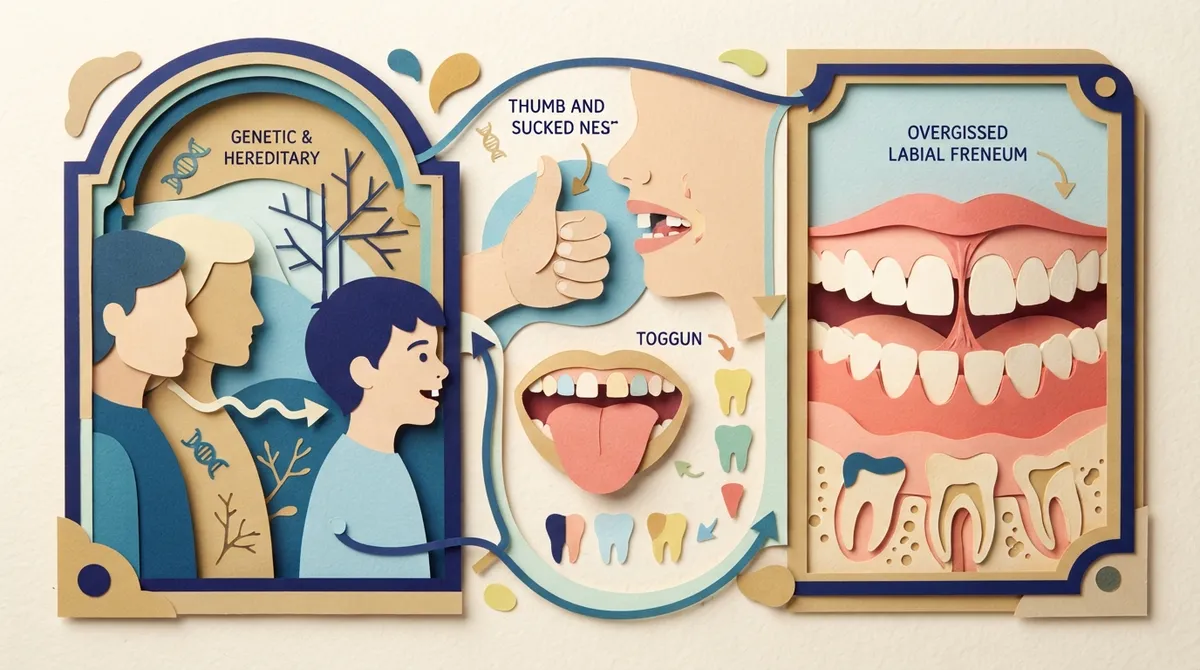
Before jumping into fixes, it helps to know why gaps happen. A gap teeth fix works best when it targets the actual cause, not just the space itself. Here are the most common reasons:
- Genetics: Your jaw might be bigger than your teeth, leaving extra room.
- Missing or small teeth: If a tooth is undersized or missing, nearby teeth may drift and leave gaps.
- An oversized frenum: That little piece of tissue between your upper lip and gums can sometimes push teeth apart.
- Tongue thrusting or thumb sucking: These habits can slowly push teeth out of place over time.
- Gum disease: In adults, a new or growing gap can be a sign of gum problems.
A new gap in an adult, especially with bleeding gums, swelling, or loose teeth, deserves a prompt checkup. This could point to periodontal disease rather than a simple spacing issue. Your orthodontist or dentist should always take a close look before deciding on treatment.
1. Clear Aligners: The Discreet Favorite
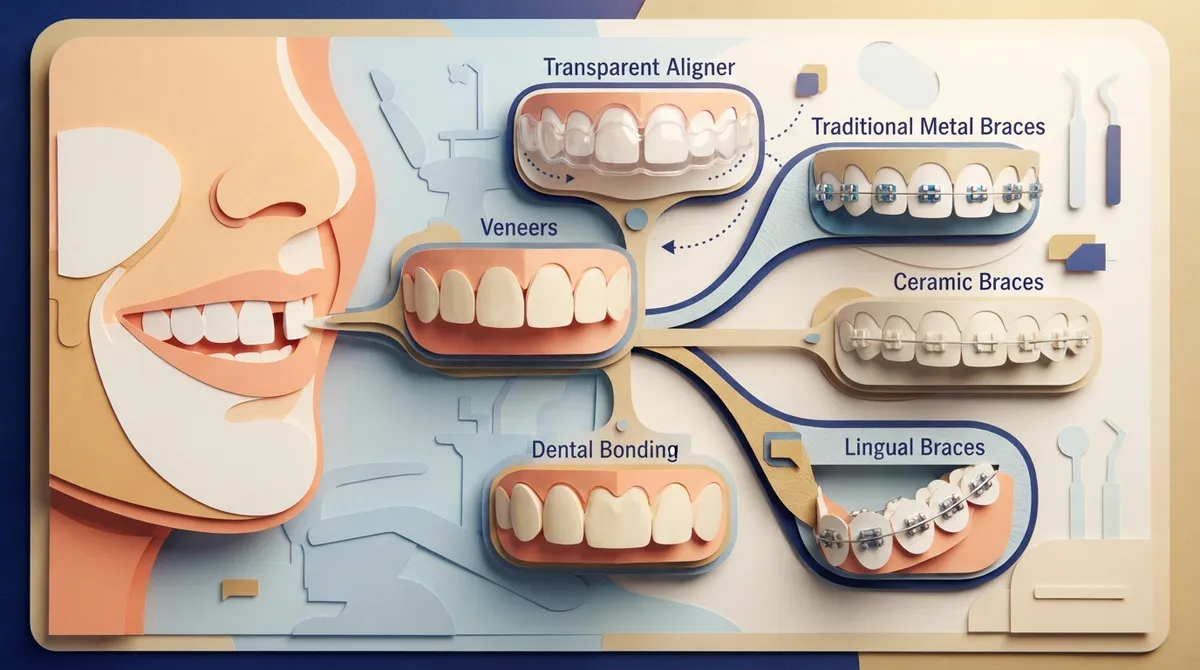
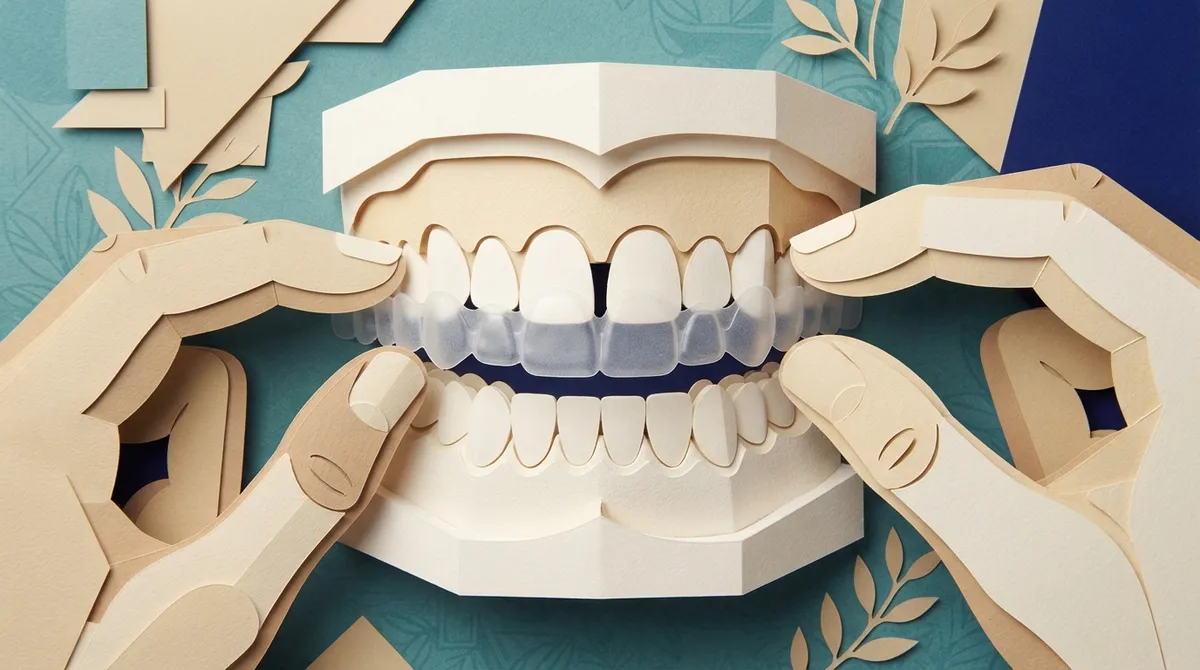
Clear aligners have become a go-to gap teeth fix for teens and adults alike. These clear, custom-made trays gently shift your teeth into place over time. Nobody will even notice you’re wearing them!
At Brockway Orthodontics, we offer Spark™ Clear Aligners, a comfortable and affordable option for closing gaps without metal brackets or wires. Many patients love that they can remove the aligners to eat, brush, and floss like normal.
Here’s what you should know about aligner treatment:
- Most orthodontists recommend wearing aligners 20 to 22 hours a day for the best results.
- Treatment time for gap closure can range from about 3 to 18 months, depending on the size of the gap and your bite.
- Smaller gaps close faster than larger ones, so your orthodontist will give you a personalized timeline.
- Aligners work great for spacing issues but can also fix crowding or bite problems at the same time.
Curious if aligners are right for you? Check out our page on how to choose invisible aligners for a straighter smile to learn more.
2. Traditional Braces: Reliable and Time-Tested
Sometimes braces are simply the best gap teeth fix, especially for larger gaps or more complex bite issues. Braces use brackets and wires to move teeth steadily into position, and they can handle almost any spacing problem.
Modern braces come in a few styles:
| Type of Braces | Best For | Visibility |
|---|---|---|
| Metal Braces | Larger gaps, complex bite issues | Most visible |
| Ceramic (Clear) Braces | Gaps plus a more discreet look | Less visible |
| Clear Aligners | Mild to moderate gaps | Nearly invisible |
We offer both metal and ceramic options at our Clearwater office. If you want to learn more, our page on all about braces breaks down the details in simple terms. And don’t worry, braces today are way more comfortable than they used to be!
3. Dental Bonding: A Quick Cosmetic Option
If your gap is small and you’re not dealing with bite problems, dental bonding might catch your eye. This is a cosmetic fix where a dentist applies tooth-colored resin to fill the gap. It’s fast, often done in one visit, and can look pretty natural.
But here’s the honest truth: bonding does not move your teeth or fix the underlying cause of the gap. It just covers it up. If your gap is caused by a bite issue or jaw size difference, bonding might not be a long-term solution. Think of bonding as makeup for your teeth rather than a true fix.
4. Porcelain Veneers: A Longer-Lasting Cosmetic Fix
Veneers are thin shells placed over the front of your teeth to disguise gaps, chips, or discoloration. They last longer than bonding and can look incredibly natural. Many adults choose veneers when they want a fast cosmetic change without committing to months of orthodontic treatment.
Just like bonding, though, veneers do not correct tooth position or bite alignment. If gum disease or a bite problem caused your gap, treating those issues first is important. A good orthodontist or dentist will always check your overall oral health before recommending a cosmetic fix.
5. Frenectomy: Addressing the Root Cause
Sometimes an oversized or low-attaching frenum is the real reason behind a gap between your front teeth. A frenectomy is a simple procedure that removes or adjusts this tissue.
Here’s something important to know: a frenectomy is not automatically needed for every gap. According to the American Academy of Pediatric Dentistry, frenulum surgery is generally not recommended before permanent canines come in, unless there’s a clear reason for it. Most gaps in children are simply part of normal growth and often shrink on their own as adult teeth arrive.
In fact, research shows that gaps of 2 millimeters or less often close naturally when there’s no deep bite involved. Gaps of 3 millimeters or more are less likely to close by themselves. This is why patience and proper evaluation matter so much before jumping to surgery.
6. Missing Tooth Replacement: Bridges and Implants
Sometimes a gap shows up because a tooth is missing entirely. In these cases, the gap teeth fix isn’t about moving existing teeth. It’s about replacing what’s missing with a bridge or dental implant.
This approach restores your smile’s function and appearance. It also prevents nearby teeth from shifting into the empty space over time, which can create even more spacing issues down the road. Your orthodontist and dentist will often work together on these cases to make sure your bite stays healthy and balanced.
How Do You Know Which Fix Is Right for You?
With so many options, picking the right gap teeth fix can feel overwhelming. That’s exactly why a thorough exam matters so much. During your first visit at Brockway Orthodontics, we’ll look at your teeth, gums, bite, and jaw structure. We may also take digital scans or X-rays to get the full picture.
Here’s a simple checklist to think through before your appointment:
- How big is the gap? Small gaps may have more treatment options.
- Do you have any bite issues, like an overbite or crossbite?
- Are your gums healthy, or do you notice bleeding or swelling?
- Is this a new gap, or has it been there since childhood?
- Do you want a cosmetic fix, or do you also want to correct your bite?
Answering these questions with your orthodontist helps create a treatment plan that actually works for your unique smile. If you’re an adult exploring your options, our guide on adult treatment can help you understand what to expect.
What Happens After Your Gap Closes?
Closing the gap is only half the journey. Keeping it closed is just as important! Teeth naturally want to shift over time, and gaps can reopen if you skip retention.
Most patients need a retainer after treatment, either removable, bonded behind the teeth, or both. Many orthodontists recommend wearing a retainer nightly for years, sometimes for life, to keep your smile looking its best. Skipping this step is one of the most common reasons gaps come back after braces or aligners.
If you’ve had orthodontic treatment before and noticed your gap returning, you’re not alone. This is called relapse, and it’s more common than people realize. The good news is that retreatment is usually quicker than your original treatment, since your teeth already remember where they belong.
Gap Teeth Fix for Kids: Should You Wait or Treat Now?
Parents often ask us if their child’s gap needs immediate attention. In most cases, gaps in young children are totally normal and part of healthy development. As permanent teeth come in, especially the canines, many gaps shrink or disappear completely.
That said, some situations do call for earlier evaluation, such as:
- A very large gap that doesn’t seem to be improving.
- Signs of a deep bite alongside the gap.
- Speech difficulties possibly linked to the spacing.
- A visibly large or tight frenum causing discomfort.
Our page on early treatment explains when it makes sense to start orthodontic care sooner rather than later. When in doubt, a quick checkup can put your mind at ease.
Why Choose Brockway Orthodontics for Your Gap Teeth Fix
Dr. Brockway has spent years helping Clearwater families feel confident about their smiles. She takes time to really listen to your goals, whether you want a fast cosmetic fix or a complete orthodontic solution. Our office uses modern technology like digital scans, so you can skip those messy molds entirely.
We treat patients of every age, from kids getting their very first checkup to adults exploring our full range of services. And because we know life gets busy, we even offer same-day treatment options in certain cases. You can learn more about our approach on our Meet Dr. Brockway page.
Don’t just take our word for it. You can visit us on Google — Brockway Orthodontics to see what our patients have to say about their experience. We’re proud to be a trusted name for orthodontic care in Clearwater, Florida.
A Few Extra Tips Before You Decide
Before you settle on a treatment, keep these friendly reminders in mind:
- Always get a professional exam before choosing bonding or veneers, since gum health matters.
- Ask about financing if cost is a concern. We offer flexible financing and insurance options to make treatment easier on your budget.
- Don’t skip your retainer after treatment. It’s the secret to keeping your new smile forever.
- Be patient with kids’ gaps. Nature often does the work for you.
According to the American Dental Association, regular dental checkups play a big role in catching spacing issues early, especially when gum health is involved. And organizations like the Florida Association of Orthodontists emphasize that a proper diagnosis from a qualified specialist leads to better long-term results.
Ready to Fix Your Gap Teeth?
Whatever is causing your gap, know this: you have options, and you don’t have to figure it out alone. From clear aligners to braces to simple cosmetic fixes, there’s a path that fits your smile, your schedule, and your budget. The team at Brockway Orthodontics is here to guide you every step of the way with warmth, honesty, and real expertise.
Ready to see what’s possible for your smile? Book appointment online today and let’s talk about the best gap teeth fix for you. Or if you have questions first, feel free to contact us and our friendly team will be happy to help. You can also follow along with real patient stories and smile transformations on our Facebook and Instagram pages. We can’t wait to help you love your smile!
FAQs
Q: What is the fastest way to fix a gap between front teeth?
A: For small gaps without bite issues, dental bonding can be done in a single visit and gives you instant results. If you want to actually move the teeth, clear aligners or braces are the way to go, though they take a few months to a year or so depending on the gap size. Your orthodontist can tell you exactly what timeline to expect after a quick exam!
Q: Can clear aligners close a gap in teeth?
A: Absolutely! Clear aligners like Spark™ are great at gradually closing gaps, especially small to moderate ones. Treatment usually takes anywhere from 3 to 18 months, depending on your specific case. Plus, they’re practically invisible, so nobody has to know you’re straightening your smile.
Q: Will a gap reopen after braces or clear aligners?
A: It can, if you skip wearing your retainer! Teeth naturally want to drift back over time, so consistent retainer wear is key to keeping that gap closed for good. We’ll help you find a retainer routine that fits your lifestyle so your smile stays exactly how you love it.
Q: Should children’s tooth gaps be treated, or will they close naturally?
A: Great question, and honestly, most kids’ gaps are totally normal! Many close up on their own once permanent teeth, especially the canines, come in. That said, it’s still smart to get a checkup so your orthodontist can confirm everything is developing as it should.
Q: Can gum disease cause new gaps between teeth?
A: Yes, it can, and this is something worth taking seriously. If you notice a new gap along with bleeding gums, swelling, or loose teeth, please get it checked out right away. Treating gum health first ensures any cosmetic or orthodontic fix will actually last.
Our Service Area