Key Takeaways
-
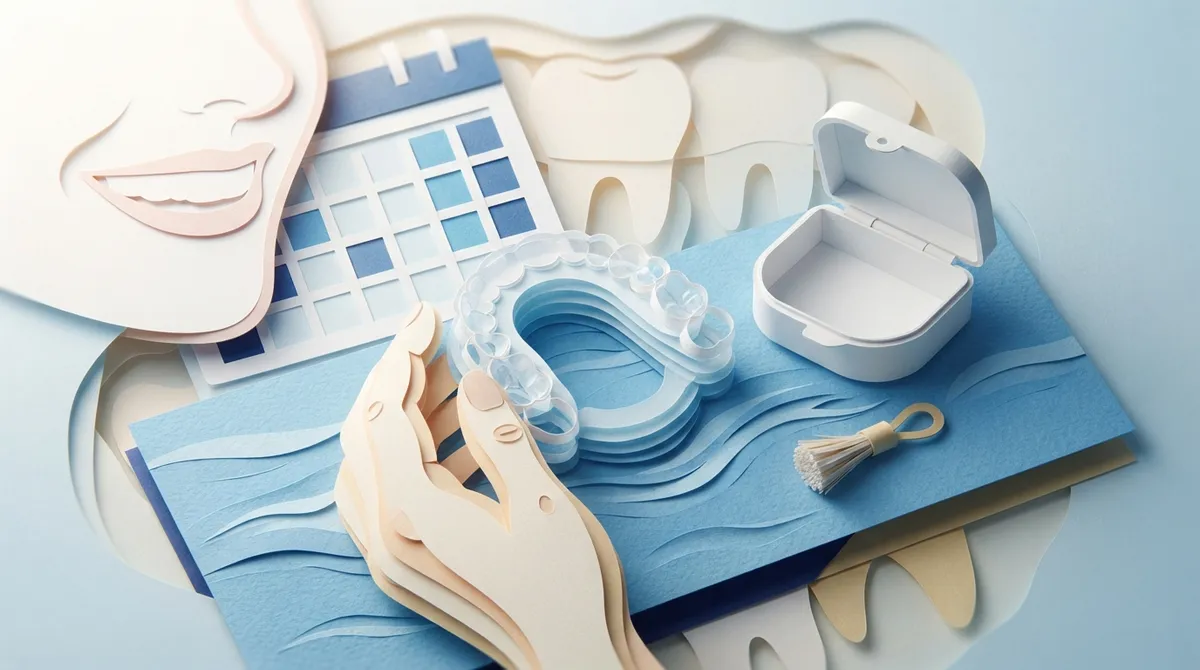
Wear your clear retainer nearly full-time (20-22 hours daily) for the first 3-6 months after braces, then switch to nightly wear indefinitely, as teeth naturally shift back to original positions without retention.
-
Clean your retainer daily with cool water and a soft toothbrush, using orthodontist-approved cleaning tablets weekly, but avoid toothpaste and harsh chemicals that can damage the plastic.
-
Store your retainer in a rigid, labeled case when not wearing it to prevent loss, warping, or pet damage; never wrap it in napkins or expose it to heat sources like hot water or car dashboards.
-
Contact your orthodontist immediately if your retainer cracks, doesn't fit, or feels too tight—forcing a damaged retainer onto teeth can cause pain and additional damage.
-
Skipping retainer wear for even a few weeks allows teeth to shift noticeably, potentially undoing months or years of orthodontic treatment and requiring costly retreatment later.
-
Build retainer habits by keeping your case on your nightstand, setting phone alarms, traveling with backup cases, and replacing your retainer when recommended by your orthodontist.
You just got your braces off. Your smile looks amazing, and you can’t stop smiling in the mirror. But before you get too comfortable, there’s one more step: your clear retainer. Many patients think the hard work ends when braces come off, but that’s actually when a new habit begins. Clear retainers after braces are the key to keeping your teeth exactly where your orthodontist worked so hard to put them.
At Brockway Orthodontics in Clearwater, we see it all the time. Patients finish treatment, feel thrilled, and then forget how important retainers really are. Teeth can shift faster than you’d think, sometimes within just a few months. This guide will walk you through everything you need to know about wearing, cleaning, and caring for your clear retainer so your smile stays as beautiful as the day your braces came off.
What Are Clear Retainers, Exactly?
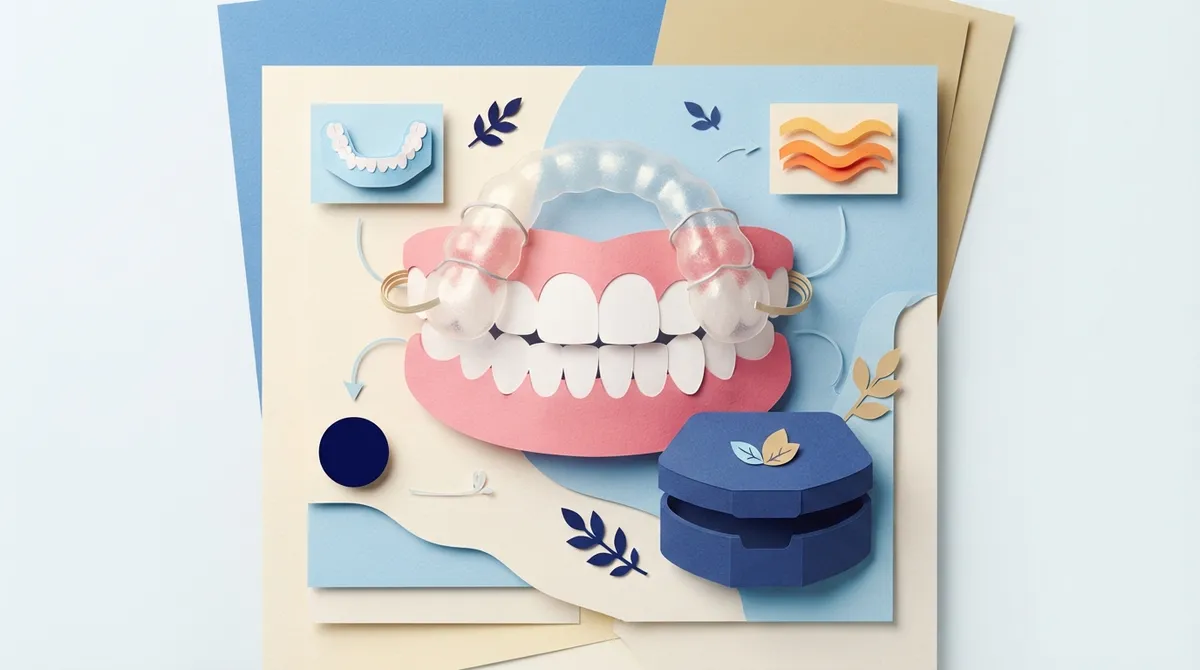
Clear retainers, sometimes called Essix retainers, are thin, see-through plastic trays. They’re custom-molded to fit your teeth perfectly. Unlike braces, they’re removable, which makes eating and brushing much easier.
Their whole job is simple: hold your teeth in place after braces or clear aligner treatment. Teeth don’t just stay put on their own after treatment. They naturally want to drift back toward their original position. A clear retainer stops that shift before it starts.
Many parents ask why their teen even needs a retainer if the braces already did the work. Think of it this way: braces move your teeth, but retainers keep them from moving back. Skipping this step can undo months or even years of hard work.
How Long Should You Wear a Clear Retainer After Braces?
This is probably the most common question we hear at our Clearwater office. The honest answer is: it depends on your case. But most orthodontists, including Dr. Brockway, follow a similar general pattern.
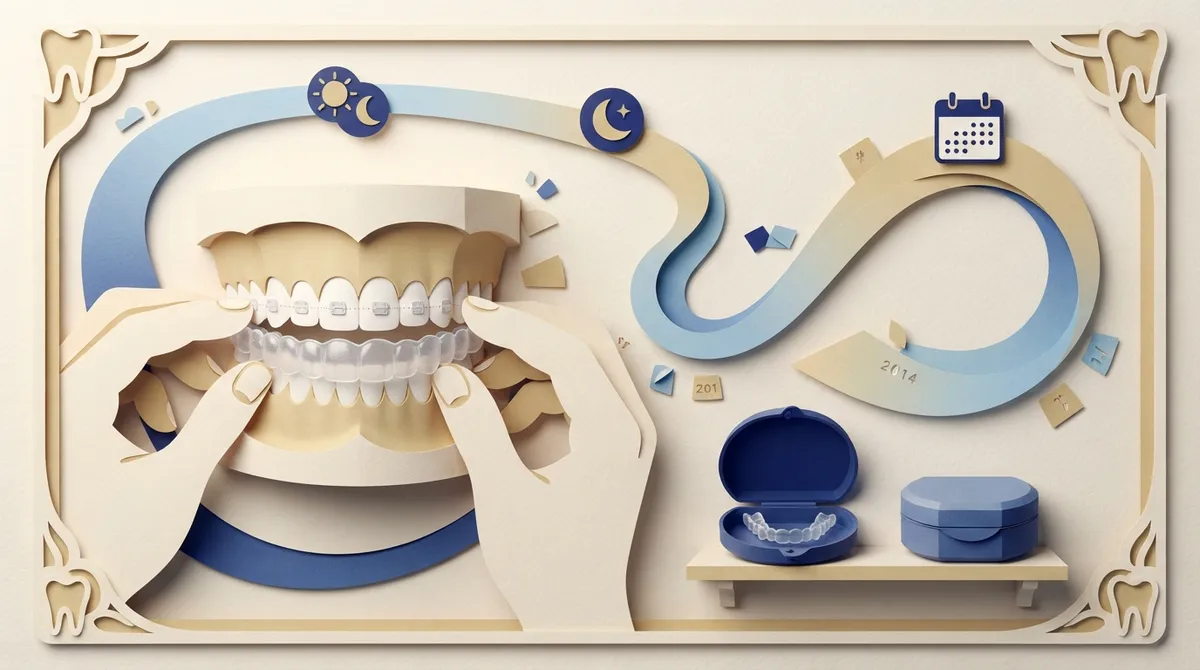
- First 3 to 6 months: Wear your retainer nearly full-time, about 20 to 22 hours a day. You’ll only take it out to eat, drink anything besides water, and brush your teeth.
- Next 6 to 18 months: Many patients shift to nighttime-only wear, or a reduced daytime schedule based on their specific needs.
- Long term: Nighttime wear usually continues indefinitely. Yes, that means basically forever.
According to the American Dental Association, consistent retainer wear is one of the simplest ways to protect your investment in orthodontic treatment. The American Association of Orthodontists also confirms that retainer wear frequency often decreases over time, but it rarely stops completely. Your teeth can shift due to aging, gum changes, and everyday bite forces, so lifelong retention is often the safest bet.
Every case is different, though. If you had a more complex bite issue, your orthodontist may suggest a slightly different plan. That’s why following your specific instructions from your orthodontist matters more than any general rule.
Why Skipping Retainer Wear Causes Relapse
We get it. After months or years of braces, wearing a retainer every night can feel like a chore. But here’s the truth: your teeth are still settling into their new bone and gum tissue for a while after treatment ends.
If you skip wear, even for just a week or two, you might notice your retainer feels tighter than before. That tightness is a warning sign. It means your teeth have already started shifting back. The longer you wait to fix it, the harder (and more expensive) the fix becomes.
This is exactly why we see so many adult patients coming back for retreatment. They had braces as teens, stopped wearing retainers in their 20s, and now their smile has relapsed. It’s completely fixable, but wouldn’t it be nicer to avoid that step altogether?
How to Clean Your Clear Retainer the Right Way
Cleaning your retainer daily isn’t optional. Bacteria and plaque build up on plastic just like they do on teeth. Here’s a simple routine that works:
- Rinse your retainer with cool or lukewarm water every time you take it out.
- Gently brush it with a soft toothbrush (a separate one from your regular toothbrush is a good idea).
- Use an orthodontist-approved cleaning tablet once or twice a week to fight buildup and odor.
- Avoid toothpaste, since it can be too abrasive and scratch the plastic.
- Never use bleach, alcohol-based mouthwash, or harsh chemicals on your retainer.
Skipping this routine doesn’t just cause bad smells. It can lead to bacteria buildup that affects your gum health too. A quick daily rinse and cleaning takes less than two minutes but makes a huge difference.
Why Hot Water Is Your Retainer’s Worst Enemy
This one surprises a lot of patients. Clear retainers are made from thermoformed plastic, which means heat can literally warp their shape. Boiling water, hot car dashboards, and even hot dishwashers can ruin the fit of your retainer in seconds.
If your retainer no longer fits after accidental heat exposure, don’t force it onto your teeth. A warped retainer that’s forced into place can actually cause more harm than good. Instead, contact your orthodontist right away for a replacement or adjustment.
Retainer Storage: Small Habit, Big Impact
One of the easiest ways to lose or damage a retainer is by not storing it properly. Wrapping it in a napkin might feel convenient, but napkins get thrown away all the time (we’ve heard plenty of sad stories from patients).
Here’s what we recommend instead:
- Always keep a rigid, labeled case with you.
- Store the retainer in its case whenever it’s not in your mouth.
- Keep pets away from your retainer. Dogs especially seem to love chewing them.
- Avoid leaving your retainer in direct sunlight or near heat sources.
These small habits prevent most of the common retainer disasters we see at our Clearwater practice.
Clear Retainers vs. Other Retention Options
Clear retainers aren’t the only option out there. Some patients get fixed, bonded retainers instead, which are thin wires glued behind the teeth. Others use Hawley retainers, which have a wire and acrylic base.
| Retainer Type | Removable? | Visibility | Maintenance |
|---|---|---|---|
| Clear (Essix) Retainer | Yes | Nearly invisible | Daily cleaning, careful storage |
| Bonded/Fixed Retainer | No | Hidden behind teeth | Requires floss threaders, dental checkups |
| Hawley Retainer | Yes | Visible wire and acrylic | Daily cleaning, durable long-term |
A 2023 review of orthodontic retention research found no single method works best for everyone. Your choice should depend on your relapse risk, oral hygiene habits, and personal preference. During your consultation, Dr. Brockway will help you figure out which retainer type fits your lifestyle best.
What to Do If Your Retainer Is Lost, Cracked, or Doesn’t Fit
Life happens. Retainers get left in restaurant napkins, chewed by dogs, or cracked after being sat on. If this happens to you, don’t panic, but also don’t wait too long to act.
Here’s what to do:
- Stop wearing the damaged retainer immediately if it’s cracked or doesn’t seat fully.
- Contact your orthodontist as soon as possible to schedule a replacement.
- Avoid forcing a tight retainer onto your teeth, since this can cause pain or damage.
- Ask about a temporary solution if you’ll need to wait a few days for a new one.
The longer you go without a properly fitting retainer, the more chance your teeth have to shift. Quick action is always your best move. If you’re dealing with a retainer emergency, feel free to reach out to our team for guidance.
Tips for Making Retainer Wear a Habit
Building a nightly retainer habit doesn’t have to feel like a burden. Here are a few tricks our patients swear by:
- Keep your retainer case on your nightstand as a visual reminder.
- Set a phone alarm for retainer time each night.
- Travel with a backup case so you never leave it behind at a hotel or friend’s house.
- Replace your retainer as soon as your orthodontist recommends, even if it still “seems fine.”
Small routines like these make a huge difference over time. Teens especially benefit from a simple, repeatable system since busy schedules can make it easy to forget.
How Brockway Orthodontics Supports Your Retention Journey
At Brockway Orthodontics, we don’t just hand you a retainer and send you on your way. We walk you through exactly how to wear it, clean it, and store it. Dr. Brockway takes time to explain your unique retention plan so you feel confident maintaining your smile long after treatment ends.
We proudly serve families throughout Clearwater, Florida, offering everything from traditional braces to Spark™ Clear Aligners, a more affordable alternative to other clear aligner brands. Whether you’re a parent bringing in your teen for their first set of braces or an adult exploring retreatment after relapse, our team is here to help.
Curious what other patients say about their experience? You can visit us on Google — Brockway Orthodontics to read real reviews from Clearwater families. We’re also active on Facebook and Instagram, where we share smile transformations and helpful orthodontic tips.
For general orthodontic education and provider verification, resources from the Florida Association of Orthodontists are also a great place to learn more about your care options and provider credentials.
Final Thoughts on Clear Retainers After Braces
Your retainer might feel like a small piece of plastic, but it plays a huge role in protecting your new smile. Wearing it as directed, cleaning it daily, and storing it safely will save you time, money, and frustration down the road.
If you’re not sure about your current retainer schedule, or if it’s cracked, lost, or just doesn’t fit right anymore, don’t wait. Our team at Brockway Orthodontics is happy to help you get back on track. We also recommend checking out helpful marketing insights from Brain Buzz Marketing if you’re a fellow small business owner looking to grow your online presence, since a strong online reputation matters just as much in healthcare as it does anywhere else.
Ready to talk retainers, braces, or your next smile goal? Book your appointment online today and let Dr. Brockway and our Clearwater team help you keep your smile exactly where it belongs.
FAQs
Q: How long should I wear a clear retainer after braces?
A: Most patients wear their clear retainer nearly full-time (20 to 22 hours a day) for the first 3 to 6 months. After that, many switch to nighttime-only wear, often for the long haul. Your orthodontist will tailor this schedule to your specific case, so always follow their exact instructions.
Q: Do I really need to wear my retainer every night forever?
A: In most cases, yes! Your teeth can shift throughout your whole life due to aging, gum changes, and everyday bite pressure. Think of nighttime retainer wear as a small, easy habit that protects years of hard work on your smile.
Q: Can hot water ruin my clear retainer?
A: Absolutely, and it happens more often than you’d think! Hot or boiling water can warp the plastic and change the fit completely. Always stick to cool or lukewarm water when rinsing or cleaning your retainer.
Q: What should I do if my retainer feels too tight or won’t fit?
A: Don’t force it onto your teeth, since this can cause pain or damage. A tight-feeling retainer usually means some shifting has already happened, so give your orthodontist a call right away for guidance.
Q: Are clear retainers better than permanent bonded retainers?
A: It really depends on your lifestyle and needs. Clear retainers are removable and nearly invisible, while bonded retainers stay in place all the time without daily effort. Your orthodontist can help you decide which option fits your smile goals best.
Our Service Area