
Key Takeaways
-
Stop wearing a damaged removable retainer immediately and save all broken pieces to bring to your orthodontist, as delayed action increases the risk of tooth shifting since 70-90% of patients experience some movement after treatment.
-
Never attempt DIY repairs with super glue or heat, and avoid touching bonded retainers yourself; instead use orthodontic wax on poking wires and contact your orthodontist right away for professional evaluation and repair.
-
Call your orthodontist promptly when a retainer breaks to prevent tooth relapse, as the type of damage determines whether a quick repair is possible or a full replacement is needed.
-
Avoid common damage causes like storing retainers loose in pockets, chewing gum while wearing them, and exposing them to heat; proper storage and handling can significantly reduce future breakage.
Cracked your retainer while eating popcorn during a movie night? Or maybe you sat on it, stepped on it, or found your dog treated it like a chew toy. Whatever happened, take a breath. A broken retainer is stressful, but it’s also incredibly common, and it’s totally fixable with the right steps. At Brockway Orthodontics in Clearwater, we see this all the time, and we’re here to walk you through exactly what to do next so your smile stays on track.
Your retainer isn’t just a piece of plastic or wire. It’s the thing standing between your beautiful, straight smile and a slow shift back to where you started. Research shows that some degree of tooth movement happens in about 70% to 90% of cases after treatment ends, especially in the lower arch. That’s exactly why acting fast when your retainer breaks matters so much. Let’s get into the eight things you need to know.
1. Stop Wearing It If It’s Visibly Damaged
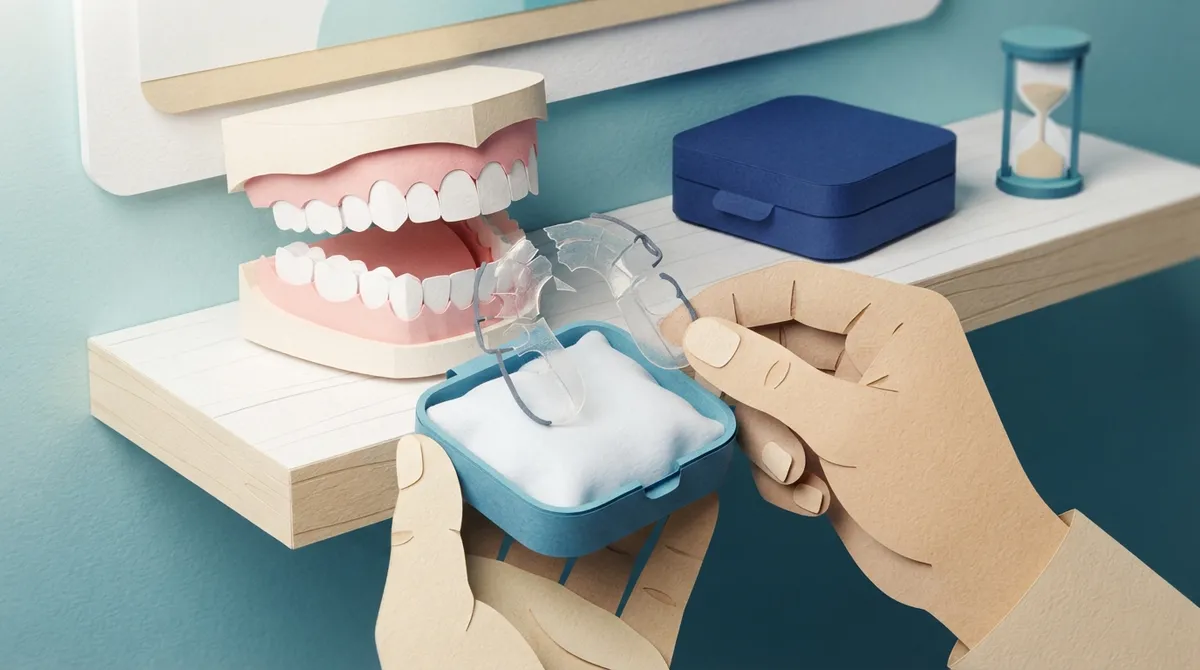
If your removable retainer is cracked, split, or missing a piece, don’t force it back into your mouth. A distorted appliance can press unevenly on your teeth, which might do more harm than good. This goes for both clear plastic trays and Hawley retainers with the wire and acrylic base.
Signs you should stop wearing it immediately include:
- Sharp edges or cracks you can feel with your tongue
- A piece that no longer snaps into place
- Noticeable pain or pressure that wasn’t there before
- Visible warping or a cloudy, worn-through appearance
Wearing a damaged retainer can irritate your gums or cheeks, too. It’s just not worth the risk when a quick call to your orthodontist can sort things out.
2. Never Touch a Bonded Retainer Yourself
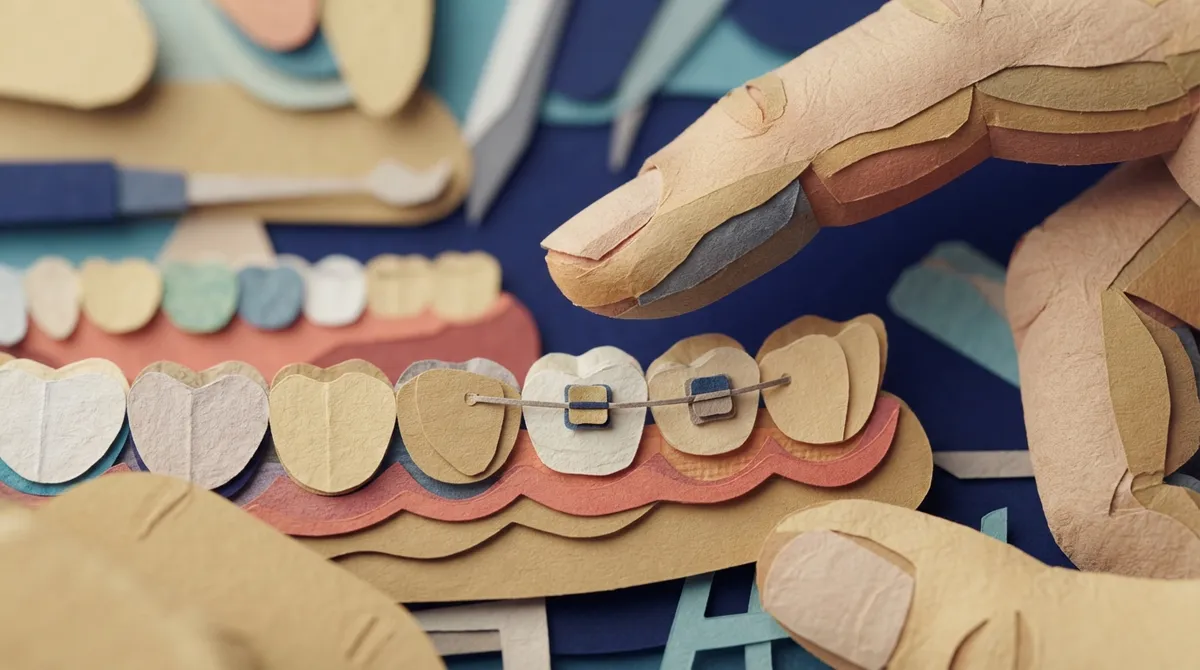
Permanent retainers, also called bonded or fixed retainers, are those thin wires glued behind your front teeth. If yours breaks loose or snaps, resist the urge to bend it, cut it, or pull it out. You could accidentally shift your teeth or hurt your gums.
If the wire is poking your tongue or cheek, orthodontic wax works great as a temporary buffer. Just press a small ball of wax over the sharp spot until you can get to your appointment. This little trick can make a huge difference in comfort while you wait.
3. Call Your Orthodontist Right Away
Time matters here. The sooner your orthodontist knows about the damage, the sooner they can help prevent your teeth from shifting. When you call, be ready to describe exactly what happened. Is the retainer cracked? Loose? Completely snapped in half?
This kind of detail helps the team prepare for your visit. If you’re a Brockway Orthodontics patient, our friendly team will get you scheduled quickly, because we know every day counts when it comes to protecting your results.
4. Save Every Piece, Even the Tiny Ones
Don’t toss broken retainer fragments in the trash! Keep them in a clean case and bring them to your appointment. Sometimes an orthodontist can repair a minor crack or a small bend in the wire, especially if the pieces are intact.
Here’s a simple checklist for handling the pieces:
- Gather all broken parts, even small chips
- Rinse them gently with water (skip the hot water)
- Store them in your retainer case or a clean container
- Bring everything to your appointment for evaluation
5. Understand What Can (and Can’t) Be Repaired
Not every broken retainer needs full replacement, but many do. Here’s a quick breakdown of what typically happens depending on the type of damage:
| Retainer Type | Minor Damage | Major Damage |
|---|---|---|
| Hawley (wire and acrylic) | Often repairable with a professional adjustment | Usually needs replacement |
| Clear plastic (Essix-style) | Rarely repairable due to material limits | Almost always replaced |
| Bonded/permanent wire | Can sometimes be rebonded if wire is intact | Requires removal and new wire fabrication |
A 2023 review of retention methods found that both fixed and removable retainers work well, but success depends heavily on appliance integrity and consistent wear. Regular checkups matter too, especially for bonded retainers that need periodic monitoring.
6. Skip the DIY Fixes
We get it, YouTube makes everything look easy. But please don’t try to fix a broken retainer with super glue, household adhesive, or by boiling it to reshape the plastic. These shortcuts can:
- Release harmful chemicals into your mouth
- Warp the material even further
- Change the pressure applied to your teeth in ways that cause new problems
- Make it impossible for your orthodontist to properly repair or assess the appliance
Leave the fixing to the professionals. Our team at Brockway Orthodontics has the tools and training to handle repairs safely, whether it’s a quick fix or a full retainer replacement.
7. Know When It’s a True Emergency
Most broken retainer situations aren’t emergencies, but a few situations need urgent attention. Head to an emergency dental provider or call your orthodontist immediately if:
- A wire is cutting into your gum, cheek, or tongue and won’t stop
- You or your child swallowed or inhaled a piece of the retainer
- There’s significant swelling, bleeding, or pain
- You’re having trouble breathing (this is a true emergency, call 911)
For everything else, a prompt call to schedule an evaluation is usually all you need. Our FAQ page covers more common questions if you want extra peace of mind before your visit.
8. Use a Backup Retainer the Right Way (If You Have One)
If you kept an older retainer from a previous phase of treatment and it still fits comfortably, your orthodontist might suggest wearing it temporarily. This can help hold your teeth in place while you wait for a replacement.
But here’s the catch: never force an old retainer over teeth that have already shifted. And please don’t grab a sports mouthguard as a substitute. It won’t apply the right pressure and could actually make things worse. When in doubt, ask your orthodontist before wearing any backup appliance.
Why Retainers Matter More Than You Think
Some patients wonder if skipping the retainer for a few days is really a big deal. Here’s the honest answer: it depends on the person. A 2025 predictive modeling report estimated that roughly 58% of orthodontic patients experience some relapse within 10 years. That number varies based on how relapse is measured, but it’s a good reminder that consistency counts.
Most orthodontists recommend near-full-time wear for the first six months after treatment, then tapering down to about 12 to 14 hours a day. Your specific schedule should always come from your treating orthodontist, since everyone’s teeth respond differently.
Common Reasons Retainers Break
Understanding what causes damage can help you avoid a repeat situation. The most frequent culprits include:
- Removing the retainer with dirty hands or sticky fingers
- Storing it loose in a pocket or backpack instead of a case
- Chewing gum or eating hard foods while wearing it
- Exposure to heat, like leaving it in a hot car
- Pets mistaking it for a toy (this happens more than you’d think!)
Being a little more careful with storage and handling can go a long way toward avoiding another break. If you’re new to wearing a retainer, our first visit guide has helpful tips for building good habits from day one.
What to Expect at Your Repair Appointment
When you come in for a broken retainer, your orthodontist will examine the damage, check how your teeth are currently positioned, and decide the best path forward. This might mean a quick repair, a same-day fix, or new impressions for a replacement.
At Brockway Orthodontics, we pride ourselves on making this process as smooth as possible. Dr. Brockway and her team understand that a broken retainer can feel like a small crisis, especially if you’re worried about losing progress. We’ll walk you through your options clearly, answer every question, and get you back on track quickly.
Want to see what our Clearwater patients say about their experience? You can visit us on Google — Brockway Orthodontics to read real reviews from families just like yours. We also share smile updates and orthodontic tips on Instagram if you want a peek behind the scenes.
If you’re searching for guidance beyond our practice, the Florida Association of Orthodontists offers helpful resources for finding qualified specialists across the state, which can be useful if you’ve moved or are looking for a second opinion.
Keep Your Smile Protected for the Long Haul
A broken retainer doesn’t have to derail your progress. Stop wearing damaged removable appliances, protect any poking wires with orthodontic wax, save every piece, and reach out to your orthodontist as soon as possible. Skip the glue and the DIY fixes, and trust the professionals to get you back to a comfortable, confident smile.
If your retainer breaks or you just have questions about keeping your smile straight for years to come, our Clearwater team is ready to help. Book appointment online today and let Dr. Brockway and her team take great care of you, just like they do for so many families throughout Pinellas County.
FAQs
Q: What should I do if my retainer breaks?
A: First, stop wearing it if it’s cracked, sharp, or doesn’t fit right anymore. Save all the pieces, and give your orthodontist a call as soon as you can so they can figure out the best fix for you.
Q: Can I fix a broken retainer with super glue or dental adhesive?
A: Please don’t! Household glues and heat can release harmful chemicals or warp the material even more. It’s always safer (and honestly easier) to let your orthodontist handle the repair.
Q: What should I do if my permanent retainer wire is poking me?
A: Grab some orthodontic wax and press a small piece over the sharp spot for temporary relief. Then call your orthodontist to get it checked out, since you shouldn’t try to bend or remove the wire yourself.
Q: How long can I go without wearing my retainer before my teeth shift?
A: It really varies from person to person, but even a short break can allow some movement, especially in the lower teeth. The safest bet is to get a replacement or repair scheduled as quickly as possible.
Q: Can I use my old retainer while waiting for a replacement?
A: If an older retainer still fits comfortably, your orthodontist might say it’s okay to use temporarily. Just never force one over teeth that have already shifted, and always check with your orthodontist first.
Our Service Area