Key Takeaways
-
Adult orthodontic patients now comprise 30% of all orthodontic cases nationwide, with treatment numbers jumping 16% in just two years, making it an increasingly common choice for smile correction.
-
Clear aligners account for 23% of orthodontic treatment starts and require 20-22 hours daily wear to be effective, demanding significant commitment despite their convenience and discretion.
-
Metal braces remain the most reliable option for complex alignment and bite problems, while ceramic braces offer a less noticeable alternative with similar effectiveness but require extra care to prevent staining.
-
Retainers are essential after treatment as teeth can shift even years later; adult relapse is common, and consistent retainer wear protects your investment long-term.
-
A professional orthodontic evaluation is crucial for adults because existing dental work, gum disease, or bone loss may require additional care before or alongside braces treatment.
-
Treatment choice depends on case severity, lifestyle demands, budget, appearance preferences, and oral health history—not all options work equally well for every patient's specific needs.
So you’re thinking about braces as an adult? Welcome to the club! You are definitely not alone on this journey. In fact, more grown-ups than ever are choosing to straighten their smiles later in life, and honestly, it’s kind of exciting to see. Recent data suggests adult patients now make up about 30% of all orthodontic patients nationwide, and adult treatment numbers have jumped roughly 16% in just two years. Maybe you skipped braces as a teen, or perhaps your smile has shifted since your last treatment. Either way, finding the best teeth braces for adults starts with understanding your options and what fits your unique life.
Here’s the good news: there isn’t just one “best” choice that works for everyone. The right braces depend on your bite, your smile goals, your budget, and even your daily schedule. At Brockway Orthodontics in Clearwater, we love helping adults figure out exactly which path makes sense for them. Let’s walk through your options together, so you can feel confident and excited about your smile transformation.

Why So Many Adults Are Choosing Braces Now
Adults today have busy lives filled with careers, family, and social commitments. Yet more of them are prioritizing their smile than ever before. Why the shift? Modern orthodontic options are more comfortable, more discreet, and often faster than what was available years ago.
Many adults also realize that a healthy bite matters just as much as a pretty smile. Crooked teeth can lead to jaw pain, uneven wear, and even trouble cleaning your teeth properly. Fixing these issues now can save you headaches (literally) down the road. If you want to dig deeper into this trend, check out our article on why so many adults are getting orthodontic treatment in 2026.
Types of Braces for Adults: A Friendly Breakdown
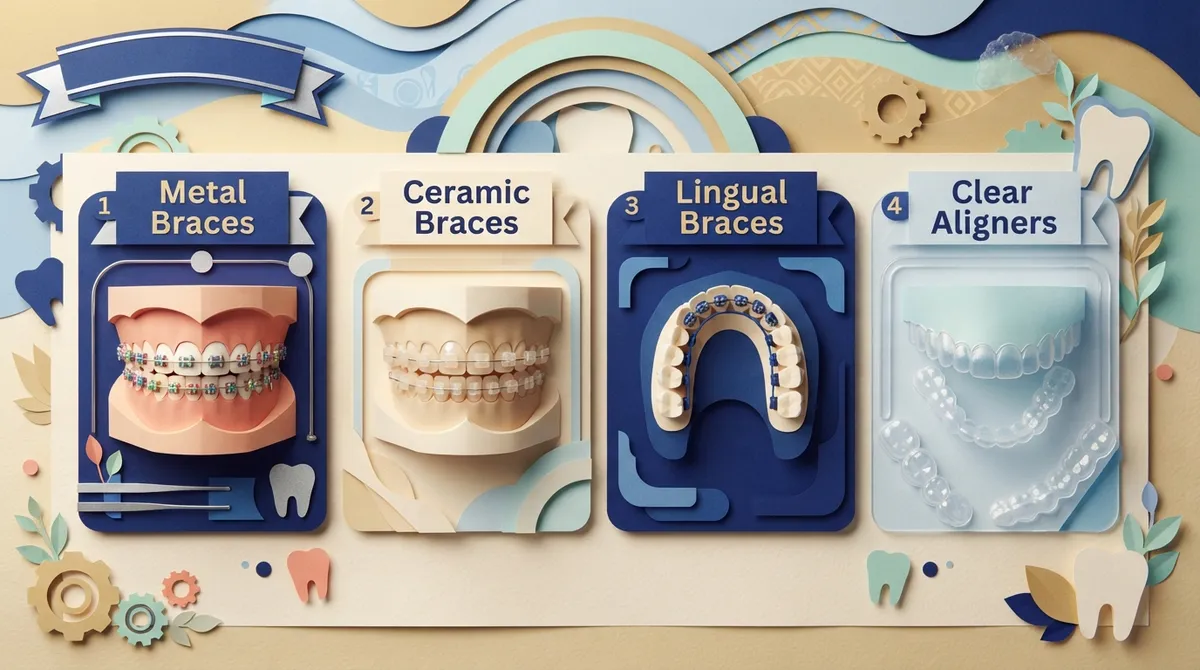
Let’s talk about your main choices. Each type has its own strengths, and none of them is universally “better” than the rest. It really comes down to your specific needs.
Traditional Metal Braces
Metal braces have come a long way from the clunky designs of the past. Today’s brackets are smaller, sleeker, and more comfortable. They remain one of the most reliable options because they can fix nearly any alignment or bite problem, including complex cases.
Since metal braces are fixed to your teeth, you don’t have to worry about remembering to wear them. They just do their job every single day. Many adults appreciate this hands-off approach, especially those juggling packed schedules. Learn more about this classic option in our guide to all about braces.
Ceramic (Clear) Braces
If you love the reliability of metal braces but want something less noticeable, ceramic braces might be your answer. These use tooth-colored or clear brackets that blend in with your natural smile. They work the same way as metal braces but attract a lot less attention.
One thing to keep in mind: ceramic brackets can be a bit more fragile than metal ones. They may also need extra care to avoid staining, especially if you enjoy coffee, tea, or red wine. Curious about the difference? Read our comparison on metal vs. clear braces for adults.
Lingual Braces
Lingual braces sit behind your teeth instead of in front. This means they’re basically invisible to anyone looking at you. They’re a great pick for adults who need fixed-appliance treatment but really want to keep it under wraps.
That said, lingual braces can take some getting used to. Some patients notice tongue irritation at first, and speech may feel a little different during the adjustment period. Cleaning around lingual brackets can also be trickier, so good oral hygiene habits are a must.
Clear Aligners
Clear aligners have become incredibly popular with busy adults, and it’s easy to see why. These removable trays are nearly invisible and let you eat, brush, and floss without any extra hassle. According to the American Association of Orthodontists, aligners accounted for about 23% of orthodontic treatment starts in 2024.
The catch? You need to wear them consistently, about 20 to 22 hours a day, for them to work properly. That means real commitment on your part. At Brockway Orthodontics, we proudly offer Spark™ Clear Aligners, a comfortable and affordable option for adults who want a discreet path to a straighter smile.
Comparing Your Options at a Glance
Sometimes seeing everything side by side makes the decision easier. Here’s a simple breakdown of how these options stack up.
| Braces Type | Visibility | Best For | Typical Treatment Time | Maintenance Level |
|---|---|---|---|---|
| Metal Braces | Most visible | Complex bite and alignment issues | 18-36 months | Moderate; diet changes needed |
| Ceramic Braces | Less visible | Moderate cases wanting a subtle look | 18-36 months | Moderate; watch for staining |
| Lingual Braces | Hidden behind teeth | Adults prioritizing appearance | 18-36 months | Higher; harder to clean |
| Clear Aligners | Nearly invisible | Mild to moderate crowding or spacing | 12-24 months | High; requires discipline |
How to Choose the Right Braces for Your Smile
Picking the best teeth braces for adults isn’t a one-size-fits-all decision. Here are the key factors worth thinking through:
- Severity of your case: Complex rotations, bite issues, or major spacing problems often respond best to fixed braces.
- Your lifestyle: If you travel often or have a demanding job, removable aligners might fit better, as long as you can stick to the wear schedule.
- Budget: Costs vary by treatment type, so it helps to review your financing and insurance options early on.
- Appearance preferences: Some adults don’t mind visible brackets, while others strongly prefer something discreet.
- Oral health history: Gum disease, missing teeth, or dental work can affect which treatments are appropriate for you.
The only real way to know what’s right for you is through a professional evaluation. This is where Dr. Brockway’s expertise really shines. She’ll assess your teeth, gums, bite, and even take X-rays to build a treatment plan made just for you. Learn more about what happens during your first visit.
What Happens During Your Orthodontic Evaluation
Getting started is easier than you might think. Here’s what a typical evaluation looks like:
- You’ll meet with Dr. Brockway to discuss your smile goals and any concerns about your bite or alignment.
- She’ll examine your teeth, gums, and jaw to check for crowding, spacing, or bite problems.
- Digital X-rays and images help create a clear picture of your bone support and root positions.
- Dr. Brockway will explain your treatment options, including estimated timelines and costs.
- Together, you’ll choose the plan that best matches your goals and lifestyle.
This process helps rule out any complications, like gum disease or bone loss, that might require additional care before starting braces. Adults sometimes need this extra step more than teens, since years of wear and tear can affect the mouth differently. For more on this, our adult treatment page walks through what to expect.
Common Adult Orthodontic Concerns Addressed
Adults often have a few worries that teens simply don’t think about. Let’s tackle the big ones.
Can You Get Braces With Fillings, Crowns, or Missing Teeth?
Yes, in most cases! Braces can typically work around existing dental work. Dr. Brockway will review your full dental history and coordinate with your dentist if needed to make sure everything moves safely and effectively.
What About Gum Disease or Bone Loss?
These issues need to be addressed before or alongside orthodontic treatment. Healthy gums and adequate bone support are essential for teeth to move properly and safely. This is one more reason a thorough exam matters so much for adults.
Will Treatment Hurt?
Most patients feel some pressure or mild soreness after adjustments, but it typically fades within a few days. Both braces and clear aligners are far more comfortable today than they were even a decade ago, thanks to better materials and smoother designs.
Caring for Your Braces or Aligners
No matter which option you choose, good habits make a big difference in your results. The American Dental Association recommends brushing at least twice daily and flossing every day, which becomes even more important with orthodontic appliances in place.
Here are some simple tips to protect your smile during treatment:
- Brush after every meal when possible, especially with fixed braces.
- Floss daily, using floss threaders or water flossers if brackets make it tricky.
- Avoid sticky, hard, or crunchy foods that could damage brackets or wires.
- Clean aligner trays daily with a gentle solution, not hot water, which can warp them.
- Keep up with regular dental checkups alongside your orthodontic visits.
Skipping these steps can lead to plaque buildup, cavities, or gum inflammation. Nobody wants that after investing time and money into a straighter smile!
Life After Braces: The Retention Phase
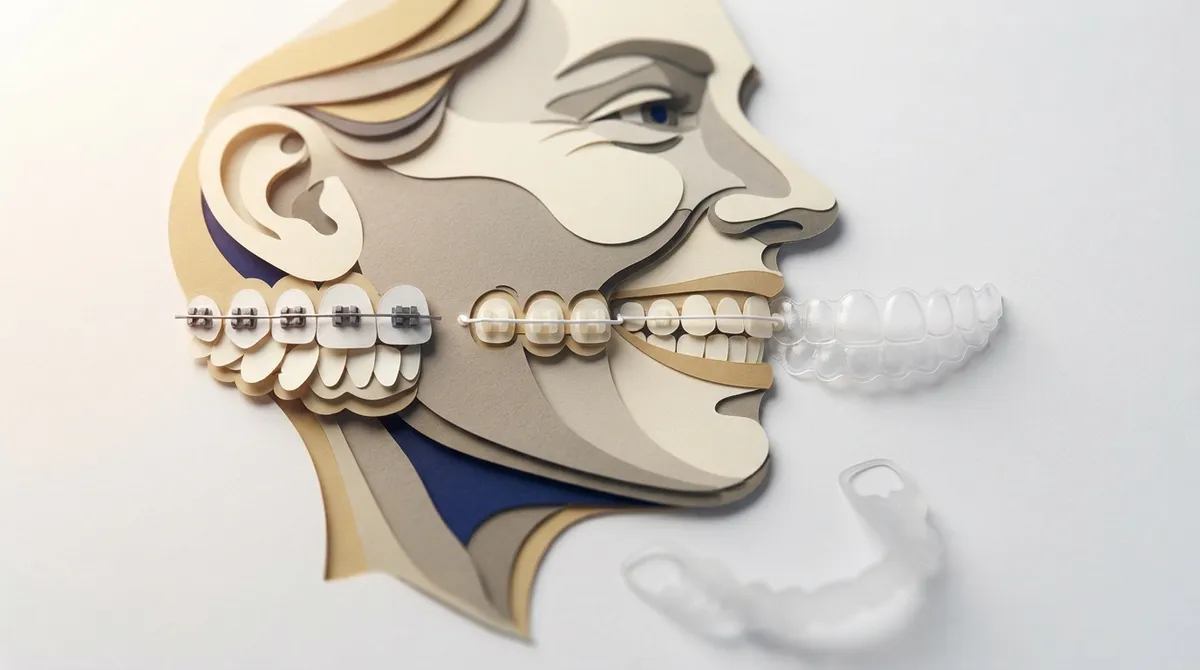
Here’s something many adults don’t expect: your teeth can shift even after your braces come off. That’s why retainers are such a crucial part of the process. Whether you choose a removable or fixed retainer, wearing it as directed helps protect your investment for years to come.
Adults who’ve had orthodontic relapse understand this all too well. If your teeth have drifted since a previous treatment, you’re not alone, and it’s never too late to fix it. Explore our retainers page to learn how to keep your smile looking great long term.
Why Clearwater Adults Choose Brockway Orthodontics
Dr. Brockway brings genuine warmth and expertise to every patient interaction. She takes time to listen to your goals, answer your questions, and explain your options in a way that actually makes sense. No confusing jargon, just honest, friendly guidance.
Our Clearwater practice uses modern technology like digital impressions and 3D imaging, so you skip the messy molds and get a more precise treatment plan from day one. We also offer same-day treatment options in certain cases, because we know your schedule is valuable. Curious what other patients think? You can visit us on Google — Brockway Orthodontics to read real reviews from our community.
We’re also proud members of organizations like the Florida Association of Orthodontists, which helps us stay current on best practices and continuing education. You can also follow along with patient stories and smile transformations on our Facebook page or connect with us on LinkedIn.
Making Your Decision With Confidence
Choosing the best teeth braces for adults doesn’t have to feel overwhelming. Think of it as a partnership between you and your orthodontist. You bring your goals and lifestyle needs, and Dr. Brockway brings the expertise to guide you toward the right treatment.
Whether you’re drawn to the reliability of metal braces, the subtlety of ceramic options, or the flexibility of Spark™ Clear Aligners, there’s a path forward that fits your life. And remember, this investment isn’t just about looks. A properly aligned bite supports better oral health for years to come.
Ready to take the next step toward your best smile? Book appointment online today and let’s chat about which option feels right for you. Or if you have questions first, feel free to contact us and our friendly Clearwater team will be happy to help.
FAQs
Q: What are the best braces for adults with crowded teeth?
A: It really depends on how severe the crowding is! Mild to moderate crowding often responds well to clear aligners, while more complex crowding may need traditional metal or ceramic braces. Dr. Brockway can assess your specific case and recommend the best fit for you.
Q: Are clear aligners or metal braces better for adults?
A: Neither one is universally better, it truly comes down to your bite complexity and lifestyle. Clear aligners offer more discretion and flexibility, while metal braces handle complex cases with great reliability. We’re happy to walk you through both options during a consultation.
Q: How much do braces cost for adults, and does insurance cover them?
A: Costs vary based on the type of treatment and your specific needs, so it’s tough to give one number. Many dental insurance plans offer partial coverage, and we also provide flexible financing options to help make treatment affordable for your budget.
Q: How long does adult orthodontic treatment take?
A: Treatment time varies quite a bit depending on your case! Many aligner treatments take about 12 to 24 months, while fixed braces often run 18 to 36 months. Your specific timeline will depend on complexity and how consistently you follow your treatment plan.
Q: Will my teeth move again after adult braces are removed?
A: It’s possible, which is exactly why retainers matter so much! Teeth can shift over time without proper retention, even years after treatment ends. Wearing your retainer as directed is the best way to protect your beautiful new smile for the long haul.
Our Service Area