Key Takeaways
-
Wear your retainer consistently as prescribed for the first few months full-time, then transition to nighttime-only wear; retention is a lifelong commitment even though wear frequency decreases over time.
-
Remove your retainer before eating or drinking anything besides plain water to prevent food particles from getting trapped and to protect the appliance from damage caused by chewing stress.
-
Clean your retainer daily with cool water and a soft toothbrush using retainer-safe cleaner—never use toothpaste, hot water, or bleach, as these can warp or scratch the material.
-
Contact your orthodontist immediately if your retainer feels tight, loose, or doesn't fit properly; forcing an ill-fitting retainer can cause damage or discomfort and lead to tooth shifting.
-
Store your retainer in a ventilated case away from heat, pets, and direct sunlight; fixed bonded retainers have a 35-54% failure rate, so regular checkups help catch problems early.
-
Choose your retainer type based on your specific treatment, bite, lifestyle, and oral hygiene habits rather than assuming one design works best for everyone—personalized recommendations matter most.
Congratulations! If you just finished braces or Spark™ Clear Aligners, that shiny new retainer in your hand is the last piece of your smile puzzle. Getting a new retainer feels like graduation day, but it’s actually the start of an important new job: keeping your teeth exactly where your orthodontist worked so hard to put them. We know it can feel confusing at first. What type do you have? How long do you wear it? What happens if it cracks or doesn’t fit right?
Here at Brockway Orthodontics in Clearwater, we treat every retainer question like it matters, because it does. Teeth can shift for many reasons, including normal bone changes, aging, and even your bite settling over time. A new retainer is your best defense against that shifting. This guide will walk you through everything you need to know, from types and wear schedules to cleaning tips and warning signs, so your smile stays as gorgeous as the day your braces came off.
What Is a New Retainer and Why Do You Need One
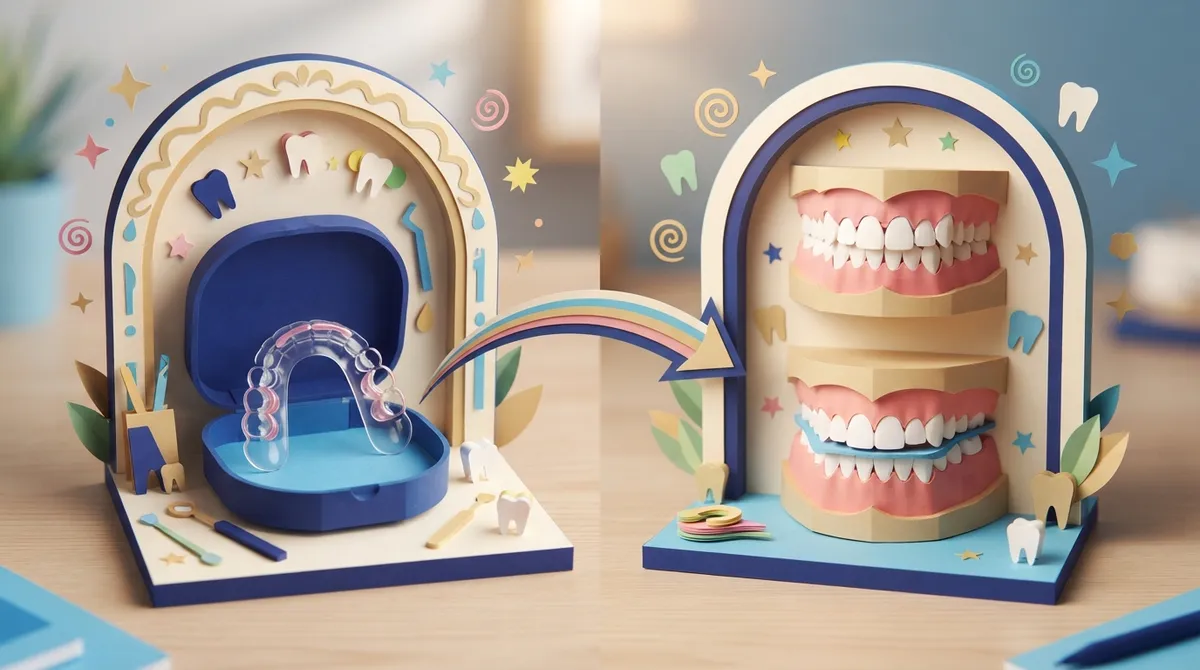
A new retainer is a custom appliance your orthodontist gives you after braces or clear aligner treatment. Its job is simple: hold your teeth in their new, corrected positions. Without one, your teeth can slowly drift back toward their old spots. This happens because of normal changes in your gums, bone, and jaw as you age.
Many patients ask why they need a retainer at all after finishing treatment. The truth is, relapse risk never fully disappears. Your teeth are held in place by soft tissue and bone that continue to remodel throughout your life. That is why the American Dental Association and orthodontic specialists agree that retention is a lifelong commitment, even if the amount of wear decreases over time.
Types of New Retainers Explained
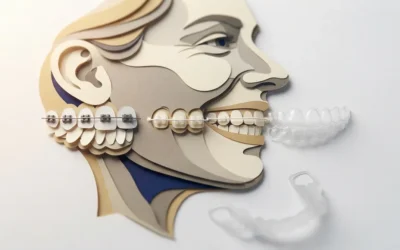
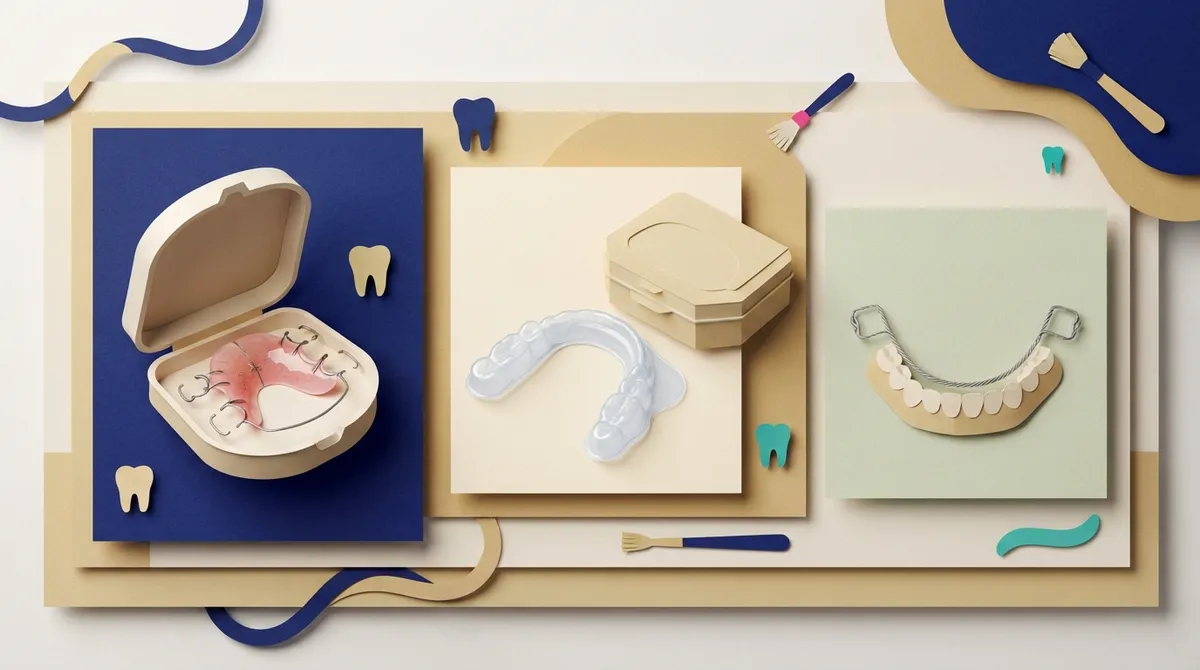
Not all retainers look or work the same way. Your orthodontist will recommend the best option based on your treatment, bite, and lifestyle. Here are the three main types you might receive.
Removable Clear Plastic Retainers
These are thin, clear, vacuum-formed trays that fit snugly over your teeth. They are popular because they are nearly invisible and easy to clean. Many patients love how comfortable and simple these are for daily use.
Hawley Retainers
A Hawley retainer uses a sturdy acrylic base with a metal wire that wraps around your front teeth. These retainers are durable and can be adjusted by your orthodontist if small changes are needed. Some patients like that they can be personalized with fun colors.
Fixed or Bonded Retainers
This type is a thin wire bonded directly behind your front teeth, usually on the lower arch. It works around the clock without you having to remember to wear anything. However, it requires careful brushing and flossing around the wire, and it can occasionally come loose.
Many patients receive a combination, such as a bonded retainer on the bottom and a removable one on top. Our retainer services page has more details on which option might suit your smile best.
| Retainer Type | Pros | Cons |
|---|---|---|
| Removable Clear Plastic | Nearly invisible, easy to clean, comfortable | Depends on consistent wear, can be lost |
| Hawley | Durable, adjustable, customizable colors | More visible, bulkier feel |
| Fixed/Bonded | No daily compliance needed, always working | Harder to clean, can debond over time |
How Long Should You Wear Your New Retainer
Wear schedules are not one-size-fits-all. Your orthodontist will create a plan based on your specific case. That said, most patients follow a general pattern:
- Full-time wear for the first few months, removing it only to eat and clean your teeth.
- Transition to nighttime-only wear once your orthodontist confirms your teeth have settled.
- Long-term or indefinite nighttime wear to protect against ongoing shifting.
Research backs up this cautious approach. A 2023 Cochrane review found that evidence comparing retention methods is often low or very low certainty, and few studies track results beyond two years. This means playing it safe with consistent wear really does matter. The American Association of Orthodontists notes that retainers are typically needed for a lifetime, even though the amount of wear can decrease as time goes on.
Signs Your New Retainer Fits Correctly
A well-fitting retainer should feel snug but never painful. Here is what a good fit looks like:
- No sharp edges poking your gums or cheeks
- No rocking or wobbling when you bite down
- No visible gaps between the retainer and your teeth
- Comfortable pressure without pinching or squeezing
If your retainer feels tight, loose, or simply wrong, do not force it. This could mean your teeth have shifted slightly, the plastic has warped, or the appliance needs an adjustment. Forcing a retainer that does not fit can actually cause damage or discomfort. Instead, reach out to your orthodontic team right away.
How to Clean and Store Your New Retainer
Good habits now will help your retainer last much longer. Follow these simple steps:
- Rinse your retainer with cool or lukewarm water after removing it.
- Brush gently with a soft toothbrush and a retainer-safe cleaner (never toothpaste, which can scratch plastic).
- Soak occasionally in a retainer cleaning solution if recommended by your orthodontist.
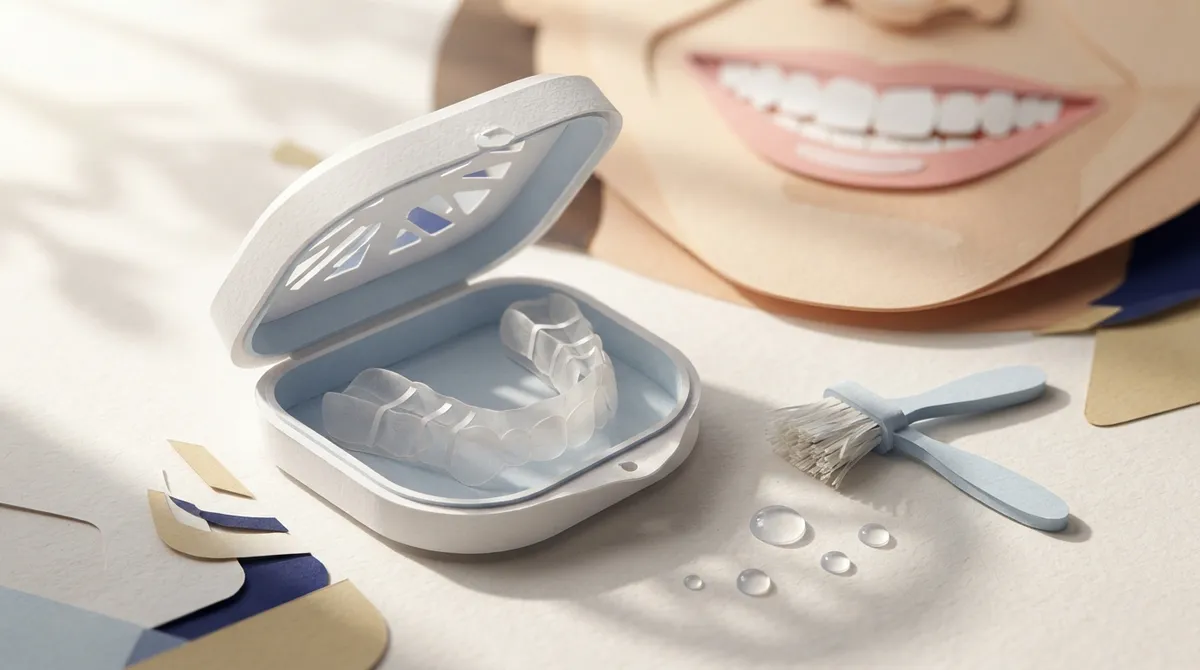
- Store it in a ventilated case whenever it is out of your mouth.
- Keep it away from pets, since dogs and cats often chew or swallow retainers.
Never use hot water, the dishwasher, or bleach on plastic retainers. Heat can warp the material and ruin the fit. For fixed retainers, focus on careful flossing or interdental brushing around the wire, and keep up with regular checkups so your orthodontist can spot any early wear.
What to Do If Your Retainer Breaks or Doesn’t Fit
Retainers are tough, but they are not indestructible. A 2023 systematic review found that fixed bonded retainers had an overall failure rate of about 35%, and that number climbed to nearly 54% in studies with longer follow-up periods. Failure was slightly more common on the lower arch than the upper arch. These numbers simply remind us that checkups matter, not that retainers are unreliable.
If something feels off, here is what to do:
- Loose or broken wire on a bonded retainer: call your orthodontist promptly rather than trying to fix it yourself.
- Cracked or warped plastic retainer: stop wearing it and schedule a replacement.
- Retainer no longer fits: your orthodontist will check whether your teeth shifted or the appliance needs remaking.
Our detailed guide on what to do if your retainer breaks walks through emergency steps you can take before your appointment. If you are unsure whether your situation counts as urgent, our article on emergency versus routine orthodontics can help you decide.
Can You Eat or Drink With a Removable Retainer In
Generally, you should remove your retainer before eating or drinking anything besides plain water. Food particles can get trapped, and chewing puts extra stress on the plastic or acrylic. Sugary drinks left sitting against your retainer can also encourage bacteria growth. Always follow your orthodontist’s specific instructions, since some cases may differ slightly.
How Much Does a New Retainer Cost
Replacement costs vary depending on the type of retainer and your orthodontist’s fee structure. Many practices do not include retainer replacements in the original treatment package, and insurance coverage for replacements is often limited. It is always smart to ask about pricing during your consultation so there are no surprises later. If cost is a concern, ask about financing and insurance options that may help spread out the expense.
Choosing the Right Retainer for Your Lifestyle
Evidence does not show that one retainer design works best for everyone. A 2020 meta-analysis found that both fixed and removable retainers were effective at maintaining alignment over 6 to 24 months, with fixed retainers showing a slight edge in some measurements. The right choice depends on:
- How much your teeth moved during treatment
- Your personal risk of relapse
- Your daily habits and oral hygiene routine
- Comfort and appearance preferences
- Your orthodontist’s clinical recommendation
This is exactly why personalized care matters so much. At Brockway Orthodontics, Dr. Brockway takes time to understand your specific situation before recommending a retainer type. She believes every patient deserves a plan built around their real life, not a generic template.
Why Trust Brockway Orthodontics With Your Retention Plan
Choosing the right orthodontist for your retainer care matters just as much as choosing one for braces. Dr. Brockway has built her Clearwater practice around genuine care, modern technology, and clear communication. Whether you are wrapping up treatment with traditional braces or finishing up with Spark™ Clear Aligners, our team will walk you through every step of the retention process.
We proudly serve families throughout Clearwater and the surrounding Pinellas County area. You can learn more about our approach on our services page, or see what real patients have to say by checking out Visit us on Google — Brockway Orthodontics. Following the guidance of organizations like the Florida Association of Orthodontists helps us stay current with best practices for retention care across our state.
Simple Habits That Keep Your Retainer Working
Small daily habits make a big difference over the years. Here is a quick recap to keep your smile protected:
- Wear your retainer exactly as prescribed, even when you feel busy or tired.
- Clean it gently every day with the right tools.
- Store it safely in its case, away from pets and heat.
- Bring it to every checkup so your orthodontist can inspect the fit.
- Call promptly if it breaks, loosens, or stops fitting well.
Following these steps protects the investment you already made in your smile. It also means fewer surprises and less spending on replacements down the road.
Ready to Get Your New Retainer or Schedule a Checkup
Your smile deserves lasting protection, and a properly fitted new retainer is the key to keeping it beautiful for years to come. Whether you need a first-time retainer after finishing treatment, a replacement for one that broke, or simply have questions about your current appliance, our friendly Clearwater team is here to help. We invite you to book an appointment online today and let Dr. Brockway create a retention plan built just for you. You can also get in touch with our team with any questions, and follow along with smile transformations on Facebook or Instagram. We cannot wait to help you protect that hard-earned, beautiful smile!
FAQs
Q: How long should I wear my new retainer after braces or Invisalign?
A: Most patients wear their new retainer full-time for the first few months, then switch to nights only once things settle. Your orthodontist will give you a personalized schedule, and staying consistent really pays off long term. Think of it as a gentle nightly habit, like brushing your teeth, that keeps your smile exactly where it belongs.
Q: What should I do if my new retainer doesn’t fit anymore?
A: Don’t force it! If your retainer feels tight, loose, or just plain wrong, give our office a call right away. It could mean your teeth shifted slightly, or the appliance needs a quick adjustment, and we’re happy to help figure it out together.
Q: How much does a new orthodontic retainer typically cost?
A: Costs vary depending on the type of retainer and whether it’s a first-time appliance or a replacement. We know unexpected costs can feel stressful, so we’re always happy to chat about pricing and financing options during your visit.
Q: Can I eat or drink while wearing my removable retainer?
A: It’s best to take your retainer out before eating anything besides plain water. This keeps food particles out and protects the plastic from extra wear. A quick rinse and a safe spot in your case, and you’re good to go!
Q: What happens if my bonded retainer breaks or comes loose?
A: First, don’t panic! A loose or broken bonded retainer is common and totally fixable. Just avoid chewing on that area and call our team so we can get you scheduled for a repair before your teeth have a chance to shift.
Our Service Area