
Key Takeaways
-
The American Association of Orthodontists recommends a first orthodontic check-up by age 7, when kids have mixed baby and adult teeth, allowing early detection of problems while jaw growth can still be guided.
-
Comprehensive braces treatment costs $3,000-$7,500 per person, with dental insurance typically covering 25-50% up to $1,500-$3,500 lifetime; many practices offer payment plans to spread costs across multiple family members.
-
Modern treatment options include traditional metal braces ($4,000-$6,000), ceramic braces ($4,500-$7,000), and clear aligners, each suited to different ages and lifestyle needs with varying visibility and cost.
-
Daily habits like regular check-ups, proper brushing/flossing, avoiding hard foods, and wearing retainers after treatment are equally critical for successful outcomes across all ages from children to adults.
Juggling orthodontic care for your whole family can feel like a lot. Maybe your seven-year-old just got a note home about crowded teeth. Your teenager wants straighter teeth before homecoming. And you’ve been secretly wondering if it’s too late for your own smile. Good news: you’re not alone, and you don’t need three different offices to get everyone taken care of.
Family dental braces simply means treating multiple people in one household through thoughtful, age-appropriate orthodontic care. At Brockway Orthodontics, we see this every day. Parents bring in their kids, then later come back for themselves once they see how easy and comfortable modern treatment can be. In this guide, we’ll walk through what family orthodontic care really looks like, what it costs, and how to make smart choices for everyone under your roof.
What Does Family Dental Braces Really Mean?
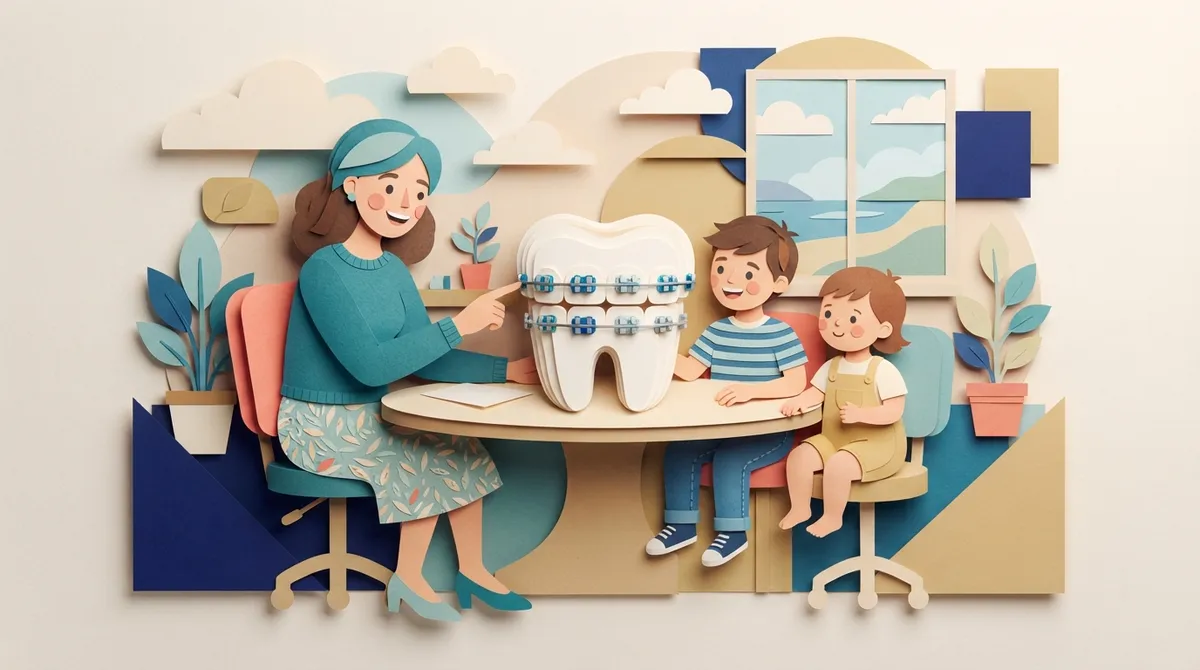
Family dental braces isn’t a single treatment. It’s a way of thinking about orthodontic care across every stage of life. A child’s growing jaw needs different attention than a teen’s crowded adult teeth or an adult’s shifted smile after years without a retainer.
Every person in your family has their own dental history, bite pattern, and goals. That’s why a good orthodontist builds a custom plan for each patient rather than a one-size-fits-all approach. Our services page breaks down the full range of treatments we offer for kids, teens, and adults alike.
Why Age Matters So Much
Jaw growth, tooth development, and bite problems look different at every age. Here’s a quick breakdown:
- Children (ages 7-10): Jaws are still growing, so early treatment can guide development.
- Teens (ages 11-17): Most permanent teeth are in, making this the classic time for full braces.
- Adults (18+): Jaw growth is done, but teeth can still move. Gum health and past dental work matter more here.
When Should Your Child First See an Orthodontist?
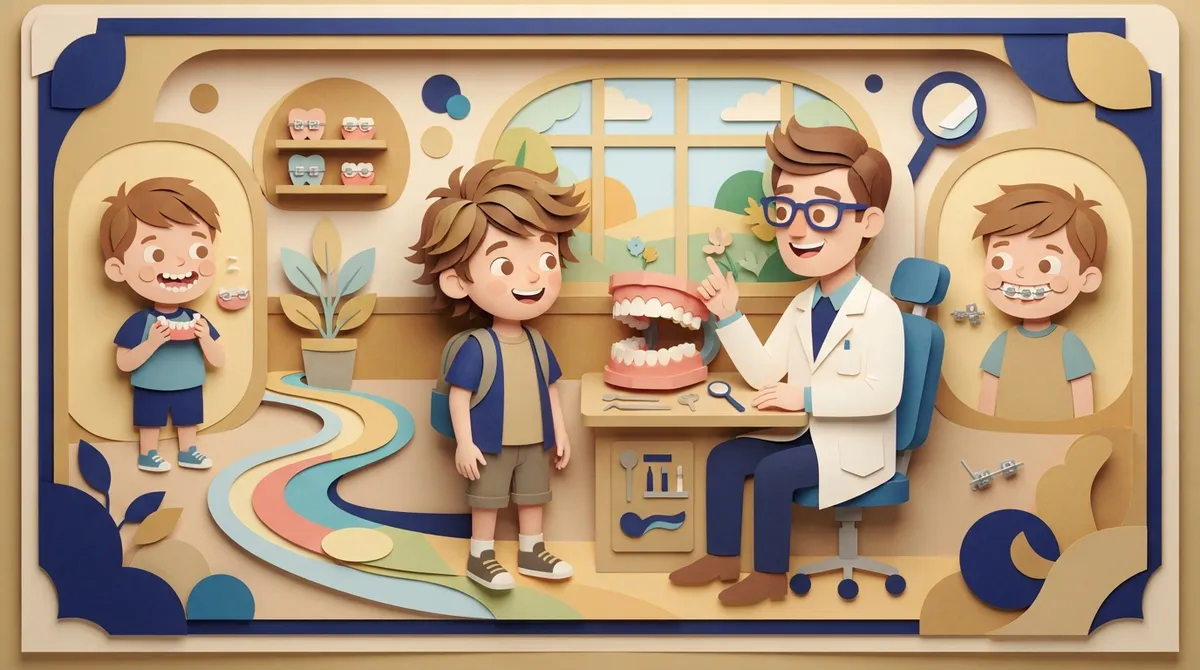
The American Association of Orthodontists recommends a first orthodontic check-up by age 7. At this age, kids usually have a mix of baby teeth and adult teeth. This lets an orthodontist spot problems early, while there’s still room to guide growth.
Don’t panic if your child gets this recommendation. An early visit does not mean your child needs braces right away. It’s mostly a screening. Many kids just get monitored every so often until they’re ready for full treatment. Our early treatment page explains what this monitoring looks like and when action might be needed.
Signs Your Child Might Need an Early Look
- Baby teeth falling out very early or very late
- Difficulty chewing or biting food
- Thumb-sucking habits past age 5
- Teeth that don’t come together properly when the mouth is closed
- Jaws that shift or make sounds
- Crowded, misplaced, or blocked-out teeth
If you notice any of these, it’s worth scheduling a visit sooner rather than later. Early treatment options can include palatal expanders, space maintainers, or partial braces. These tools work with your child’s growing jaw instead of against it.
Braces for Teens: The Classic Orthodontic Window
Most people picture teenagers when they think about braces, and for good reason. By the early teen years, most permanent teeth have come in. This makes it an ideal time to fix crowding, spacing, and bite issues.
Teens today have more choices than ever. Traditional metal braces remain a reliable, budget-friendly option. Ceramic braces blend in with tooth color for a more discreet look. Some teens also qualify for clear aligners like Spark™ Clear Aligners, which are nearly invisible and removable for eating and photos.
Our adolescent treatment page covers what to expect at each stage, from the first fitting to the final reveal. Many families also plan treatment around big events like graduation, so timing matters. It’s worth talking with your orthodontist early to map out a timeline that fits your teen’s schedule.
Braces for Adults: It’s Never Too Late
Here’s something a lot of adults don’t realize: your teeth can still move at any age. Jaw growth is finished, but the biology that lets orthodontists shift teeth works the same way it did when you were a teenager.
Adults come to us for many reasons. Some had braces years ago and stopped wearing their retainer, leading to relapse. Others never had treatment and are finally ready to invest in their smile. And plenty are busy professionals who want a treatment that fits quietly into their daily life. Our adult treatment page walks through options designed with grown-up schedules in mind.
Adult treatment does require a bit more planning. Your orthodontist will check for gum disease, bone loss, missing teeth, or old dental work before starting. This isn’t meant to scare you off. It just means your plan gets built around your specific mouth, not a generic template.
Comparing Braces Options for the Whole Family
Choosing the right appliance depends on your goals, budget, and lifestyle. Here’s a simple comparison to help guide the conversation with your orthodontist.
| Treatment Type | Best For | Visibility | Typical Cost Range |
|---|---|---|---|
| Traditional Metal Braces | Kids, teens, complex cases | Visible | $4,000-$6,000 |
| Ceramic Braces | Teens and adults wanting subtlety | Less noticeable | $4,500-$7,000 |
| Clear Aligners (like Spark™) | Teens and adults with mild-to-moderate needs | Nearly invisible | Varies by case |
| Early Interceptive Appliances | Children ages 7-10 | Varies | Often less than full braces |
Our All About Braces page dives deeper into each option, including day-to-day care tips. And if you’re still weighing braces against aligners, our guide on traditional braces vs. clear aligners can help narrow it down.
What Does Family Orthodontic Care Cost?
Cost is often the biggest question families have, and it’s a fair one. Comprehensive braces treatment in the U.S. generally runs about $3,000 to $7,500, depending on complexity, appliance type, and treatment length. Traditional metal braces typically cost $4,000-$6,000 without insurance, while ceramic braces run a bit higher at roughly $4,500-$7,000.
Dental insurance plans with orthodontic benefits often cover 25% to 50% of costs, usually up to a lifetime maximum between $1,500 and $3,500 per person. That means if you have multiple family members in treatment, your total out-of-pocket costs can add up, but many practices offer payment plans to spread things out.
Our financing and insurance page explains how we help families budget for treatment. We also recommend checking with the American Dental Association for general guidance on dental insurance basics, and the Florida Association of Orthodontists for regional resources on finding qualified care.
Tips for Managing Multi-Person Treatment Costs
- Ask about sibling or family discounts during your consultation
- Request a written treatment plan before starting, so there are no surprises
- Look into flexible spending accounts (FSAs) or health savings accounts (HSAs)
- Ask if your practice offers in-house payment plans with no interest
Keeping Family Orthodontic Care on Track
Once braces or aligners are on, success comes down to daily habits. This is especially true when you’re managing care for more than one person at home.
- Schedule regular check-up appointments and try not to skip them
- Brush and floss thoroughly after every meal, especially with fixed braces
- Avoid hard or sticky foods that can damage brackets and wires
- Wear removable appliances exactly as directed by your orthodontist
- Use retainers faithfully after active treatment ends to prevent relapse
These habits matter just as much for a seven-year-old with a palatal expander as they do for a forty-five-year-old wearing clear aligners. Our retainers page has more detail on why this final step is so important for locking in your results long-term.
Why Families in Clearwater Choose Brockway Orthodontics
Dr. Brockway believes orthodontic care should feel personal, not rushed. Every patient, whether they’re seven or seventy, gets a plan built around their own smile goals. We use modern technology like digital impressions and 3D imaging, so there’s no messy goop and no guesswork in your treatment plan.
We also know families are busy. That’s why we offer same-day treatment starts in many cases, so you’re not stuck scheduling multiple visits just to begin care. Whether you’re bringing in your child for a first screening or finally getting your own smile fixed after years of putting it off, our team walks you through every step in plain language.
Curious what other families in the area think? You can visit us on Google — Brockway Orthodontics to read real reviews from patients across Clearwater. You can also follow along on Instagram or connect with us on Facebook for smile transformations and community updates.
Your Next Step Toward a Healthier Family Smile
Getting orthodontic care for your whole family doesn’t have to be overwhelming. Start with one visit, one conversation, and one clear plan. From there, everything else falls into place. Our first visit page shows exactly what to expect, so you’ll know what’s ahead before you even walk through our door.
Ready to get your family started on the path to healthier, more confident smiles? Book appointment online today, or contact us with any questions. Dr. Brockway and our Clearwater team are here to make orthodontic care feel simple, welcoming, and worth every visit.
FAQs
Q: What age should a child first see an orthodontist for braces?
A: The American Association of Orthodontists recommends a first check-up by age 7. This early visit is mostly a screening, not a guarantee your child needs braces right away. It just helps the orthodontist catch any developing issues while there’s still time to guide growth.
Q: Can parents and kids get braces at the same orthodontic practice?
A: Absolutely! Many families love bringing everyone to one trusted office. At Brockway Orthodontics, we treat patients from age 7 through adulthood, so your whole family can get care in one comfortable, familiar place.
Q: How much do family dental braces cost without insurance?
A: Comprehensive braces treatment typically runs between $3,000 and $7,500 per person, depending on complexity and appliance type. We’re happy to walk you through a personalized estimate during your consultation, plus payment plan options if you’re treating multiple family members.
Q: What’s the difference between metal braces, ceramic braces, and clear aligners?
A: Metal braces are the classic, budget-friendly option with visible brackets and wires. Ceramic braces use tooth-colored materials for a subtler look. Clear aligners, like our Spark™ aligners, are nearly invisible and removable, which many teens and adults love for everyday convenience.
Q: Does dental insurance cover braces for both kids and adults?
A: Many dental plans with orthodontic benefits cover 25% to 50% of treatment costs, often with a lifetime maximum per covered person. Coverage varies a lot by plan, so it’s worth checking your specific benefits before starting treatment for any family member.
Our Service Area