Key Takeaways
-
Dental misalignment affects 56% of people worldwide and is often caused by a combination of genetics and environment rather than a single factor, making customized treatment plans essential.
-
Modern orthodontic options beyond traditional braces, such as clear aligners like Spark™, can effectively treat mild to moderate misalignment cases.
-
Children should have their first orthodontic evaluation around age 7 when a mix of baby and permanent teeth is present, allowing early detection of potential issues.
-
Consistent retainer use after braces or aligners is critical to prevent teeth from shifting back over time, making it an essential rather than optional step.
Have you ever caught yourself smiling in a photo, then quickly closing your lips because your teeth just don’t line up the way you’d like? You’re definitely not alone. Dental misalignment is one of the most common concerns we hear about at Brockway Orthodontics, and honestly, it’s nothing to feel embarrassed about. In fact, research suggests malocclusion (the clinical name for dental misalignment) affects roughly 56% of people worldwide, though estimates vary widely depending on the population studied. Whether you’re a parent watching your child’s smile change, a teen dreaming of straight teeth for graduation photos, or an adult who’s tired of hiding your smile in meetings, understanding what causes misalignment is the first step toward fixing it. In this friendly guide, we’ll walk through what dental misalignment really means, why it happens, and what modern orthodontic care can do about it. Grab a cup of coffee, get comfortable, and let’s talk teeth.
What Exactly Is Dental Misalignment?
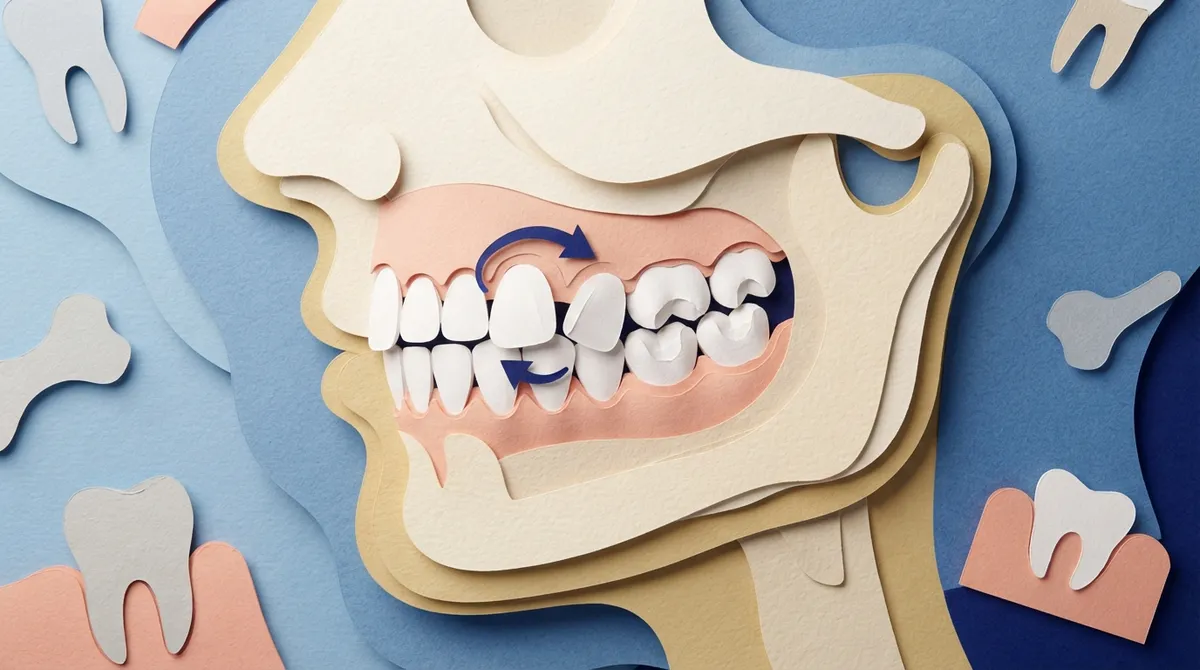
Dental misalignment, known clinically as malocclusion, simply means your teeth don’t fit together properly when you close your mouth. This can involve crowded teeth, gaps between teeth, rotated teeth, or teeth that stick out too far. It can also involve how your upper and lower jaws relate to each other, not just individual teeth.
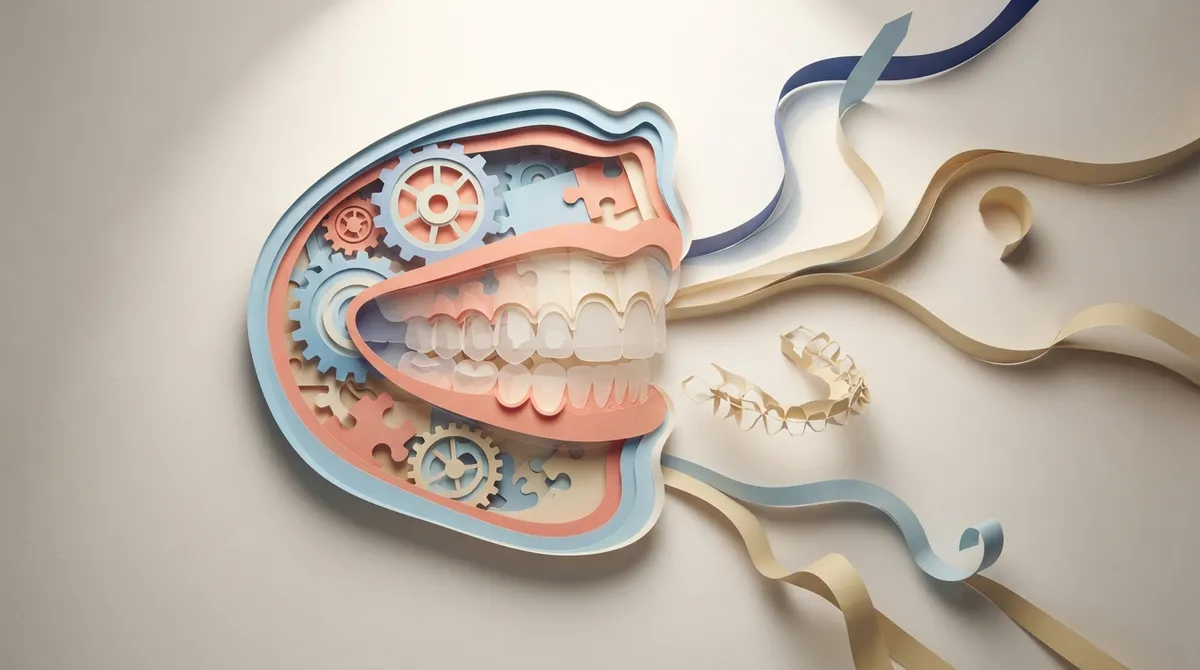
Think of it like a puzzle. When all the pieces fit together nicely, everything works smoothly. But when a few pieces are turned the wrong way or squeezed into the wrong spot, the whole picture looks a little off. That’s essentially what happens with a misaligned bite.
Orthodontists like Dr. Brockway often classify these bite issues into categories, but you don’t need to memorize any terminology. What matters is knowing that misalignment ranges from very minor (barely noticeable) to more complex issues involving the jaw. Our first visit process is designed to identify exactly where your smile falls on that spectrum.
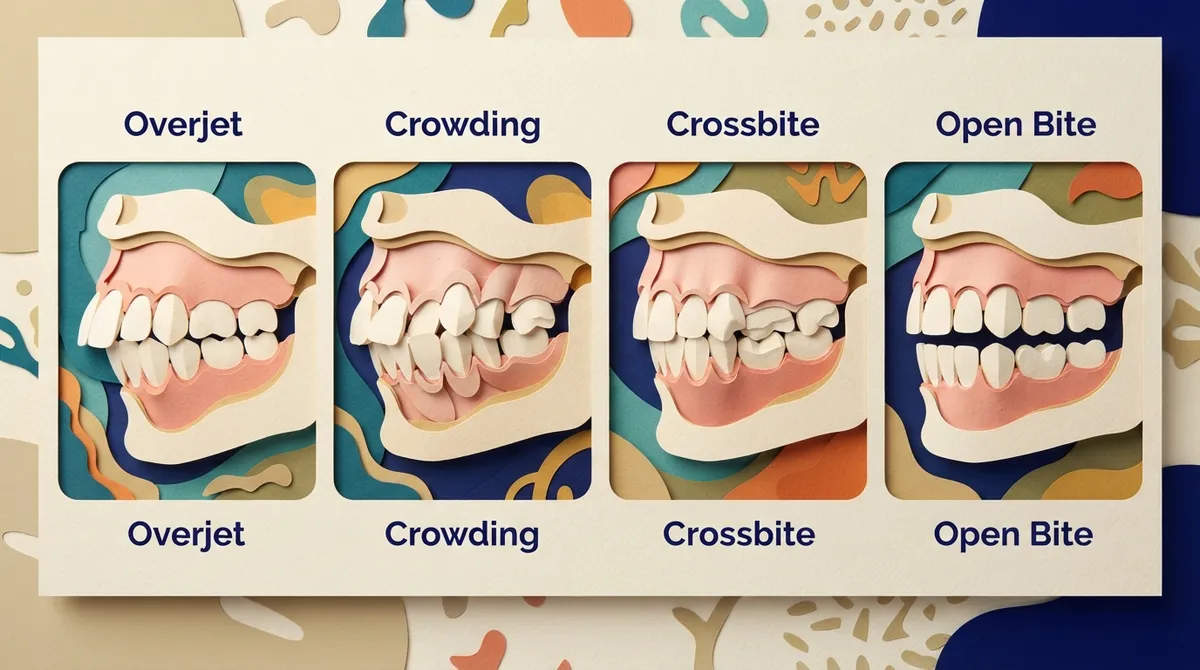
Common Types of Dental Misalignment
There are several patterns orthodontists commonly see. Understanding the differences can help you recognize what might be going on with your own smile or your child’s smile.
- Crowding: Teeth don’t have enough room, so they overlap or twist.
- Spacing: Gaps show up between teeth because there’s too much room.
- Overjet: Upper front teeth stick out further than they should.
- Deep bite: Upper teeth cover too much of the lower teeth when biting down.
- Open bite: Front teeth don’t touch at all when the back teeth are closed.
- Crossbite: Some upper teeth sit inside the lower teeth instead of outside.
- Underbite: The lower jaw extends further out than the upper jaw.
Any of these can show up alone or in combination. That’s why every treatment plan we build is customized, not copy-pasted from the last patient. If you want to learn more about specific concerns, our page on teeth spacing causes and treatments breaks things down in plain language.
What Causes Crooked or Crowded Teeth?
Here’s something that might surprise you: according to clinical research summarized by the National Institutes of Health, only about 8% of malocclusion cases have one clear, single cause. Most cases involve a mix of genetics and environment working together. So if you’ve ever wondered “why me?
FAQs
Q: What is dental misalignment or malocclusion?
A: Dental misalignment, called malocclusion by orthodontists, happens when your teeth don’t fit together properly when you close your mouth. It can involve crowding, spacing, an uneven bite, or jaw positioning, and it ranges from mild to more noticeable. The good news is that it’s very common, and we see it every single day at our Clearwater practice!
Q: What are the most common types of dental misalignment?
A: The most frequent types include crowding, spacing, overjet, deep bite, open bite, crossbite, and underbite. Each one looks and feels a little different, but they all have effective treatment options. Your orthodontist can pinpoint exactly which type you’re dealing with during a simple evaluation.
Q: Can dental misalignment be corrected without traditional braces?
A: Absolutely, many mild to moderate cases respond really well to clear aligners like Spark™. That said, more complex bite issues sometimes need the precise control that traditional braces provide. We’ll help you figure out which option fits your smile best during your consultation.
Q: When should a child first see an orthodontist for misaligned teeth?
A: Most orthodontic experts recommend around age 7, since that’s when a mix of baby and permanent teeth gives us a clear picture of how the smile is developing. Early evaluation doesn’t always mean early treatment, but it does help us catch potential issues sooner. It’s a simple, low-stress visit that gives parents peace of mind.
Q: Will teeth shift again after braces or clear aligners?
A: Yes, teeth can shift over time if a retainer isn’t worn as recommended, since this is just a natural part of how our bodies work. That’s exactly why we treat retainers as an essential final step, not an optional extra. Wearing yours consistently is the best way to protect your beautiful new smile for years to come.
Our Service Area