Key Takeaways
-
Brush your teeth for two minutes after every meal and snack, plus before bed, using a soft-bristled or orthodontic toothbrush with fluoride toothpaste to prevent plaque buildup, cavities, and white spots around brackets.
-
Avoid hard, sticky, and crunchy foods like whole apples, popcorn, nuts, caramel, and gum; cut harder foods into bite-sized pieces and chew with back teeth to prevent bracket damage and treatment delays.
-
Use interdental brushes, floss threaders, or water flossers at least once daily to clean between teeth and around brackets since regular flossing is difficult with wires in place.
-
Limit sugary drinks and sip them with meals rather than throughout the day to prevent enamel erosion and decay, especially around brackets where plaque accumulates.
-
Wear rubber bands, headgear, and other appliances exactly as directed by setting phone reminders and keeping extras in multiple locations to avoid extending your treatment timeline.
-
Continue regular dental checkups and orthodontic appointments without skipping, as consistency with both professional care and daily habits prevents gum swelling, enamel demineralization, and other complications.
So you (or your child) just got braces. Congratulations! You’re on the way to a smile you’ll love showing off. But now comes the part nobody tells you enough about: how to care for braces day to day. Don’t worry, though, because we’ve got you covered with friendly, practical tips that make this whole process feel a lot less overwhelming.
At Brockway Orthodontics in Clearwater, Florida, we see patients of all ages walk through our doors every day, from nervous teens to busy professionals to parents bringing in their kids for the first time. And one thing we always tell them is this: caring for braces isn’t complicated once you know the basics. It just takes a little extra attention and a few good habits. Let’s walk through everything you need to know, step by step.
1. Brush After Every Meal (Yes, Really)
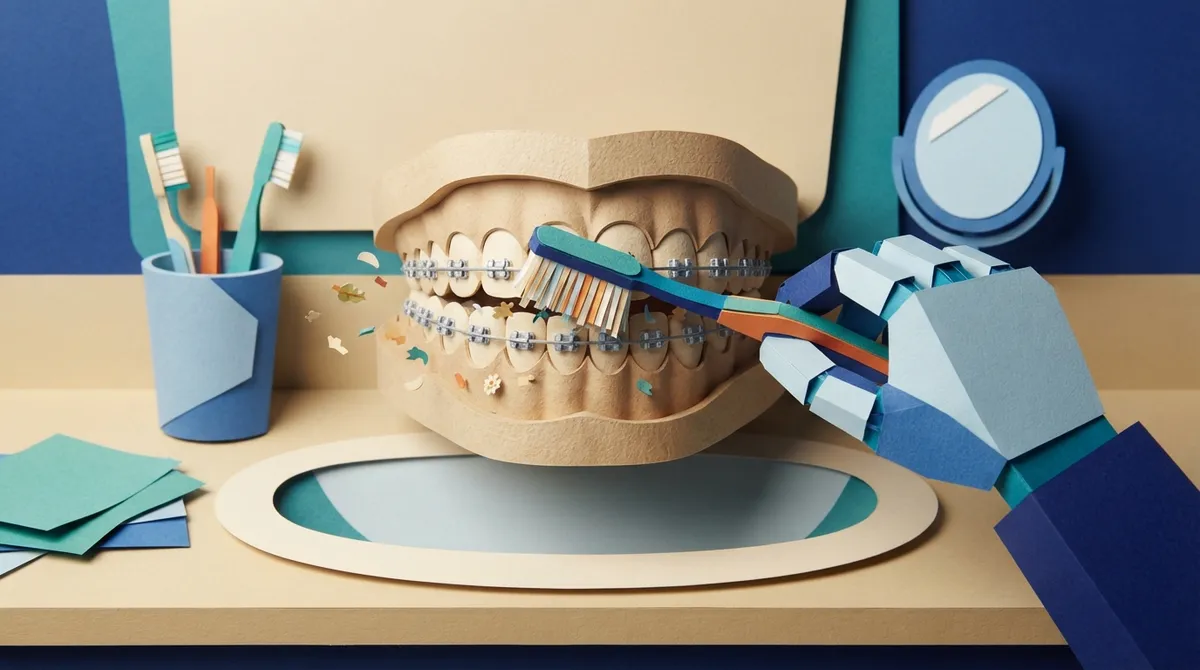
We know, we know. Brushing after every single meal sounds like a lot. But with braces, food loves to hide in places your toothbrush can’t easily reach. The American Dental Association and orthodontic experts generally recommend brushing for about two minutes after meals and snacks whenever possible, plus once more before bed.
Here’s why this matters so much. Brackets and wires create tiny nooks where plaque and food particles love to gather. If you skip brushing, that buildup can lead to swollen gums, white spots on your teeth, or even cavities. Keep a travel toothbrush in your bag, car, or desk drawer so you’re always ready.

2. Choose the Right Toothbrush and Toothpaste
Not all toothbrushes are created equal when you’re wearing braces. A soft-bristled toothbrush works best because it cleans gently without damaging your wires or brackets. Some patients also love using an orthodontic toothbrush, which has bristles cut in a V-shape to fit around brackets more easily.
As for toothpaste, stick with a fluoride option. Fluoride helps strengthen your enamel and fight off the bacteria that cause cavities. Some dental guidance suggests toothpaste with at least 1,350 parts per million fluoride for orthodontic patients, though your specific needs may vary. When in doubt, ask your orthodontist what they recommend for your situation.
Electric or Manual? Both Can Work
You can absolutely use an electric toothbrush with braces, as long as you’re gentle around the brackets and wires. Many patients find electric brushes make the two-minute brushing time feel shorter and more effective. Just go slowly and let the brush do the work instead of pressing too hard.
3. Master the Art of Flossing With Braces
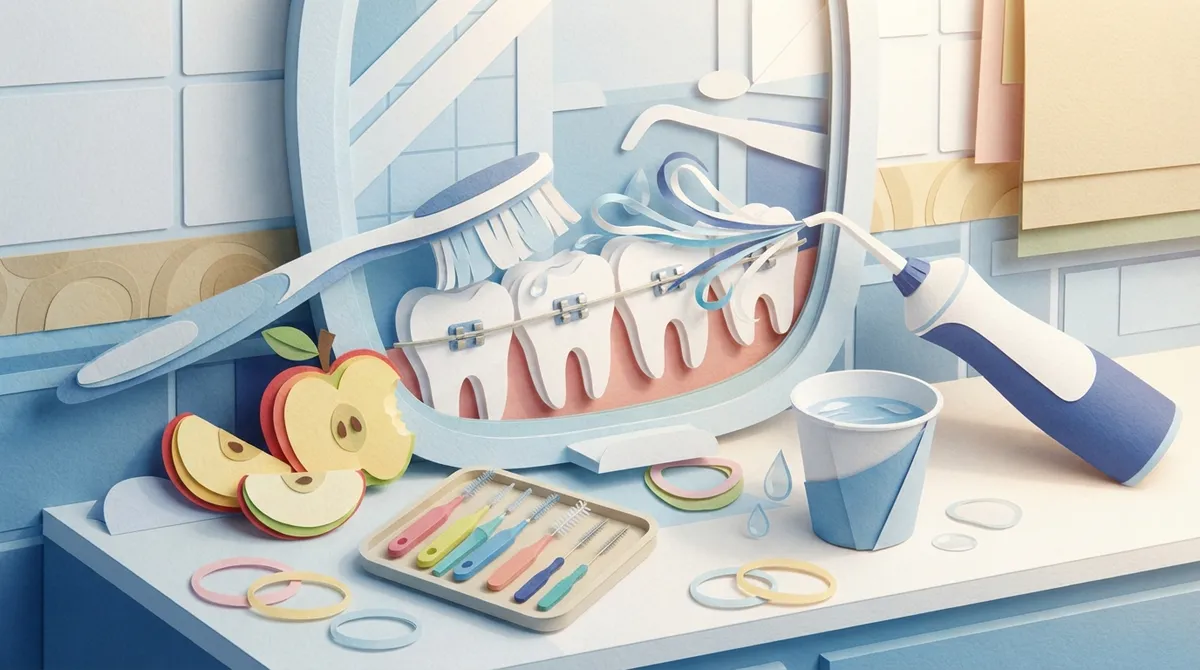
Flossing with braces feels tricky at first, but it gets easier with practice. Since regular floss can’t slide between your teeth the normal way (thanks, wires), you’ll need a few extra tools.
- Floss threaders help guide floss under the wire so you can clean between teeth
- Interdental brushes are small brushes designed to clean around brackets and wires
- Water flossers use a stream of water to blast away food and plaque
Most orthodontic guidance recommends interdental cleaning at least once a day, and some dental teams suggest twice daily for the best results. Pick whichever tool feels easiest for you, and stick with it. Consistency matters more than perfection here.
4. Know Which Foods to Avoid
This is probably the part patients ask about most. The good news? You don’t have to give up all your favorite foods forever. But some items really can damage your braces or slow down your treatment.
| Foods to Avoid | Why They Cause Problems |
|---|---|
| Whole apples, raw carrots | Biting directly into hard foods can pop off brackets |
| Popcorn, nuts, ice | Hard, crunchy pieces get stuck and can bend wires |
| Caramel, taffy, gummy candy | Sticky textures pull on brackets and wires |
| Chewing gum | Gets tangled in wires and brackets easily |
| Hard pretzels, crusty bread | Can crack brackets when bitten directly |
The trick with harder foods like apples or carrots is to cut them into small, bite-sized pieces and chew with your back teeth instead of biting straight in. If you’re curious about what you actually can enjoy, check out our guide on good foods for braces for plenty of tasty ideas.
5. Watch Your Drinks Too
It’s not just food that matters. Sugary sodas, energy drinks, and even too much fruit juice can wear down your enamel and cause decay, especially around brackets where plaque likes to hide. Water and milk are your best friends during treatment.
If you do enjoy a sweet drink now and then, try to have it with a meal instead of sipping on it all day. This limits how long sugar sits on your teeth and gives your saliva a chance to naturally rinse things away between meals.
6. Use Fluoride Mouthwash the Right Way
Adding a fluoride mouthwash to your routine can give your teeth extra protection while you’re in braces. Many dental professionals recommend using it at a different time than when you brush, so the fluoride from your toothpaste isn’t washed away too soon.
Your orthodontist may recommend a specific product or strength based on your age and risk for cavities. It’s always best to follow the personalized advice from your care team rather than guessing on your own.
7. Wear Your Elastics and Appliances as Directed
If your treatment plan includes rubber bands, headgear, or other appliances, wearing them exactly as instructed really does make a difference. Skipping elastics or taking them out early can slow down your progress and might even extend your total treatment time.
We get it, life gets busy and it’s easy to forget. Try setting a phone reminder or keeping extra elastics in your bag, car, and at your desk so you’re never caught without them.
8. Handle Broken Brackets and Poking Wires Calmly
Braces emergencies happen, and that’s totally normal. A bracket might come loose, or a wire might start poking your cheek. Here’s what to do:
- Stay calm. Most orthodontic issues are minor and not true emergencies.
- Cover any sharp or poking wire with orthodontic wax to protect your cheek or gums.
- Call your orthodontist’s office to let them know what happened.
- Avoid using scissors or tools to cut a wire yourself unless your orthodontist tells you it’s safe.
- Schedule a repair appointment as soon as possible to keep your treatment on track.
Significant bleeding, facial trauma, or trouble breathing needs emergency medical attention right away. But for everyday bracket or wire issues, a quick call to your orthodontist usually solves the problem fast. If you’re a Brockway Orthodontics patient, our team is always ready to help. Feel free to get in touch with our team whenever something feels off.
9. Keep Up With Regular Dental and Orthodontic Visits
Braces don’t replace your regular dentist visits. You’ll still need routine cleanings and checkups to keep your whole mouth healthy while your teeth are shifting into place. Your orthodontist will also want to see you regularly for adjustments to keep your treatment moving forward smoothly.
Good brace care helps prevent common issues like gum swelling, enamel demineralization, and those pesky white spots that can show up around brackets if plaque builds up over time. Staying consistent with both types of appointments is one of the best things you can do for a healthy, beautiful smile.
Why Consistency Pays Off
Every missed cleaning habit or skipped appointment can add up over months of treatment. Think of it like watering a plant. Skip it once, and it’s probably fine. Skip it repeatedly, and you’ll notice the difference. The same goes for your braces care routine.
10. Partner With an Orthodontist Who Truly Cares
Caring for braces is so much easier when you have a supportive team behind you. At Brockway Orthodontics, Dr. Brockway and her team take time to explain exactly what your smile needs, whether you’re a teenager getting ready for prom or an adult professional looking for a more discreet option like Spark™ Clear Aligners.
We proudly serve families throughout Clearwater and the surrounding areas, offering everything from traditional metal braces to ceramic options that blend in more naturally. Every patient gets a personalized plan because no two smiles are exactly alike. You can learn more about what makes our approach special on our All About Braces page, or explore our full range of services.
Curious what your first visit will look like? We’ve made it simple and welcoming, especially for first-time patients or nervous parents. Check out our Your First Visit guide to know exactly what to expect. And if you want to hear directly from families we’ve helped, take a moment to visit us on Google — Brockway Orthodontics and read what our patients have to say.
A Few Bonus Tips for Long-Term Success
Beyond the basics, here are a few small habits that make a big difference over time:
- Keep an orthodontic care kit (toothbrush, floss threaders, wax) with you at all times
- Avoid nail-biting or chewing on pens, which can damage brackets
- Take photos of your smile every few months to see your progress
- Ask questions at every appointment, no question is too small
- Follow guidance from trusted sources like the Florida Association of Orthodontists for extra peace of mind
Braces are a journey, and every small habit you build now adds up to a healthier, more confident smile later. Whether you’re caring for your own braces or helping a child through treatment, patience and consistency really do pay off.
Ready for Expert Guidance in Clearwater?
Taking care of your braces doesn’t have to feel stressful or confusing. With the right habits and a caring orthodontic team by your side, you’ll be amazed at how smooth the process can be. Dr. Brockway and our entire team are passionate about helping patients of every age feel confident and supported throughout treatment, whether you’re exploring braces for the first time or considering a retreatment option later in life.
If you have questions about your braces care routine or you’re ready to start your smile journey, we’d love to hear from you. Book your appointment online today and let’s create a personalized plan that fits your life, your goals, and your smile. You can also follow along with patient stories and smile transformations on our Facebook page or check out behind-the-scenes moments on Instagram.
FAQs
Q: How often should I brush my teeth with braces?
A: We recommend brushing after every meal or snack when you can, plus once more before bed. It might feel like a lot at first, but it becomes second nature pretty quickly, and your teeth will thank you for it!
Q: Can I use an electric toothbrush or water flosser with braces?
A: Absolutely! Both work great with braces as long as you’re gentle around your brackets and wires. Many of our patients love how much easier a water flosser makes cleaning those tricky spots.
Q: What should I do if a bracket comes loose or a wire is poking me?
A: Don’t panic, this happens more often than you’d think! Cover any poking wire with orthodontic wax for comfort, then give our office a call so we can get you scheduled for a quick repair.
Q: Which foods should I avoid with braces?
A: Steer clear of hard, sticky, or crunchy foods like popcorn, caramel, nuts, and whole apples. Cutting harder foods into small pieces and chewing with your back teeth usually solves the problem without missing out completely.
Q: Do I still need regular dental cleanings while wearing braces?
A: Yes, definitely! Your orthodontist handles your braces adjustments, but your regular dentist keeps the rest of your smile healthy with routine cleanings and checkups throughout your treatment.
Our Service Area