Key Takeaways
-
The archwire applies gentle, steady pressure to move teeth gradually, and loses tension over time, requiring regular adjustments every 4-10 weeks to keep guiding teeth toward their final position.
-
The appointment itself is typically painless, but soreness lasting a few days afterward is normal and indicates treatment is working; manage it with soft foods, over-the-counter pain relief, and orthodontic wax.
-
Stick to your personalized adjustment schedule rather than comparing timelines to friends, as individual treatment plans vary based on age, appliance type, and progress—skipping appointments can delay results.
-
Contact your orthodontist if soreness lasts more than a few days, gums are unusually red or swollen, or brackets/wires break; never attempt DIY repairs as this risks compromising your treatment.
-
Most adjustment visits are quick and routine, involving wire or elastic changes, bracket checks, and progress reviews; the exact length depends on what needs attention that day.
-
Maintain good oral hygiene, wear elastics as directed between visits, and attend every scheduled appointment to keep your treatment timeline on track and achieve results close to the original estimate.
If you or your child just got braces, you’ve probably heard other patients talk about “getting braces tightened.” Maybe the phrase sounds a little scary. Don’t worry! This appointment is a normal, routine part of your treatment. It’s actually one of the most exciting steps because it means your smile is moving in the right direction.
At Brockway Orthodontics in Clearwater, we want every patient to feel calm and confident before their next adjustment visit. In this guide, we’ll walk you through exactly what happens during the braces tightening process, how often you’ll need these visits, and simple tips to manage any soreness afterward. By the end, you’ll know exactly what to expect, and you might even look forward to your next appointment.
What Does “Braces Tightening” Actually Mean?
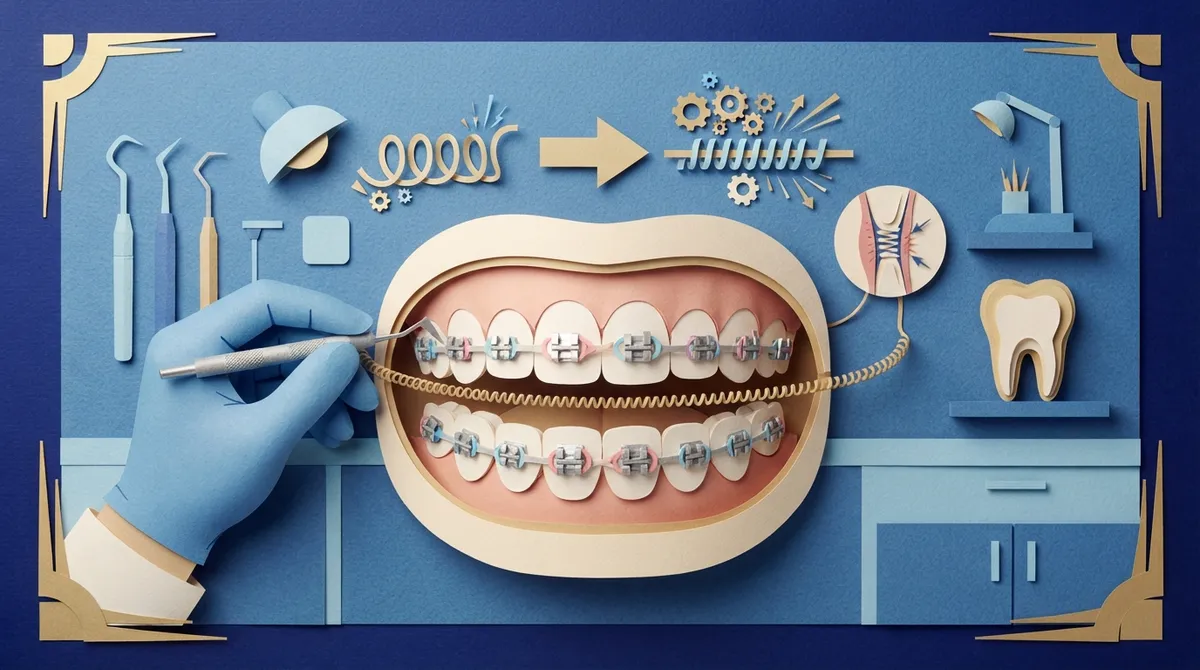
The term “tightening” is a bit misleading. Your orthodontist isn’t simply cranking your wires tighter like a screw. Instead, this visit is really an orthodontic adjustment appointment. Dr. Brockway checks how your teeth are moving and makes changes to keep your treatment plan on track.
During this visit, she may replace your archwire with a new one, adjust elastic ties, or make small changes based on your progress. Not every visit involves the same steps. Some appointments are quick checks, while others involve bigger changes to your braces setup.
How Braces Actually Move Your Teeth
Your archwire is the metal wire that connects to each bracket. This wire applies gentle, steady pressure on your teeth. Over time, this pressure encourages your teeth to shift into better positions.
As your teeth move, the wire loses some of its tension. That’s why you need regular visits. Your orthodontist adjusts or swaps the wire so it can keep guiding your teeth toward your final smile. Think of it like gently coaxing plants to grow toward the sun. It takes time, patience, and small nudges along the way.

What Happens During an Adjustment Appointment
Wondering what actually happens when you sit in the chair? Here’s a simple breakdown of a typical visit:
- Check-in and quick exam: Our team looks at your teeth, brackets, and wires to see how things are progressing.
- Progress review: Dr. Brockway compares your current smile to your treatment plan and goals.
- Wire or elastic changes: She may switch out your archwire, add new elastics, or adjust existing ones.
- Bracket check: Any loose or broken brackets get fixed during this time.
- Final look and instructions: You’ll get any updated care tips before you head out.
Most of these routine visits are shorter than your first appointment to place your braces. The exact length depends on what needs attention that day. Some visits take just a few minutes, while others might take a bit longer if extra work is needed.
How Often Will You Need Braces Adjustments?
Adjustment schedules can vary from patient to patient. Your specific treatment plan, age, and the type of appliance you’re wearing all play a role in timing.
| Source | Typical Adjustment Interval |
|---|---|
| NHS Braces Guidance | Every 6–8 weeks |
| American Association of Orthodontists (Discomfort Guide) | Every 4–6 weeks |
| American Association of Orthodontists (FAQ) | Every 6–10 weeks |
As you can see, there’s no single “right” answer. That’s why it’s so important to follow your orthodontist’s personalized schedule rather than comparing your timeline to a friend’s. According to the American Dental Association, individualized care leads to the best long-term results. Dr. Brockway will let you know exactly when to come back based on how your treatment plan is progressing.
Does Getting Braces Tightened Hurt?
This is probably the question we hear most often, especially from nervous teens and worried parents. Here’s the good news: the appointment itself typically isn’t painful. You might feel some pressure while Dr. Brockway works, but it shouldn’t cause sharp pain.
What you may notice afterward is a different story. As your teeth respond to the new forces, you might feel soreness or tenderness for a few days. This is completely normal and a sign that your treatment is working. Your teeth are simply adjusting to their new positions.
Tips for Managing Soreness After Your Visit
Here are some simple, tried-and-true ways to feel more comfortable after your appointment:
- Stick to soft foods like mashed potatoes, yogurt, and smoothies for a day or two.
- Use over-the-counter pain relief following the label instructions.
- Try a warm salt-water rinse to soothe your gums.
- Apply orthodontic wax on any brackets or wires rubbing against your cheeks.
- Avoid crunchy, sticky, or hard foods until the soreness fades.
Most soreness clears up within a few days. If you’re a busy professional worried about how discomfort might affect your workday, plan your adjustment visits around lighter schedule days when possible. Many adult patients find that scheduling appointments before a weekend gives them time to adjust comfortably.
Is Some Tenderness Normal, or Should You Call Your Orthodontist?
A little soreness is expected. But there are times when you should reach out to our office instead of waiting for your next scheduled visit. Contact us if you notice any of these signs:
- Pain that lasts more than a few days without improving
- Gums that look very red, swollen, or feel unusually painful
- A bracket or wire that breaks or pokes uncomfortably
- Teeth that feel unusually loose beyond typical tenderness
Don’t try to fix a broken wire or bracket on your own. Give us a call so we can take a look and make sure everything is on track. It’s always better to check in early than wait it out.
Braces Adjustments for Different Life Stages
Every patient’s experience with the braces tightening process looks a little different depending on their age and lifestyle.
Parents and Kids: Building Good Habits Early
If your child or teen has braces, adjustment visits are a great time to reinforce good oral hygiene habits. Bring along any questions about diet restrictions, brushing techniques, or discomfort your child may be feeling. Our team loves working with families and making the adolescent treatment journey as smooth as possible.
Teens Prepping for Big Moments
Many teens want their braces off in time for prom, graduation, or other milestones. Staying consistent with your adjustment schedule helps keep your treatment timeline on track. Skipping appointments can actually delay your results, so keeping every visit is key to reaching your goals on time.
Busy Adult Professionals
If you’re balancing a demanding career with orthodontic care, we get it. That’s part of why so many working adults now choose more discreet options like Spark™ Clear Aligners. Fewer noticeable adjustments and a more subtle look make it easier to fit treatment into a professional lifestyle. Explore our full range of orthodontic services to see what fits your schedule best.
Patients Returning After Relapse
If your teeth have shifted after previous orthodontic work, you’re not alone. Many adults return for retreatment because life happens, and retainers sometimes get skipped. Our team will walk you through a fresh treatment plan and make sure you understand every adjustment along the way. Wearing your retainer as directed after treatment is one of the best ways to avoid needing retreatment down the road.
Tips to Get the Most Out of Every Adjustment Visit
Want to make your orthodontic journey as smooth as possible? Keep these simple tips in mind:
- Show up to every scheduled appointment, even if you feel like your braces look fine.
- Follow instructions about wearing elastics or other appliances between visits.
- Keep up with brushing and flossing to avoid extra dental issues during treatment.
- Ask questions if you’re unsure why a change was made to your wire or elastics.
- Let your orthodontist know about any pain that feels different from normal soreness.
Consistency really does pay off. Patients who follow their treatment plan closely often see their orthodontic journey wrap up close to the original estimated timeline.
Why Choose Brockway Orthodontics for Your Adjustment Visits
At Brockway Orthodontics, we know that trust matters just as much as technical skill. Dr. Brockway takes time during every adjustment to explain what she’s doing and why. She wants you to feel informed and comfortable, not confused or rushed.
Our Clearwater office uses modern technology, including digital imaging, to plan and track your treatment with precision. This means fewer surprises and more predictable results throughout your orthodontic journey. We also proudly serve patients of all ages, from young kids just starting early treatment to adults exploring adult treatment options for the first time.
Curious what other families think of their experience? You can visit us on Google — Brockway Orthodontics to read real reviews from Clearwater patients. We’re also proud members of the Florida Association of Orthodontists, which helps us stay current with the latest standards in patient care.
Frequently Asked Questions About the Braces Tightening Process
Still have questions before your next visit? Check out our FAQs page for more helpful answers, or feel free to reach out directly to our friendly team.
Ready for Your Next Adjustment Visit?
The braces tightening process might sound intimidating at first, but it’s really just a normal, important part of getting the smile you’ve always wanted. Each adjustment brings you one step closer to straighter teeth and a more confident grin. Whether you’re a parent bringing in your teen, a busy professional squeezing in an appointment, or an adult starting fresh with retreatment, our Clearwater team is here to support you every step of the way.
Have questions about your treatment plan or want to schedule your next visit? Contact us today, or book appointment online to get started. You can also follow along with patient stories and smile transformations on our Instagram and Facebook pages. We can’t wait to help you keep smiling with confidence!
FAQs
Q: What happens during a braces tightening appointment?
A: Your orthodontist checks how your teeth are moving and may swap out your archwire, adjust elastics, or make other small changes. Every visit looks a little different depending on where you are in your treatment plan. It’s a quick, routine part of getting your dream smile!
Q: Does getting braces tightened hurt?
A: The appointment itself usually isn’t painful, though you might feel some pressure. Afterward, it’s common to feel soreness for a few days as your teeth adjust. Think of it as a sign your treatment is working its magic.
Q: How long does soreness last after braces are adjusted?
A: Most patients feel better within a few days after an adjustment. Soft foods, over-the-counter pain relief, and orthodontic wax can help you feel more comfortable in the meantime. If soreness lingers beyond that, give our office a call.
Q: How often do you need braces adjustments?
A: Adjustment visits are typically scheduled every 4 to 10 weeks, depending on your treatment plan and orthodontist’s recommendations. Dr. Brockway will set a personalized schedule that fits your unique smile goals. Consistency really does help keep your treatment on track!
Q: What should I do if a wire or bracket breaks between appointments?
A: Don’t try to fix it yourself, even if it seems like a quick DIY job. Give our Clearwater office a call so we can take a look and make any needed repairs. It’s always better to check in early rather than wait for your next scheduled visit.
Our Service Area