Key Takeaways
-
Deep overbites affect nearly 22% of adults and similar rates in children, making it one of the most common bite issues orthodontists treat and fixable with proper intervention.
-
A hands-on evaluation with a trained orthodontist is essential because there's no single measurement or photo that definitively shows if your overbite is problematic—treatment thresholds vary across studies.
-
Warning signs include lower teeth rubbing your gums or roof of mouth, unusual tooth wear, jaw soreness or clicking, and difficulty biting—early detection typically leads to simpler treatment.
-
Both traditional braces and clear aligners can effectively treat overbites, with braces offering more precise control for severe cases and aligners providing a discreet option for mild-to-moderate cases in teens and adults.
-
Skipping treatment risks ongoing gum damage, accelerated tooth wear, jaw pain, and speech difficulties, while untreated overbites typically worsen over time rather than improve.
-
Clear aligners require at least 22 hours daily wear to work effectively, and after active treatment, consistent retainer use is critical to prevent your bite from shifting back.
Notice your top teeth covering a lot more than they should when you smile? You’re not alone. Deep overbites are one of the most common bite issues orthodontists see. In fact, a 2019 systematic review found deep overbite in nearly 22% of people with permanent teeth, and a 2024 review found similar rates in kids’ baby teeth. So if you’re worried about your bite, or your child’s, take a breath. This is fixable, and you’ve come to the right place to learn how.
Finding the right orthodontist for overbite treatment can feel overwhelming at first. Maybe you’ve noticed your lower teeth barely peek out when you bite down. Maybe your dentist mentioned it at your last checkup. Whatever brought you here, we’re glad you’re taking this step. At Brockway Orthodontics, we’ve helped countless families in Clearwater feel confident about their bites and their smiles. Let’s walk through exactly what to look for and what to expect.
What Is an Overbite, Really?
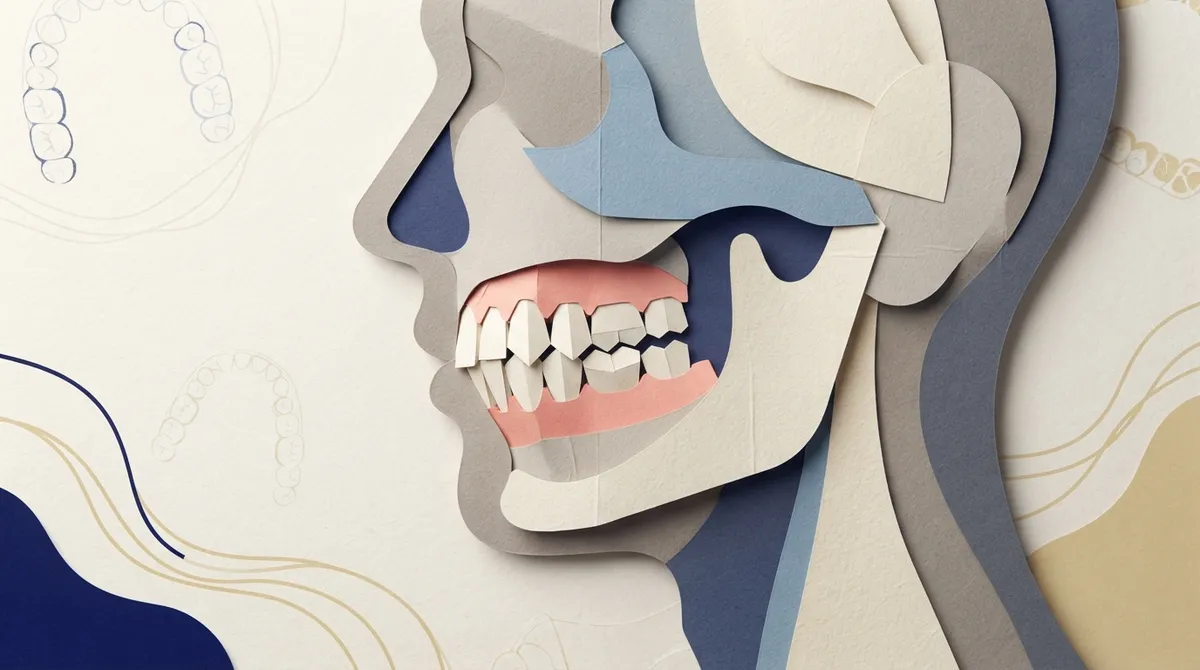
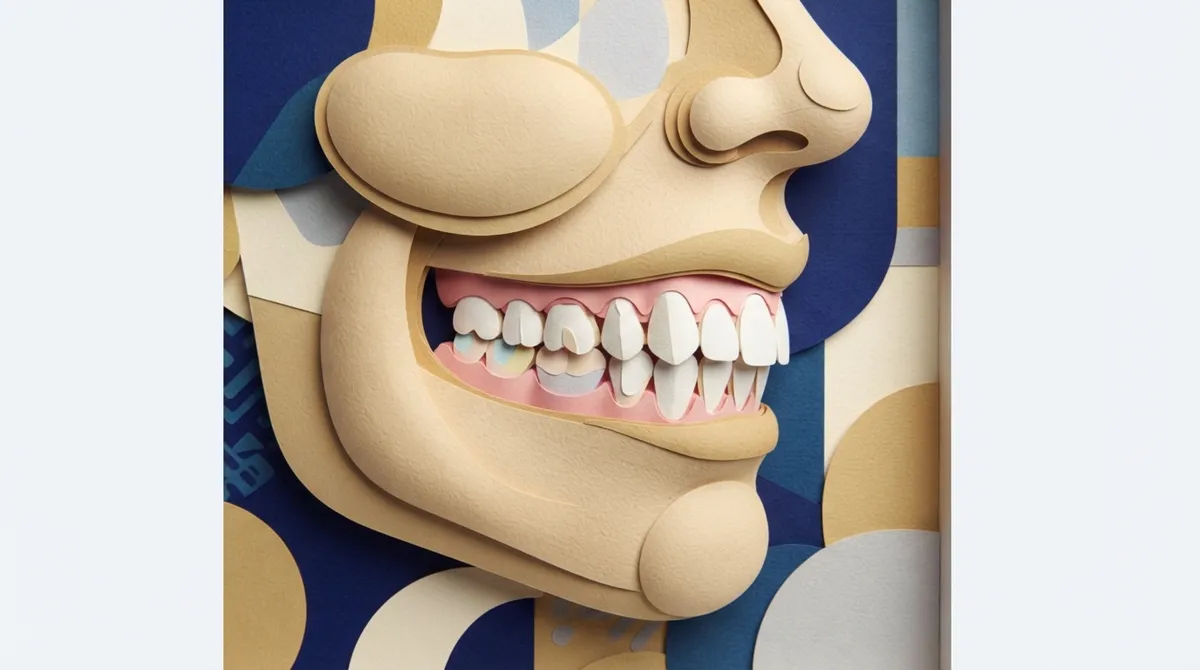
An overbite simply means your top front teeth overlap your bottom front teeth. A small amount of overlap is totally normal and healthy. Everyone has some overbite.
The trouble starts when that overlap becomes excessive. This is often called a “deep bite.” When it’s severe, your lower teeth might bite into the roof of your mouth or your gum tissue. That can cause real damage over time.
Here’s something important to know: there’s no single magic number or photo that tells you if your overbite is a problem. Definitions and thresholds vary across different studies and dental guidelines. That’s exactly why a hands-on first visit with a trained orthodontist matters so much. They look at the full picture, not just a snapshot.

Signs You Might Need an Orthodontist for Your Overbite
Not sure if your bite needs professional attention? Here are some common signs to watch for:
- Your lower teeth touch or rub against your gums or the roof of your mouth
- You notice unusual wear or flattening on your front teeth
- Your jaw feels tired, sore, or clicks when you chew
- You have trouble biting into food comfortably
- Your bite makes you feel self-conscious about your smile
- A dentist or family member has pointed out your bite looks “deep” or uneven
Even without obvious symptoms, it’s smart to get things checked. Some overbites cause quiet damage for years before anyone notices. Catching it early almost always means simpler treatment.
How an Orthodontist Diagnoses an Overbite
Here’s the good news: figuring out what’s going on with your bite is a straightforward process. When you visit Brockway Orthodontics for a consultation in Clearwater, here’s what typically happens.
Step 1: A Friendly Conversation and Exam
Dr. Brockway starts by getting to know you. She’ll ask about your concerns, your goals, and any discomfort you’ve noticed. Then she’ll take a look at your teeth, gums, and jaw alignment in person.
Step 2: Digital Scans and Photos
Instead of messy molds, our office uses modern digital scanning technology. This gives us a precise, comfortable way to map out your bite. Photographs help track your smile from every angle.
Step 3: X-Rays When Needed
If clinically necessary, X-rays help us see what’s happening beneath the surface. This shows root positions, jaw growth patterns, and bone structure that we can’t see just by looking.
Step 4: A Personalized Treatment Plan
Once we have the full picture, we build a plan made just for you. No two overbites are exactly alike, so no two treatment plans should be either.
What Causes a Deep Overbite?
People often ask us why their bite turned out this way. The truth is, it’s rarely just one thing. Common causes include:
- Genetics. Jaw size and tooth shape often run in families.
- Childhood habits. Thumb sucking or prolonged pacifier use can affect how teeth and jaws develop.
- Missing teeth. Gaps can let other teeth shift and deepen the bite over time.
- Jaw growth patterns. Sometimes the upper and lower jaw simply grow at different rates.
- A mix of dental and skeletal factors. Often it’s a combination, not just one cause.
Knowing the cause helps your orthodontist choose the right approach. A bite caused mainly by tooth position responds differently than one tied to jaw growth.
Treatment Options for Overbites
Treatment always depends on your specific bite, your age, and your oral health. That said, here are the main tools orthodontists use.
| Treatment Option | Best For | How It Works |
|---|---|---|
| Traditional braces | Moderate to severe overbites, all ages | Wires and brackets gradually move teeth and guide bite correction |
| Clear aligners (like Spark™) | Mild to moderate cases, teens and adults | Custom removable trays shift teeth in small, steady steps |
| Growth appliances | Growing children and teens | Uses natural growth to help guide jaw development |
| Elastics (rubber bands) | Used alongside braces or aligners | Helps align upper and lower jaw relationship |
| Orthognathic surgery | Severe skeletal jaw discrepancies | Coordinated with orthodontic treatment for complex adult cases |
For many patients, braces remain the most reliable option for correcting a deep bite. They give your orthodontist precise control over tooth movement. For patients who want something more discreet, Spark™ Clear Aligners offer a more affordable, nearly invisible alternative worth exploring.
Treatment for Kids Versus Adults
Age plays a big role in how we approach overbite correction.
Growing Children and Teens
Kids have a big advantage: their jaws are still growing. This means orthodontists can sometimes guide that growth to help correct a deep bite more easily. Early treatment can take advantage of this window. That’s why many dentists recommend a first orthodontic check-up by age seven, even if braces aren’t needed yet.
For teens already in braces or ready for treatment, we offer plans built around their busy lives. Check out our guide on adolescent treatment to learn more about timing and options.
Adults Seeking Treatment
Here’s something worth celebrating: it’s never too late to fix your bite. Adult jaws have finished growing, but that doesn’t rule out effective treatment. Many adults successfully use braces or clear aligners to correct their overbite. According to the American Association of Orthodontists, more adults are seeking orthodontic care than ever before, often for both health and confidence reasons.
In cases involving severe jaw-related issues, adults may need coordinated care between an orthodontist and an oral surgeon. This is less common but sometimes necessary for the best long-term results. Learn more about your options on our adult treatment page.
What Happens If You Skip Treatment?
We get it. Orthodontic treatment is an investment of time and money. But ignoring a deep overbite can lead to bigger problems down the road, including:
- Ongoing damage to gum tissue or the roof of the mouth
- Faster wear and tear on your front teeth
- Jaw pain or discomfort while chewing
- Speech difficulties in some cases
- Lower confidence in your smile
In the UK, the National Health Service actually classifies a severe overbite causing gum or palate trauma as a top-priority treatment need. That tells you how seriously dental professionals take this issue. Waiting doesn’t usually make an overbite better. It tends to make treatment more complicated later.
How Long Does Overbite Treatment Take?
This is one of the most common questions we hear, and the honest answer is: it depends. Treatment time varies based on:
- How severe the overbite is
- Whether you’re using braces or clear aligners
- Your age and jaw development stage
- How consistently you follow your orthodontist’s instructions
If you choose clear aligners, wear time matters a lot. The American Dental Association and the American Association of Orthodontists both note that aligners typically need to be worn at least 22 hours a day to work as planned. Skipping wear time can seriously slow your progress.
After active treatment ends, you’ll move into the retention phase. This means wearing a retainer to keep your new bite stable. Skipping this step is one of the most common reasons bites shift back over time.
Why Choose Brockway Orthodontics for Your Overbite Treatment
If you’re searching for a trusted orthodontist for overbite care in Clearwater, Florida, we’d love to meet you. Dr. Brockway brings years of training and genuine care to every patient relationship. She takes time to listen to your concerns and explain your options in plain, friendly language.
Our office is equipped with modern technology, including digital scans and 3D imaging, so your treatment plan is precise from day one. We also understand that life gets busy. In select cases, we offer same-day treatment starts so you don’t have to juggle multiple appointments just to begin your care.
We proudly serve families throughout the Clearwater area and treat patients of every age, from young children starting early treatment to adults ready for a confident new smile. Explore our full range of orthodontic services to see what fits your needs. You can also check out what our patients are saying by visiting our Brockway Orthodontics location on Google.
We also stay connected with our community through Facebook and Instagram, where we share smile transformations and helpful tips. And if you’re comparing local providers, the Florida Association of Orthodontists is a great resource for verifying credentials and learning more about orthodontic standards in our state.
Getting Started With Your Overbite Consultation
Ready to take the next step? Here’s what to expect when you reach out to us:
- Schedule your consultation with our friendly front desk team
- Meet Dr. Brockway and share your concerns and goals
- Get a full exam, including digital scans and photos
- Receive a personalized treatment plan with clear pricing and timelines
- Ask questions! We want you to feel fully informed before deciding anything
There’s no pressure and no judgment here. Just honest guidance from a team that genuinely cares about your smile and your comfort throughout the process.
Your Next Step Toward a Healthier Bite
A deep overbite doesn’t have to be something you just live with. Whether you’re a parent watching for early signs in your child, a teen wanting a confident smile before big life moments, or an adult finally ready to invest in your oral health, help is available right here in Clearwater. Dr. Brockway and our team are ready to guide you through every step, from your first exam to your final retainer check.
Don’t wait for a minor bite issue to become a bigger problem. Book your free consultation online today and let’s talk about the smile you deserve. Have questions first? Feel free to get in touch with our team anytime. We can’t wait to meet you and start this journey together.
FAQs
Q: What does an orthodontist do for an overbite?
A: An orthodontist examines your bite, takes scans or X-rays if needed, and creates a personalized plan using braces, clear aligners, or growth appliances. The goal is to move teeth into a healthier position and protect your gums and jaw from long-term damage. Every plan starts with a friendly, thorough exam so nothing is left to guesswork.
Q: How do I know if my overbite is too deep?
A: It’s tricky to tell just by looking in the mirror since there’s no single photo or measurement that proves it. Signs like gum irritation, tooth wear, or jaw discomfort are good clues something’s off. The best way to know for sure is a hands-on evaluation with a qualified orthodontist.
Q: Can braces or clear aligners fix a deep overbite?
A: Yes, both can work well depending on your specific case. Braces often give more precise control for moderate to severe overbites, while clear aligners like Spark™ work great for milder cases in teens and adults. Your orthodontist will recommend the best fit after your exam.
Q: Can adults get treatment for an overbite?
A: Absolutely, it’s never too late! Plenty of adults successfully correct their overbite with braces or clear aligners. In rare, severe cases involving jaw structure, adults may need coordinated care with an oral surgeon, but most cases don’t require surgery at all.
Q: Does a severe overbite require jaw surgery?
A: Not usually. Most overbites, even deep ones, are corrected with braces, aligners, or growth appliances alone. Surgery is typically reserved for severe skeletal jaw discrepancies, and your orthodontist will only recommend it after a thorough evaluation confirms it’s truly needed.
Our Service Area