Key Takeaways
-
Schedule a first orthodontic evaluation by age 7, or sooner if you notice crowding, bite problems, or jaw issues—this assessment is not the same as starting treatment.
-
The best time for braces depends on your child's individual growth, bite development, and the specific problem, not their age; many children are simply monitored after evaluation.
-
Watch for eight key warning signs: crowded teeth, large gaps, crossbite/underbite, chewing difficulty, abnormal baby tooth loss timing, prolonged thumb sucking, jaw shifting, or impacted teeth.
-
Early (interceptive) treatment using palatal expanders or space maintainers may help with crossbites, underbites, severe crowding, or jaw shifts, often avoiding or reducing later braces.
-
Most children begin full braces between ages 9 and 16 once more adult teeth have erupted; early treatment doesn't always eliminate the need for braces later.
-
Prepare your child by framing braces positively as a smile project, maintaining good daily brushing habits, and asking about payment options early to avoid surprises.
If you’ve ever stood in the dental aisle wondering whether your child’s smile is on track, you’re not alone. Almost every parent asks the same question: when to get braces for children? The honest answer is a little surprising. There is no single magic birthday. Instead, there is a smart first step, an orthodontic check-up, and then a plan built around your child’s growth.
Here’s the good news. You don’t need to guess. The American Association of Orthodontists (AAO) recommends a first evaluation by age 7, or sooner if you notice a concern. That visit is a look-and-learn visit, not a promise of braces. Many kids simply get monitored, and many start full braces years later.
In this friendly guide, we’ll walk through eight clear signs that tell you when it’s time to act, plus a handy age timeline and a few things to expect. Think of it as a roadmap, so you can feel calm and confident about your child’s smile.
Why Timing Matters More Than a Birthday
Kids grow fast. Their jaws widen, baby teeth fall out, and adult teeth push in. All of that happens on its own schedule, which is why age alone can’t tell you the right time for braces.
An orthodontist looks at the whole picture: tooth eruption, bite, jaw growth, and how your child feels about treatment. The American Academy of Pediatric Dentistry (AAPD) also says timing should match the problem, the child’s growth, and their ability to cooperate. In other words, the best time to get braces for children is when the benefits outweigh the effort.
The Age 7 Check-Up: What It Really Means
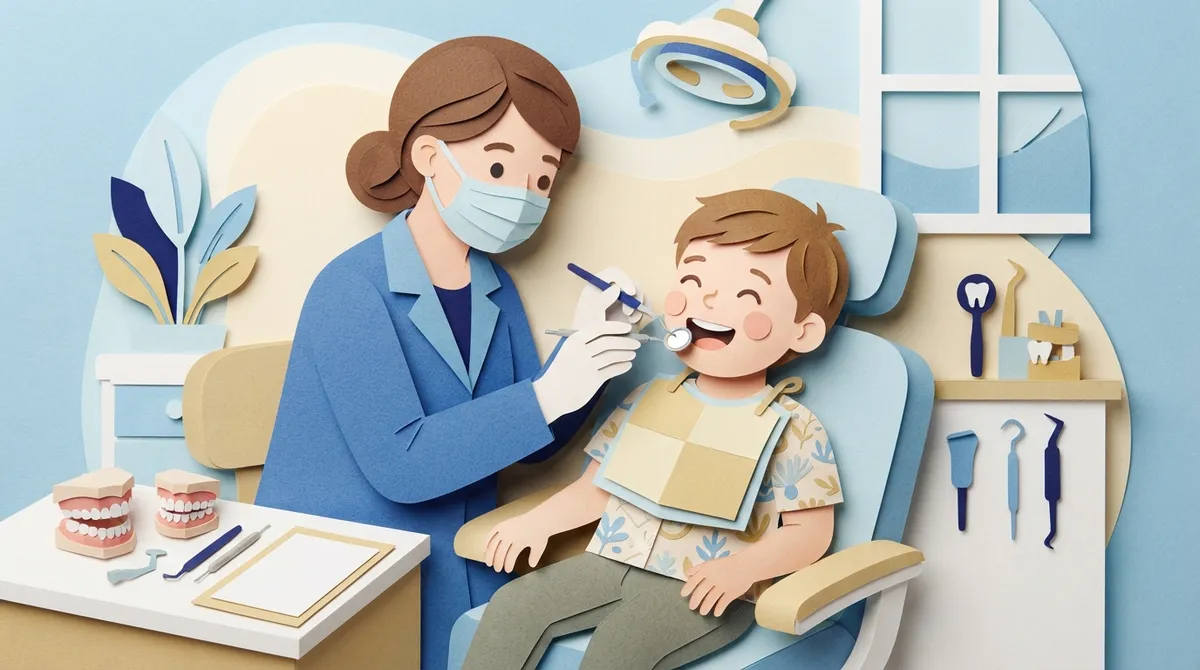
Around age 7, most kids have a mix of baby and adult teeth. This “mixed dentition” stage gives an orthodontist a great view of what’s coming. They can spot crowding, bite issues, and jaw problems early.
Here is the key point: an evaluation is not the same as starting treatment. After the visit, your orthodontist may suggest one of three paths:
- No treatment needed: Everything looks healthy and on track.
- Monitoring: Regular, quick check-ups while your child grows.
- Early (interceptive) treatment: A short phase of care for a specific problem.
If your child is older than 7, relax. You haven’t missed anything. A first visit at any age is still helpful. You can learn more about what happens at your first visit with our team.
8 Signs It May Be Time to Get Braces for Your Child
Wondering what to watch for? These eight signs are common reasons parents and dentists suggest an orthodontic visit. Not every sign means braces, but each one is worth a closer look.
1. Crowded or Overlapping Teeth
Teeth that look squished or twisted are one of the most common signs. Crowding happens when there isn’t enough room for adult teeth. It can make brushing harder and may lead to bite problems later.
Mild crowding is often watched over time. Severe crowding may benefit from earlier care, such as a tool that creates more space.
2. Gaps and Spacing Between Teeth
Some gaps are totally normal in young kids. In fact, spaces often help adult teeth come in. But very large gaps, or spaces that stay as teeth erupt, can signal missing teeth or jaw concerns.
If you’re curious about causes, our guide on teeth spacing causes and treatments breaks it down in simple terms.
3. A Crossbite or an Underbite
A crossbite means some upper teeth sit inside the lower teeth when your child bites down. An underbite means the lower teeth sit in front of the upper ones. These bite patterns can affect jaw growth and chewing.
These are often the kinds of problems where early treatment can help. You can read more in our posts on how crossbite correction works and how to fix an underbite.
4. Trouble Biting or Chewing
Does your child avoid certain foods or complain that chewing feels odd? Teeth that don’t meet the right way can make eating tricky. This is a clear sign to book a visit, no matter your child’s age.
5. Early or Late Loss of Baby Teeth
Baby teeth are placeholders. When they fall out too early, nearby teeth can drift and block the adult tooth’s path. When they fall out very late, adult teeth may come in crooked.
Either pattern is worth mentioning to an orthodontist. It can be an early clue about how the rest of the teeth will line up.
6. Thumb or Finger Sucking That Continues
Most children outgrow this habit on their own. But if thumb or finger sucking continues and seems to be changing the bite, it’s time to chat with a pro. Gentle habit support can protect your child’s growing smile.
7. A Jaw That Shifts or Clicks
If your child’s jaw slides to one side when they close their mouth, or if it clicks or pops, an exam can help. A “functional shift” like this may need early attention so the jaw can grow in a healthier way.
8. Teeth That Won’t Come In, or Come In the Wrong Spot
Sometimes an adult tooth gets stuck under the gum (impacted) or shows up in the wrong place. Extra or missing teeth can also cause trouble. X-rays and an orthodontic exam can show what’s happening and when to step in.
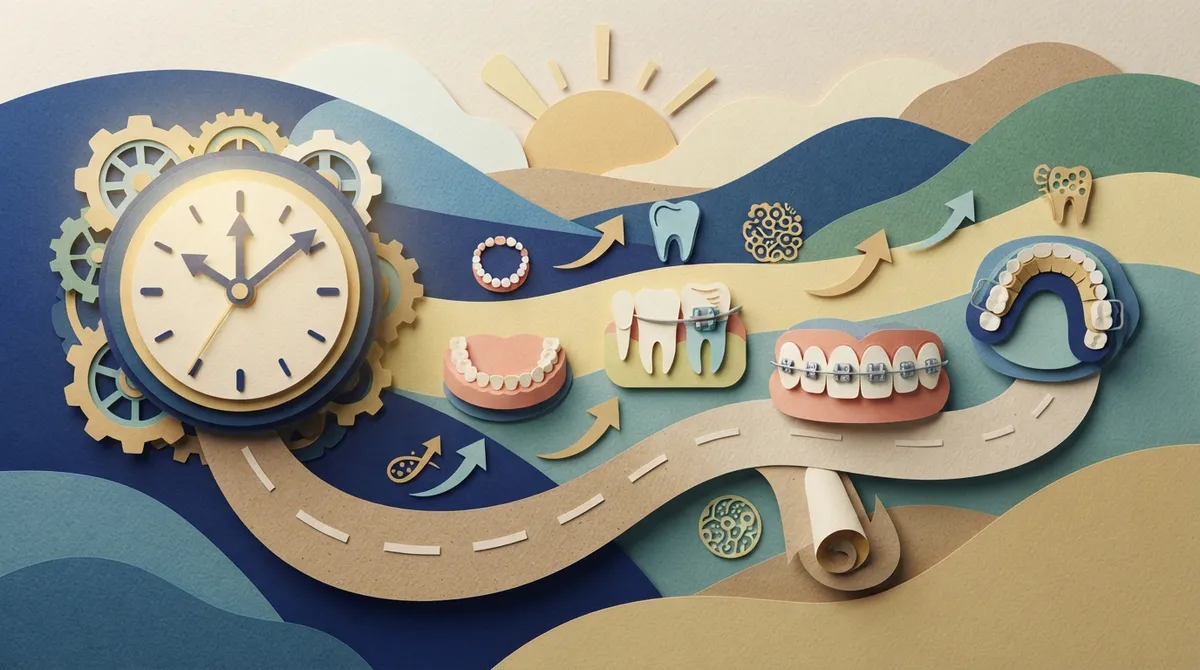
Age-by-Age Timeline: What to Expect
Every child is different, but this table shows a general flow. Remember, these are ranges, not deadlines.
| Age Range | What’s Happening | Typical Orthodontic Step |
|---|---|---|
| Around 6 to 7 | First adult teeth arrive; mixed teeth stage begins | First check-up (by age 7) |
| 7 to 9 | Bite and jaw patterns become clearer | Monitoring or early treatment if a problem shows up |
| 9 to 12 | More adult teeth come in | Many kids begin treatment, depending on development |
| 12 to 16 | Most adult teeth are in | Full braces or aligners for many teens |
According to the AAO, many patients start treatment between ages 9 and 16, depending on growth and need. The AAPD describes the mixed teeth period as roughly ages 6 to 13. Both groups agree that timing depends on the child, not the calendar.
Early Treatment vs. Waiting: How to Decide
This is where parents often feel stuck. Should you start early, or wait for more adult teeth? The answer depends on the specific issue.
When Early Treatment May Help
Early care, sometimes called interceptive treatment, can be a smart move for certain problems. These include:
- Crossbites or underbites
- Jaw shifts
- Severe crowding or spacing
- Impacted, missing, or extra teeth
- Habits that affect the bite
Early treatment may use tools other than full braces. A palatal expander, space maintainer, or limited braces are common examples. Our early treatment page explains how this works.
When Waiting Makes Sense
Many children do best when full braces start later, once more adult teeth have settled in. Waiting can also mean a shorter, more focused stage of treatment. The orthodontist weighs the benefit of treating early against the time and effort involved.
One important note: early treatment doesn’t always mean your child will skip braces later. Some kids still need a second phase after more adult teeth erupt. That’s perfectly normal, and your orthodontist will explain the plan up front.
What Happens at Your Child’s First Orthodontic Visit?
A first visit should feel easy and welcoming, not scary. Here is what usually happens, step by step.
- A friendly chat. The orthodontist asks about your child’s health, habits, and your own concerns.
- A gentle exam. They look at your child’s teeth, bite, and jaw.
- Digital records. Photos, scans, or X-rays may be taken to see what’s under the gums.
- A clear plan. You’ll hear whether to wait, monitor, or begin treatment, and why.
At Brockway Orthodontics in Clearwater, Florida, Dr. Brockway takes time to listen and explain everything in plain language. We use modern tools like digital impressions instead of messy molds, plus 3D imaging for precise planning. In certain cases, we can even offer same-day treatments, which is a lifesaver for busy families.
Braces Options Your Child May Hear About
If treatment is recommended, there is usually more than one path. Here is a quick comparison to help you picture the choices.
| Option | Best For | Good to Know |
|---|---|---|
| Metal braces | Complex bites and active kids | Strong, reliable, and available in fun colors |
| Ceramic (clear) braces | Teens who want a subtle look | Tooth-colored brackets blend in |
| Clear aligners | Older kids and teens who can follow a wear schedule | Removable, but require good daily habits |
| Early appliances | Younger kids with a specific problem | Often a short first phase |
We offer metal braces, ceramic braces, and Spark™ Clear Aligners, a more affordable alternative to Invisalign. You can explore more on our braces overview and our Spark Clear Aligners page. Not sure which fits your child? Our post on braces vs. clear aligners for kids can help.
Tips to Help Your Child Feel Ready
Kids do best when they feel in the loop. A few simple steps can make the whole journey smoother.
- Talk it up in a positive way. Describe braces as a smile project, not a punishment.
- Keep up daily brushing. Healthy gums make treatment easier.
- Ask questions together. Let your child speak up at appointments.
- Plan for the budget. Ask about payment options early so there are no surprises.
Cost is a big part of the decision for many families. If you’d like to understand your choices, take a look at our financing and insurance page.
Ready to Take the Next Step?
So, when should you get braces for children? Start with a check-up by age 7, or sooner if you spot one of the signs above. From there, your orthodontist will help you choose the best moment, whether that’s now, in a year, or in several years. There’s no rush to guess alone.
You can also see what other families say by reading Brockway Orthodontics reviews on Google. For trusted background information, the American Dental Association and the Florida Association of Orthodontists are helpful resources, and our own guide, Orthodontics for Kids: What Every Parent Should Know, goes even deeper.
Brockway Orthodontics is proud to be a go-to orthodontist in Clearwater, Florida, for the whole family. If you’re ready to find out where your child’s smile stands, book an appointment online and we’ll walk you through every step with a smile.
FAQs
Q: At what age should a child first see an orthodontist?
A: The American Association of Orthodontists recommends a first check-up by age 7, or sooner if you or your dentist notice a possible problem. Don’t worry if your child is older, though. It’s never too late for a first visit, and you haven’t missed your chance.
Q: Does a 7-year-old need braces?
A: Not usually! The age 7 visit is an evaluation, not a start date for braces. Most 7-year-olds are simply monitored, while a few with specific issues like a crossbite may benefit from a short early treatment phase.
Q: Should children wait until all their permanent teeth come in before getting braces?
A: Many kids who need full braces do start later, once more adult teeth have erupted. But some problems, like crossbites or jaw shifts, can be easier to fix early. Your orthodontist will look at your child’s growth and tell you the best timing.
Q: Can early braces prevent the need for braces later?
A: Sometimes early treatment makes later care simpler, but it doesn’t guarantee your child will skip braces altogether. Some children need a second phase after more adult teeth come in. Your orthodontist will explain the full plan from the start.
Q: What happens at a child’s first orthodontist appointment?
A: You’ll chat about your child’s health and habits, then the orthodontist will do a gentle exam of the teeth, bite, and jaw. Photos, scans, or X-rays may be taken, and you’ll leave with a clear plan to wait, monitor, or begin treatment.
Our Service Area