Key Takeaways
-
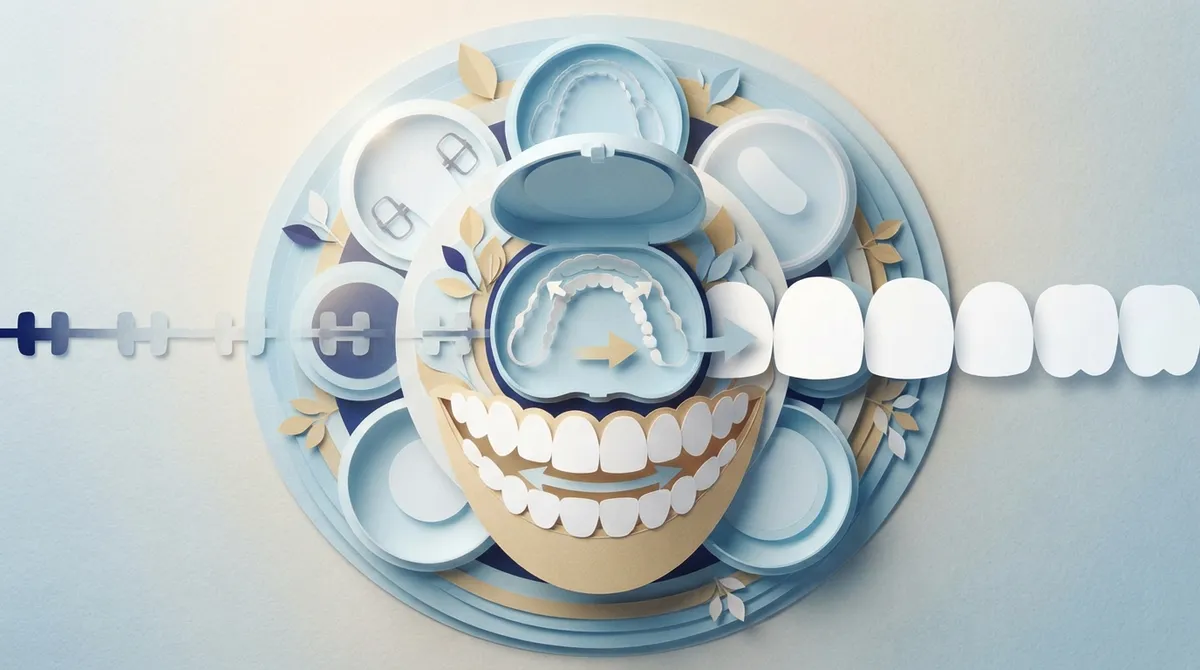
Finishing braces is not the end of orthodontic care; teeth naturally drift back, so retention is crucial and represents the final chapter of treatment, not an optional epilogue.
-
Before leaving your final appointment, confirm your retainer type, daily wear schedule, post-treatment review visit timing, and what to do if it breaks or stops fitting properly.
-
Do not follow friends' retainer schedules; retainer wear plans are individualized by your orthodontist and skipping post-treatment visits risks tooth shifting and fitting problems.
-
Always store removable retainers in their case when not wearing them to prevent loss or damage; call your orthodontist immediately if your retainer feels tight, as this signals teeth movement.
-
Wait to whiten teeth until after consulting your orthodontist and dentist, as sensitivity is common after braces removal, and avoid damaging habits like chewing pens or ice.
-
Keep regular dental checkups with your general dentist after braces removal, and contact your orthodontist quickly if you lose your retainer or notice tooth gaps, as early intervention prevents costly shifting.
You have counted the months, dodged the popcorn, and faithfully worn every rubber band. Now your last orthodontist appointment is on the calendar, and you are probably picturing a big, shiny, brace-free grin. That day is exciting! But here is a little secret: what you do around that visit matters almost as much as the visit itself.
Many patients walk out of their final braces appointment feeling like they have crossed the finish line. In reality, they are stepping into the next phase, which is keeping that new smile in place. Small slip-ups can lead to shifting teeth, lost retainers, and a lot of frustration.
In this friendly guide, we walk through 11 common mistakes people make at (and after) their last orthodontist appointment. Whether you are a parent helping a nervous kid, a teen eyeing graduation photos, or an adult professional who just wants to get on with life, these tips will help you protect the work you have put in. And if you are searching for a caring team in Pinellas County, Dr. Brockway and her team are always happy to guide you through this milestone.
What Is the Last Orthodontist Appointment, Really?
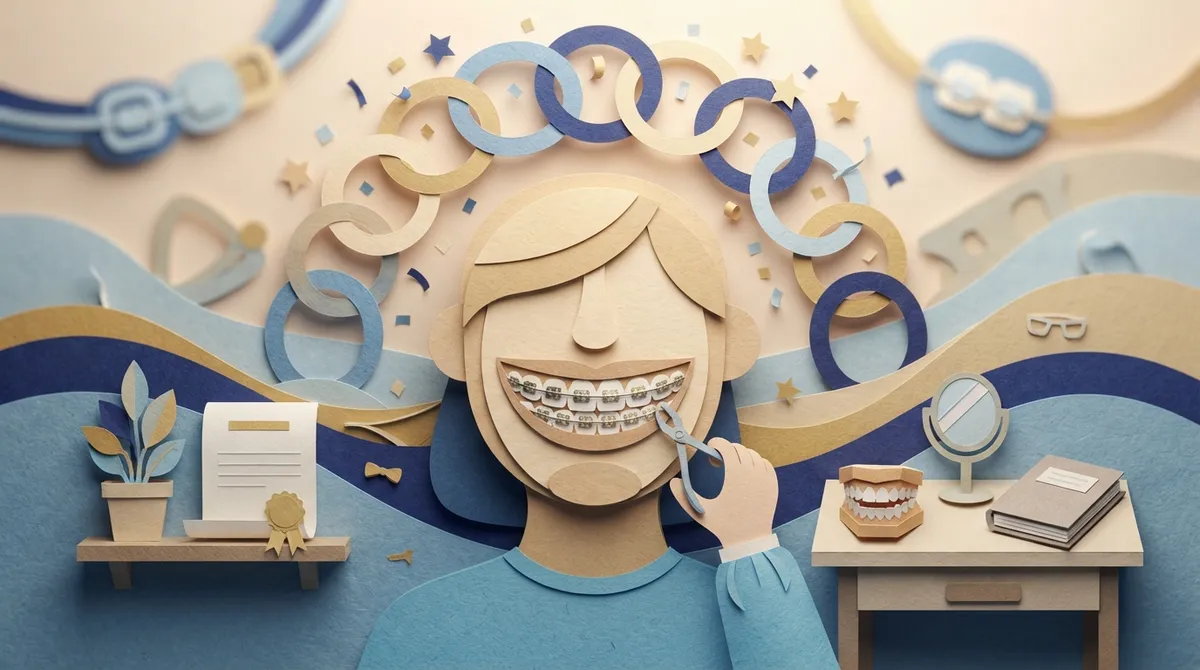
The last orthodontist appointment usually means the visit when active treatment ends. For braces patients, that is often the braces-removal visit. For clear aligner patients, it is the visit when the final aligner is complete and your orthodontist confirms the result.
Here is the important part: it is not always the final orthodontic visit. Retention and follow-up are part of keeping your results. Your orthodontist may schedule review visits to check tooth stability and retainer fit.
What Usually Happens at the Visit
While every practice is a little different, a typical braces-removal visit includes these steps:
- The orthodontist checks your tooth alignment and bite one more time.
- Brackets, wires, and bands are gently removed.
- Leftover bonding material is cleaned off your teeth.
- Photos, scans, impressions, or X-rays may be taken, depending on your plan.
- You receive instructions for your retainer and your follow-up schedule.
Many patients feel some pressure when brackets come off, and teeth can feel a bit sensitive afterward. Your orthodontist should explain what to expect and when to call the office if discomfort lingers.
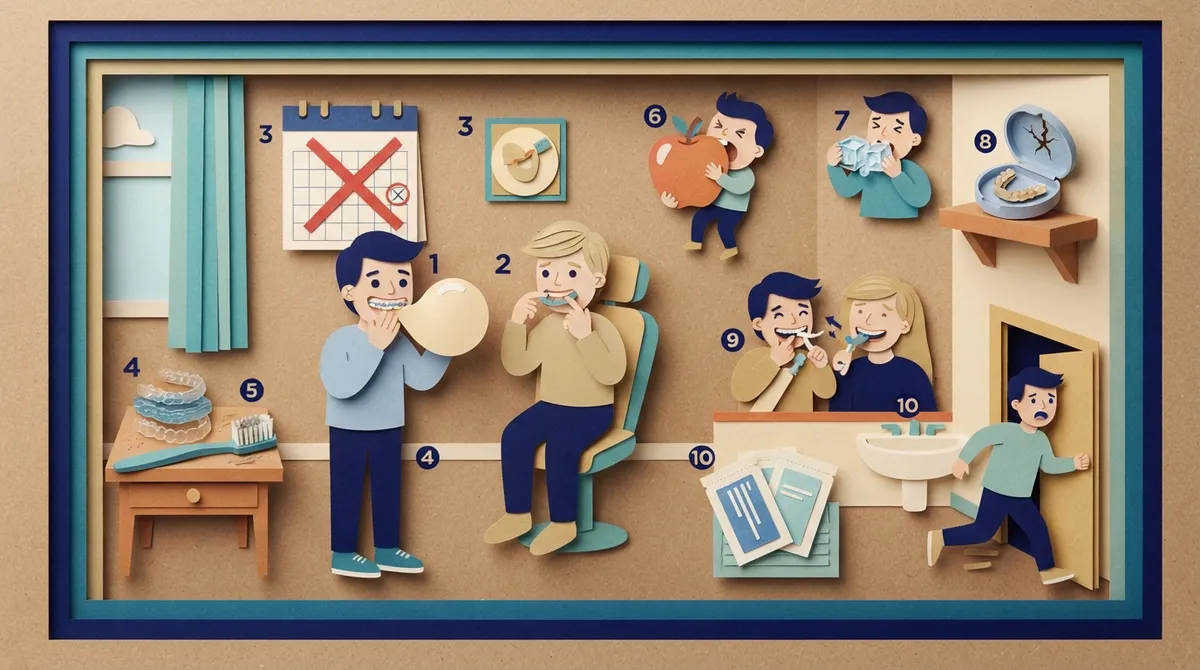
11 Mistakes to Avoid Around Your Last Orthodontist Appointment
Mistake 1: Assuming You Are Totally Done
This is the biggest one. Finishing braces does not mean you are finished with orthodontic care. Teeth naturally want to drift back toward their old spots, so retention is a real part of the plan. Think of it as the final chapter of your treatment story, not an epilogue you can skip.
Mistake 2: Not Asking About Your Retainer Plan
Before you leave, make sure you know which retainer you are getting and when you will get it. Some patients receive a retainer the same day their braces come off. Others get one soon after. Ask your orthodontist:
- Is my retainer removable, fixed (bonded), or both?
- How many hours a day should I wear it at first?
- When can I move to nighttime wear, if ever?
- What should I do if it breaks or no longer fits?
You can learn more about your options on our retainers page.
Mistake 3: Following a Friend’s Retainer Schedule
Your cousin wears her retainer only at night. Your coworker said he stopped after six months. That does not mean the same plan fits you. Retainer instructions are individualized. Some patients begin with near-full-time wear and transition to nights later, and many need long-term retention. Always follow your orthodontist’s schedule.
Mistake 4: Skipping the Post-Treatment Review Visits
Those short follow-up visits can feel optional, but they are not. Your orthodontist checks tooth stability, retainer fit, and your overall oral health. The timing and number of visits vary by practice and by patient, so ask about yours before you leave. If you are asked to bring your removable retainer, do not forget it!
Mistake 5: Letting Your Retainer Live in a Napkin
We have all heard the sad story. A retainer wrapped in a napkin on a lunch tray ends up in the trash. Always keep your retainer in its case when it is not in your mouth. A case is cheap. Replacing a retainer is not. If something does go wrong, our guide on what to do if your retainer breaks can help.
Mistake 6: Ignoring a Tight or Poorly Fitting Retainer
If your retainer suddenly feels snug, that can be a sign your teeth have started to move. Do not just push it in harder or stop wearing it. Call your orthodontist so they can check the fit. Early attention often means a simple fix.
Mistake 7: Rushing to Whiten Your Teeth Without Asking
It is tempting! You want that bright, camera-ready smile right away. But it is smart to ask your orthodontist and dentist about the best timing and method. Sensitivity after braces removal is common, so check first. Our tips on getting white teeth after braces can point you in the right direction.
Mistake 8: Going Back to Old Habits Too Fast
Chewing on pens, biting ice, or using your teeth to open packages can damage retainers and stress your teeth. Once your braces are off, you can enjoy more foods, but ask your orthodontist when it is safe to return to your normal diet, and be gentle with fixed retainers.
Mistake 9: Skipping Regular Dental Checkups
Orthodontics straightens teeth. It does not replace routine cleanings and exams. Keep seeing your general dentist for checkups and cleanings after treatment. Healthy gums and teeth help your results last. This is especially important for health-conscious patients and anyone with gum concerns.
Mistake 10: Waiting Too Long to Call About Problems
Lost your retainer? Noticed a gap opening up? Feeling like your bite is different? Do not wait and hope it fixes itself. Teeth can shift even after treatment is finished, and the sooner you call, the easier the solution tends to be. If you ever need quick help, we have a guide on emergency vs. routine orthodontics.
Mistake 11: Not Preparing Your Questions Ahead of Time
It is easy to forget everything you wanted to ask once you are in the chair. Write down your questions beforehand. Bring your retainer case, your insurance info if needed, and a list of concerns. A little prep makes the visit smoother for everyone.
Quick Comparison: Fixed vs. Removable Retainers
Your orthodontist will recommend the right option for you. Here is a general overview of how the two main types compare:
| Feature | Removable Retainer | Fixed (Bonded) Retainer |
|---|---|---|
| How it works | You take it in and out | Bonded behind teeth |
| Cleaning | Brush and rinse the retainer | Floss carefully around the wire |
| Risk of loss | Higher, if not kept in a case | Lower, since it stays in place |
| Wear schedule | Set by your orthodontist | Worn continuously |
| Best for | Patients who can be consistent | Patients at higher risk of shifting |
Some patients receive both types. The right choice depends on your case and your orthodontist’s assessment.
How Long Until Your Last Appointment?
If you are still in the middle of treatment and wondering when that big day will arrive, here is what the research says. A 2016 systematic review of 22 studies with 1,089 participants found a mean fixed-appliance treatment time of about 19.9 months. Many sources describe a typical range of roughly 18 to 24 months.
Keep in mind that these are averages, not promises. Your own timeline depends on:
- How complex your case is
- How your teeth and bone respond to treatment
- How well you follow instructions and keep appointments
Want a deeper look at timelines? Our friendly guide, How Long Do You Have to Wear Braces?, breaks it all down. And remember, active treatment time is not the same as the time until your last orthodontist appointment, since retention can continue after your braces or aligners are done.
Tips for Different Patients
For Parents of Kids and Teens
Help your child build a retainer routine early. Pick a spot for the case, like the nightstand, and make it part of bedtime. Pair the habit with brushing so it sticks. Our guide on orthodontics for kids has more ideas for families.
For Teens and Young Adults
Big events like graduation or prom are great motivators, but your smile needs to last well past the photos. Keep your retainer case in your backpack and set a phone reminder until the habit is automatic.
For Busy Adult Professionals
Between meetings and travel, it is easy to leave a retainer in a hotel room. Keep a spare case in your work bag and one at home. If you have clear aligners, our Spark™ Clear Aligners are a discreet option that fits a busy schedule.
For Patients Dealing With Relapse
If your teeth have shifted after earlier treatment, you are not alone, and it is not a failure. Many adults come back for retreatment and love the results. Learn more about adult treatment options and what is possible.
Why Families Choose Brockway Orthodontics
At Brockway Orthodontics, we believe the last orthodontist appointment should feel like a celebration, not a mystery. Dr. Brockway takes time to listen, explain, and make sure you leave feeling confident about your retention plan. Our Clearwater office uses modern tools like digital impressions and 3D imaging, which means a more comfortable experience from start to finish.
We offer metal braces, ceramic (clear) braces, and Spark™ Clear Aligners for kids, teens, and adults. Curious what other patients think? See what people say on Google at Brockway Orthodontics. You can also check industry resources like the American Dental Association and the Florida Association of Orthodontists for general oral health and orthodontic guidance.
Your Last Appointment Checklist
Use this simple list so nothing slips through the cracks:
- Confirm when you will receive your retainer and what type it is.
- Write down your wear schedule and any changes planned later.
- Ask when your first post-treatment review visit will be.
- Learn how to clean your retainer safely.
- Know who to call if your retainer is lost, damaged, or feels tight.
- Book your next regular dental cleaning.
Ready to Protect Your New Smile?
Your last orthodontist appointment is a big moment, and you have earned it. A little planning keeps your results looking great for years to come. Wear your retainer as directed, keep your follow-up visits, and reach out quickly if something feels off.
Have questions about your own treatment or thinking about starting? We would love to meet you. Book your appointment online or contact our friendly team today, and let us help you smile with confidence!
FAQs
Q: What happens at the last orthodontist appointment?
A: At a braces-removal visit, your orthodontist removes the brackets, wires, and bands, cleans off leftover bonding material, and checks your alignment and bite. They may also take photos, scans, or X-rays, then explain your retainer plan. It is usually a happy, relaxed visit!
Q: Does getting braces removed hurt?
A: Most people feel pressure rather than sharp pain, and some notice sensitivity afterward. Your orthodontist should explain what to expect. If discomfort sticks around, give the office a call so they can check things out.
Q: Do I get my retainer on the same day my braces come off?
A: It depends on your orthodontist and your treatment plan. Some patients get a retainer the same day, while others receive it soon after. Ask about the timing before your visit so you are never left without protection.
Q: How long do I have to wear a retainer after braces?
A: There is no single schedule that fits everyone. Many patients start with near-full-time wear and later move to nighttime wear, and many need long-term retention. Follow the plan your own orthodontist gives you.
Q: Will I need more orthodontist appointments after my braces are removed?
A: Often, yes. Review visits may be scheduled to check tooth stability, retainer fit, and oral health. The number and timing vary by practice and patient, so ask your orthodontist what to expect.
Our Service Area