Key Takeaways
-
A crossbite is when one or more upper teeth bite inside or outside the lower teeth, and it can affect children, teens, and adults. It is common and very treatable.
-
Don't assume a crossbite is just cosmetic: it can be linked to a jaw shift, uneven tooth wear, chewing trouble, or uneven jaw growth, so get it checked.
-
Don't count on a crossbite fixing itself; self-correction rates vary widely (about 12% to 77% for posterior crossbites), so an orthodontic exam is the safer plan.
-
The American Association of Orthodontists recommends an orthodontic check-up by age 7 so experts can spot problems early and advise on timing.
-
Watch for jaw shifting to one side when biting down and report it, since a functional crossbite can pull the lower jaw off its natural path over time.
-
Treatment varies: palatal expanders, braces, clear aligners, or a combination may be used, and adults can be treated too, often with discreet options.
Have you ever looked in the mirror and noticed that your upper teeth sit behind your lower teeth, or that your jaw slides to one side when you close? If so, you may be dealing with a crossbite. And if you are asking, “what is a crossbite?” you are in good company. It is a very common bite problem, and the good news is that it is also very treatable.
A crossbite happens when some of your upper teeth bite on the wrong side of your lower teeth. It can show up in kids, teens, and adults. Many people ignore it for years because it does not always hurt. But waiting, guessing, or trying the wrong fix can turn a simple problem into a bigger one.
In this friendly guide, we will explain what a crossbite is, how it happens, and the 10 most common mistakes people make along the way. Think of it as a chat with a trusted friend who happens to know a lot about smiles. Let’s get started!
What Is a Crossbite? A Simple Explanation
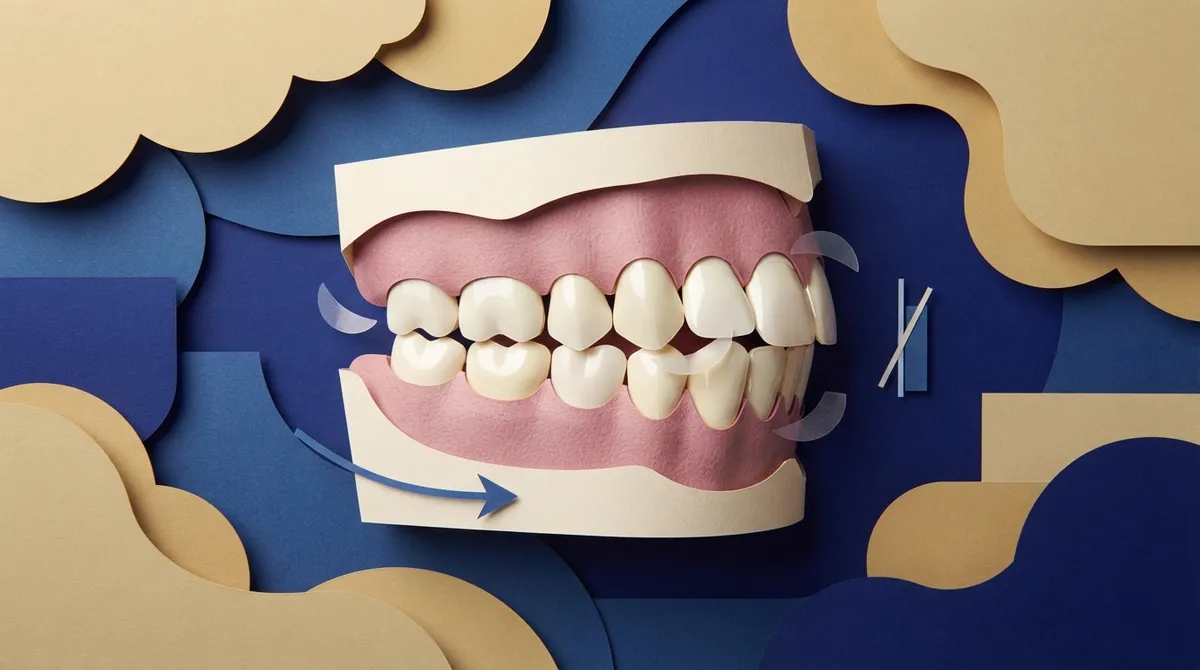
A crossbite is a type of malocclusion, which is just a fancy word for a bite that does not line up the way it should. In a healthy bite, your upper teeth sit slightly outside your lower teeth, like the lid on a box. In a crossbite, one or more upper teeth bite inside, or sometimes too far outside, the lower teeth.
It can involve a single tooth or many teeth. It may come from tooth position, the width of your jaws, or the way your jaw closes. That is why an orthodontic exam matters. Looking at a smile in the mirror cannot tell you the cause.
Anterior vs. Posterior Crossbite
Crossbites are grouped by where they happen in the mouth. Here is a quick look:
| Type | Where It Happens | What It Looks Like |
|---|---|---|
| Anterior crossbite | Front teeth | One or more upper front teeth sit behind the lower front teeth |
| Posterior crossbite | Back teeth | Upper back teeth sit inside the lower back teeth |
| Buccal crossbite (less common) | Back teeth | Upper back teeth bite too far outside the lower teeth; a severe form is called a scissors bite |
Terms can vary a little depending on which arch and teeth are being described. Your orthodontist will explain exactly what you have.
Dental, Skeletal, and Functional Crossbites
Crossbites also differ by cause. Knowing the type helps decide the best treatment.
- Dental crossbite: The teeth themselves are tilted or out of position, but the jaws are fine.
- Skeletal crossbite: The upper and lower jaws do not match in size or position, often because the upper jaw is narrow.
- Functional crossbite: Something blocks a smooth bite, so the lower jaw shifts sideways or forward to make the teeth meet.
How Common Is a Crossbite?
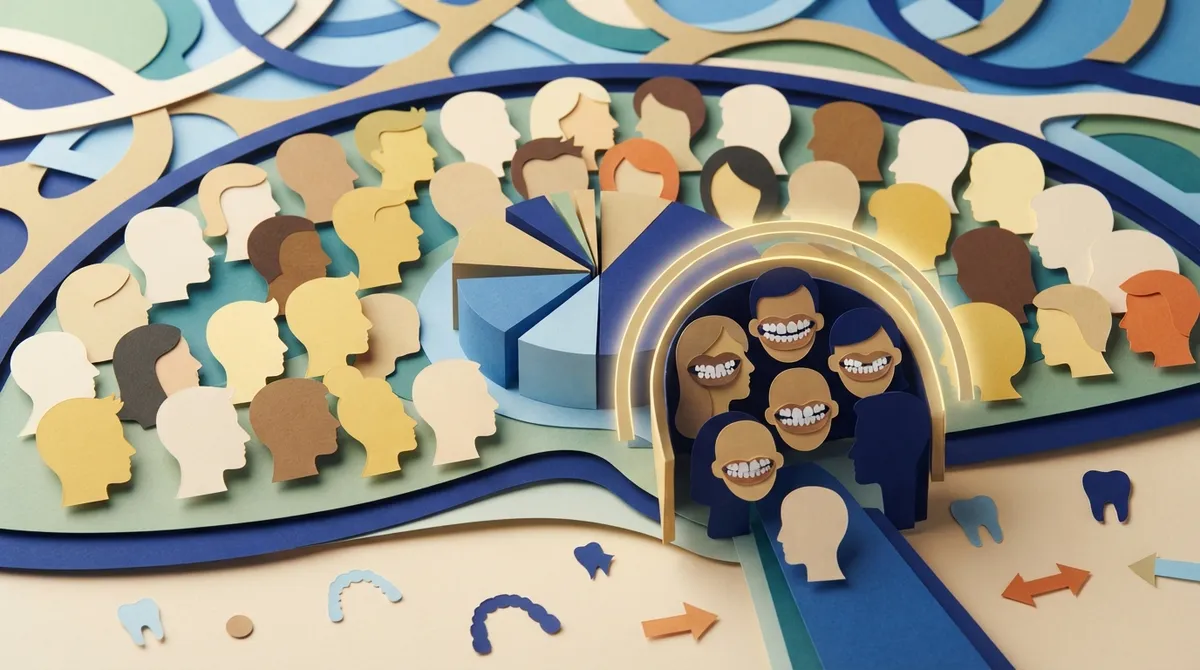
You are not alone if you have one. A 2022 systematic review of healthy children and teens reported average prevalence of about 7.8% for anterior crossbite, 9.0% for posterior crossbite, and 12.2% for crossbite with a functional shift. Estimates varied quite a bit between studies and populations, so these numbers are a general guide, not a promise for any one child.
Crossbites are common enough that orthodontists see them every day. That means there is a lot of experience behind treating them well.
10 Crossbite Mistakes That Delay a Healthy Bite
Now for the heart of this guide. Here are the 10 most common missteps, and what to do instead.
1. Assuming It Is Just a Cosmetic Quirk
Many people think a crossbite is only about looks. But your bite is a working system. A crossbite can be linked to a jaw shift, uneven tooth wear, chewing trouble, or uneven jaw growth, especially when a functional shift is involved. These are possible concerns, not sure outcomes. An exam can tell you whether your bite needs attention.
2. Waiting for It to Fix Itself
Some crossbites do improve on their own, and that is where the confusion starts. A 2023 systematic review found that self-correction of posterior crossbite varied widely. It ranged from about 12% to 77% between baby teeth and mixed dentition, and the pooled estimate was around 43.6%. Those numbers cannot predict what will happen for your child. Waiting and hoping is not a plan. Having it checked is.
3. Skipping the Age 7 Check-Up
The American Association of Orthodontists recommends that children have an orthodontic check-up by age 7. This does not mean every crossbite is treated at 7. It simply means an expert can spot problems early and tell you the best timing. Learn more about early treatment and why timing matters for growing smiles.
4. Ignoring a Jaw Shift
If your child’s jaw slides to one side when they bite down, do not brush it off. A functional crossbite can pull the lower jaw out of its natural path. Over time, this may affect how the jaw grows. Mention any shifting, clicking, or a “crooked” closing pattern at your first visit.
5. Blaming Only Genetics
Genes do play a role. Inherited tooth and jaw traits can contribute. But other things matter too, like differences in upper and lower jaw width, baby teeth that come out late or erupt in odd positions, and long-term habits such as thumb sucking. Knowing the real cause helps you pick the right fix.
6. Overlooking Habits Like Thumb Sucking
Persistent thumb sucking can narrow the upper jaw and push teeth out of place. If your little one still has this habit past the toddler years, bring it up at your child’s visit. Gentle habit guidance, plus the right orthodontic plan, can make a big difference.
7. Trying a DIY Fix or a Mail-Order Shortcut
It is tempting to search for quick fixes, but a crossbite is a bite issue, not just a spacing issue. A narrow jaw or a functional shift needs a real diagnosis. Guessing at home can waste time and money, and it may make things worse. A professional exam is the safest first step. You can read more about how crossbite correction works before you decide.
8. Thinking Only Braces Can Fix It
Braces are great, but they are not the only tool. Depending on your case, treatment may include a palatal expander to widen the upper jaw, braces, clear aligners, or a mix of these. The best choice depends on whether the problem is dental, skeletal, or functional, plus your growth and personal needs.
| Treatment Option | Best For | How It Helps |
|---|---|---|
| Palatal expander | Narrow upper jaw, often in growing children | Gently widens the upper jaw so teeth can fit together |
| Braces | Many dental and combined cases, all ages | Moves teeth into the right position with steady, controlled force |
| Clear aligners | Mild to moderate dental crossbites, teens and adults | Moves teeth in a discreet, removable way |
| Combination approach | More complex or skeletal cases | Pairs jaw expansion with tooth movement |
Curious about your options? Take a look at all about braces and our Spark™ Clear Aligners.
9. Assuming Adults Are Too Late
Not true! Many adults have a crossbite that was never treated, or one that returned after past treatment. Adults can absolutely get help, and options are often more discreet than people expect. If you are worried about age, our adult treatment page is a great place to start. And if you had braces before and your bite shifted back, you are far from the only one. Retreatment is a common, positive step.
10. Skipping Retainers After Treatment
Finishing treatment feels amazing, but your teeth like to drift back. Retainers help hold your new bite in place. Wear them just as your orthodontist advises. It protects all the hard work you put in. Read about retainers to see which type might suit you.
How Do Orthodontists Find and Diagnose a Crossbite?
A crossbite is diagnosed in person. Looking at photos or guessing from a mirror is not enough. Here is what usually happens at an exam:
- A friendly conversation. We ask about your concerns, habits, and any jaw discomfort.
- A bite check. We look at how your teeth meet and whether your jaw shifts when you close.
- Digital imaging and records. Modern scans and 3D images show tooth and jaw position clearly, without messy molds.
- A custom plan. We explain the cause, the options, and the timing so you feel confident.
Not every crossbite causes symptoms. So appearance alone does not show how serious it is or why it happened. That is why a proper exam matters. If you are wondering what to expect, see your first visit.
Who Should Pay Attention to a Crossbite?
A crossbite touches many different people. Here are a few who often benefit from a closer look:
- Parents of children and teens: Early checks can catch jaw width problems while growth is still on your side.
- Teens and young adults: A better bite can boost confidence before graduations and big events, and modern options are discreet.
- Busy adult professionals: Efficient, low-profile treatments can fit a demanding schedule.
- Past orthodontic patients: If your bite changed after earlier treatment, retreatment can restore it.
- Health-conscious patients: A well-aligned bite supports even chewing and easier cleaning.
What Happens If a Crossbite Is Left Untreated?
This is a very common question. An untreated crossbite may be linked to a jaw shift, uneven tooth wear, chewing difficulty, or uneven jaw development, especially when a functional shift is present. Again, these are potential concerns, not guaranteed outcomes. Some people live with a mild crossbite for years with no issues. Others notice problems sooner. The only way to know where you stand is to have an orthodontist take a look.
Why Choose Brockway Orthodontics in Clearwater
At Brockway Orthodontics, we love helping families feel great about their smiles. Dr. Brockway takes time to listen, explain your options in plain language, and build a plan that fits your life. We offer metal braces, ceramic braces, and Spark™ Clear Aligners, a more affordable alternative to Invisalign, so there is an option for kids, teens, and adults.
Our office uses modern tools like digital impressions and 3D imaging, so your visits are comfortable and precise. In certain cases, same-day treatments are available to save you extra trips. We are proud to serve our community and treat every patient like family. Want to hear from neighbors? Visit us on Google — Brockway Orthodontics and read what Clearwater patients say.
You can also explore professional resources from the Florida Association of Orthodontists and general oral health guidance from the American Dental Association. Both are helpful places to learn more.
Ready to Check Your Bite?
A crossbite is simply a bite that does not line up the way it should, and it comes in a few different forms. The earlier you understand yours, the more options you usually have. Avoiding the 10 mistakes above puts you on the right path to a comfortable, healthy bite.
If you or your child may have a crossbite, we would love to meet you. Book appointment online for a friendly, no-pressure visit, or contact us with any questions. Your best smile is closer than you think!
FAQs
Q: What does a crossbite look like?
A: In a crossbite, one or more upper teeth sit inside (or sometimes too far outside) the lower teeth when you bite down. You might notice upper front teeth behind the lower ones, or a jaw that slides to one side when you close. Since looks alone cannot show the cause, a quick orthodontic exam is the best way to know for sure.
Q: Can a crossbite correct itself?
A: Sometimes it can, but it is hard to predict. Research shows that self-correction rates vary widely, so you cannot count on it for any one child. The friendliest approach is to have an orthodontist check it so you know whether to watch and wait or start treatment.
Q: How do orthodontists treat a crossbite?
A: Treatment depends on the type and your growth. Options include a palatal expander to widen the upper jaw, braces or clear aligners to move teeth, or a mix of these. Your orthodontist will pick the plan that fits your smile and your life.
Q: When should a child see an orthodontist for a crossbite?
A: The American Association of Orthodontists suggests a first check-up by age 7. That does not mean treatment starts right then. It simply lets an expert spot a crossbite early and tell you the best timing for your child.
Q: What happens if a crossbite is left untreated?
A: An untreated crossbite may be linked to a jaw shift, uneven tooth wear, chewing difficulty, or uneven jaw growth. These are possible concerns, not sure outcomes, and every case is different. An orthodontic assessment can tell you whether and when treatment makes sense.
Our Service Area