Key Takeaways
-
Most people wear retainers full time at first, then switch to nightly wear, and many keep wearing them at night long term. Your orthodontist sets the exact schedule.
-
Teeth can drift back toward their original positions without retainer support, a process orthodontists call relapse, so consistent wear protects your results.
-
Never cut back on wear on your own; your orthodontist decides when it is safe to reduce nightly wear to a few nights a week.
-
A retainer that suddenly feels tight after missed nights is a sign teeth have shifted; do not force it on, and contact your orthodontist to check the fit.
-
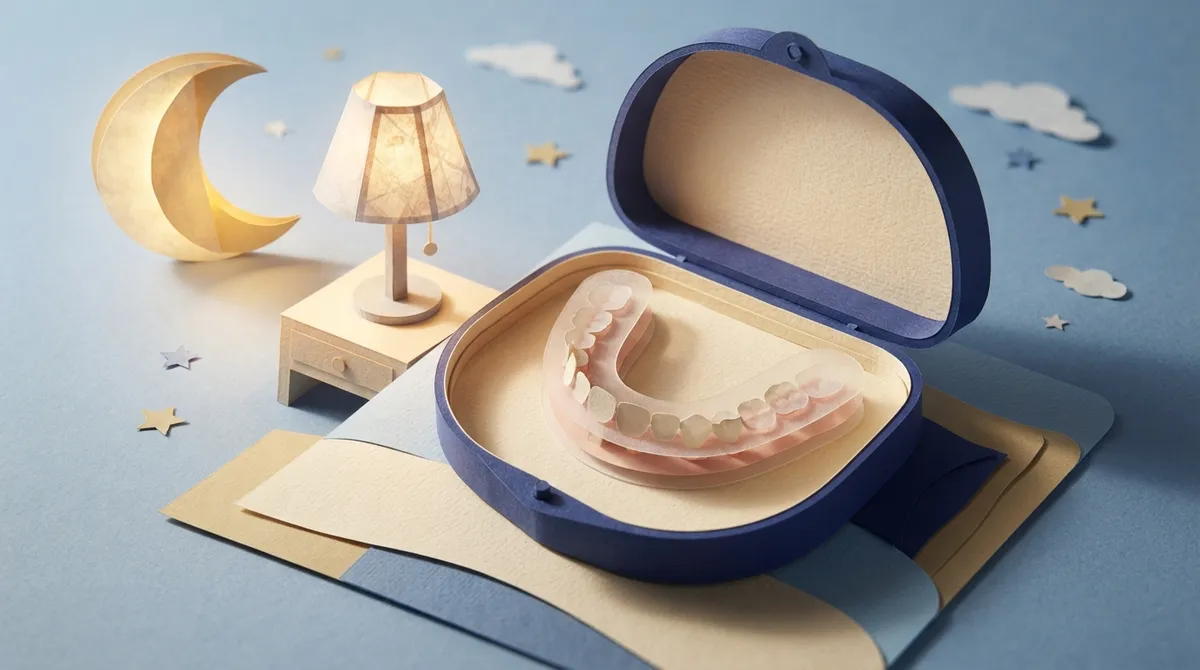
Keep your removable retainer in its case, never wrap it in a napkin, clean it daily with a soft brush and mild soap, and keep it away from heat to prevent warping.
-
If a retainer breaks or goes missing, call your orthodontist promptly and never attempt to bend or repair a fixed retainer yourself.
You did it! The braces are off, the aligners are done, and your smile looks amazing. Then your orthodontist hands you a retainer and says, “Wear this.” If your first thought was, “For how long?”, you are in good company. It is one of the most common questions we hear, and it is a smart one to ask.
So, how long do you need to wear retainers? The short answer is this: most people wear them full time at first, then switch to nights only, and many keep wearing them at night for the long haul. The exact plan depends on your teeth, your retainer type, and your orthodontist’s advice. There is no single schedule that fits everyone.
In this friendly guide, we will walk you through why retainers matter, what a typical schedule looks like, and what to do if your retainer feels tight or breaks. Whether you are a parent helping a teen, a young adult prepping for a big event, or a busy professional who wants to protect your investment, you will find clear answers here.
Why Do You Need to Wear Retainers at All?
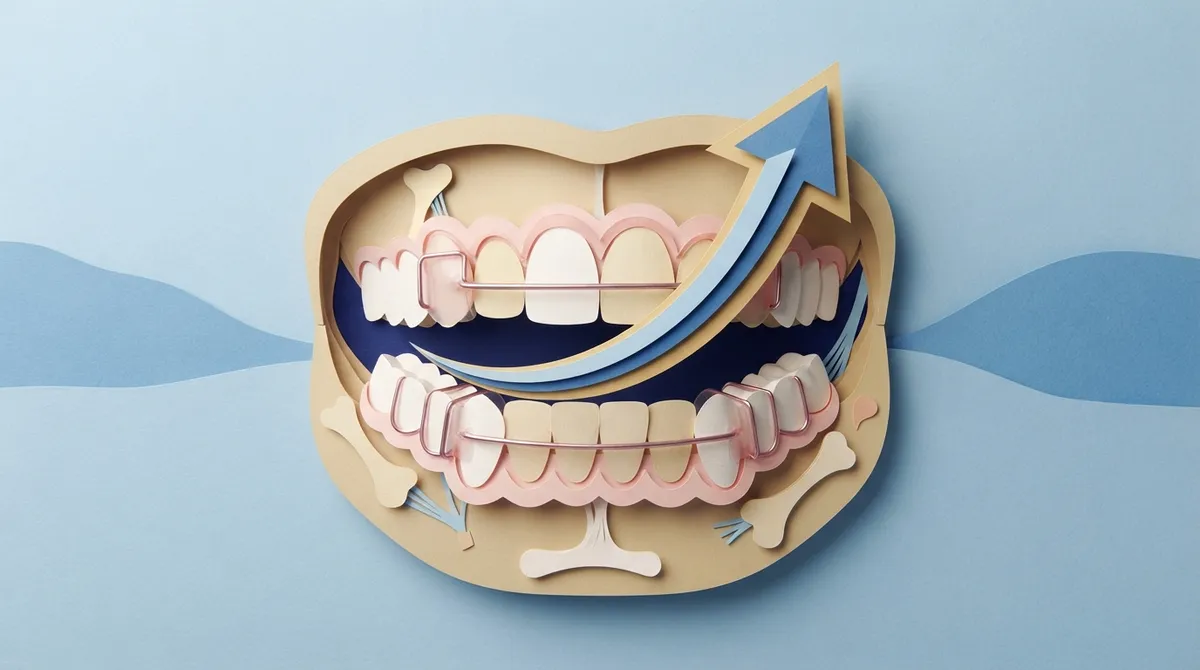
Here is the big secret: straight teeth do not stay put on their own. When braces or clear aligners move your teeth, the bone and gum tissue around them need time to settle into the new positions. Without support, teeth can slowly drift back toward where they started. Orthodontists call this relapse.
A retainer holds your teeth in their new home while everything around them adapts. Think of it like setting a fresh coat of paint. It looks great right away, but it needs time to dry before you can touch it.
Teeth also move naturally over a lifetime. Chewing, aging, and even habits like clenching can nudge them around. That is why retainers are not just a short-term step. They are the “keep it straight” part of your orthodontic care.

How Long Do You Need to Wear Retainers? The Typical Timeline
Every smile is different, but many treatment plans follow a similar pattern. Your orthodontist will set the exact schedule for you, so treat the timeline below as a general guide.
| Stage | Typical Wear Schedule | What It Does |
|---|---|---|
| First few months | Full time, removed only for eating and brushing | Locks teeth in place while bone and gums settle |
| First year or so | Nightly wear, often 10 or more hours | Protects against early relapse |
| Long term | Several nights a week, or nightly, as advised | Maintains your results for life |
Some health guidance recommends nightly wear for at least the first year before any gradual reduction. One NHS hospital leaflet calls for a minimum of 10 hours per night, though that is an example protocol and not a universal rule. A 2025 review also notes that some published plans suggest at least 10 hours a day in year one, then 6 to 8 hours nightly over the long term. The same review points out that protocols vary and the evidence is still limited. That is exactly why your own orthodontist’s plan matters most.
Do You Have to Wear a Retainer Forever?
This is the question everyone whispers. The honest answer: long-term or even indefinite wear is commonly recommended if you want to keep your results. Teeth can shift over time, including with age, so stopping completely can allow changes to creep back in.
The good news is that “forever” does not mean wearing it all day. For most people, it becomes a simple bedtime habit, like brushing your teeth. Some patients wear their retainer every night. Others can cut back to a few nights each week once their orthodontist gives the green light.
Never cut back on your own, though. Your orthodontist checks how your teeth respond and decides when it is safe to reduce wear. A quick check-in beats a costly retreatment later.
How Your Retainer Type Changes the Schedule
Not all retainers work the same way. The kind you have shapes how and when you wear it. You can learn more about the options on our retainers page.
Removable Retainers
These include clear plastic trays and wire-and-acrylic styles. You take them out to eat and brush, so wearing them as directed is up to you. Consistency is the key. They also need regular cleaning, and they can crack, wear out, or get lost over time.
Fixed (Bonded) Retainers
A thin wire is attached behind your teeth, so it works around the clock. You do not have to remember to put it in. Still, fixed retainers need monitoring, and you must keep the area clean around the wire. Floss threaders and a good brushing routine help a lot.
Quick Comparison
- Removable: Easy to clean, but you must remember to wear it.
- Fixed: Works all day and night, but needs extra care when cleaning.
- Both: Need regular checkups to make sure they still fit and work well.
Curious how to build good habits? Our guide on how to wear a retainer after braces and keep your smile offers friendly, practical tips.
Simple Steps to Build a Good Retainer Routine
Great habits make retainers feel easy. Here is a simple routine you can start today:
- Wear it as directed. Follow the exact schedule your orthodontist gave you.
- Make it a bedtime ritual. Pop it in right after brushing so it becomes automatic.
- Keep it in its case. Never wrap it in a napkin. That is how many retainers end up in the trash.
- Clean it daily. Rinse it and brush it gently with a soft brush and mild soap.
- Skip the heat. Hot water, hot cars, and dishwashers can warp plastic retainers.
Small steps like these protect your retainer and your smile. For more cleaning ideas, check out our tips on how to use orthodontic retainers to keep your smile.
What Happens If You Stop Wearing Your Retainer?
If you skip your retainer for a while, your teeth may start to move. You might notice small gaps, a slight overlap, or a bite that just feels a little off. Many people first spot it when their retainer feels tight.
A snug retainer after missed nights is a clue that teeth have shifted. Please do not force it on. Pushing a poorly fitting retainer can be uncomfortable and may not fix the problem. Instead, contact your orthodontist so they can check the fit and recommend the right next step.
If you had braces years ago and your smile has drifted, you are not alone. Many adults come back for a fresh start. Our adult treatment options are designed to be comfortable and discreet, so you can get back on track without disrupting your busy life.
Retainer Tips for Different Life Stages
For Parents of Kids and Teens
Teens are busy, and retainers get forgotten. Try a bedtime checklist or a phone reminder. Keep a spare case in the backpack and one by the bed. A little teamwork goes a long way in protecting the smile you invested in. If your child is heading into treatment soon, see our guide to adolescent treatment.
For Young Adults and Professionals
Big life moments, like graduations, new jobs, and weddings, are perfect times to keep your smile sharp. A nightly retainer is a tiny habit with a big payoff. Because it works while you sleep, it fits easily into even the busiest schedule.
For Health-Conscious Patients
If you care about gum and bone health, retainers help protect both by keeping teeth stable and easier to clean. Pair your retainer with good brushing and flossing, and keep up with regular dental checkups.
What To Do If Your Retainer Breaks, Cracks, or Goes Missing
It happens to nearly everyone at some point. Here is what to do:
- Stop and do not panic. A lost or broken retainer is fixable.
- Call your orthodontist promptly. Teeth can shift quickly without support.
- Do not bend or repair a fixed retainer yourself. DIY fixes can hurt your teeth and gums.
- Keep the pieces. Bring any broken parts to your visit.
We put together a handy resource on what to do if your retainer breaks that you can save for later. And if you need something sooner than later, learn about orthodontic retainers in Clearwater and what to expect.
How Often Should You Replace Your Retainer?
Retainers do not last forever. Clear plastic ones can wear thin, crack, or get cloudy. Wire retainers can bend or loosen. If your retainer looks worn, feels loose, or no longer fits snugly, it is time for a checkup.
Regular visits help your orthodontist spot problems early. They can also adjust your wear schedule as your teeth settle. At Brockway Orthodontics, Dr. Brockway takes the time to explain your options so you always feel informed and confident about your care.
Why Personalized Guidance Matters
Because there is no one-size-fits-all schedule, the best plan is the one built for you. Your age, your original bite, how far your teeth moved, and your retainer type all play a role. Dr. Brockway looks at the full picture, then gives you clear, friendly instructions you can actually follow.
Families around Clearwater love that care here feels personal. You can read what patients say on our patient reviews page, or visit us on Google — Brockway Orthodontics to see feedback from our Clearwater community. For general guidance on oral health, the American Dental Association is another trusted resource, and the Florida Association of Orthodontists offers helpful information for patients across the state.
Final Thoughts: Protect the Smile You Worked For
So, how long do you need to wear retainers? Plan on full-time wear at first, nightly wear for at least the first year, and then a lasting nighttime habit for as long as you want your smile to stay put. Your orthodontist will fine-tune that plan, and following it is the best way to protect your results.
The effort is small, and the reward is a smile you can be proud of for years. If you have questions about your own retainer schedule, or you are wondering whether your teeth have started to shift, we would love to help. Ready to talk it through? Book your appointment online and let Dr. Brockway and our friendly team guide you every step of the way.
FAQs
Q: How many hours a day should I wear my retainer after braces?
A: Most people start with full-time wear, taking it out only to eat and brush. After that, nightly wear is common. Your orthodontist will give you the exact hours based on your case.
Q: Do I have to wear my retainer every night for the rest of my life?
A: Long-term wear is commonly recommended if you want to keep your results, since teeth can drift with age. Some people wear it nightly, while others can cut back to a few nights a week. Always check with your orthodontist before changing your routine.
Q: Why does my retainer feel tight after not wearing it?
A: A tight retainer can be a sign that your teeth have shifted a little. Please do not force it on. Give us a call so we can check the fit and help you get back on track.
Q: What should I do if my retainer breaks or I lose it?
A: Reach out to your orthodontist or dentist right away, since teeth can move quickly without support. Never try to bend or repair a fixed retainer yourself. We will help you get a replacement fast.
Our Service Area