Key Takeaways
-
For most patients, braces removal is not painful; it feels more like pressure, squeezing, small clicks, and vibration from adhesive cleanup rather than sharp pain.
-
A 2024 clinical study found discomfort during bracket removal was significantly lower than the discomfort patients felt during active orthodontic treatment, so removal day is often the easiest part.
-
Removal technique and tools matter: one 2019 review cited a study where 12.8% reported pain with one debonding instrument versus 24.3% with ligature-cutting pliers.
-
Mild sensitivity to hot, cold, or sweet foods and tender gums are common after removal; lukewarm foods, a soft-bristled brush, and sensitive-teeth toothpaste can help.
-
A retainer is essential after braces come off because teeth tend to drift back toward their old positions, so wear it exactly as your orthodontist directs.
-
Never remove braces at home; doing so can injure teeth or gums, chip enamel, and undo your progress, so always have an orthodontist or qualified professional handle removal.
If you have been counting down the days until your braces come off, you are probably feeling a mix of excitement and nerves. And one question likely keeps popping up: does removing braces hurt? It is one of the most common questions we hear from patients, parents, and adults alike, and it deserves an honest, friendly answer.
Here is the good news. For most people, getting braces off is not painful at all. You may feel some pressure, a little squeezing, or a few tiny clicks as the brackets are loosened. Then comes a quick polish, and you walk out with a brand-new smile. Still, knowing what to expect can turn “what if it hurts?” into “I’ve got this!”
In this guide, we will walk you through how to prepare for braces removal day, what the appointment feels like, how to handle any temporary sensitivity, and how to protect your results afterward. Whether you are a teen waiting for graduation photos, a parent supporting your child, or an adult professional ready to show off your finished smile, this one is for you.

So, Does Removing Braces Hurt? The Short Answer
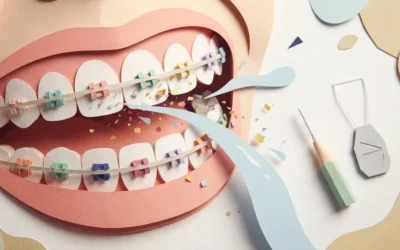
For most patients, removing fixed braces is not painful. It is more of a strange sensation than real pain. You might notice pressure or brief pulling as each bracket is gently loosened from the tooth. Some people hear small clicks or pops, which sounds scary but is totally normal.
After the brackets and wires come off, your orthodontic team cleans leftover bonding adhesive from your teeth and polishes them. This part can cause vibration, a buzzing noise, or a little temporary sensitivity, but it is usually quick.
What does the research say? A 2024 clinical study found that discomfort during bracket removal and adhesive cleanup was significantly lower than the discomfort patients felt during active orthodontic treatment. In that study, active-treatment pain scores averaged around 4.4 and 3.9 in two bracket groups, and removal felt easier than those adjustment days. So if you have made it through tight wires and sore teeth, removal day is often the easy part.
Every mouth is different, though. Your experience can vary based on the type of brackets you have, the tools used, how the adhesive is cleaned off, and how sensitive your teeth are. That is why preparing ahead of time really helps.
What Affects How Braces Removal Feels?
Not every braces removal feels exactly the same. A few things can make your experience a little more or less comfortable.
- Bracket type: Metal and ceramic brackets can feel slightly different when they are loosened.
- Removal instruments: The tool your orthodontist uses can change how much pressure you feel. One 2019 review pointed to a study where about 12.8% of patients reported pain with one type of debonding instrument versus 24.3% with ligature-cutting pliers. That is from a single study, so please do not treat it as a universal rate. It does show that technique and tools matter.
- Adhesive cleanup method: Polishing and cleaning bonding material can cause vibration or temporary sensitivity.
- Your natural sensitivity: If your teeth or gums were already tender, you may notice more sensation.
- Gum health: Irritated or swollen gums can feel more tender during cleanup.
The takeaway? A gentle, experienced orthodontic team makes a real difference. At Brockway Orthodontics, Dr. Brockway takes time to explain each step so you are never surprised by what you feel.
How to Prepare for Braces Removal Day
A little prep goes a long way. Follow these simple steps to feel calm and ready.
- Ask what to expect. Before your appointment, ask your orthodontist to walk you through each step. Knowing what is coming takes away most of the fear.
- Share your worries. If you are anxious or have sensitive teeth, say so. Your orthodontist can explain sensations and talk about comfort options that are appropriate for you.
- Keep up your brushing and flossing. Healthy, calm gums feel better during removal. Brushing well in the days before helps reduce irritation.
- Eat a good meal first. You will not be able to enjoy some foods right away if your teeth feel sensitive, so have a comfortable meal beforehand.
- Plan something easy afterward. Pick soft, lukewarm foods for later in the day, and maybe treat yourself to a smoothie or mashed potatoes.
- Bring a friend or family member. Moral support makes the day more fun, and it is a great excuse for celebratory photos.
If you would like a quick refresher on appointment timing, our guide on how long it takes to remove braces walks through what to expect on the clock.
What Happens During a Braces Removal Appointment
Let us take the mystery out of the chair. Here is a simple, step-by-step look at what usually happens.
Step 1: Removing the Wires and Bands
Your orthodontist first takes off the archwire and any elastic ties or bands. You may feel a bit of pressure or a light tug. This part is usually quick and painless.
Step 2: Loosening the Brackets
Next, the brackets are gently released from your teeth using special instruments. This is the moment when you may feel squeezing or hear small clicks. It can feel odd, but it should not be sharp or painful. If anything feels uncomfortable, just raise your hand and let your orthodontist know.
Step 3: Cleaning Off the Adhesive
The small amount of glue that held your brackets in place is carefully removed from the enamel. This may involve a handpiece that vibrates and makes a buzzing sound. Some people find the noise more bothersome than the feeling.
Step 4: Polishing and Checking Your Smile
Your teeth are polished so they feel smooth and clean. Then comes the best part: seeing your finished smile in the mirror!
Step 5: Getting Your Retainer Plan
Your orthodontic team will go over your retainer and how to wear it. This step is essential, and we will talk more about it below.
| Stage of Removal | What You May Feel | How Long It Usually Lasts |
|---|---|---|
| Wire and band removal | Light pressure or a small tug | A few minutes |
| Bracket loosening | Squeezing, pulling, small clicks | Brief, tooth by tooth |
| Adhesive cleanup | Vibration, buzzing noise, mild sensitivity | A short time at the end |
| Polishing | Smooth, slightly sensitive feeling | A couple of minutes |
Curious about total appointment length? Many patients are surprised by how quickly it goes. Our post on whether a braces off appointment takes 30 minutes or an hour breaks it down further.
What to Expect Right After Your Braces Come Off
Once the appointment is over, your teeth may feel brand new, and honestly, a little strange. That is completely normal.
- Teeth may feel smooth and bare. After months or years of metal, your tongue will keep exploring. It is a funny feeling!
- Mild sensitivity can happen. Some patients notice sensitivity to hot, cold, or sweet foods. This is more likely if your teeth were already sensitive or your gums were irritated.
- Gums may feel tender. A little soreness around the gumline is common and usually fades on its own.
- Teeth can feel slightly loose. This can be normal as your teeth settle into their final positions, and your retainer helps keep everything steady.
In most cases, these feelings improve within a short time without any special treatment. If symptoms are severe or do not go away, contact your orthodontist so they can check things out.
Simple Ways to Soothe Sensitivity After Removal
If your teeth feel a little touchy, a few easy habits can help.
- Choose lukewarm foods and drinks for the first day or two.
- Use a soft-bristled toothbrush and gentle brushing.
- Try a toothpaste made for sensitive teeth if your orthodontist recommends it.
- Skip very hot, very cold, or very sugary treats until you feel more comfortable.
- Keep brushing and flossing. Clean teeth and healthy gums recover more comfortably.
Your orthodontist can also explain what is normal and what is worth a call. When in doubt, a quick check-in is always welcome.
Why Your Retainer Is Not Optional
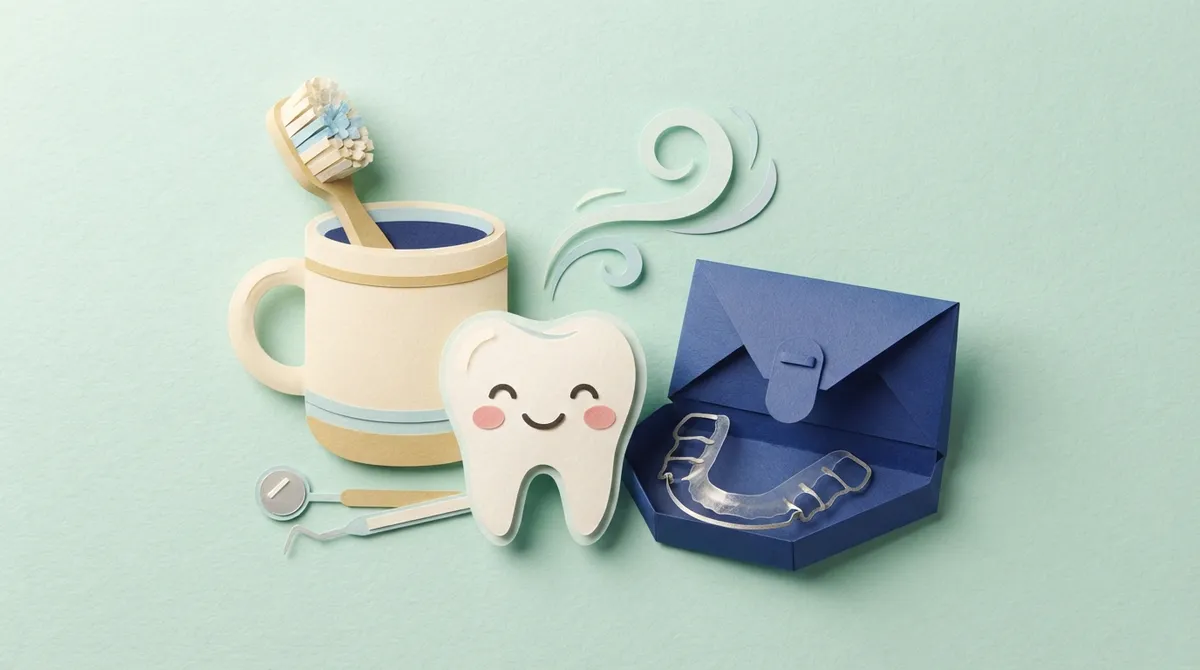
Here is something every patient needs to hear: taking braces off is not the end of treatment. It is the start of the retention phase. Teeth have a natural tendency to drift back toward their old positions, so a retainer is an essential part of keeping your results.
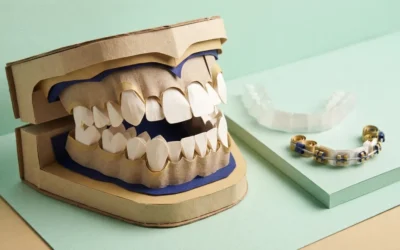
Follow your orthodontist’s instructions for wearing and caring for your retainer. Wear it as directed, keep it clean, and store it in its case when it is not in your mouth. Lost, cracked, or no longer fitting? Contact your orthodontic office right away so you do not lose progress.
If you want to learn more about your options, take a look at our page on retainers, or read our friendly guide on how to wear a retainer after braces and keep your smile. And if the unexpected happens, here is what to do if your retainer breaks.
Why You Should Never Remove Braces at Home
We get it. When you are so close to the finish line, the temptation to pop off a bracket yourself can be strong. Please do not. Braces should only be removed by an orthodontist or another qualified dental professional using the right instruments.
Trying to remove them at home can injure your teeth or gums, chip enamel, and even undo the progress you worked so hard to earn. Professional removal is safer, more comfortable, and finishes the job properly, including adhesive cleanup and a plan for retention.
If you ever have a broken bracket or poking wire before your removal date, do not panic. Our guide on broken brackets and poking wires can help you decide what to do next.
Tips for Different Patients
Every patient comes to removal day with different needs. Here is how to make the day go smoothly, depending on who you are.
For Parents of Kids and Teens
Talk to your child ahead of time in simple, positive terms. Let them know they may feel pressure but not sharp pain, and that they can raise a hand if they need a pause. Celebrate afterward with a favorite soft treat or a photo. Our adolescent treatment page shares more about how we support younger patients.
For Teens and Young Adults
You have been waiting for this moment, maybe for prom, graduation, or a big trip. Ask questions, listen to your retainer instructions, and take care of that new smile. It is yours to show off!
For Adult Professionals
Plan your appointment at a time that fits your work schedule, and keep the rest of the day light if you can. Most patients return to normal activities right away. Our adult treatment information explains how we make care efficient and comfortable.
For Retreatment and Relapse Patients
If you have had braces before and your teeth shifted, you already know how important retainers are. This time, make your retention plan a top priority. Dr. Brockway can help you create a personalized plan that keeps your smile steady for the long haul.
A Gentle Approach at Brockway Orthodontics
At Brockway Orthodontics in Clearwater, Florida, we believe comfort and clear communication go hand in hand. Dr. Brockway takes the time to listen to your concerns and explain every step, so removal day feels like a celebration instead of a worry. Our practice uses modern technology, including digital impressions and 3D imaging, to plan your care carefully from start to finish.
We welcome the whole family, from kids and teens to adults, and we offer metal braces, ceramic braces, and Spark™ Clear Aligners. You can learn more about all about braces on our site, or read what neighbors are saying in our Google reviews. Visit us on Google — Brockway Orthodontics to see what our Clearwater patients have to say.
Your oral health matters beyond braces, too. For trusted general guidance, the American Dental Association offers helpful information on keeping your teeth healthy for life.
Final Thoughts: You Are Closer Than You Think
So, does removing braces hurt? For most people, the honest answer is no. You may feel pressure, a few clicks, and a bit of vibration, followed by a little temporary sensitivity. It is a small moment compared to the months or years you have already put in, and the payoff is a smile you can be proud of.
Prepare ahead, speak up about any worries, follow your retainer plan, and let a qualified professional handle the removal. Do those things, and you will walk out feeling light, confident, and ready to smile at everything.
Ready to take the next step toward your best smile? Book your appointment online and meet the friendly Brockway Orthodontics team. Have questions first? Feel free to contact us. We cannot wait to celebrate your big day with you!
FAQs
Q: Does it hurt to get braces removed?
A: For most people, it does not. You will likely feel pressure, squeezing, or small clicks as the brackets are loosened, plus some vibration during polishing. If anything feels uncomfortable, just let your orthodontist know and they can adjust.
Q: Are teeth sensitive after braces come off, and for how long?
A: Mild sensitivity to hot, cold, or sweet foods is common, especially if your teeth or gums were already tender. It usually improves on its own in a short time. If it feels severe or does not go away, give your orthodontist a call.
Q: Do I need to wear a retainer right after my braces are removed?
A: Yes! A retainer is an essential part of treatment because teeth can shift after active treatment ends. Your orthodontist will explain exactly how and when to wear it, so follow their instructions closely.
Q: Can I remove my braces myself?
A: Please don’t. Braces should only be removed by an orthodontist or qualified dental professional with the right tools. Trying it at home can hurt your teeth and gums and undo your progress.
Q: Can teeth feel loose after braces come off?
A: A slightly loose feeling can be normal while your teeth settle into their final positions. Wearing your retainer as directed helps keep everything steady. If the looseness is strong or worries you, let your orthodontist know.
Our Service Area