Key Takeaways
-
Gaps between teeth (diastema) are not a disease, but a new or widening gap in an adult can signal gum disease and bone loss, which must be treated before any cosmetic or orthodontic closure.
-
Many childhood gaps between upper front teeth are normal during permanent tooth eruption and often close on their own, with a 'ugly duckling stage' typically resolving as more teeth come in.
-
Missing or unerupted teeth, including teeth that never formed or are stuck below the gum, can cause neighboring teeth to drift and leave gaps elsewhere in the mouth.
-
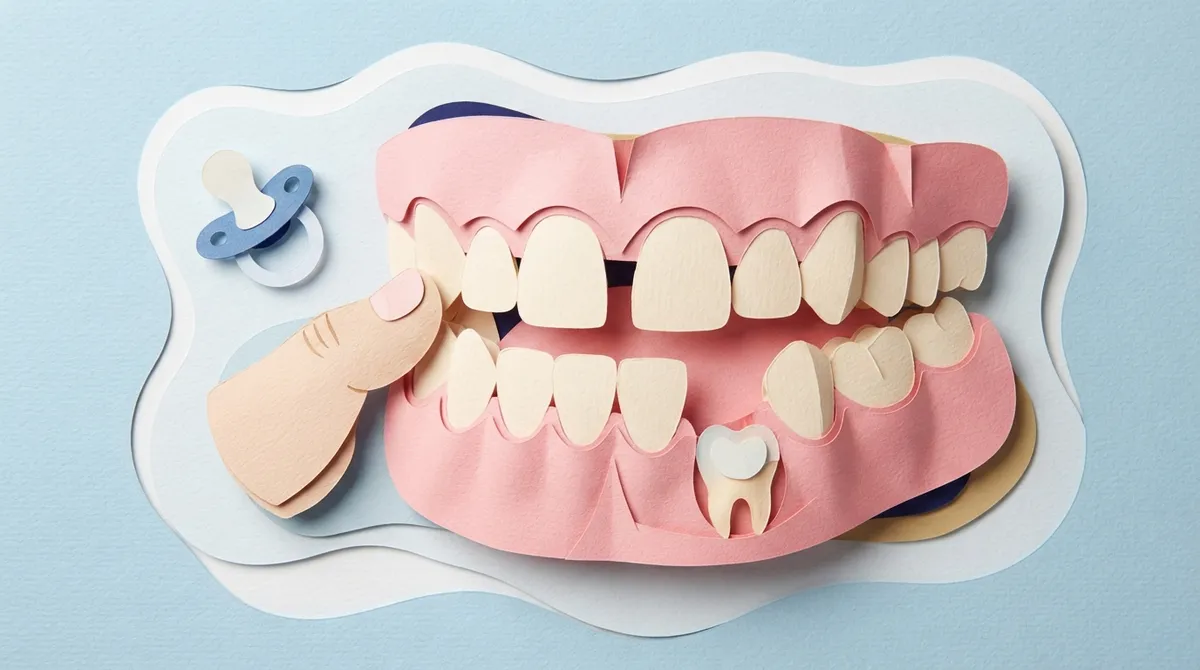
Thumb sucking, long-term pacifier use, and tongue thrusting exert steady pressure on teeth, so addressing these habits early makes spacing easier to manage.
-
A gap caused by tooth and jaw size mismatch or genetics is usually harmless, but an orthodontic exam is needed to identify the true cause before choosing a treatment.
-
Gaps can reopen after braces or aligners if teeth drift back, so wearing your retainer as directed is essential to protect your results.
Ever look in the mirror and notice a little space between your teeth? You are not alone! Gaps are one of the most common things people ask orthodontists about. For some folks, a gap is a charming part of their smile. For others, it is a puzzle: where did it come from, and will it ever go away?
The short answer is that what causes gaps between teeth depends on the person. Sometimes it is simply how your teeth and jaws grew. Other times it points to habits, missing teeth, or even gum health. Knowing the cause matters, because the right fix depends on it.
In this friendly guide, we will walk through the most common reasons gaps appear, when they are completely normal, when they deserve a closer look, and what your treatment options are. Whether you are a parent wondering about your child’s smile, a teen planning for graduation photos, or an adult noticing new changes, you will find clear answers here.
What Is a Gap Between Teeth?
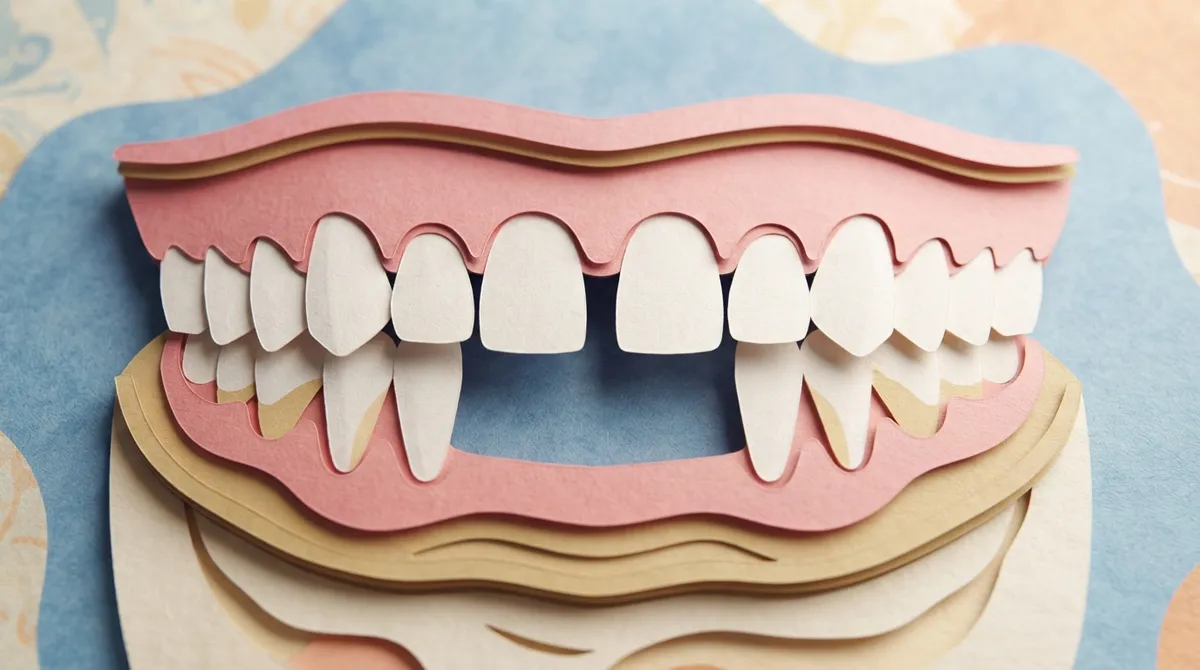
A gap between adjacent teeth is called a diastema (say it like “dye-uh-STEE-muh”). It is most often noticed between the two upper front teeth, but it can show up anywhere in the mouth.
A diastema is not a disease. It is simply a space. Whether it needs treatment depends on why it is there and how it affects your health, bite, and confidence. That is why an evaluation by an orthodontist is smarter than guessing or treating the gap as only a cosmetic issue.
7 Common Causes of Gaps Between Teeth
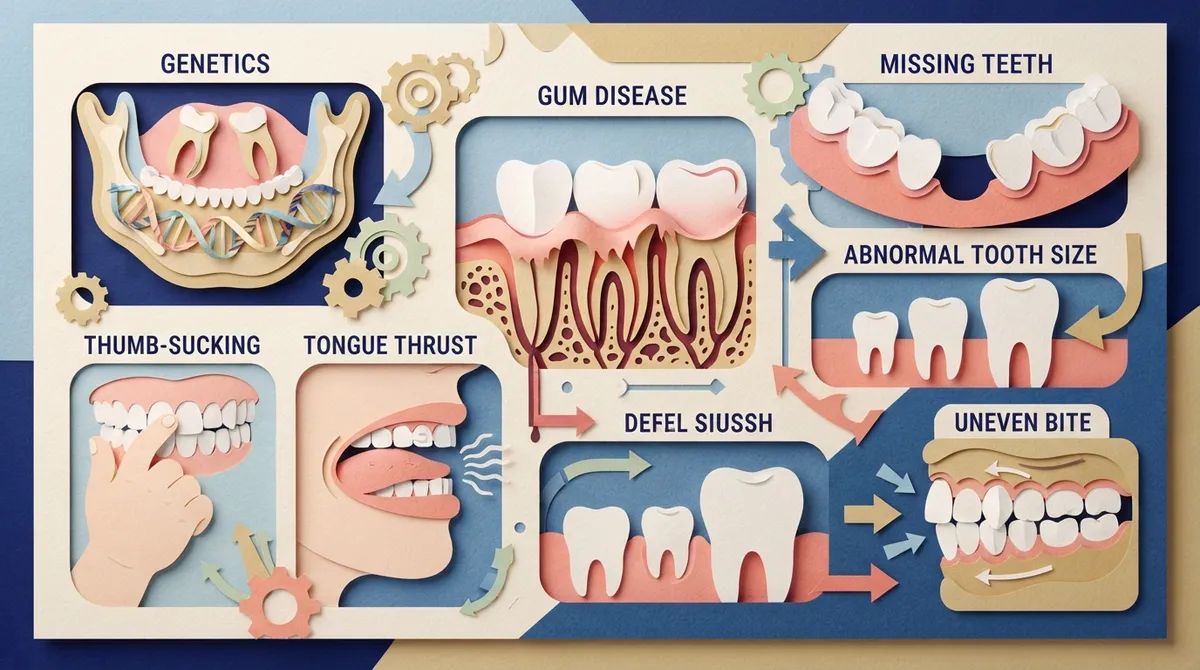
Let’s break down the main reasons spaces form. Often, more than one cause is at play.
- Tooth and jaw size mismatch
- Genetics and family traits
- Missing or unerupted teeth
- A prominent frenum
- Thumb sucking, pacifiers, and tongue thrust
- Gum disease and bone loss
- Normal childhood development
1. Tooth and Jaw Size Mismatch
Think of your teeth as guests and your jaw as the dinner table. If the guests are small and the table is big, there will be extra space between the place settings! The same idea applies to your mouth.
When teeth are small compared to the dental arch, spaces can appear. The opposite problem, big teeth in a small jaw, causes crowding instead. Both are very common developmental patterns.
2. Genetics and Family Traits
If your mom, dad, or grandparent has a gap, there is a good chance you might too. Tooth size, jaw size, and other traits tied to spacing can run in families.
Many families even call it a “family smile.” The good news is that a gap you inherited is rarely a health problem on its own. It is simply part of how your mouth was built.
3. Missing or Unerupted Teeth
When a tooth is missing, the teeth beside it can drift into that open space. This leaves gaps in other places. Missing teeth can happen for several reasons:
- A tooth that never formed (congenitally absent)
- A tooth that is stuck below the gum line (impacted)
- A tooth lost to injury or disease
If you are curious whether treatment is possible in these cases, our article on getting braces with missing teeth is a helpful read.
4. A Prominent Frenum
The labial frenum is the small band of tissue connecting your upper lip to your gum. In some people, it is large or sits low, and it can contribute to a stubborn gap between the upper front teeth.
Here is the important part: a visible frenum alone does not mean you need surgery. An orthodontic or dental assessment tells us whether it is really involved. Surgery is only recommended when it is clinically needed.
5. Thumb Sucking, Pacifiers, and Tongue Thrust
Habits can quietly shape a smile. Thumb or finger sucking, long-term pacifier use, and tongue thrusting (pushing the tongue forward against the teeth) can all push teeth out of position.
Over time, that steady pressure may create spacing or even a gap at the front of the bite. The earlier these habits are noticed, the easier they are to manage. This is one reason we love early orthodontic evaluations for kids.
6. Gum Disease and Bone Loss
This one is especially important for adults. If you suddenly notice a new gap, or an existing gap getting wider, it can be a warning sign of periodontal (gum) disease.
Gum disease can break down the bone and tissue that hold your teeth in place. Teeth may loosen and begin to drift, leaving spaces. In this case, closing the gap for looks alone would miss the real issue.
The gum disease must be treated first. Only then can orthodontic or cosmetic closure be safely considered. If you have bleeding gums, loose teeth, or changes in how your bite feels, please do not wait to get checked.
7. Normal Childhood Development
Here is some comforting news for parents! A gap between the upper front teeth is often a normal phase as a child’s permanent teeth come in. This is sometimes called the “ugly duckling stage,” and it usually works itself out as the rest of the teeth erupt.
Many of these childhood spaces shrink or close all on their own. That is why timing treatment around your child’s dental development, rather than rushing in, makes the most sense.
How Common Are Gaps Between Teeth?
Gaps are far more common in children than in teens and adults. The numbers below come from published dental research and are study-specific estimates, not universal rates.
| Age Group | Reported Midline Gap Prevalence | What It Suggests |
|---|---|---|
| Around age 6 | About 98% (2013 review) | Very common as permanent teeth begin to erupt |
| Around age 11 | About 49% (2013 review) | Many gaps begin closing as teeth come in |
| Ages 12 to 18 | About 7% (2013 review) | Most childhood gaps resolve with growth |
Another review of permanent teeth found diastema prevalence ranging from 1.7% to 38%, depending on age, population, and how each study was done. The takeaway? Gaps often shrink as kids grow, but they do not always disappear, and every smile is unique.
Is My Gap Normal, or Should I Worry?
Most gaps are harmless. But a quick check can bring peace of mind. Here are signs that deserve an orthodontic look:
- A gap that is new or getting wider, especially in an adult
- Teeth that feel loose or look like they are shifting
- Bleeding, swollen, or receding gums
- A gap that persists in a teen after the permanent teeth have come in
- Gaps along with bite problems, speech concerns, or trouble chewing
If you are not sure, a visit is the best way to know. Learn what to expect at your first visit so you feel comfortable walking in.
Which Patients Notice Gaps the Most?
Different life stages bring different questions about spacing. Here is how it often plays out.
Children and Parents
Parents often spot a gap and worry right away. Remember that many childhood gaps are part of normal growth. An evaluation helps sort out what is typical from what needs attention. Our guide on orthodontics for kids explains what every parent should know.
Teens and Young Adults
For teens, gaps can feel big before graduation, prom, or senior photos. The good news is that modern options are discreet and comfortable. Many teens love the look of clear aligners, while others enjoy colorful braces.
Adults and Past Braces Patients
Adults sometimes notice gaps appear after years of a straight smile. This can be orthodontic relapse, where teeth slowly shift back, or it can signal gum changes. Either way, it is worth checking. Retainer habits matter a lot here, so see our guide on retainers to protect your results.
How Do Orthodontists Close Gaps Between Teeth?
Treatment always starts with finding the cause. Then we choose the approach that fits your teeth, your health, and your lifestyle. Common options include:
| Option | Best For | Good to Know |
|---|---|---|
| Traditional metal or ceramic braces | Teens, adults, and more complex spacing | Highly effective, with clear (ceramic) options for a discreet look |
| Clear aligners | Teens and adults wanting a discreet option | Removable and nearly invisible |
| Bonding or veneers | Small cosmetic gaps with healthy teeth | Restorative, not a bite correction |
| Replacing a missing tooth | Gaps caused by tooth loss | Often paired with orthodontics first |
| Frenum surgery | Cases where the frenum is clearly involved | Only when clinically indicated |
At Brockway Orthodontics in Clearwater, we offer metal braces, ceramic (clear) braces, and Spark™ Clear Aligners, a more affordable alternative to Invisalign. To compare your choices, check out clear aligners vs. braces or read our deeper dive on teeth spacing causes and treatments.
Treat the Cause First
One big rule: active gum disease comes first. Closing a gap while the gums are unhealthy can make things worse. Our team will coordinate care so your gums, bone, and bite are all in good shape before moving teeth.
Will the Gap Come Back?
It can, if you skip your retainer! After braces or aligners close a space, teeth want to drift back. A retainer helps hold your new smile in place. Following your retainer plan is the best way to enjoy your results for years.
Easy Steps to Take If You Notice a Gap
Not sure what to do next? Try these simple steps:
- Take note of when it appeared. Was it always there, or is it new?
- Check your gums. Look for swelling, bleeding, or loose teeth.
- Think about habits. Thumb sucking, tongue pressure, or a skipped retainer can matter.
- Book an evaluation. An orthodontic exam finds the true cause.
- Ask about options. Compare braces, aligners, and cosmetic choices that fit your life.
If cost is on your mind, we make it simple. Learn more about financing and insurance options that help make treatment fit your budget.
Why Families Trust Brockway Orthodontics
At Brockway Orthodontics, we celebrate families! Dr. Brockway takes the time to listen to your concerns and your dreams for your smile. She explains your options in a friendly, easy-to-understand way so you always know what to expect.
We use modern technology like digital impressions (no messy molds!) and 3D imaging to plan your care precisely. In certain cases, we can even offer same-day treatments, which is great for busy families. Want to hear from real patients? Visit us on Google and see what our Brockway Orthodontics patients say about their care.
For general oral health guidance, the American Dental Association is a trusted resource, and you can find professional standards for specialists through the Florida Association of Orthodontists. For research on how diastema changes through childhood, see this review on the midline diastema from the American Academy of Pediatric Dentistry.
Conclusion: Know the Cause, Choose the Right Fix
So, what causes gaps between teeth? Usually it is a mix of tooth and jaw size, genetics, missing teeth, a prominent frenum, oral habits, normal childhood growth, or gum health changes. Some gaps close on their own. Others call for a little help from an orthodontist. The key is finding out the real reason before choosing a treatment.
You do not have to figure it out alone. If you have a gap that is new, growing, or just bothering you, we would love to help you feel confident about your smile. Book your free consultation online today, or contact our friendly team with any questions. Your best smile is closer than you think!
FAQs
Q: What is a diastema, and is it the same as a gap between teeth?
A: Yes! A diastema is simply the dental term for a space between two adjacent teeth. It is most often seen between the upper front teeth, and it is not a disease, just a space that may or may not need treatment depending on its cause.
Q: Are gaps between baby teeth and front teeth normal in kids?
A: Very often, yes. A gap between a child’s front teeth is commonly part of normal development as permanent teeth come in, and many of these spaces shrink or close on their own. An orthodontic evaluation can tell you whether your child’s gap is typical or needs a closer look.
Q: Can thumb sucking, pacifiers, or tongue thrusting cause gaps?
A: They sure can. Thumb or finger sucking, long-term pacifier use, and tongue thrusting put steady pressure on the teeth and may create spacing in some people. Catching these habits early makes them easier to manage.
Q: Can gum disease cause new gaps between teeth?
A: Yes. When gum disease breaks down the bone and tissue that support your teeth, teeth can loosen and drift, creating new or wider gaps. If you notice this as an adult, the gum disease should be treated before any orthodontic or cosmetic closure.
Q: Can a gap reopen after braces or aligners, and do I need a retainer?
A: A gap can reopen if teeth drift back, which is why retainers are so important. Wearing your retainer as directed helps keep your smile exactly where you worked so hard to get it.
Our Service Area