Key Takeaways
-
Removing braces starts the retention phase, not the finish; consistent retainer wear right away is essential because teeth can shift as bone and gums settle, with relapse risk highest in early months.
-
If a retainer is lost, broken, or suddenly too tight, call the orthodontist promptly and do not force it into place, since delay can allow teeth to move.
-
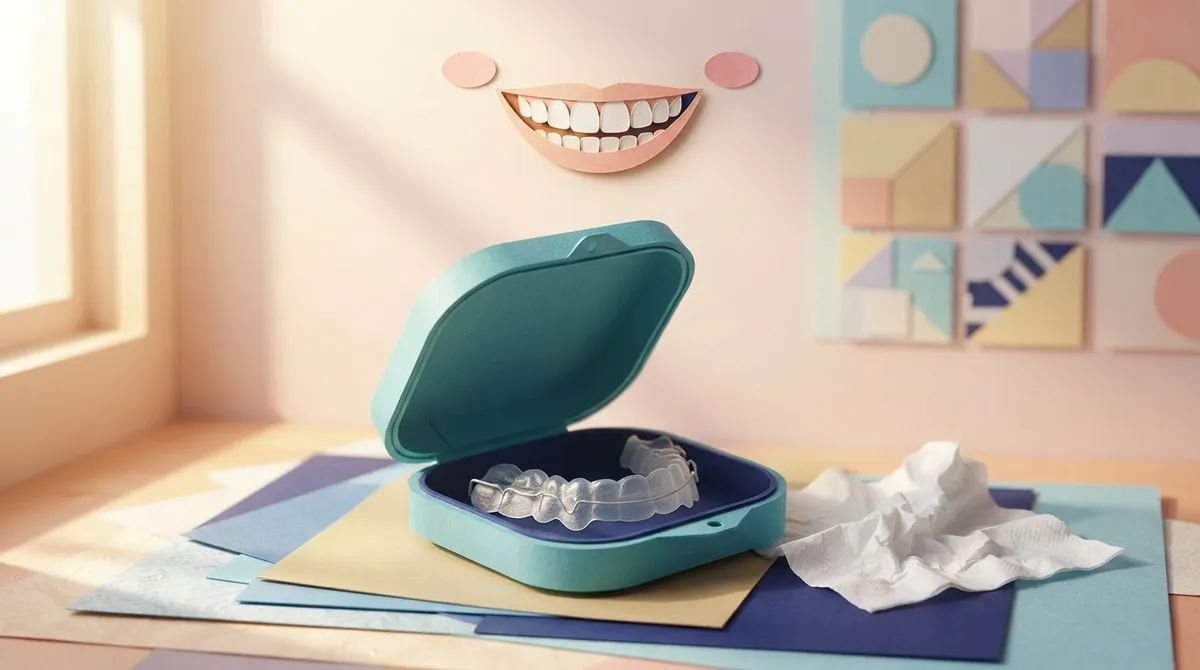
Always store removable retainers in their case rather than wrapping them in a napkin, and follow your orthodontist's individual wear schedule instead of stopping or cutting back on your own.
-
Expect smooth, slightly sensitive teeth and an unfamiliar bite for a short time; the removal appointment itself is usually quick and more strange than painful.
-
Persistent pain, swelling, or a markedly loose tooth after removal should be reported to your orthodontist right away.
-
Before leaving the removal appointment, ask how often retainer checks are needed, who to call for problems, and the cost of replacing a lost retainer.
The big day is almost here. After months (or years) of tightening visits, rubber bands, and careful brushing, your teen is about to hear the words every braces patient dreams of: “Let’s take those off!” It’s exciting, and it’s okay if it feels a little emotional too.
But many families wonder what comes next. Knowing what to expect when a teen finishes braces can turn a nervous day into a joyful one. The truth is, removing braces is not the finish line. It’s the start of the retention phase, where your teen protects the smile they worked so hard to earn.
In this guide, you’ll learn how to get ready for the removal appointment, how teeth may feel afterward, and how to build great retainer habits. At Brockway Orthodontics, we love seeing teens walk out with a confident grin, and we want you to feel prepared every step of the way.
What Happens on Braces Removal Day
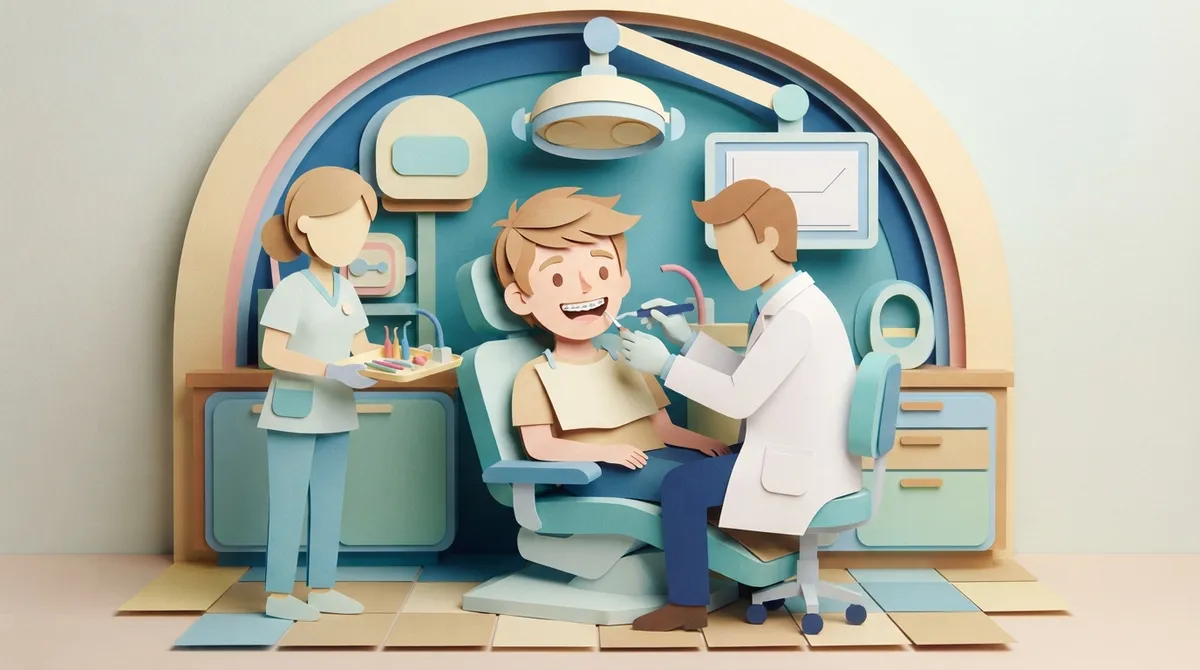
Many parents are surprised by how simple the appointment is. Most teens say it feels much easier than they expected. The exact steps vary by practice and by case, but here is the typical flow.
The Step-by-Step Process
- Brackets and bands come off. The orthodontist gently removes the brackets, wires, and any bands from your teen’s teeth.
- Bonding material is cleaned off. A small amount of glue stays on the teeth after the brackets are removed. It is carefully taken off.
- Teeth may be polished. This leaves them feeling fresh and clean.
- The result is checked. Your orthodontist looks at the bite and alignment to confirm everything looks right.
- The retention plan is explained. You will learn what type of retainer your teen needs and exactly how to wear it.
Some teens leave with a retainer the same day. Others get one soon after, depending on how the practice handles retention. Either way, ask questions. A good team will walk you through every detail.
Does It Hurt When Braces Come Off?
Most teens describe the removal as more strange than painful. You may feel some pressure or light vibration, and teeth can feel a little tender. If your teen is nervous, remind them it is usually quick. Many patients say they wish they had worried less!
How Teeth Will Feel After Braces
Once the brackets are gone, your teen’s mouth will feel different. That is completely normal. Here is what to expect in the first days and weeks.
- Unusually smooth teeth. Teeth can feel slippery or “bare” without hardware on them.
- Mild sensitivity. Teeth and gums can feel a little sensitive for a short time.
- An unfamiliar bite. The bite may feel different as your teen adjusts to the new position of their teeth.
- The tongue exploring. Teens often cannot stop touching their teeth with their tongue. This fades quickly.
These changes are usually temporary. However, persistent pain, swelling, or a tooth that feels markedly loose should be discussed with your orthodontist right away. When in doubt, contact us and we will help you sort it out.
Why Retainers Matter So Much
Here is the part every family needs to hear. Retention is a necessary phase of orthodontic treatment, not an optional extra. Teeth can shift after braces, especially while the bone and gums around them settle into their new positions.
The British Orthodontic Society notes that the bone and gums may take at least a year to settle after treatment. It also points to the early months after brace removal as a time of particular relapse risk. That is why consistent retainer wear right away is so important.
Retainers help maintain the result, but they cannot promise that teeth will never move. Natural changes can still happen over the years. Good habits give your teen the best chance of keeping a stable smile.
Types of Retainers for Teens
Your orthodontist will choose the retainer that fits your teen’s treatment and lifestyle. You can learn more on our retainers page. Here is a quick comparison of the common options.
| Retainer Type | What It Is | Key Things to Know |
|---|---|---|
| Clear plastic (removable) | A clear, custom-fit tray that covers the teeth | Nearly invisible. Must be kept in its case when not worn. |
| Hawley-style (removable) | Acrylic with a thin wire across the front teeth | Durable and adjustable. Follow cleaning instructions. |
| Fixed (bonded) | A thin wire bonded behind selected teeth | Always in place. Needs careful brushing and flossing around the wire. |
The wear schedule differs from teen to teen. Some start with full-time wear, while others begin with nights only. Follow your orthodontist’s individual instructions rather than a generic timetable. Never stop or reduce wear without professional advice.
How to Build Great Retainer Habits
Teens are busy. Between school, sports, and friends, a retainer can easily get forgotten. These simple habits make a big difference.
For Removable Retainers
- Always use the case. Wrapping a retainer in a napkin is the number one way retainers end up in the trash.
- Remove it to eat. Take it out for meals unless your orthodontist says otherwise.
- Clean it as instructed. Gentle, regular cleaning keeps it fresh and helps it last.
- Keep it away from heat and pets. Hot cars and curious dogs have ruined many retainers.
For Fixed Retainers
- Brush and floss carefully. Plaque can build up around the wire if it is missed.
- Avoid very hard or sticky foods. These can loosen the bonding.
- Attend your checkups. The wire should be checked regularly.
For a deeper dive, check out our guide on how to wear a retainer after braces and keep your smile.
What To Do If a Retainer Is Lost, Broken, or Too Tight
It happens to many teens, so please do not panic. The key is to act quickly.
- Contact your orthodontist promptly. The sooner you call, the less time teeth have to shift.
- Do not force it. If a retainer feels unusually tight or does not seat fully, do not push it into place.
- Stop wearing a damaged retainer. A cracked or bent retainer can fit poorly or irritate the mouth.
- Ask about a replacement. Waiting can allow teeth to move and may mean a new retainer or a reassessment.
If a fixed wire or its bonding comes loose, call right away. Our article on what to do if your retainer breaks has a helpful quick guide. And if you are ever unsure whether something is urgent, our post on emergency vs. routine orthodontics can help.
Eating, Brushing, and Daily Care After Braces
Here is the fun part. After braces, teens can generally return to many of the foods that were off limits during treatment. Yes, that means caramel apples and popcorn are back on the menu, with a little common sense.
That said, healthy habits still matter. Encourage your teen to:
- Brush twice a day and floss daily.
- Remove removable retainers before eating unless instructed otherwise.
- Keep up with regular dental checkups and cleanings.
- Limit sugary drinks to protect that fresh new smile.
If your teen notices white spots or stains once the brackets come off, talk to your orthodontist or dentist about options. Our tips on getting white teeth after braces can point you in the right direction.
What Follow-Up Looks Like
Follow-up care varies from practice to practice. Many orthodontic offices review the retainer during a retention period, often up to about a year. After that, routine dental care and ongoing retainer upkeep may move to the family dentist or another provider.
This is a common arrangement, not a universal rule. At your removal appointment, ask these questions:
- How often should my teen come in for retainer checks?
- Who do we call if the retainer breaks or feels off?
- What is the plan for long-term retainer wear?
- What is the cost to replace a lost retainer?
Long-term retainer use is commonly recommended. The British Orthodontic Society advises that retention should continue long term, and removable retainers may begin as full-time or night wear depending on the orthodontist’s plan.
Helping Your Teen Stay Motivated
Let’s be honest. After years of braces, many teens want to be done with everything. A retainer can feel like one more thing to remember. Here are a few ways to keep them on track.
- Make it part of a routine. Pair retainer wear with brushing teeth at night.
- Remind them why. They invested a lot of time and effort. The retainer protects that work.
- Celebrate the milestone. A photo, a favorite dinner, or a small treat makes the day special.
- Stay positive. Praise good habits instead of nagging about mistakes.
Parents often tell us that a little encouragement goes a long way. Teens want to feel proud of their smile, and retainers help them keep it.
Finishing Braces With Confidence in Clearwater
Finishing braces is a big achievement. With the right plan, your teen can enjoy a healthy, confident smile for years to come. Dr. Brockway takes the time to explain every step, so families feel informed and comfortable from the first visit through the retention phase. You can meet Dr. Brockway to learn more about her caring approach.
We also love hearing from our patients. You can visit us on Google — Brockway Orthodontics to see what local families are saying. And if your teen is still in the middle of treatment, our page on adolescent treatment explains how we support teens at every stage.
For general oral health guidance, the American Dental Association is a trusted resource. You can also find helpful information about orthodontic care through the Florida Association of Orthodontists.
Final Thoughts
Knowing what to expect when a teen finishes braces makes the whole experience smoother. The removal appointment is quick, teeth may feel a little different for a short while, and retainers become your teen’s best friend for protecting their results.
The most important step is to follow your orthodontist’s personal instructions and reach out quickly if anything feels off. Small questions are always welcome, and fast action can prevent bigger problems.
Ready to talk about your teen’s smile? Book your appointment online with Brockway Orthodontics today, and let’s celebrate the next chapter of your teen’s smile together.
FAQs
Q: What happens at a teen’s braces-removal appointment?
A: The orthodontist removes the brackets, wires, and bands, cleans off the leftover bonding material, and may polish the teeth. Then they check the result and explain your teen’s retainer plan. The exact steps can vary a bit from practice to practice.
Q: How long does a teen need to wear a retainer after braces?
A: Long-term retainer wear is commonly recommended, since teeth can shift after braces. Your orthodontist will set a schedule that fits your teen, which may start as full-time or night wear. Please follow those personal instructions and do not stop or cut back without professional advice.
Q: Can teeth shift after braces even if a retainer is worn?
A: Retainers greatly help keep teeth in place, but they cannot promise that teeth will never move. Natural changes can still happen over time. Wearing the retainer as directed gives your teen the best chance of keeping a stable, healthy smile.
Q: What should we do if a teen loses a retainer or it no longer fits?
A: Call your orthodontist right away. Do not force a retainer that feels too tight or does not seat fully. Acting quickly helps prevent teeth from moving, and your orthodontist can decide whether you need a replacement or a quick reassessment.
Q: What will my teen’s teeth feel like after braces are removed?
A: Teeth often feel unusually smooth, and the bite may feel a little unfamiliar for a short time. Mild, temporary sensitivity is also possible. If your teen has lasting pain, swelling, or a tooth that feels very loose, let your orthodontist know promptly.
Our Service Area