Key Takeaways
-
Retainers act like a seat belt for your teeth, holding them in the position your orthodontist achieved; the AAO says they are generally needed after active orthodontic treatment to reduce relapse risk.
-
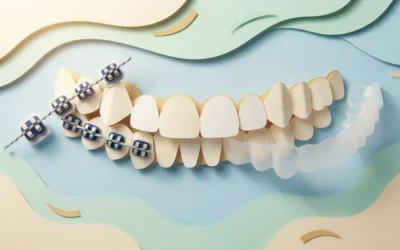
Three main options exist: clear removable trays (discreet but can warp or crack), Hawley retainers (durable with an adjustable wire), and fixed bonded retainers (nothing to lose, but harder to clean).
-
Wear schedules are individualized: many patients start with near-full-time wear, move to nighttime only, and some keep wearing at night long term. Always follow your orthodontist's plan.
-
Never force a tight or ill-fitting retainer or bend it yourself; a tight fit can signal teeth have begun shifting, so call your orthodontist promptly.
-
Protect removable retainers by keeping them in their case, avoiding heat like hot water or dishwashers, and keeping pets away; clean fixed retainers carefully around the bonded wire with floss threaders.
-
Replacement timing and cost vary by office; one Clearwater practice estimates one to two weeks, so ask whether your first retainer is included and whether a retention plan covers future replacements.
You worked hard for your new smile. Maybe it took months in braces, or maybe you wore clear aligners day and night. Now the big moment has come, and your teeth look great. But here is the part many people miss: the real work of keeping that smile starts now. That is where retainers Clearwater patients rely on come into the picture.
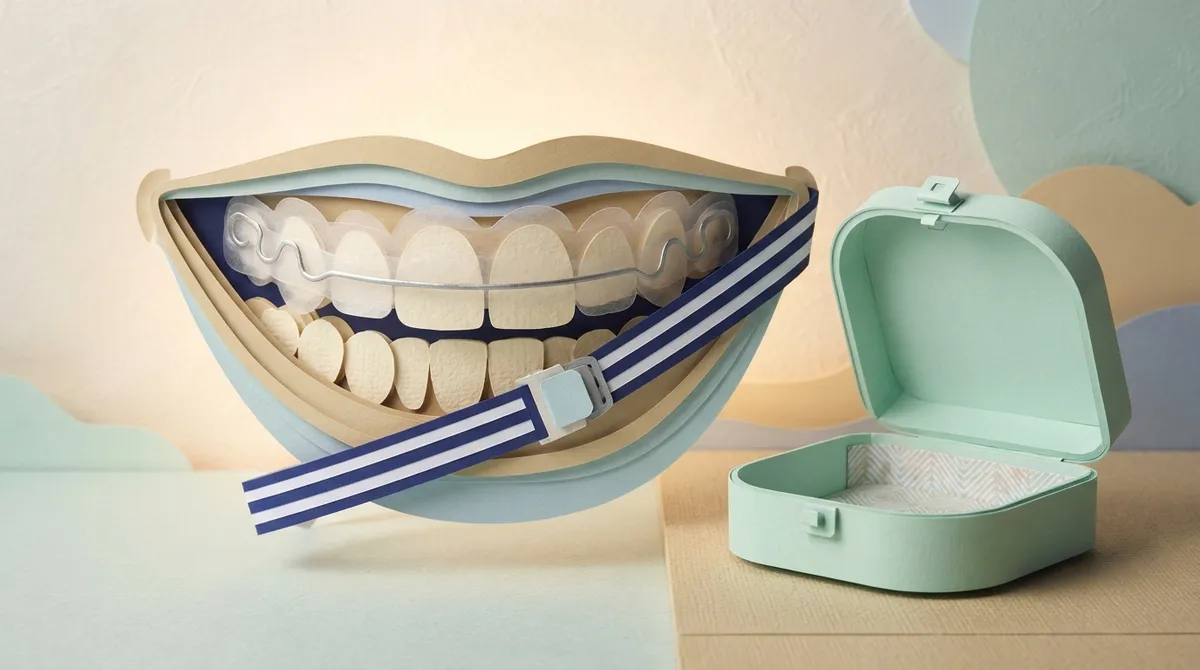
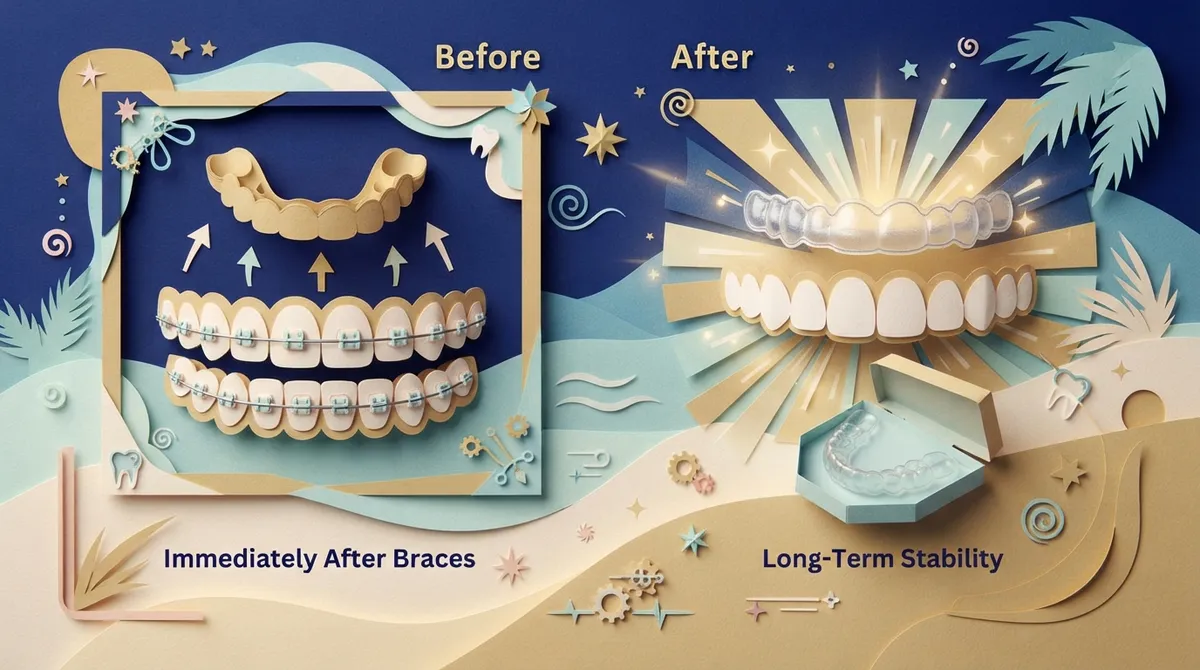
Think of a retainer as a seat belt for your teeth. It does not move them anywhere new. It simply helps hold them where your orthodontist put them. Teeth like to drift, and without support, they can slowly shift back toward old positions.
Whether you are a parent helping a teen stay on track, a busy professional who wants to protect your investment, or an adult returning after relapse, this guide is for you. We will walk through the types of retainers, wear schedules, cleaning tips, and what to do when a retainer goes missing. We will keep it simple and friendly. Let’s get started!
Why Retainers Matter After Braces or Aligners
After active treatment, your teeth are in new spots. The bone and gum tissue around them need time to settle. Meanwhile, everyday forces like chewing, grinding, and even natural aging can nudge teeth out of place.
The American Association of Orthodontists (AAO) says retainers are generally needed after active orthodontic treatment. They help reduce the risk of relapse, which is when teeth move back toward where they started. Retainers cannot promise that teeth will never move, but they give your smile its best chance to stay put.
Here is why that matters to you:
- Protects your investment: You spent time, effort, and money on treatment. A retainer helps protect it.
- Saves time later: Wearing a retainer is far easier than going through treatment twice.
- Keeps your bite healthy: Stable teeth help your bite work the way it should.
- Boosts confidence: A smile that stays straight keeps you feeling great in photos, meetings, and everyday life.
If you are curious about the bigger picture, our guide on how to wear a retainer after braces and keep your smile is a helpful next read.
The Main Types of Retainers Available in Clearwater
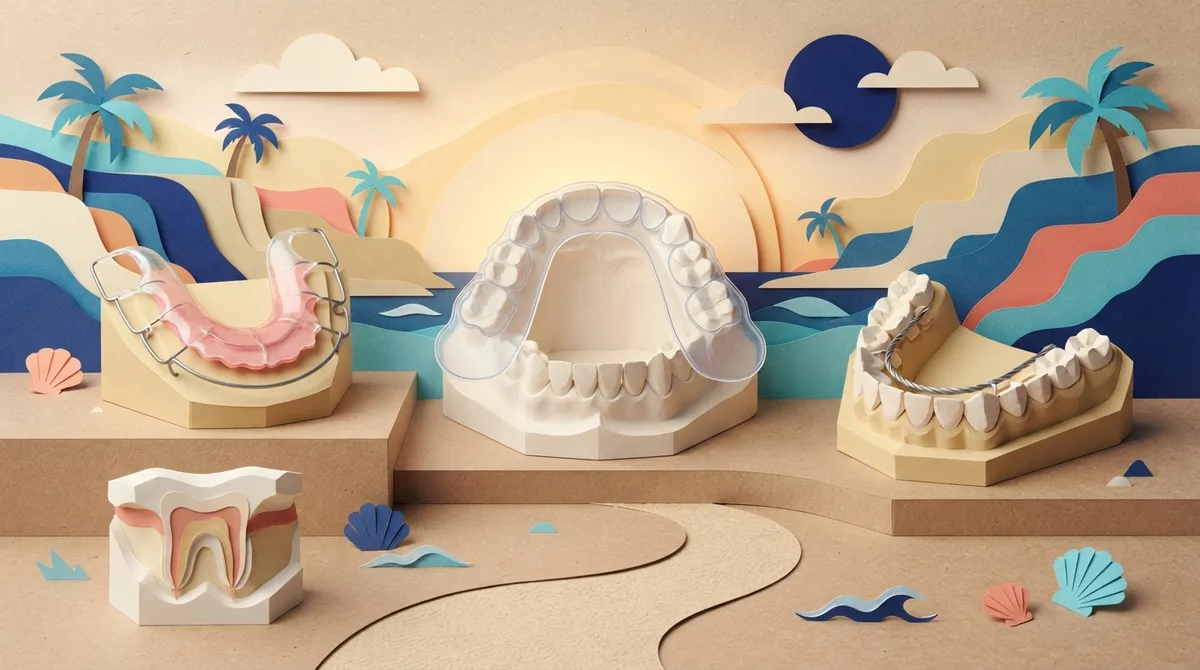
Not every retainer is the same. The right choice depends on your teeth, your bite, your treatment history, and how well a wear and cleaning routine fits your life. Here are the three main options.
Clear Removable Retainers
These are thin, clear plastic trays that fit snugly over your teeth. They look a lot like clear aligners, so they are very discreet. Many teens and young adults love them because they are nearly invisible.
They come out for eating and brushing, which makes cleaning easy. The trade-off is that you must remember to wear them. They can also crack or warp if they are exposed to heat or chewed on.
Hawley Retainers
A Hawley retainer is made of acrylic that sits against the roof or floor of your mouth, with a thin wire across the front teeth. It is removable and very durable. The wire can sometimes be adjusted by an orthodontist, which is a nice perk.
Some people notice the wire more than a clear tray. Still, many patients enjoy the sturdy feel and long life of a Hawley.
Fixed (Bonded) Retainers
A fixed retainer is a thin wire bonded behind selected teeth, usually the lower front ones. You cannot take it out, so there is nothing to forget or lose. That makes it a favorite for people who worry about wearing a removable one.
The catch is cleaning. Food and plaque can build up around the wire, so careful brushing and flossing matter. The bond can also loosen or break, so regular checks are important.
Retainer Types at a Glance
| Retainer Type | How It Works | Pros | Things to Watch |
|---|---|---|---|
| Clear removable | Thin plastic tray over teeth | Nearly invisible, easy to clean | Can warp with heat, crack, or get lost |
| Hawley | Acrylic with a wire across the front | Durable, can be adjusted | Wire is more visible, may feel bulky |
| Fixed (bonded) | Wire bonded behind teeth | Always in place, nothing to lose | Harder to clean, bond can loosen |
Not sure which fits you best? Our overview of fixed vs. removable retainers breaks down the choice in more detail. You can also learn about our retainer options directly on our site.
How Long Do You Need to Wear a Retainer?
This is one of the most common questions we hear. The honest answer is that it depends on you. Wear schedules are individualized, so always follow your orthodontist’s instructions.
That said, the AAO notes that many people continue wearing removable retainers at night for the long term. Here is what a typical journey might look like:
- Early phase: Your orthodontist may ask you to wear your retainer for many hours each day, often full time except for eating and brushing.
- Transition phase: As your teeth settle, you may move to nighttime wear only.
- Long-term phase: Many patients keep up nightly or several-nights-per-week wear to help keep teeth stable.
Your own plan may look different, and that is perfectly normal. If you are unsure, just ask. We would much rather answer a quick question than see your teeth shift.
Caring for Your Retainer the Right Way
A little daily care goes a long way. Good habits help your retainer last and keep your mouth healthy.
Caring for Removable Retainers
- Use the case: When it is not in your mouth, it belongs in its case. Wrapping it in a napkin is the number one way retainers end up in the trash.
- Avoid heat: Hot water, a hot car, or a dishwasher can warp plastic. Stick with cool or lukewarm water.
- Clean as directed: Rinse after wearing and clean gently with a soft brush, following your orthodontist’s advice.
- Keep pets away: Dogs love the smell of retainers. Keep yours out of reach!
Caring for Fixed Retainers
- Brush carefully: Pay special attention to the area around the bonded wire.
- Floss with help: Floss threaders or interdental brushes can make cleaning easier.
- Check regularly: Watch for a loose or broken wire, and schedule checks as recommended.
For more cleaning pointers, take a look at our guide to using orthodontic retainers to keep your smile.
What to Do If Your Retainer Is Lost, Broken, or Doesn’t Fit
It happens to the best of us. A retainer slips out of a lunch tray, gets sat on, or suddenly feels tight. Here is what to do, step by step.
- Do not panic. Lost or damaged retainers are very common, and they are fixable.
- Stop forcing it. If a retainer feels tight or no longer fits, do not push it in. Do not try to bend or repair it yourself either.
- Call your orthodontist quickly. The sooner you reach out, the less time your teeth have to move.
- Get your teeth checked. An orthodontist can see if your teeth have shifted and whether a replacement alone is the right fix.
- Ask about timing and cost. Replacement time and pricing vary by provider and case, so confirm details directly.
A tight retainer can be a sign that teeth have already begun to move. That is a good reason to be seen rather than waiting. If your retainer has snapped, our quick guide on what to do if your retainer breaks can help you stay calm and take the right next steps.
Replacement Timing and Cost: What to Expect
Many families ask about speed and price. Here is the honest picture. One Clearwater orthodontic practice reports that replacement retainers typically take about one to two weeks to make. That is a provider-specific estimate, not a promise. Timing depends on the office, the lab, the retainer type, and whether your teeth have shifted.
Some offices keep digital scans on file for certain patients, which can help speed things along. Clear removable retainers may also last about one to three years with proper care, though this varies with wear, material, and habits.
Cost is trickier. Local pricing is not firmly established, and it changes from office to office. Before you decide, ask these questions:
- Is my first retainer included in my treatment fee?
- What does a replacement cost, and does it include fitting?
- Is there a retention plan that covers future replacements?
- How long will the replacement take to make?
For help planning, our articles on retainer cost facts for Clearwater patients and financing and insurance are good places to start.
Retainers for Every Kind of Patient
Retainers are not just for one type of person. Here is how they fit different lives.
Parents and Teens
Teens are busy, and retainers get lost at school, in cafeterias, and in gym bags. A simple routine helps: case in the backpack, case on the nightstand. Parents can gently remind and keep a replacement plan in mind. If your child is just starting out, you can read more about adolescent treatment to see how retention fits into the bigger plan.
Busy Adult Professionals
If your schedule is packed, a discreet clear retainer or a fixed one can fit right in. Pick the option you will actually stick with. Consistency beats perfection every time.
Adults Facing Relapse
If you had braces years ago and your teeth have shifted, you are far from alone. A retainer may help in some mild cases, while others may need new treatment. An exam will tell you which path makes sense. Learn more about adult treatment if you are considering a fresh start.
Health-Conscious Patients
If you care about gum health and a clean mouth, talk with your orthodontist about which retainer is easiest to keep clean for you. A good match supports both your smile and your overall oral health.
Can You Get a Retainer if You Had Treatment Elsewhere?
Often, yes. An orthodontist can evaluate your teeth and discuss whether a new retainer is the right step. They will check if your teeth have moved and what type of retainer would work best now. Bring any records you have, but do not worry if you do not. A fresh exam can fill in the gaps.
If you are not sure where to start, our post on where to find retainers near 33770 and our guide to orthodontic retainers in Clearwater offer more local help.
Why Families Trust Brockway Orthodontics for Retainers
At Brockway Orthodontics, we believe the care you get after braces matters just as much as the treatment itself. Dr. Brockway takes time to listen, explain your options in plain language, and build a plan that fits your life. We use modern tools like digital impressions and 3D imaging so your retainer fits comfortably and accurately.
We welcome the whole family, from teens finishing braces to adults who want to protect their smile. If you want to see what our patients say, you can visit us on Google and read Brockway Orthodontics reviews. You can also follow our practice community on Facebook for tips and updates. For general oral health guidance, the American Dental Association is another trusted resource.
Simple Habits That Keep Your Smile Straight
Here are a few easy habits to build into your week:
- Pick one spot for your retainer case and always return it there.
- Pair wearing your retainer with a daily habit, like brushing at night.
- Keep a spare plan in mind, such as knowing who to call if yours breaks.
- Keep your regular checkups so any loose bond or shift gets caught early.
- Bring your retainer to appointments so we can check the fit.
Small steps add up. A few minutes each day can protect years of smiles.
Keep Your Smile Where It Belongs
Retainers may not be the flashiest part of orthodontic care, but they are one of the most important. Whether you choose a clear tray, a Hawley, or a fixed wire, the right retainer helps lock in the smile you worked so hard to earn. And if something goes wrong, a quick call to your orthodontist is the best first move.
Ready to protect your smile? Our friendly team is here to help you find the right fit. Book your appointment online today, or contact us with any questions. We cannot wait to help you keep smiling with confidence!
FAQs
Q: What types of retainers are available in Clearwater, FL?
A: The main options are clear removable retainers, Hawley retainers with an acrylic base and wire, and fixed retainers bonded behind your teeth. Your orthodontist will help you pick the one that suits your teeth, bite, and daily routine.
Q: How long do I need to wear a retainer after braces?
A: It depends on your case, so follow your orthodontist’s plan. Many people wear removable retainers more at first, then switch to nighttime wear, and many keep wearing them at night for the long term.
Q: What should I do if my retainer feels tight or doesn’t fit?
A: Please don’t force it or try to bend it yourself. Call your orthodontist right away, because a tight fit can mean your teeth have started to shift. A quick visit can help us decide the best next step.
Q: How fast can I get a replacement retainer?
A: Timing varies by office. One Clearwater practice estimates about one to two weeks, but it depends on the lab, the retainer type, and whether your teeth have moved. Call your orthodontist to confirm current timing and pricing.
Q: Can an orthodontist make a retainer if I had treatment at another office?
A: Often, yes! An orthodontist can examine your teeth, see if they have shifted, and talk with you about the right retainer. Bringing any old records can help, but a fresh exam works too.
Our Service Area