Key Takeaways
-
Teeth naturally drift back to their original positions after braces or aligners are removed; orthodontic retention prevents this relapse by holding teeth in their corrected positions using either fixed or removable retainers.
-
Fixed retainers (bonded wire behind teeth) offer low-maintenance, hands-off retention ideal for teens and patients prone to losing things, while removable retainers provide flexibility and easier cleaning for disciplined adults.
-
Many patients benefit from combining both retainer types—a fixed retainer on lower front teeth plus a removable retainer for the full arch—to maximize stability where teeth shift most and maintain flexibility elsewhere.
-
Retention requires long-term commitment; most patients need check-ups for 12-24 months after treatment, and some may need retainers indefinitely to prevent gradual shifting over years or decades.
-
Research shows part-time wear of removable retainers can be as effective as full-time wear in many cases, allowing orthodontists to create realistic retention plans that fit patients' actual lifestyles rather than requiring perfect compliance.
-
Even with consistent retainer use, small tooth shifts can occur due to aging, natural jaw growth, and chewing forces; regular orthodontist check-ups help catch and address changes early before they become significant relapse issues.
So, you finally got your braces off or finished your last clear aligner tray. Congratulations! That smile you worked so hard for is ready to shine. But here’s a little secret nobody tells you enough: the real work of keeping that smile straight starts now. This next chapter is called orthodontic retention, and it might just be the most important part of your whole treatment.
At Brockway Orthodontics in Clearwater, Florida, we see it all the time. Patients think the finish line is getting their braces off. It’s actually just the start of a new phase. Teeth are sneaky. They want to shift back to where they came from, and orthodontic retention is what stops that from happening. In this article, we’ll walk through the two main types of retainers, compare them side by side, and help you figure out which path fits your life best.
What Is Orthodontic Retention, Anyway?
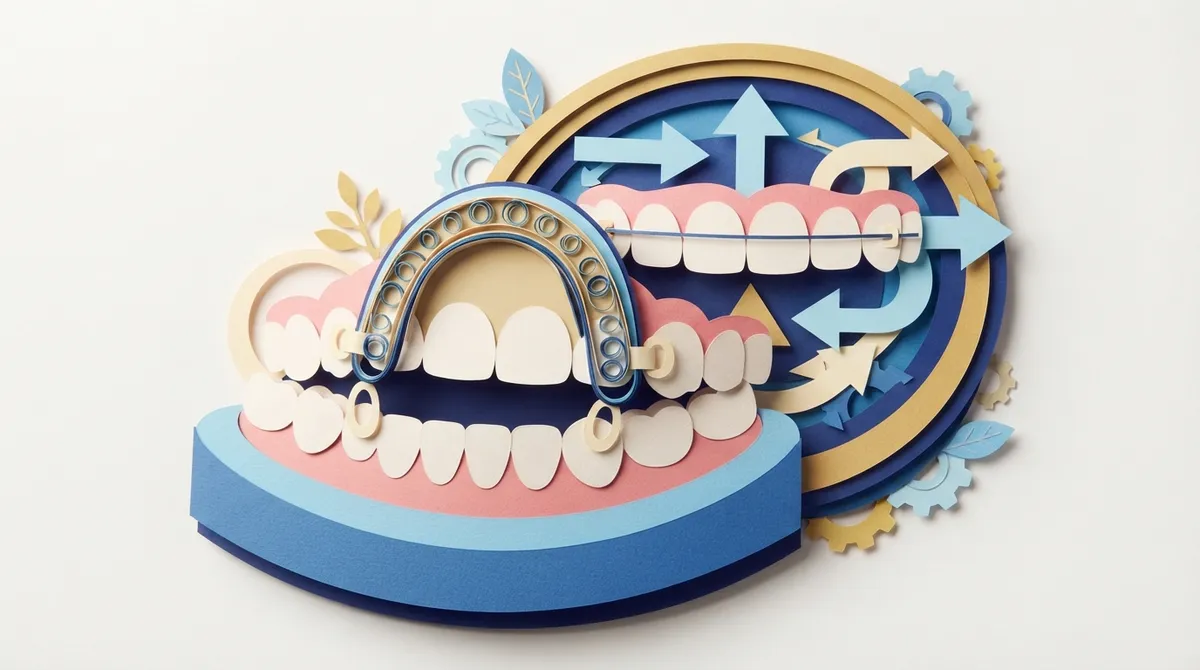
Orthodontic retention is the final stage of your orthodontic journey. It happens right after your braces come off or your last aligner tray is finished. Its whole job is to hold your teeth in their new, corrected spots.
Think of it like wet cement. Right after braces or aligners move your teeth, those teeth sit in bone and gum tissue that’s still settling. Without something holding them steady, they can drift back toward their old positions. This drifting has a name: relapse. Retention is simply the plan to prevent that from happening.
Why Retention Matters So Much
Here’s the honest truth. All the time, money, and effort you put into treatment can slowly unravel without good retention. Teeth are connected to muscles, ligaments, and bone that all remember where they used to be.
That’s why our team at Brockway Orthodontics talks about retention starting on day one, not as an afterthought. If you want to learn more about how we plan treatment from start to finish, check out our orthodontic services page for a full picture of what we offer.
Fixed Retainers: The Set-It-and-Forget-It Option
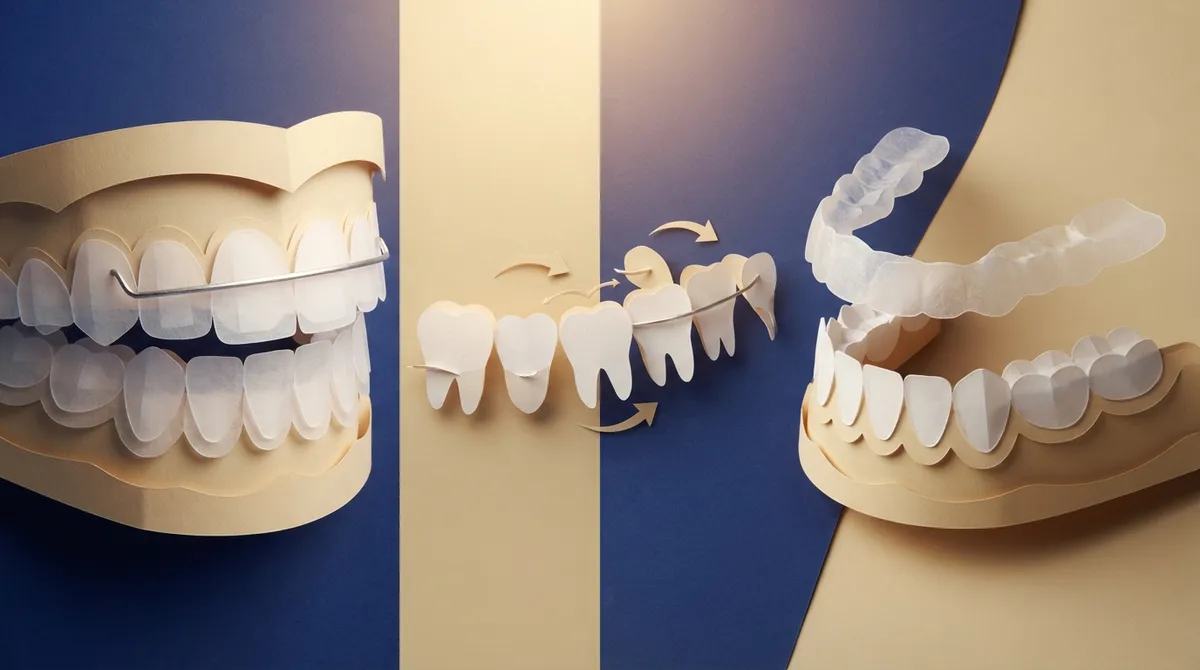
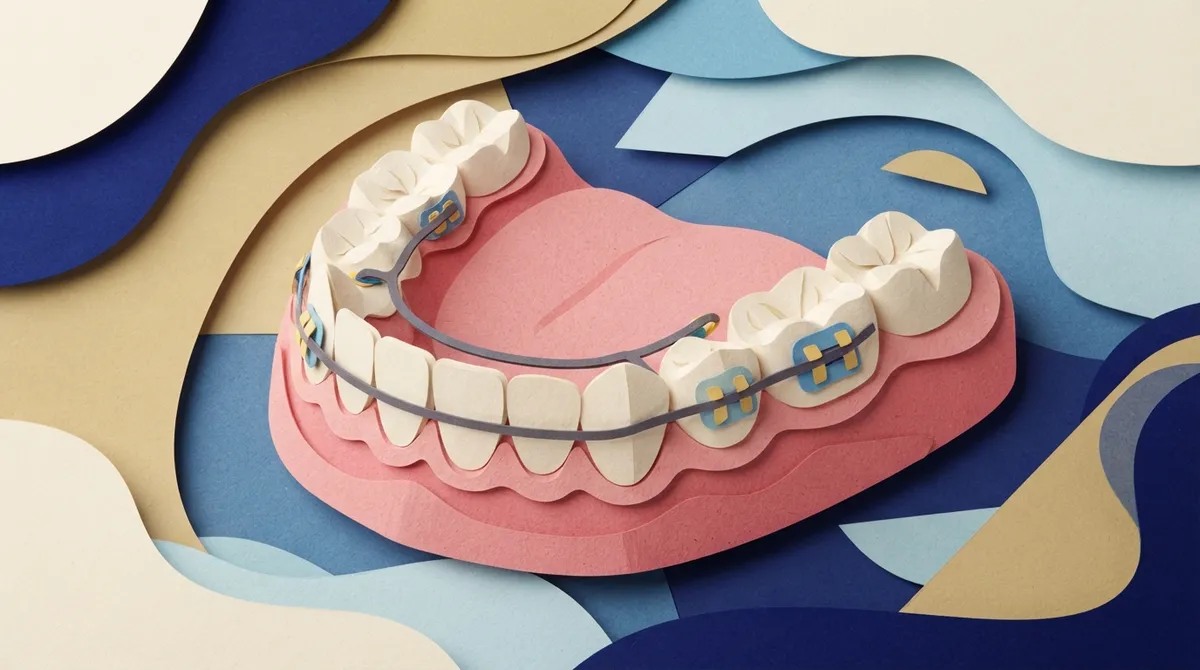
A fixed retainer, sometimes called a bonded retainer, is a thin wire glued to the back of your teeth. Most often it goes behind the lower front teeth, since those are the most likely to shift.
Benefits of Fixed Retainers
- You can’t forget to wear it because it’s always there
- No daily in-and-out routine to remember
- Great for people who struggle with compliance
- Works quietly in the background without changing your smile’s look
- Ideal for teens who might misplace a removable retainer
Downsides of Fixed Retainers
- Harder to floss around, requiring a bit more care
- Can trap food or plaque if not cleaned properly
- May come loose or break and need repair
- Only holds the teeth it’s attached to, not the whole arch
If a fixed retainer ever pops loose, don’t panic. Just give our office a call or read our guide on what to do if your retainer breaks for quick tips while you wait for your appointment.
Removable Retainers: Flexibility You Control
Removable retainers are the trays or plastic-and-wire devices you take out to eat, brush, and sometimes even for special occasions. Clear plastic retainers are popular because they’re nearly invisible.
Benefits of Removable Retainers
- Easy to clean since you take them out
- No extra flossing steps needed around wires
- Can be worn part-time once your orthodontist approves it
- Simple to replace if lost or worn out
- Comfortable for most patients after a short adjustment period
Downsides of Removable Retainers
- Easy to lose or forget, especially for busy teens
- Requires discipline to wear as directed
- Can be misplaced during meals at restaurants or school
- May need replacing more often than fixed wires
Good news here: research shows part-time wear of removable retainers can work just as well as full-time wear in many cases. That means your orthodontist can often create a plan that fits real life, not the other way around. Our retainers page has more details on the options we offer at our Clearwater practice.
Fixed vs. Removable: A Side-by-Side Look
| Feature | Fixed Retainer | Removable Retainer |
|---|---|---|
| Daily Effort | Low, stays in place | Higher, must remember to wear |
| Cleaning | Requires floss threaders or water flossers | Simple brushing and soaking |
| Visibility | Hidden behind teeth | Clear versions are nearly invisible |
| Risk of Loss | Very low | Higher, especially for kids and teens |
| Repair Needs | Can debond and need rebonding | Can crack or wear out over time |
| Best For | Lower front teeth, long-term stability | Full arch coverage, flexible wear |
How Long Do You Actually Need Retainers?
This is one of the most common questions we hear at Brockway Orthodontics. The honest answer is longer than most people expect.
- Your first retention check-up usually happens within three months of getting your retainer
- Most patients need two to four follow-up checks over the first one to two years
- Many orthodontists actively monitor retention for about twelve to twenty-four months after treatment ends
- Some patients, according to British Orthodontic Society guidance, may need retainers for life to keep their smile straight
- Under certain insurance or NHS-style programs, active orthodontist oversight often lasts about twelve months
Prolonged retention isn’t unusual. It’s actually considered routine care in modern orthodontics. That’s because teeth can shift slowly over years, even decades, without ongoing support.
Choosing What Fits Your Life
There’s no single right answer for everyone. The best retainer type depends on your original bite issue, your age, your habits, and your risk of relapse.
Good Fits for Fixed Retainers
- Teens who tend to lose things
- Patients with significant lower front crowding before treatment
- Anyone who wants a hands-off, low-maintenance option
Good Fits for Removable Retainers
- Adults with steady routines and good follow-through
- Patients who prefer easy cleaning
- Those who want the option to remove it for special events
Many of our patients actually end up with a combination: a fixed retainer on the lower front teeth plus a removable retainer for the rest of the mouth. This gives the best of both worlds, extra security where it’s needed most, and flexibility everywhere else.
Caring for Your Retainer the Right Way
No matter which type you choose, care matters. Here are simple steps to keep your retainer working well for years to come.
- Clean removable retainers daily with a soft brush and lukewarm water
- Never use hot water, which can warp plastic retainers
- Brush and floss carefully around fixed retainers every day
- Store removable retainers in their case when not in your mouth
- Keep pets away from removable retainers, since they love to chew them
- Schedule regular check-ups so your orthodontist can catch small issues early
Good habits like these reduce breakage, loss, and poor fit over time. The American Dental Association also recommends regular dental visits to support your overall oral health alongside your retention plan.
Why Teeth Still Shift, Even With a Retainer
This one surprises a lot of patients. Even with perfect retainer wear, small shifts can still happen over the years. Aging, natural jaw growth, and everyday forces from chewing and talking all play a role.
That’s exactly why long-term monitoring is so valuable. Skipping check-ups means small changes can turn into bigger ones before anyone notices. If it’s been a while since your last retention visit, it might be time to book appointment online and get things checked.
Relapse Patients: A Second Chance at Your Smile
If you had braces years ago and your teeth have shifted since then, you’re definitely not alone. Life happens. Retainers get lost, forgotten in a drawer, or simply stop fitting.
The good news is that retreatment is very possible. Whether that means a shorter round of clear aligners or a refresh with braces, our team can help you get back to the smile you worked hard for. Learn more about your options on our Spark™ Clear Aligners page, a comfortable and affordable path for adults who want a discreet fix.
What Makes Brockway Orthodontics Different
Dr. Brockway believes education is just as important as the treatment itself. Our Clearwater team takes time to explain your retention plan in plain language, so you always know what to expect and why it matters.
We use modern tools like digital impressions and 3D imaging to design retainers that fit comfortably and precisely. No messy molds, no guesswork. Plus, our friendly team genuinely cares about building long-term relationships with families across Pinellas County, not just finishing a treatment plan and saying goodbye.
Curious what other patients say about their experience? You can visit us on Google — Brockway Orthodontics to read real reviews from our community. You can also connect with us on Facebook or follow along on Instagram for smile tips and updates from our office.
A Quick Recap: Fixed vs. Removable
Both options do the same core job, keeping your smile exactly where it belongs. Fixed retainers offer convenience and constant support. Removable retainers offer flexibility and easier cleaning. Many patients get the best results using both together, based on guidance from their orthodontist.
Groups like the Florida Association of Orthodontists emphasize that retention planning should always be personalized. What works for your neighbor or your sibling might not be the right fit for you.
Ready to Protect Your Smile for the Long Haul?
Your smile deserves to last well beyond the day your braces come off. Whether you’re just starting treatment, wrapping up your final aligner tray, or dealing with shifting teeth years after your last orthodontist visit, a solid retention plan makes all the difference. Our friendly Clearwater team at Brockway Orthodontics is here to guide you every step of the way, with the same warmth and care Dr. Brockway brings to every family we serve. Ready to talk retention options or get your smile back on track? Contact us today and let’s keep that beautiful smile exactly where it belongs.
FAQs
Q: What is orthodontic retention?
A: Orthodontic retention is the final phase of treatment that happens after braces or aligners are done. It’s all about holding your teeth in their new, corrected positions using retainers, so your hard-earned smile stays put!
Q: How long do I need to wear a retainer after braces?
A: Many patients wear retainers for a year or two with regular check-ups, though some folks need them long term to keep everything in place. Your orthodontist will create a plan that fits your unique smile and lifestyle.
Q: What’s the difference between fixed and removable retainers?
A: A fixed retainer is a thin wire bonded behind your teeth that stays in place all the time. A removable retainer is a tray you take in and out, giving you more flexibility but requiring a bit more responsibility to wear it as directed.
Q: Can my teeth move again if I stop wearing my retainer?
A: Yes, unfortunately teeth can drift back toward their old positions if retention is skipped, a process called relapse. That’s why sticking with your retainer schedule really pays off in the long run!
Q: How often should my retainer be checked by an orthodontist?
A: Most guidelines suggest an early check within three months of getting your retainer, followed by two to four visits over the next year or two. Regular check-ins help catch small issues before they become bigger ones.
Our Service Area