Key Takeaways
-
Orthodontist visits and dental visits do different jobs: the orthodontist moves teeth and adjusts your bite, while the dentist checks for cavities, gum disease, and plaque. You need both.
-
The American Association of Orthodontists advises a dental cleaning and check-up at least every six months while wearing braces, and more often if your dentist recommends it.
-
Brackets and wires trap plaque, which can cause cavities, sore gums, and white spots that may become permanent once braces come off. Regular professional cleanings help prevent this.
-
Don't skip the dentist because home cleaning feels harder with braces; a hygienist can remove plaque and tartar around brackets and wires quickly and gently.
-
Call your dentist or orthodontic office if gums stay red, swollen, or bleeding, if tooth pain persists, or if a bracket or wire breaks, rather than waiting for the next routine visit.
-
Clear aligners still require regular dental checkups, since aligners can trap saliva and food against teeth when not cleaned properly.
Getting braces is exciting. You are on your way to a straighter, healthier smile! But here is a thought that surprises many families: your orthodontist visits do not replace your regular trips to the dentist. In fact, why regular dental visits still matter with braces is one of the most important questions to ask during treatment.
Think of it like a car. Your orthodontist is the mechanic who adjusts the engine and keeps everything moving in the right direction. Your dentist is the one who checks the whole car for rust, leaks, and wear. You need both to get to your destination safely.
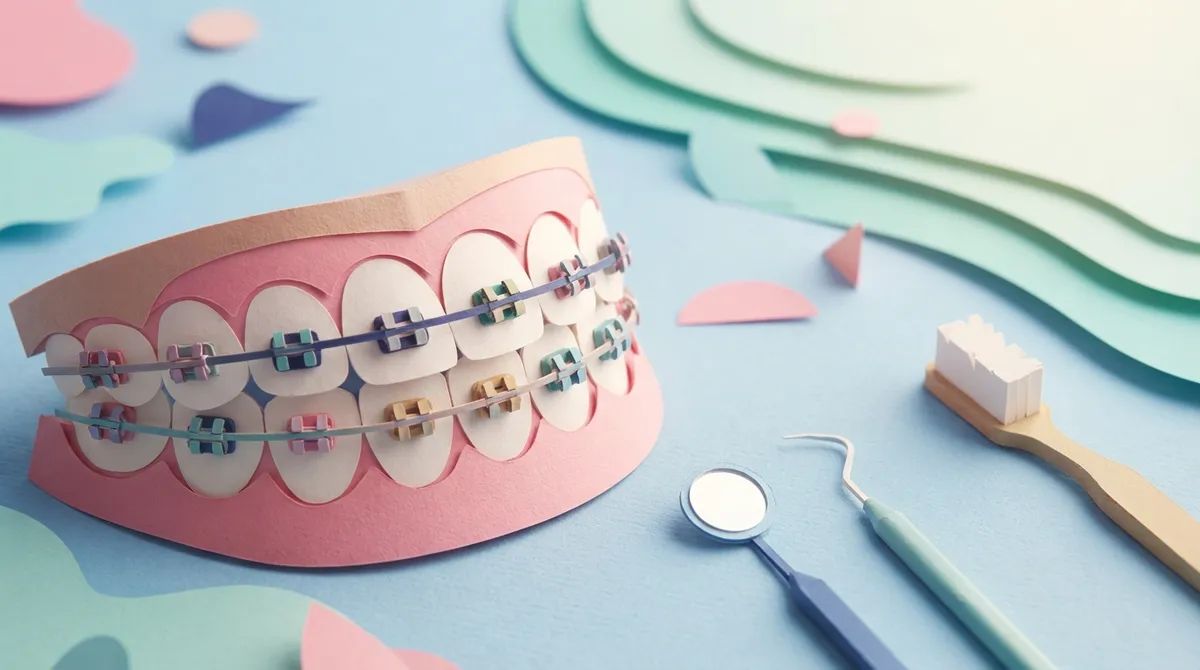
Brackets and wires make it harder to clean your teeth. That means plaque can hide in places your toothbrush cannot easily reach. Over time, this can lead to cavities, sore gums, and even lasting white marks on your teeth.
In this guide, we will walk through 14 common mistakes people make when it comes to dental care during braces, and how you can avoid every one of them. Whether you are a parent helping your child, a teen managing your own care, or an adult juggling a busy career, these tips are for you.
Why Regular Dental Visits Still Matter With Braces
Let us start with the big picture. Orthodontic appointments and dental appointments do different jobs. Both are important, and one cannot stand in for the other.
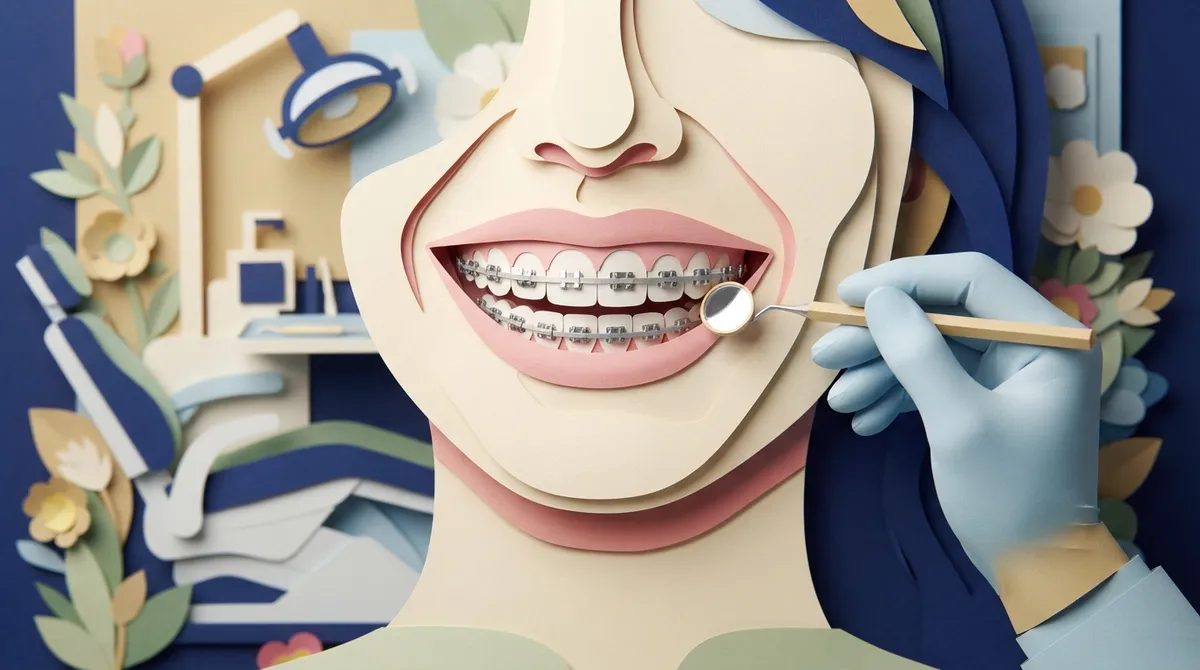
Your orthodontist focuses on tooth movement, alignment, and your bite. At Brockway Orthodontics, Dr. Brockway checks how your teeth are shifting and adjusts your appliances so your treatment stays on track. That is a big job, but it is not the same as checking for cavities or gum disease.
Your general dentist looks at the health of your teeth and gums. They clean away plaque and tartar, take a close look for early signs of decay, and spot problems while they are still small. Catching issues early often means simpler, easier fixes.
Here is a quick side-by-side look at how the two visits compare:
| Visit Type | Main Focus | How Often |
|---|---|---|
| Orthodontist | Tooth movement, bite correction, adjusting braces or aligners | Commonly every 6 to 10 weeks, depending on your plan |
| General Dentist | Cavity checks, gum health, professional cleanings | At least every 6 months, or more often if advised |
The American Association of Orthodontists (AAO) advises patients to see their dentist for a cleaning and check-up at least every six months while wearing braces. Some people need to go more often, depending on their oral health needs.
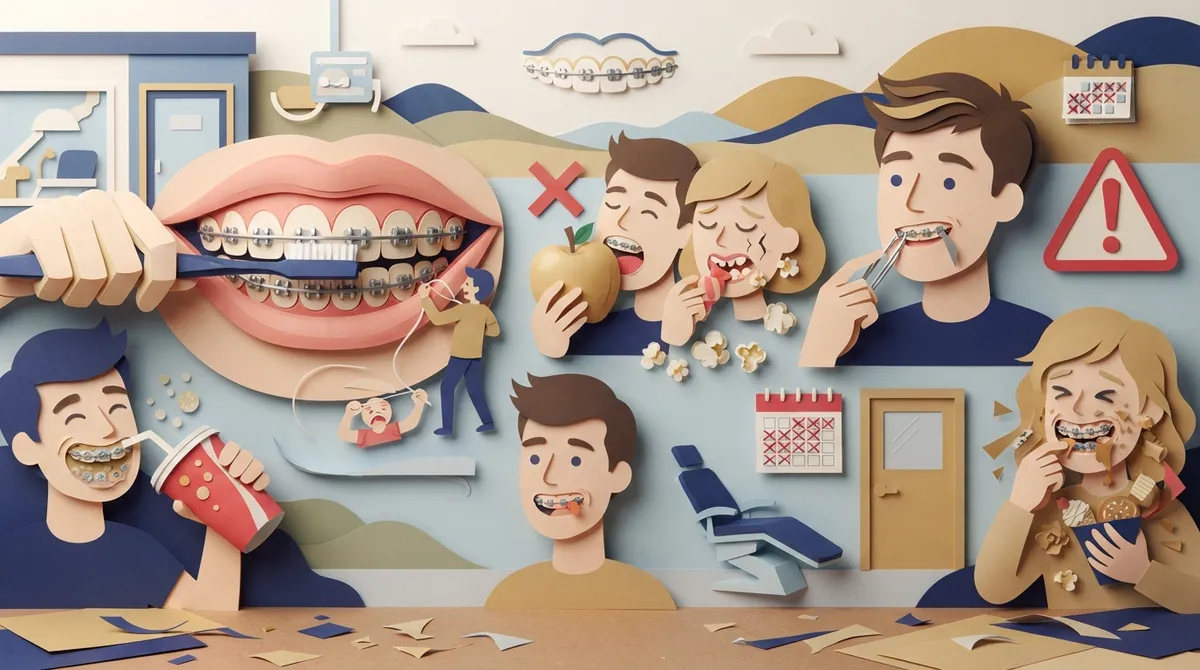
14 Dental Visit Mistakes to Avoid When You Have Braces
Now for the heart of it. Here are the mistakes we see most often, and simple ways to steer clear of them.
Mistake 1: Thinking Your Orthodontist Visit Counts as a Dental Checkup
This is the most common mix-up. Your adjustment appointment is about moving teeth, not screening for cavities. Keep both appointments on your calendar.
Mistake 2: Skipping the Dentist Because Brushing Takes Longer
Braces make cleaning harder, so some people feel overwhelmed and avoid the dentist. Please do not! A professional cleaning is exactly what helps when home care gets tricky.
Mistake 3: Waiting Longer Than Six Months Between Cleanings
Plaque builds up faster around brackets and wires. Sticking to the six-month rule, or a shorter schedule if your dentist suggests it, gives your teeth the best protection.
Mistake 4: Ignoring Early Signs of Gum Trouble
Red, puffy, or bleeding gums are not just a nuisance. They can be a sign that plaque is building up. Call your dentist or orthodontic office if the swelling or bleeding does not go away.
Mistake 5: Forgetting to Tell Your Dentist About Your Braces
Your dentist should know your full treatment plan. This helps them clean carefully around brackets and share tips that fit your situation.
Mistake 6: Believing Cavities Are Not a Big Deal
Some people think a small cavity can wait. But the CDC reports that wearing braces or other oral appliances is associated with a higher risk of cavities. That does not mean every patient will get one, but it does mean staying on top of checkups is smart.
Mistake 7: Overlooking White Spots Around Brackets
Those chalky white marks can show up when plaque sits on enamel for too long. Once your braces come off, they can be permanent. Regular dental visits help catch early changes so you can respond right away.
Mistake 8: Rushing Through Daily Brushing and Flossing
Professional care works best when paired with strong home habits. Brush carefully around brackets and along the gumline, and clean between your teeth every day. Our smart steps to brush teeth with braces guide makes this much easier.
Mistake 9: Skipping Fluoride and Preventive Care
Your dentist can recommend fluoride products or other preventive steps based on your personal risk. Do not skip these tips, especially if you have had cavities before.
Mistake 10: Waiting for Pain Before Calling Anyone
Tooth pain, a broken wire, or a damaged bracket should never wait until the next routine visit. If something feels off, reach out. Not sure what counts as urgent? Our guide on emergency vs. routine orthodontics can help.
Mistake 11: Assuming Clear Aligners Mean You Can Relax About Dental Care
Even if you wear Spark™ Clear Aligners instead of metal braces, regular dental visits still matter. Aligners trap saliva and food against teeth if they are worn without proper cleaning, so checkups are just as important.
Mistake 12: Skipping Visits When Life Gets Busy
Parents juggling school schedules and professionals juggling meetings often push dental visits aside. Try booking your next appointment before you leave the office, so it is already on the calendar.
Mistake 13: Not Asking for Personal Advice
Everyone’s mouth is different. Ask your dentist if you need visits more often than every six months. Those with a history of cavities or gum disease may benefit from extra cleanings.
Mistake 14: Forgetting About Dental Care After Braces Come Off
The journey does not end when your braces do. Keep up with your cleanings and wear your retainers as directed to protect your results. A healthy smile is a lifelong project.
What Happens at a Dental Visit While You Have Braces?
If you are wondering what to expect, good news: a dentist can absolutely clean teeth with braces on. Here is what a typical visit often looks like:
- Exam: Your dentist checks your teeth and gums for signs of decay, swelling, or other concerns.
- Professional cleaning: A hygienist carefully removes plaque and tartar around brackets, wires, and bands.
- Polishing and fluoride: Many visits include a polish and, if recommended, a fluoride treatment to strengthen enamel.
- Personal tips: You will get advice on brushing, flossing tools, and any trouble spots they notice.
- Follow-up plan: Your dentist tells you when to come back based on your needs.
The whole process is quick and gentle. It is also a great chance to ask questions, so bring a list if you have one.
The Numbers Behind Oral Health
It helps to see why prevention matters. The CDC’s 2024 Oral Health Surveillance Report found that about 50% of U.S. children aged 6 to 9 had at least one decayed, filled, or missing tooth. It also found that about 10% of adolescents aged 12 to 19 had at least one untreated cavity in a permanent tooth.
These numbers show how common dental problems are, even without braces. Add brackets and wires into the mix, and staying on top of your care becomes even more valuable.
Tips for Different Members of Your Family
Every age group has its own challenges. Here is how to make dental care work for you.
For Parents of Kids and Teens
Kids may need reminders and a little help. Keep a shared family calendar for both orthodontic and dental visits. Make it fun with a small reward after each cleaning. If your child is just starting out, our article on orthodontics for kids offers helpful guidance.
For Teens and Young Adults
Between school, sports, and social plans, it is easy to let dental visits slide. But your smile is on the line! A quick cleaning every six months protects the investment you are making in your braces.
For Busy Adult Professionals
Early morning or lunch-hour appointments can fit around a packed workday. Adult patients often have extra concerns like gum health, so staying consistent really pays off. Learn more about our adult treatment options.
For Retreatment Patients
If you had braces before and are returning because of relapse, your dentist can help check that your teeth and gums are healthy enough for a fresh start. Healthy gums support better results.
Daily Habits That Work Hand in Hand With Dental Visits
Professional visits are a big help, but your everyday routine does most of the work. Keep these habits in your toolkit:
- Brush after meals when you can, angling the brush toward the gumline and around each bracket.
- Clean between your teeth daily with floss threaders, water flossers, or interdental brushes.
- Rinse with water after snacks if you cannot brush right away.
- Limit sugary drinks and sticky foods that cling to brackets.
- Follow every instruction from your dentist and orthodontist.
For more ideas, check out our tips on oral hygiene with braces and our friendly food guide for braces.
When to Call Instead of Waiting
Some things should not wait for your next scheduled visit. Reach out to your dental or orthodontic office right away if you notice:
- Persistent gum swelling or bleeding
- Tooth pain that does not go away
- A broken bracket, loose band, or poking wire
- Sores in your mouth that will not heal
Quick action can prevent small problems from growing into bigger ones. If you are local and need fast help, our team is here for you.
Why Brockway Orthodontics Cares About Your Whole Smile
At Brockway Orthodontics, we believe great orthodontic care goes beyond straight teeth. Dr. Brockway takes time to listen and explain your options in a friendly, easy-to-follow way. We use modern tools like digital impressions and 3D imaging to make your experience comfortable and precise. We offer metal braces, ceramic braces, and Spark™ Clear Aligners for kids, teens, and adults across Clearwater, Florida.
We also love hearing from our community. You can see what our Brockway Orthodontics patients say on Google and learn about our friendly approach. For extra dental health resources, the American Dental Association is a great place to explore.
Ready to Protect Your Smile? Let’s Talk
Braces are a wonderful step toward a confident smile, and regular dental visits keep that smile healthy along the way. By avoiding these 14 mistakes, you give your teeth and gums the best chance to shine when your braces come off.
Remember: your orthodontist moves your teeth, and your dentist protects them. Together, they make a winning team!
Have questions about your treatment or want to start your journey? Book your free consultation online and meet our welcoming team. You can also contact us anytime, and we will be happy to help.
FAQs
Q: Do I still need to see my dentist while I have braces?
A: Yes, absolutely! Your orthodontist focuses on moving your teeth, while your dentist checks for cavities and gum problems and gives you a professional cleaning. You need both to keep your smile healthy during treatment.
Q: How often should I get a dental cleaning with braces?
A: The American Association of Orthodontists advises a cleaning and check-up at least every six months while wearing braces. Your dentist may recommend visits more often if you have a history of cavities or gum issues.
Q: Can a dentist clean teeth with braces on?
A: Yes, they can! Dentists and hygienists are used to cleaning carefully around brackets and wires. It is a quick, gentle visit that helps remove plaque your toothbrush may miss.
Q: Why are braces linked to a higher risk of cavities and white spots?
A: Brackets and wires create extra spots where plaque and food can hide, making brushing and flossing harder. When plaque sits on enamel too long, it can cause cavities and lasting white marks, which is why regular dental care is so helpful.
Q: What should I do if my gums bleed or swell while wearing braces?
A: Keep brushing gently and cleaning between your teeth, since good hygiene often helps. If the swelling or bleeding does not go away, call your dentist or orthodontic office so they can check it out and give you the right advice.
Our Service Area