Key Takeaways
-
Age alone does not stop teeth from moving; healthy gums and strong bone matter more, and gum disease should be treated before orthodontic treatment begins.
-
Typical adult treatment takes about 12 to 24 months, with simpler cases shorter and complex cases up to three years, so be wary of anyone promising fast results.
-
Aligners only work if worn about 22 hours a day, changed roughly weekly; if you're forgetful, fixed braces may be a better fit.
-
Retainers are part of treatment, not optional: teeth can drift back, and skipping retainer wear is the top reason adults need retreatment.
-
Orthodontics can improve alignment and bite but cannot guarantee a perfectly symmetrical smile, and jaw problems may require surgery or a combined plan.
-
Get a full exam before choosing a treatment, since it reveals your likely results, realistic timeline, risks, and whether dental or gum care is needed first.
Thinking about straightening your teeth as an adult? You’re in great company. More grown-ups than ever are finally saying yes to the smile they’ve wanted for years. But here’s the thing: the biggest bumps in the road usually come from adult teeth straightening expectations that don’t match reality.
Maybe you expect results in three months. Maybe you think aligners work with zero effort. Or maybe you assume you’re too old to start. None of that is quite right, and believing it can cost you time, money, and a bit of frustration.
The good news? A little honest knowledge goes a long way. In this friendly guide, we’ll walk through 11 common mistakes adults make when they start treatment, and how to avoid every one. You’ll learn what’s realistic, what’s not, and what to ask before you begin. Think of it as a chat with a friend who has done their homework. Let’s get your expectations lined up with the real journey so you can enjoy it.

Mistake 1: Believing You’re Too Old to Move Your Teeth
Let’s clear this up first. Age alone does not stop teeth from moving. Adults can have effective orthodontic treatment, and many do. Our guide on whether you’re too old for braces covers this in more detail.
What matters more than your birthday is your oral health. Healthy gums and strong bone support tooth movement. If you have gum disease, bone loss, missing teeth, or older dental work like crowns, your plan may be a bit more involved. That’s not a dead end. It just means your orthodontist needs to look closely first.
If you’re curious about starting later in life, see Can Adults Get Braces at 40? for friendly answers.

Mistake 2: Expecting a Perfect, Perfectly Symmetrical Smile
Orthodontics can do wonderful things for alignment and bite. But it can’t promise a perfectly symmetrical smile. Faces and jaws are naturally a little uneven, and that’s part of what makes you, you.
Braces and aligners also don’t reshape your jaw the way jaw surgery can. Some bite problems come from the bone itself. In those cases, your orthodontist may talk with you about a combined plan that includes other procedures.
A smart goal is a healthier, straighter, more confident smile. That is very doable. Ask your orthodontist to show you what is likely for your specific case, not what’s possible in a perfect world.
Mistake 3: Skipping the Full Exam and Picking a Treatment First
Many adults decide on a treatment before they ever sit in the chair. Maybe a friend loved their aligners, so you want aligners. That’s understandable, but the best option depends on your bite, the tooth movements you need, your oral health, and your lifestyle.
A proper exam is where the truth comes out. It tells you:
- Your likely results
- A realistic timeline
- Any risks to consider
- Whether you need dental or gum care first
At Brockway Orthodontics, Dr. Brockway takes the time to listen to your goals and explain your options in plain language. Not sure what to expect at that first visit? Check out Your First Visit.
Mistake 4: Guessing Your Treatment Time
Everyone asks, “How long will this take?” It’s a fair question, but the honest answer is: it depends. Treatment commonly takes around 12 to 24 months. Simpler cases can be shorter, and complex cases can run longer.
Cleveland Clinic describes an average of about two years for braces, with cases ranging from under 12 months to as long as three years. A 2024 comparative study described an estimated 12 to 18 month course for clear aligners, though that isn’t a promise for any one person.
| Case Type | Typical Timeframe | What Influences It |
|---|---|---|
| Mild crowding or spacing | Often under 12 months | Small tooth movements |
| Moderate alignment and bite issues | About 12 to 24 months | Bite complexity, daily habits |
| Complex bite or combined care | Up to 3 years or more | Gum health, jaw structure, extra procedures |
For a deeper look, read How Long Do Braces Take to Work?
Mistake 5: Falling for “Fast and Easy” Promises
Speed is tempting. Who wouldn’t want straight teeth by next month? But moving teeth safely takes time because your bone and gums need to adjust as teeth shift.
Rushing can lead to problems like root damage or unstable results. If a plan sounds too quick, ask questions. A trustworthy orthodontist will explain why a timeline makes sense for your mouth.
We dig into this topic in 9 Speed Traps That Sabotage Fast Teeth Straightening.
Mistake 6: Assuming Aligners Work Without Your Help
Clear aligners are popular for good reason. They’re discreet, removable, and comfortable for many adults. In fact, a 2022 study of adult orthodontic patients found that 67.7% preferred invisible aligners, citing things like visibility and perceived discomfort. That’s a study sample, not everyone, but it shows why so many adults are curious.
Here’s the catch. Aligners only work if you wear them. The American Association of Orthodontists notes they’re typically worn at least 22 hours a day, and you take them out only for meals and cleaning. Each tray is commonly worn for about a week.
Miss wear time, and progress slows. If you know you’re a bit forgetful, fixed braces might fit you better since they stay on and keep working. Learn more about Spark™ Clear Aligners, a more affordable alternative to Invisalign.
Mistake 7: Thinking Aligners Are Right for Every Bite
Aligners are wonderful, but they aren’t a perfect match for every case. Some tooth movements and bite problems are handled more predictably with braces.
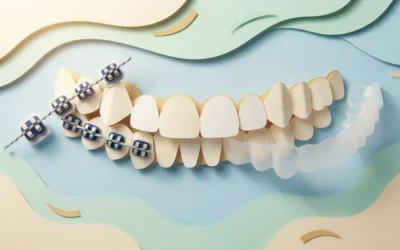
Here’s a quick look at your main options:
| Option | Best For | Things to Know |
|---|---|---|
| Metal braces | A wide range of cases, including complex ones | Most noticeable, very reliable |
| Ceramic (clear) braces | Adults wanting a less visible fixed option | Fixed in place, need careful cleaning |
| Clear aligners | Mild to moderate cases and disciplined wearers | Removable, must be worn about 22 hours daily |
Not sure which side of the fence you’re on? Compare them in Clear Aligners vs. Braces: Which One Is Right for You? or explore All About Braces.
Mistake 8: Expecting Zero Discomfort
Let’s be real and kind about this. Some soreness is normal. Your teeth are moving, after all. You may feel pressure or tenderness for a few days after braces are placed or adjusted, or when you switch to a new aligner.
Other short-term bumps can include:
- Cheek or tongue irritation
- Temporary eating discomfort
- A bit of lisp with aligners for the first day or two
The good news is it eases up. Soft foods, orthodontic wax, and a warm rinse can help. And if something pokes or feels off, call your orthodontist rather than toughing it out. Curious about early days? See 14 Things to Expect Your First Week With Braces.
Mistake 9: Letting Oral Hygiene Slide
This one matters more for adults than people realize. Braces and aligners don’t clean themselves, and trapped plaque can lead to cavities and gum inflammation.
Possible risks that you should talk through with your orthodontist include:
- Gum problems if hygiene is poor
- Enamel decalcification (white spots) and cavities
- Shortening of tooth roots, called root resorption
Don’t let that scare you. These are manageable with good habits and regular monitoring. Brush and floss carefully, keep up your dental cleanings, and follow your orthodontist’s tips. Our 7 smart steps to brush teeth with braces make it simple.
Mistake 10: Ignoring Gum Health and Existing Dental Work
If you have active gum disease, tooth movement should wait. Gum disease generally needs to be assessed and stabilized first, and ongoing periodontal care may be important during treatment. Moving teeth on unhealthy gums can make things worse.
The same goes for missing teeth, crowns, or bridges. They don’t rule you out, but they change the plan. Your orthodontist may coordinate with your dentist or gum specialist. Wondering about gaps? Read Can I Get Braces With Missing Teeth?
If you’re health-minded and want treatment shaped around your whole mouth, that’s exactly the kind of customized care we love providing.
Mistake 11: Treating Retainers as Optional
Here’s the mistake that undoes more smiles than any other. Retention is part of treatment, not an extra. After your teeth move, they want to drift back, and they can.
Adults who had braces years ago and now see crowding again know this well. Expect to wear a retainer as your orthodontist directs, often long term, and to attend follow-up visits. Skipping it is the number one reason people need retreatment.
Learn about your choices on our Retainers page, and see how to wear a retainer after braces to protect your results.
A Realistic Roadmap: What Adult Treatment Looks Like
Now that you know the pitfalls, here’s a simple way to picture your journey from start to finish.
- Consultation and exam. Your orthodontist reviews your bite, gums, and goals, and may take digital scans or 3D images.
- Plan and options. You compare braces and aligners, timing, and costs, with honest answers about what’s realistic.
- Any prep care. If needed, gum or dental issues are handled first.
- Active treatment. You wear braces or aligners and visit for regular check-ins, usually for 12 to 24 months.
- Finishing touches. Your orthodontist fine-tunes your bite and alignment.
- Retention for the long haul. You wear your retainer as directed to keep your results.
Money matters too, and that’s a very normal worry. Flexible options can make treatment easier to fit into your budget. Explore financing and insurance to see what’s possible.
Who Adult Treatment Is Right For
Adult orthodontics fits a lot of different people:
- Busy professionals who want a discreet option that fits a demanding schedule.
- Relapse patients who had braces before and want to fix shifted teeth.
- Young adults getting ready for graduations, weddings, or big career moves.
- Health-conscious patients who want a plan that protects their gums and long-term oral health.
Whatever your story, you deserve care that feels personal. See our adult treatment approach, or learn why so many adults are getting treatment in 2026.
Why Brockway Orthodontics Is a Great Place to Start
If you’re looking for an orthodontist in Clearwater, Florida, Brockway Orthodontics is a warm, welcoming place to begin. Dr. Brockway is more than a qualified orthodontist. She listens to your concerns and dreams for your smile, then explains each step in a friendly, easy-to-follow way.
We offer Spark™ Clear Aligners, metal braces, and ceramic braces, so we can match you with the right fit. Modern tools like digital impressions and 3D imaging mean no messy molds and more precise planning. In certain cases, same-day treatments are even available for busy schedules.
Want to hear from real patients? Visit us on Google and read what our Brockway Orthodontics patients have to say. You can also learn about professional standards through the Florida Association of Orthodontists and general oral health guidance from the American Dental Association. For a clinical overview of braces, the Cleveland Clinic guide to braces is a helpful read.
Final Thoughts: Start Smart, Smile Big
Straightening your teeth as an adult is absolutely possible, and it can be life-changing. The secret is setting adult teeth straightening expectations that are honest and informed. Know your timeline, commit to your routine, protect your gums, and treat your retainer like a best friend.
You don’t have to figure it all out alone. A quick conversation can replace a lot of guessing and show you exactly where you stand.
Ready to take the first step? Book your free consultation online and let’s talk about your goals, or contact us with any questions. We can’t wait to meet you!
FAQs
Q: How long does it take for adults to straighten their teeth?
A: Most adult treatment takes about 12 to 24 months, though simpler cases can be shorter and complex ones can take up to three years. Your orthodontist can give you a personal estimate after a quick exam. It’s a great reason to book a consultation!
Q: Are braces or clear aligners better for adults?
A: Neither one wins for everybody, and that’s okay! The best choice depends on your bite, the tooth movements you need, your lifestyle, and how consistently you can wear aligners (about 22 hours a day). Dr. Brockway will walk you through the pros and cons so you feel confident in your pick.
Q: Can adults really straighten their teeth at any age?
A: Yes, age alone doesn’t stop teeth from moving. What matters most is healthy gums and bone, so any gum disease should be treated first. Existing crowns, missing teeth, or bone loss can make planning more involved, but they don’t automatically rule you out.
Q: How long will I need to wear a retainer after treatment?
A: Retention is a real part of treatment, not an optional extra. Teeth can shift after braces or aligners come off, so most adults wear a retainer as directed, often long term. Your orthodontist will give you a plan that fits your smile.
Q: Is adult orthodontic treatment painful?
A: Most people feel mild soreness or pressure for a few days after braces are placed or adjusted, or when starting a new aligner. It usually fades quickly, and soft foods and orthodontic wax can help. If anything feels sharp or unusual, give your orthodontist a call.
Our Service Area