Key Takeaways
-
Always put aligners straight into a closed, latching case the moment they come out, never on a napkin, table, or couch cushion, even for a minute.
-
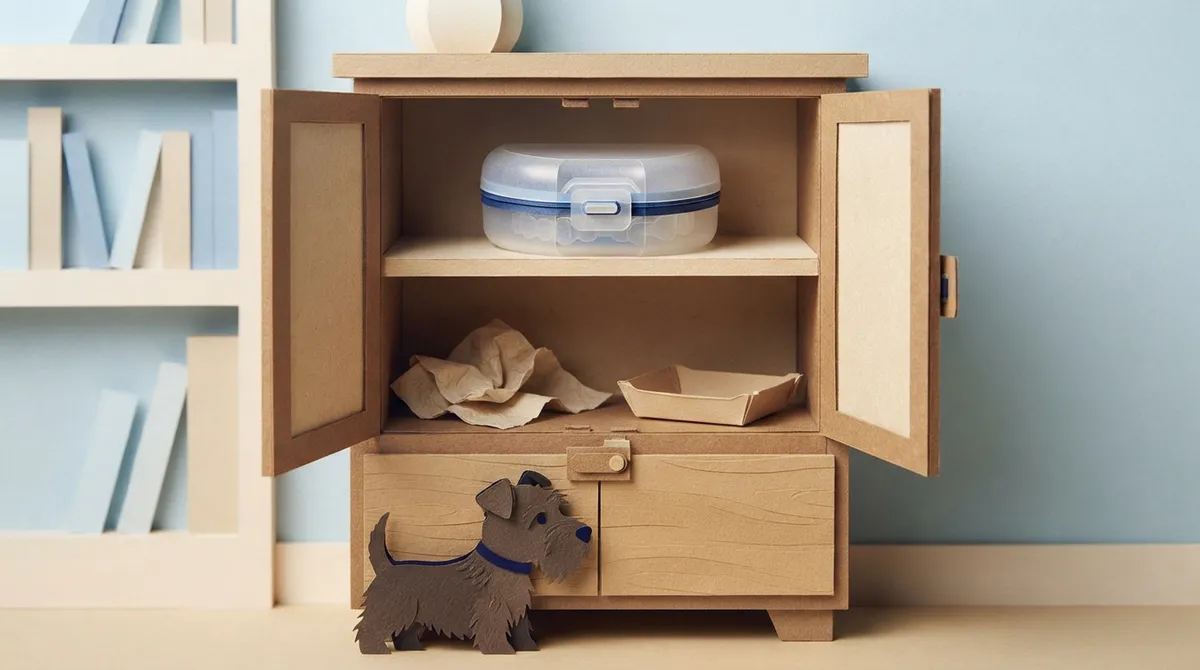
Store the case in a closed drawer, shut cabinet, or zipped bag, since high surfaces are not enough as many dogs and cats can jump or climb to reach them.
-
Never set trays down temporarily; most accidents happen when trays are left out while you eat, take a call, or clean them.
-
If a pet chews a tray, take it away calmly, check for cracks or warping, don't wear a damaged tray, and contact your orthodontist before changing your sequence.
-
If a pet may have swallowed aligner pieces, call a veterinarian promptly and seek urgent care for choking, breathing trouble, or repeated vomiting; never induce vomiting unless a vet advises it.
-
Keep aligners and cases away from heat, since hot cars, sunny windowsills, and heaters can warp the plastic and make it fit poorly.
You take your aligners out for dinner, set them down for a second, and turn around. Your puppy is trotting off with a mouthful of clear plastic and a very proud look on their face. If that sounds like a scene from your own living room, you’re not alone, and a little planning goes a long way.
Keeping aligners away from pets is one of the easiest ways to protect your smile investment. A chewed tray can crack, warp, or fall apart. That can interrupt your treatment and leave you waiting on a replacement. The good news is that the fix is simple. A few steady habits keep your trays safe, and your furry friend safe too.
In this guide, we’ll walk through why pets go after aligners, how to build a pet-proof routine, and what to do if the worst happens. Whether you’re a parent juggling kids and a family dog, a busy professional with a curious cat, or a teen with a pup who loves anything that smells like you, this one’s for you.
Why Pets Love Chewing on Aligners
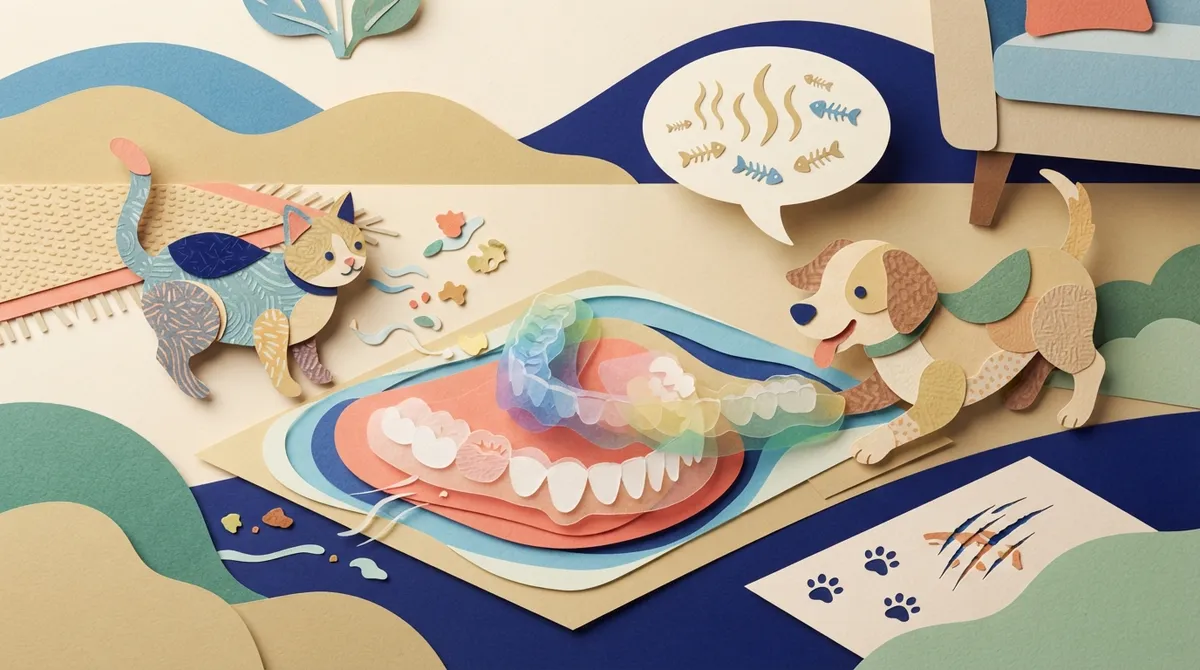
Dogs explore the world with their mouths. Your aligners spend hours in your mouth, so they carry your scent and a bit of saliva. To a curious dog, that makes them very interesting. They are also smooth, lightweight, and easy to carry off.
Cats and other small pets can be tempted too. A tray left on a table or nightstand can look like a toy to bat around, nudge to the floor, or drag away. Even pets who never chew your shoes may be drawn to something that smells like you and sits within reach.
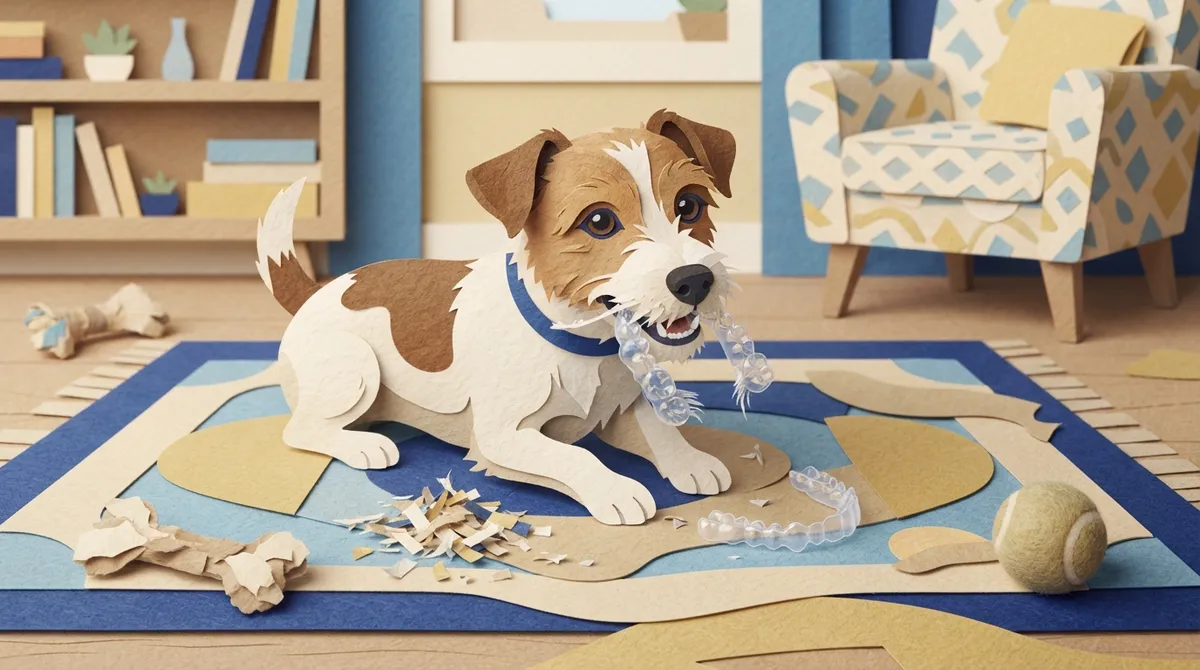
Here’s the key point: clear aligners are thin plastic made to fit your teeth precisely. Chewing can crack them, bend them out of shape, or leave sharp edges. Once a tray is distorted, it may no longer fit the way your orthodontist planned. That is why keeping aligners away from pets matters so much for your treatment.
What Can Happen if a Pet Gets Your Aligner
It helps to know what’s at stake so you can see why a good routine is worth the small effort. A pet getting hold of a tray can lead to a few different outcomes.
- Cracks and bite marks: Even small cracks can change how the tray fits and feels.
- Warping: Chewing can bend the plastic so it no longer matches your teeth.
- Sharp edges: A damaged tray can irritate your cheeks, tongue, or gums.
- Lost trays: A pet may carry an aligner off and hide it, or damage it beyond use.
- Safety risks for your pet: Swallowed plastic pieces are a concern for any animal.
- Treatment hiccups: A broken tray can interrupt your prescribed sequence until your orthodontist guides you on next steps.
None of this is meant to scare you. It’s simply a reason to build good habits early. Most pet mishaps are completely preventable.
7 Simple Ways to Keep Aligners Safe From Pets
You don’t need fancy gadgets or a total home makeover. These everyday habits do most of the work.
1. Use the Case Every Single Time
The number one rule is easy. Any time your aligners come out, they go straight into their case. Not on a napkin, not in your pocket, and not on the couch cushion for a minute. Clear aligners should be put in their protective case whenever they are out of your mouth.
A napkin is a classic mistake. It looks like trash and gets thrown away, or a pet grabs it. The case is the safest spot, every time.
2. Pick a Sturdy, Closed Case
Not all cases are equal. Choose one that snaps or latches firmly shut. A flimsy case that pops open when it hits the floor won’t protect much. Look for a hard shell with a secure closure, so a curious nose or paw can’t flip the lid open.
If your pet is a determined chewer, remember that a case can be chewed too. That’s why where you keep it matters just as much as the case itself.
3. Store the Case Somewhere Pets Can’t Reach
Pick a secure spot that pets can’t get to, such as a closed drawer, a shut cabinet, or a bag that stays zipped. Do not rely on a high surface alone. Many dogs and most cats can jump or climb higher than you think, and a case on a dresser or counter edge can be knocked right off.
Once you choose a home for the case, stick with it. That consistency is what makes the whole system work.
4. Build a Simple Routine
Habits beat good intentions. Try this quick routine each time you take your aligners out:
- Remove your aligners gently with clean hands.
- Rinse them as your orthodontic team has directed.
- Place them directly into the case.
- Close the case until you hear or feel it latch.
- Put the case back in its secure, pet-free spot.
The whole thing takes about ten seconds. After a week or two, it becomes automatic, just like brushing your teeth.
5. Never Set Trays Down Temporarily
This is where most accidents happen. You’re eating lunch, so you pop the aligners out and set them on the table “just for now.” Then the phone rings, the doorbell goes off, and the trays are forgotten.
The same goes for cleaning. Don’t leave trays on the bathroom counter while you grab a towel. If you need to rinse them, do it quickly and then case them right away.
6. Close Doors and Create Pet-Free Zones
If you tend to take your aligners out in a certain room, such as the bathroom or bedroom, keep the door shut while the case is out. A simple closed door is one of the easiest barriers there is. Baby gates can help in busy households too.
This is especially helpful for families. If you have kids with aligners, teach them to use the case and keep their bedroom door closed when trays are out. Good habits stick best when the whole household joins in.
7. Keep Them Away From Heat Too
While you’re thinking about safe storage, keep aligners and their cases away from heat. Hot cars, sunny windowsills, and spots near heaters can distort plastic. A warped tray may not fit or work the way it should, so a cool, secure spot protects against pets and heat at the same time.
Quick Comparison: Safe vs. Risky Places to Keep Aligners
Not sure where your aligners are safest? This table breaks it down.
| Storage Spot | Pet Safety | Why |
|---|---|---|
| Closed case in a shut drawer | Excellent | Protected twice over and out of reach |
| Closed case in a zipped bag | Very good | Easy to carry, but keep the bag off the floor |
| Closed case on a high shelf | Fair | Jumpers and climbers may still reach it |
| Open case on a nightstand | Poor | Easy to knock over, sniff, or grab |
| Wrapped in a napkin | Very poor | Easy to throw away, or for pets to snatch |
| Loose on a table or floor | Very poor | Wide open to curious mouths and paws |
Tips for Different Households
Every home is a little different, so here are a few ideas that match real-life situations.
For Parents of Kids and Teens
Kids forget things, and that’s normal. Make the case easy to find and give it a permanent home in their backpack or a bedroom drawer. A simple checklist on the fridge can help, and so can a quick “case check” before bedtime. If your family dog loves grabbing small items, keep kids’ rooms closed off when trays are out.
If you’re curious about how orthodontic care works for younger patients, our guide on orthodontics for kids is a friendly place to start.
For Busy Adults and Professionals
Your schedule is packed, which means trays often come out at lunch meetings or on the go. Keep a spare case in your bag, desk, and car so one is always nearby. At home, make the case part of your nightly routine, right next to your toothbrush, but behind a closed door or drawer if you have pets.
For Teens and Young Adults
Dorm rooms, shared apartments, and visiting friends’ pets add extra risk. If you’re hanging out somewhere with a dog or cat, case your aligners right away and keep the case in your pocket or bag, not on a coffee table. It takes a few seconds and saves a lot of stress.
What to Do if Your Pet Chews Your Aligner
Even careful people have accidents. If a pet gets hold of your tray, stay calm and follow these steps.
- Take the tray away safely. Don’t chase or yell, which can make a pet gulp pieces down. Trade for a treat if needed.
- Check the damage. Look for cracks, bite marks, warping, or sharp edges.
- Don’t wear a damaged tray. If it is cracked, sharp, warped, or no longer fits right, leave it out.
- Call your orthodontist. Let the team know what happened and follow their guidance about your next tray or a replacement.
- Don’t guess about your sequence. Do not jump ahead or go back to an earlier tray without guidance. Your treatment is carefully planned.
If you’re a Brockway Orthodontics patient, please contact us right away. Dr. Brockway and our team will help you figure out the best next step so you can get back on track. For a broader look at urgent situations, see our guide on emergency vs. routine orthodontics.
What if Your Pet May Have Swallowed Part of an Aligner?
This is the scariest scenario, so let’s be clear about it. If your pet may have swallowed an aligner or pieces of one, contact a veterinarian promptly for advice. Don’t wait to see what happens.
Seek urgent veterinary care if your animal shows any of these signs:
- Choking or gagging
- Difficulty breathing
- Repeated vomiting
- Marked distress or restlessness
- Other symptoms that worry you
One important note: do not try to make your pet vomit unless a veterinarian specifically tells you to. Home remedies can cause more harm than good. Your vet knows your pet and can give the safest guidance.
How a Damaged Aligner Can Affect Your Treatment
Clear aligners work by moving your teeth little by little, one tray at a time. Each tray builds on the last. When one is missing or damaged, that steady progress can pause.
Depending on your plan, your orthodontist may have you go back to a previous tray for a short time, order a replacement, or adjust your schedule. That’s why it’s so important to call before making changes on your own. The right answer depends on where you are in your treatment.
Our Spark™ Clear Aligners are designed to fit comfortably and work with your lifestyle, but they only do their job when they stay in good shape. A safe storage routine protects your results, your time, and your budget.
Extra Habits That Protect Your Aligners
Pet safety is just one piece of good aligner care. A few other habits help your trays last through your whole treatment:
- Remove aligners before eating or drinking anything but water. This protects the plastic and your teeth.
- Clean them as directed. Your orthodontic team will show you the safest method.
- Skip hot water. Heat can warp the plastic.
- Keep your case with you. A case in your bag or pocket means you’re never tempted to wrap trays in a napkin.
- Bring your case to appointments. It makes swapping trays simple.
For more everyday tips, check out our post on clear aligner food mistakes to keep your trays and smile in great shape.
Don’t Forget Your Retainers
Here’s a bonus tip: everything we’ve covered applies to retainers too. Dogs love chewing retainers, and they’re one of the most common items pets destroy. After your braces or aligners come off, your retainers keep your smile in place. The same rules apply: case it, close it, and store it out of reach. If something does happen, our guide on what to do if your retainer breaks can help.
Choosing Aligner Care That Fits Your Life
At Brockway Orthodontics, we know real life includes kids, busy schedules, and yes, pets with a nose for plastic. Dr. Brockway takes the time to listen, explain your options, and make sure you feel confident about your care. We offer clear aligners, ceramic braces, and metal braces for the whole family, so you can choose the path that suits your lifestyle. If a household with a very curious pup makes you nervous about aligners, we’re happy to talk through all of your choices. You can also read what other families say by visiting Brockway Orthodontics on Google.
The American Dental Association shares helpful general guidance on oral health at ada.org, and the Florida Association of Orthodontists is a good resource for learning more about orthodontic care in our state.
Ready to Protect Your Smile?
Keeping aligners away from pets comes down to a few easy habits: use a sturdy case, store it out of reach, and never leave trays sitting out. Do that consistently, and your furry family members will have a much harder time turning your smile plan into a chew toy.
If you have questions about aligners, braces, or a tray that’s been damaged, we’re here to help. Book your free consultation online and let’s talk about the best way to get you smiling with confidence, pets and all.
FAQs
Q: How do I keep my dog from chewing my aligners?
A: The best fix is to put your aligners straight into a closed case every time you take them out. Then store that case in a shut drawer or cabinet your dog can’t reach. Don’t just set them on a table, even for a minute, because dogs are quick!
Q: Can I wear an aligner that has bite marks or a crack?
A: If a tray is cracked, sharp, warped, or doesn’t fit right, it’s best not to wear it. Give our team a call so we can guide you on your next tray or a replacement. Please don’t skip ahead or go back in your sequence without checking with us first.
Q: What should I do if my pet swallowed an aligner or a piece of one?
A: Call your veterinarian right away for advice. Head to urgent care if your pet is choking, struggling to breathe, vomiting repeatedly, or seems very distressed. Please don’t try to make your pet vomit unless your vet tells you to.
Q: Can a damaged aligner delay my orthodontic treatment?
A: It can, which is why it’s so helpful to call your orthodontist quickly. A broken or missing tray may pause your progress until you get a replacement or a new plan. The sooner we hear about it, the sooner we can get you back on track.
Q: Where should I store my clear aligners when they’re out of my mouth?
A: Keep them in their sturdy, closed case and store the case in a secure spot like a closed drawer or zipped bag. Keep it away from pets and from heat, since hot places can warp the plastic. Using the same spot every day makes it easy to remember.
Our Service Area