Key Takeaways
-
Baby teeth act as placeholders, holding space and guiding permanent teeth into the correct position, so losing one early can disrupt the entire alignment process.
-
When a baby tooth is lost too soon, neighboring teeth may drift into the gap, shrinking the space the permanent tooth needs and risking crowding, rotation, or impaction.
-
Early tooth loss doesn't automatically mean braces or treatment; an orthodontist considers the tooth lost, remaining space, and how close the permanent tooth is to erupting.
-
A space maintainer is a custom appliance that preserves room for the permanent tooth, but it cannot guarantee a child will avoid braces later.
-
Common causes of premature loss include tooth decay, infection, trauma from falls or sports, and off-path eruption, so good brushing, flossing, and mouthguards help protect baby teeth.
-
After an early loss, avoid trying to reposition the tooth at home, keep the area clean, and schedule an evaluation with a dental professional to assess space and bite.
Your child just lost a tooth, and the tooth fairy is already on her way. But wait. What if that tooth wasn’t supposed to come out yet? Maybe it was knocked loose at soccer practice. Maybe a cavity got the better of it. Suddenly, a happy milestone feels a little more worrying.
Here’s the good news: you’re not alone, and there’s no need to panic. Still, why early loss of baby teeth matters is a question every parent should understand. Baby teeth do far more than help kids chew and smile for school photos. They hold space and guide the permanent teeth that come in behind them.
In this friendly guide, we’ll walk through what baby teeth really do, what can happen when one is lost too soon, and when it’s smart to get a professional opinion. We’ll also share what the research says, because not every early loss leads to a problem. Let’s dive in!
What Do Baby Teeth Actually Do?
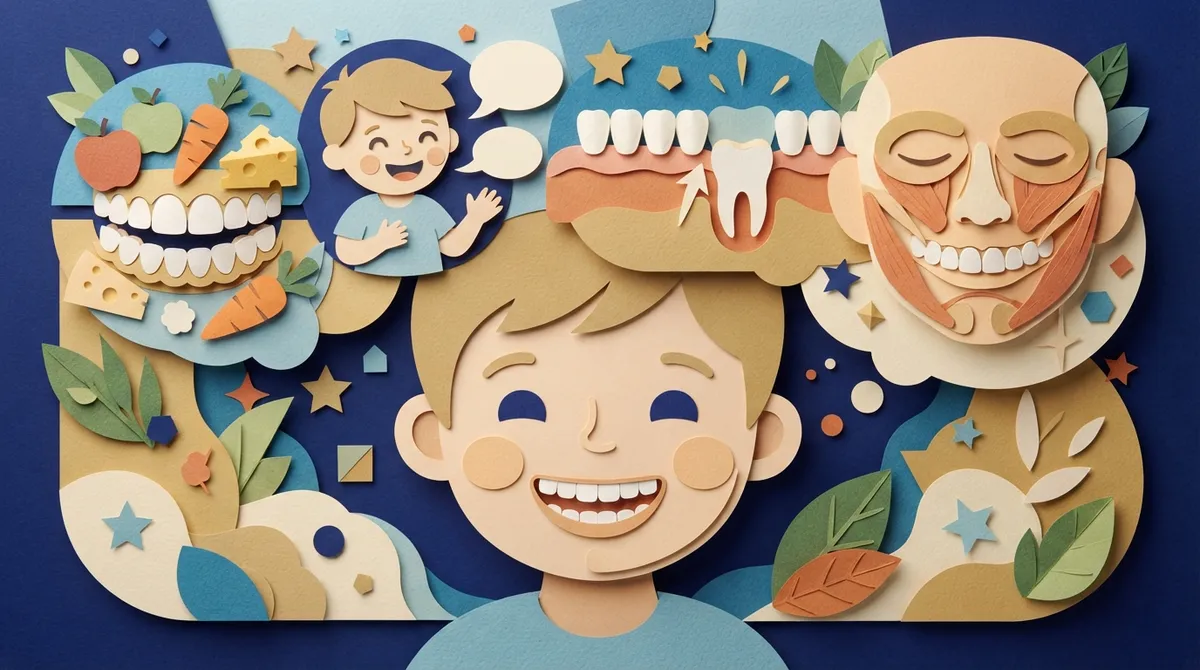
Baby teeth are sometimes called “placeholders,” and that nickname is spot on. Think of each one as a little reserved seat at a theater. It keeps the spot open until the permanent tooth is ready to take its place.
Baby teeth (also called primary teeth) have several important jobs:
- Hold space: They keep room open for the permanent tooth underneath.
- Guide eruption: They help steer the permanent tooth into the right path.
- Support chewing: Kids need them to eat a healthy, varied diet.
- Help with speech: Teeth play a part in forming clear sounds.
- Support jaw growth: Chewing and tooth contact help the jaws develop.
When a baby tooth stays in place until it’s naturally ready to fall out, everything tends to line up nicely. When it leaves early, the neighbors can get restless.
Why Early Loss of Baby Teeth Matters for Alignment
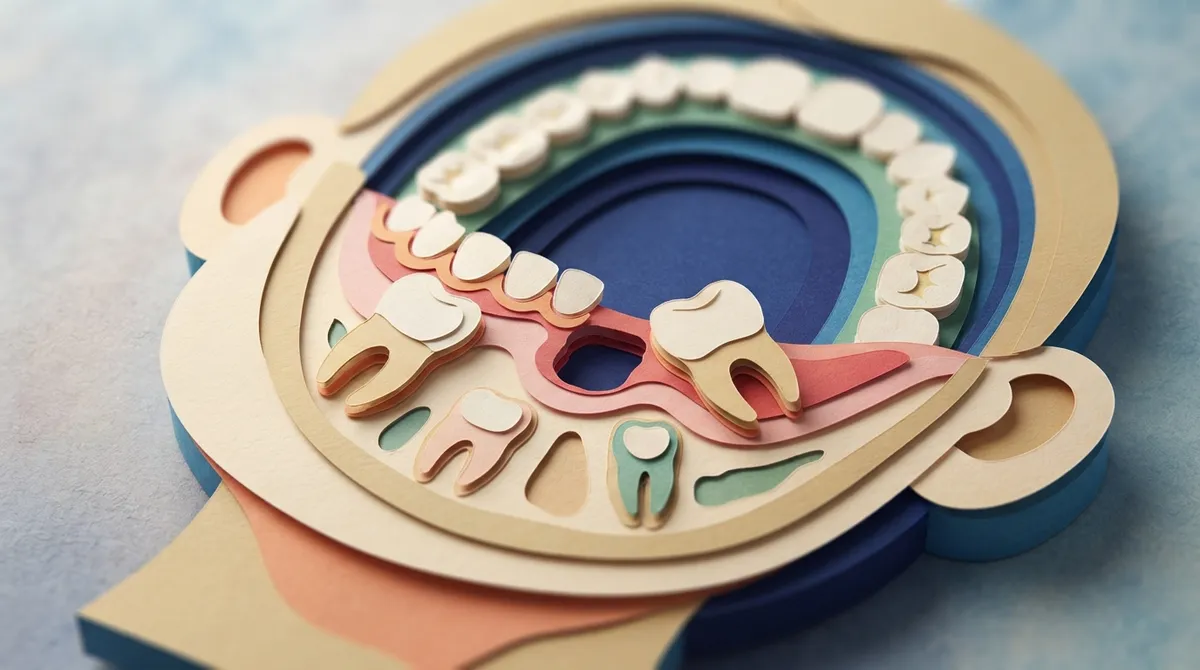
So, what’s the big deal? It comes down to space. Teeth are a bit like people in a crowded elevator. If someone steps out, the others naturally lean into the open spot.
When a baby tooth is lost early, nearby teeth may drift or tilt into the gap. That can shrink the space the permanent tooth needs. If the space gets too tight, the new tooth may come in crooked, turned, or in the wrong spot. In some cases, it may get stuck under the gum.
Early loss may contribute to:
- Crowding: Less room means teeth may overlap.
- Rotated teeth: Teeth may twist as they squeeze in.
- Ectopic eruption: A tooth may erupt in the wrong position.
- Impaction: A permanent tooth may get blocked from coming in.
- Bite changes: Some existing bite problems may get worse.
Now for an important point. These are possible outcomes, not guarantees. Many kids lose a baby tooth early and their permanent teeth come in just fine. The risk depends on the individual child, which tooth was lost, and how much room is left.
What Causes Baby Teeth to Fall Out Too Soon?
Knowing the cause helps us plan what to do next. A baby tooth can be lost before its natural shedding time for a few common reasons:
- Tooth decay: Cavities can damage a tooth so badly that it must be removed.
- Infection: An abscess may call for extraction.
- Trauma: Falls, sports hits, and playground bumps can knock a tooth out.
- Ectopic eruption: A permanent tooth coming in off-path can push a baby tooth out early.
- Crowding: Lack of space can sometimes affect how baby teeth shed.
Good daily brushing, flossing, and regular dental visits go a long way toward protecting baby teeth from decay. A mouthguard during sports helps shield them from injury.
How Common Is Early Loss of Baby Teeth?
It’s more common than you might think. Researchers have studied this in different parts of the world, and the numbers vary quite a bit.
| Study Location | Children Studied | Age Range | Early Loss Reported |
|---|---|---|---|
| Chidambaram, India (2012) | 1,121 | 5–10 years | 16.5% |
| Thamar, Yemen (2016) | 185 | 5–10 years | 40.54% |
Please keep in mind that these studies were local, used different sampling methods, and defined “early loss” differently. That means the numbers can’t be compared directly, and neither should be treated as a worldwide average. The takeaway is simple: early loss happens often enough that it’s worth knowing about.
Does Early Loss Always Mean a Problem?
Nope! This is where a little perspective helps. A tooth lost before its expected time is not automatically a crisis, and it doesn’t always call for an appliance.
Whether early loss matters orthodontically depends on the whole picture. An orthodontist or pediatric dentist usually looks at:
- Which specific tooth was lost
- How long ago it happened
- How much space is still available
- The child’s bite and “dental age”
- Whether the permanent tooth is present and developing
- How much bone covers the permanent tooth
- Oral hygiene, habits, and the child’s ability to cooperate with treatment
For example, if the permanent tooth is almost ready to pop through, there may be little reason to do anything but watch. If it’s years away from erupting and the neighbors are already drifting, a different plan may make sense. Every smile is unique.
What Is a Space Maintainer?
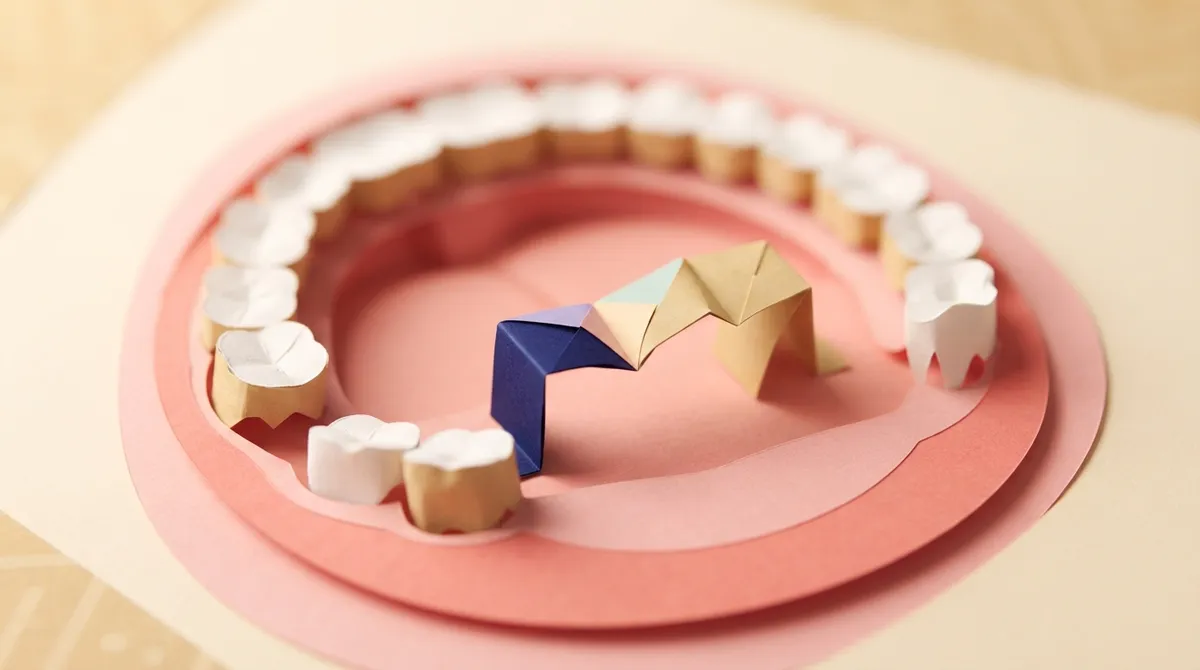
A space maintainer is a small, custom-made appliance that holds open the gap left by a lost baby tooth. Its job is simple: keep the neighboring teeth where they are so the permanent tooth has room to come in.
It’s important to understand what a space maintainer can and can’t do. It aims to preserve the position of the remaining teeth and the space for the permanent successor. It does not guarantee that your child will avoid braces later.
When Might a Space Maintainer Help?
A clinician may recommend one when the assessment shows a meaningful risk of space loss. This often applies when a baby tooth is lost early and the permanent tooth is still a long way from erupting.
When Might It Not Be Needed?
Space maintainers aren’t right for every child. Your orthodontist will consider things like:
- Whether the permanent tooth is close to erupting
- Whether enough space already remains
- The benefits and risks of wearing the appliance
Follow-up visits matter, too. The appliance may need adjustments, and it will eventually need to come out as the permanent teeth erupt.
Can Lost Space Be Regained?
What if some space has already closed up? Don’t worry. In some cases, a clinician may consider space regaining or another orthodontic plan to open the area back up. The right approach depends on how much space was lost and where your child is in their growth.
This is exactly why early evaluation is so helpful. It lets us catch changes sooner and keep an eye on how teeth are coming in. And just to be clear, an early visit does not mean every child needs immediate treatment. Often, the best plan is simply to watch and wait. You can learn more about our approach to early orthodontic treatment and why timing matters.
What Should You Do After an Early Tooth Loss?
If your child loses a baby tooth earlier than expected, a few simple steps can help you stay calm and in control:
- Check the cause. Was it a fall, a cavity, or something else?
- Keep the area clean. Encourage gentle brushing around the gap.
- Skip the DIY fix. Don’t try to reposition or replace the tooth at home.
- Book a visit. Ask a dental professional to assess your child’s space and bite.
- Follow the plan. Whether that’s monitoring or an appliance, regular check-ups are key.
If the tooth was knocked out by an injury, call your dental office promptly. For urgent situations, our guide on emergency vs. routine orthodontics can help you decide how fast to act. You can also find general oral health guidance from the American Dental Association.
When Should Your Child See an Orthodontist?
Many parents wonder about the right time for a first orthodontic visit. Early loss of a baby tooth is one good reason to schedule a look, even if your child isn’t a teenager yet. An orthodontist can study the space, check how the permanent teeth are developing, and tell you whether to relax or take action.
If you’re not sure what to expect, we’ve got you covered. Check out how to know when your child should first see an orthodontist or read our parent-friendly overview, Orthodontics for Kids: What Every Parent Should Know. Wondering what the first appointment looks like? Take a peek at your first visit so there are no surprises.
Why Families Trust Brockway Orthodontics
At Brockway Orthodontics in Clearwater, Florida, we love helping families understand what’s going on in their child’s mouth. Dr. Brockway takes time to listen to your concerns and explain things in a friendly, easy-to-follow way. She cares about every smile and every family.
Our practice uses modern technology, including digital impressions instead of messy molds and 3D imaging for precise planning. That means a more comfortable experience for kids and parents alike. You can meet Dr. Brockway and see why so many local families choose us. Curious what other parents think? Visit us on Google — Brockway Orthodontics and read the reviews from our Clearwater community.
We also proudly connect with professional communities like the Florida Association of Orthodontists, because staying informed helps us give your family the best care possible.
Key Takeaways for Parents
Let’s wrap up the big ideas so they’re easy to remember:
- Baby teeth hold space and guide permanent teeth into place.
- Losing one too early may let nearby teeth drift, which can affect alignment.
- Early loss doesn’t always cause problems, and not every case needs an appliance.
- An orthodontist can look at your child’s unique situation and recommend monitoring, a space maintainer, or another option.
- Early evaluation is about being informed, not about rushing into treatment.
Ready to Protect Your Child’s Smile?
Understanding why early loss of baby teeth matters gives you the power to act calmly and wisely. A quick visit can tell you whether your child’s teeth are on track or need a little extra guidance. Either way, you’ll have peace of mind, and that’s worth a lot.
If your child has lost a baby tooth early, or you’re just curious about what’s coming next, we’d love to meet you. Book your appointment online or contact our friendly team today. Let’s keep those little smiles growing strong!
FAQs
Q: What happens if a child loses a baby tooth too early?
A: Nearby teeth may drift or tilt into the empty space, which can reduce room for the permanent tooth. That said, not every early loss causes trouble. A quick check with an orthodontist can tell you if your child needs treatment or just monitoring.
Q: Does early loss of a baby tooth mean my child will need braces?
A: Not necessarily! Many kids who lose a baby tooth early still get their permanent teeth in nicely. Early evaluation simply helps us spot any issues sooner and plan the best path for your child’s smile.
Q: When does a child need a space maintainer after losing a baby tooth?
A: A space maintainer may be recommended when there’s a meaningful risk that neighboring teeth will shift into the gap, especially if the permanent tooth is still far from erupting. If the new tooth is almost ready to come in, your orthodontist may simply watch and wait instead.
Q: How long does a child need to wear a space maintainer?
A: It depends on when the permanent tooth is ready to erupt, so the timeline is different for every child. Regular follow-up visits let your orthodontist adjust the appliance and remove it at just the right time.
Q: Can lost space be regained after a baby tooth is lost early?
A: In some cases, yes. An orthodontist may suggest space regaining or another orthodontic plan to reopen the area. The best option depends on how much space has closed and where your child is in their growth.
Our Service Area