Key Takeaways
-
A thorough clinical exam, diagnostic records (photos, X-rays, digital scans), and a plain-English diagnosis form the foundation of a sound orthodontic plan before any option is chosen.
-
Treatment choice (metal braces, ceramic braces, or clear aligners) depends on diagnosis and case complexity, not just appearance or a digital preview; the orthodontist's clinical judgment makes the final call.
-
Treatment length and visit frequency are case-specific: local providers report check-ins about every 4-10 weeks, but timelines like 6-18 months for aligners are estimates, not guarantees.
-
Clear aligners only work when worn consistently; one local provider advises 20-22 hours per day, removed only for meals and oral hygiene, so confirm your own instructions.
-
Ask for a written, case-specific cost estimate and verify your insurance benefits directly, since national fee ranges are only general guides and coverage varies by plan.
-
Ask about retainers during planning, not after treatment, since they are what keep your new smile in place once braces or aligners come off.
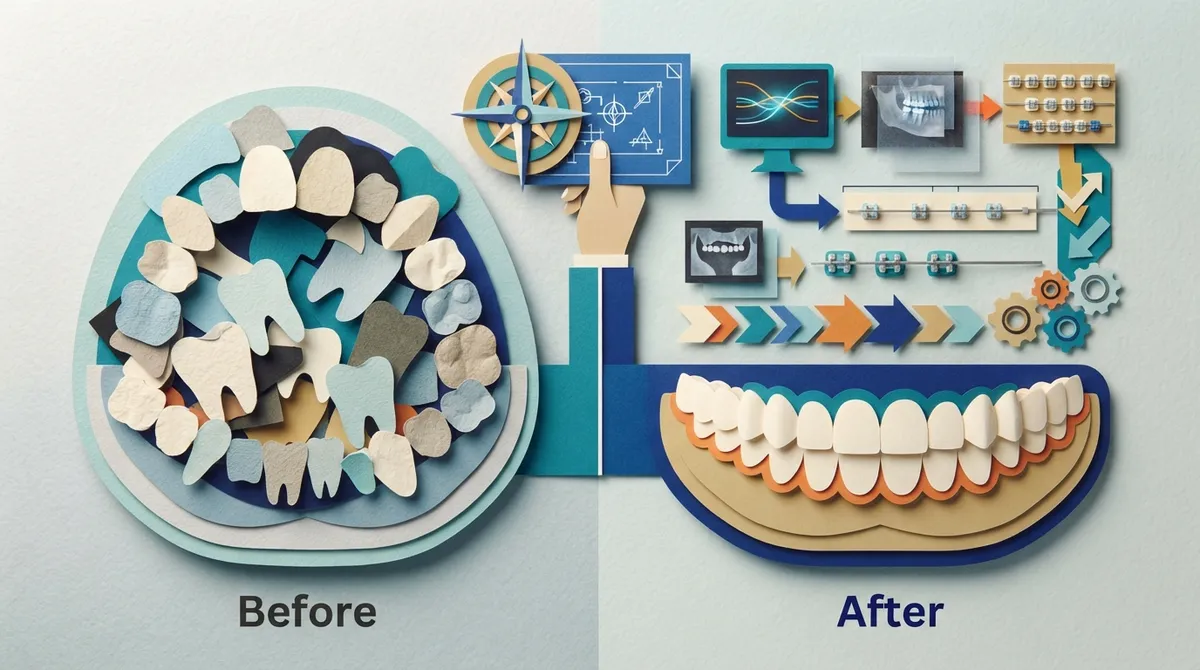
Thinking about braces or aligners can feel a little overwhelming. Where do you even start? Whether you are a parent helping a teen, a busy professional, or someone who had braces years ago and wants a fresh start, a good plan makes everything easier. Clearwater orthodontic treatment planning is the roadmap that turns “I want a better smile” into a clear, step-by-step path.
The good news? You do not need to figure it out alone. A smart plan covers your exam, your goals, your options, your timeline, and your costs. When all of that is on the table, you can say yes to treatment with confidence.
In this friendly guide, we will walk through 10 key steps of the planning process. You will learn what to expect, what to ask, and how to feel comfortable from the very first visit. At Brockway Orthodontics, we believe an informed patient is a happy patient. Let’s dive in!
Why Treatment Planning Matters Before You Start
Think of treatment planning like planning a road trip. You would not just hop in the car and hope for the best. You would pick a destination, check the route, and think about stops along the way.
Orthodontics works the same way. A careful plan helps your orthodontist choose the right tools, set realistic expectations, and avoid surprises. It also helps you understand how long treatment may take and what it may cost.
Every smile is different. Local practices describe an individualized process, where the exam, records, and goals all shape the final plan. That is why a one-size-fits-all approach rarely works.
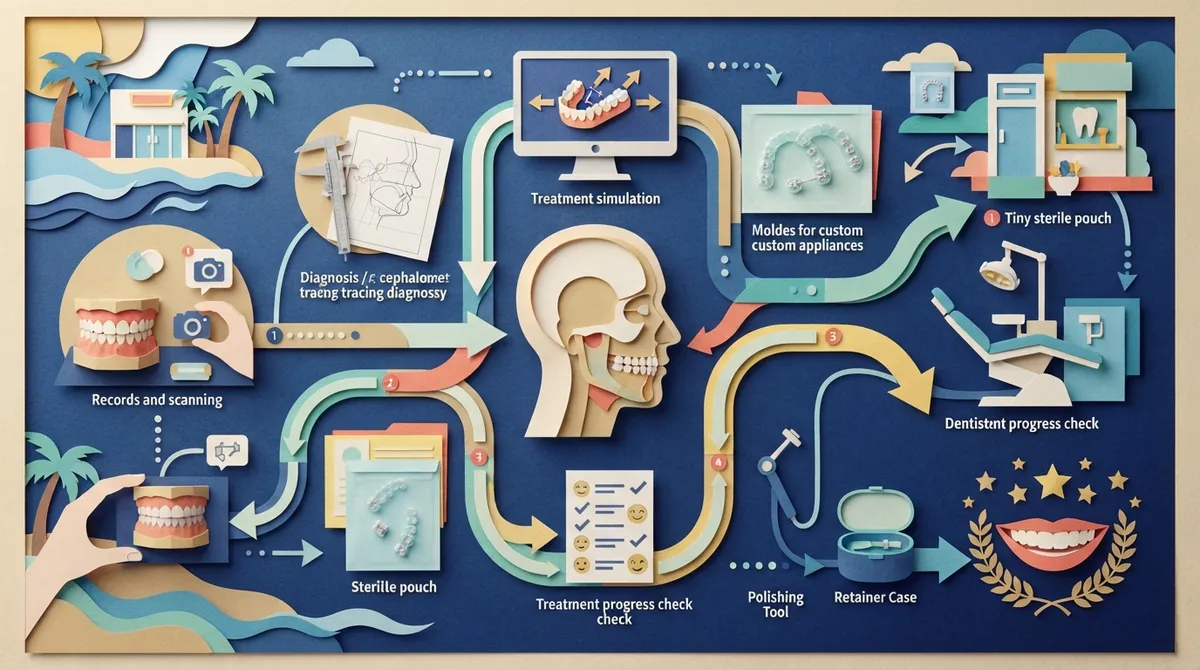
10 Steps in Clearwater Orthodontic Treatment Planning
1. Book a Consultation
Every great plan starts with a conversation. The consultation is your chance to meet the team, see the office, and share what bothers you about your smile. There is no such thing as a silly question here.
At Brockway, we make it easy to get started. You can book an appointment online in just a few minutes. If you want a peek at what happens next, read about your first visit.
Not sure how to prepare? Our guide on preparing for your first orthodontist consultation has handy tips.
2. Share Your Goals and Health History
Your orthodontist wants to know what matters most to you. Maybe you want straighter front teeth before a graduation. Maybe you want a more comfortable bite. Maybe you want a discreet option for the office.
You will also talk about your dental and medical history. This includes past braces, jaw pain, habits like thumb sucking, and any health concerns. The more you share, the better your plan will fit your life.
Parents, this is a great time to speak up about your child’s concerns, too. Teens often have strong opinions about how treatment looks, and that is perfectly normal.
3. Get a Clinical Exam
Next comes the hands-on part. In Clearwater, planning generally starts with a clinical exam that looks at tooth alignment, bite, jaw relationships, and overall oral health.
Your orthodontist checks for things like crowding, gaps, overbites, underbites, and crossbites. They also check your gums and look for any issues that should be handled before treatment begins. If you want to know more, see what to expect during your orthodontic exam.
4. Collect Diagnostic Records
Records give your orthodontist a closer look at what is going on beneath the surface. Local practices describe using photographs and dental X-rays as part of the assessment.
Here is what records may include:
- Photos of your face, smile, and teeth
- Dental X-rays to view roots, jaw bone, and unerupted teeth
- Digital scans or impressions of your teeth
- Notes from your exam about bite and jaw position
Which records you need depends on your case. Your orthodontist will explain why each one matters.
5. Use Digital Scans and 3D Models
Remember those gooey impression trays? Many modern offices skip the mess. Some Clearwater providers use digital intraoral scans to create 3D models of your teeth. These models can support aligner design and digital treatment previews.
A scan is a helpful tool, but it is only one piece of the puzzle. Your orthodontist’s clinical exam and judgment still guide the plan. At Brockway, we use digital impressions and 3D imaging so planning is more precise and more comfortable for you.
6. Review Your Diagnosis in Plain English
Once the records are in, your orthodontist explains what they found. A good explanation should make sense to you, not leave you scratching your head.
You should hear what is going on with your bite and alignment, why it matters for health and function, and what happens if you wait. Teens and young adults often care most about how treatment will look. Adults often ask about speed and comfort. Parents want to know what is best for a growing child. A thoughtful plan speaks to all of these.
If your child is young, early treatment may be part of the conversation. Spotting growth issues early can sometimes make later treatment simpler.
7. Compare Your Treatment Options
Now for the fun part: choosing your path. Clearwater-area providers commonly offer traditional braces and clear aligners such as Invisalign. The right option depends on your diagnosis, how complex your case is, your needs, and your orthodontist’s assessment. It is not just about preference or a digital preview.
Here is a quick side-by-side look at common choices:
| Option | How It Looks | Removable? | Good to Know |
|---|---|---|---|
| Metal braces | Visible brackets and wires | No | Time-tested and effective for many cases; see all about braces |
| Ceramic (clear) braces | Tooth-colored brackets | No | Less noticeable than metal |
| Clear aligners | Nearly invisible trays | Yes | Needs consistent wear; see Spark™ Clear Aligners |
Brockway Orthodontics offers metal braces, ceramic braces, and Spark™ Clear Aligners, an affordable aligner option. Still deciding? Our friendly comparison of clear aligners vs. braces can help.
8. Talk Through Timeline and Visit Schedule
Everyone asks, “How long will this take?” The honest answer is that it depends. Treatment length varies with how complex your tooth movement is and how closely you follow instructions.
For example, one Clearwater provider gives a general Invisalign estimate of 6 to 18 months. That is a practice-specific estimate, not a promise or a universal timeline. Your orthodontist should give you a range based on your own case.
Visit frequency varies too. Local practices report progress checks anywhere from about every 4 to 10 weeks, depending on the appliance and the office. Here is a quick snapshot:
| Appliance | Typical Check-In Range (Local Provider Reports) |
|---|---|
| Braces | About every 4 to 8 weeks |
| Clear aligners | About every 6 to 10 weeks |
These are examples, not rules. Your plan will set your own schedule. For more on timing, see how long braces take to work.
9. Understand Your Daily Responsibilities
Every plan comes with a few homework items. Knowing them up front helps you succeed.
With clear aligners, consistent wear is the big one. One Clearwater provider advises wearing them 20 to 22 hours per day, taking them out only for meals and oral hygiene. Always confirm exact instructions with your own orthodontist.
With braces, the focus shifts to brushing, flossing, and food choices. Sticky and hard foods can cause problems. Our tips on what you can eat with braces make mealtime easier.
And do not forget the finish line. Retainers help keep your new smile in place, so ask about retainers during planning, not after.
10. Review Costs, Payment Plans, and Insurance
Money talk is part of a good plan, and it should never feel awkward. Clearwater providers describe discussing expected duration, fees, payment plans, and insurance during the consultation.
A few honest points about cost:
- Coverage and out-of-pocket costs vary by insurance plan and by case.
- No reliable Clearwater-wide price average is available, so a case-specific quote matters most.
- One local dental practice states that national Invisalign fees generally run about $3,000 to $5,500. That is a provider-published estimate, not a verified Clearwater average.
Ask for a written estimate and check your benefits directly with your insurer. Our team can walk you through financing and insurance options. You can also read how to use dental insurance to help pay for braces.
Questions to Ask Before You Agree to a Plan
Before you say yes, make sure you feel heard. Here are smart questions to bring with you:
- What is my diagnosis, and what is causing it?
- Why do you recommend this option over the others?
- How long do you expect treatment to take, and what could change that?
- How often will I need visits?
- What is the total cost, and what does it include?
- What happens after treatment, and what kind of retainer will I need?
A caring orthodontist will welcome these questions. If you ever feel rushed, take a breath and ask for more time.
Who Benefits Most From a Personalized Plan?
Truthfully, everyone. But here is how planning looks for different groups:
- Parents of kids and teens: You get a clear view of timing, growth, and cost. See our tips for adolescent treatment.
- Teens and young adults: You can pick an option that fits your style and big life moments.
- Busy adult professionals: You can find a discreet, efficient plan that fits your calendar. Explore adult treatment.
- Relapse patients: If your teeth shifted after past treatment, a fresh plan can address what changed and why.
- Health-conscious patients: If you have gum concerns or complex needs, planning can coordinate care so your mouth stays healthy throughout.
Why Families Trust Brockway Orthodontics for Treatment Planning
At Brockway Orthodontics, planning is personal. Dr. Brockway listens first. She takes time to understand your worries and your dreams for your smile, then explains your options in a friendly, easy way.
Our office uses modern tools like digital impressions and 3D imaging, so planning is precise and comfortable. In certain cases, we can even offer same-day treatment, which is a big help for busy families. We treat kids, teens, and adults, so the whole family can be in one welcoming place.
Curious what other patients think? Visit us on Google — Brockway Orthodontics to see reviews from our Clearwater community. You can also learn more about the our office.
Want to be sure your provider is a trusted specialist? Organizations like the Florida Association of Orthodontists and the American Dental Association offer helpful resources for patients.
Ready to Build Your Smile Plan?
A great smile starts with a great plan. When you know your diagnosis, your options, your timeline, and your costs, you can move forward feeling calm and confident.
Remember, every number in this guide, from timelines to fees, is an estimate. Your own plan will be based on your own smile. That is the beauty of personalized care.
Ready to take the first step? Book your appointment online and let’s map out your best smile together. Have questions first? Just contact us, and our friendly team will be happy to help.
FAQs
Q: What happens at an orthodontic treatment-planning consultation in Clearwater?
A: You will meet the team, share your goals, and have a clinical exam of your teeth, bite, and jaw. Your orthodontist may also take photos, X-rays, or digital scans, then explain your options in plain English so you know exactly what comes next.
Q: Do I need X-rays or a 3D scan before starting orthodontic treatment?
A: Many Clearwater practices use X-rays and photographs as part of planning, and some use 3D digital scans too. Which records you need depends on your case, so your orthodontist will tell you what is needed and why.
Q: How long does orthodontic treatment usually take?
A: It varies from person to person. One local provider gives a general Invisalign estimate of 6 to 18 months, but that is a practice estimate, not a guarantee. Your orthodontist can give you a range based on your own smile and how closely you follow the plan.
Q: Does dental insurance cover braces or clear aligners?
A: It depends on your plan and your case. Some plans help with orthodontic costs and others do not, so ask for a written estimate and check your benefits with your insurer. Our team is happy to help you sort through financing and insurance options.
Q: How do orthodontists decide between braces and clear aligners?
A: They look at your diagnosis, how complex your case is, and your lifestyle and needs. A digital preview can help, but the final call rests on your orthodontist’s clinical assessment, not just personal preference.
Our Service Area