Key Takeaways
-
Aligner attachments are tooth-colored bumps that blend in but are not invisible; they are most noticeable on front teeth, in bright light, and in close-up photos.
-
Trays cover attachments and hide them well during normal conversation, but attachments are fully exposed when trays are out, such as during meals.
-
Attachments can darken from coffee, tea, red wine, and dark sodas, so remove trays before drinking anything except water and brush afterward.
-
A 2020 eye-tracking study found 88.4% of 250 adults would accept some loss of appearance during treatment for better results, and more attachments drew more attention.
-
Never try to remove or file attachments yourself; tell your orthodontist early about visibility concerns or upcoming events so they can discuss size and placement options.
If you are thinking about clear aligners, you have probably asked one big question: are aligner attachments noticeable? It is a fair thing to wonder. You want straighter teeth, but you also want to keep your smile looking natural while you get there.
Here is the friendly, honest answer. Attachments are designed to blend in, but they are not invisible. Whether anyone notices them depends on where they sit, how big they are, and even the lighting in the room. Most people find they fade into the background after a short time.
In this guide, we will walk through what attachments are, how visible they really are, and what you can do to feel confident during treatment. Whether you are a busy professional, a teen with a big event coming up, or a parent helping your child decide, you will find simple answers here.
What Are Aligner Attachments?
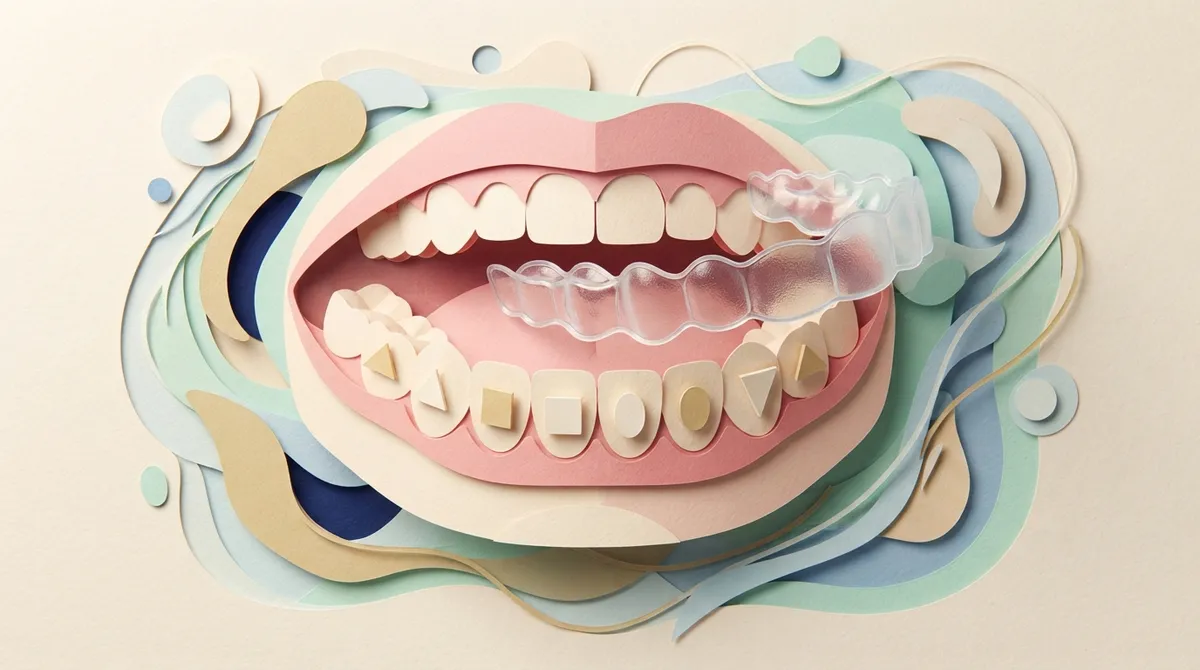
Clear aligner attachments are tiny bumps bonded to your teeth. They are made from tooth-colored composite resin, the same type of material used for many dental fillings. They are not the clear trays themselves. They are small shapes that stay on your teeth while you wear your trays.
Think of them like little handles. The aligner trays slip over them and get a better grip on your teeth. That grip helps the trays push and guide your teeth in the right direction.
Why Do Aligners Need Attachments?
A smooth clear tray can easily slide over a smooth tooth. Some tooth movements, like rotating a tooth or moving it up or down, need extra help. Attachments give the tray something to hold onto so it can apply the right force.
Not everyone needs the same number of attachments. Some smiles need just a few. Others need more. Your orthodontist plans them based on your teeth and your goals.
So, Are Aligner Attachments Noticeable?
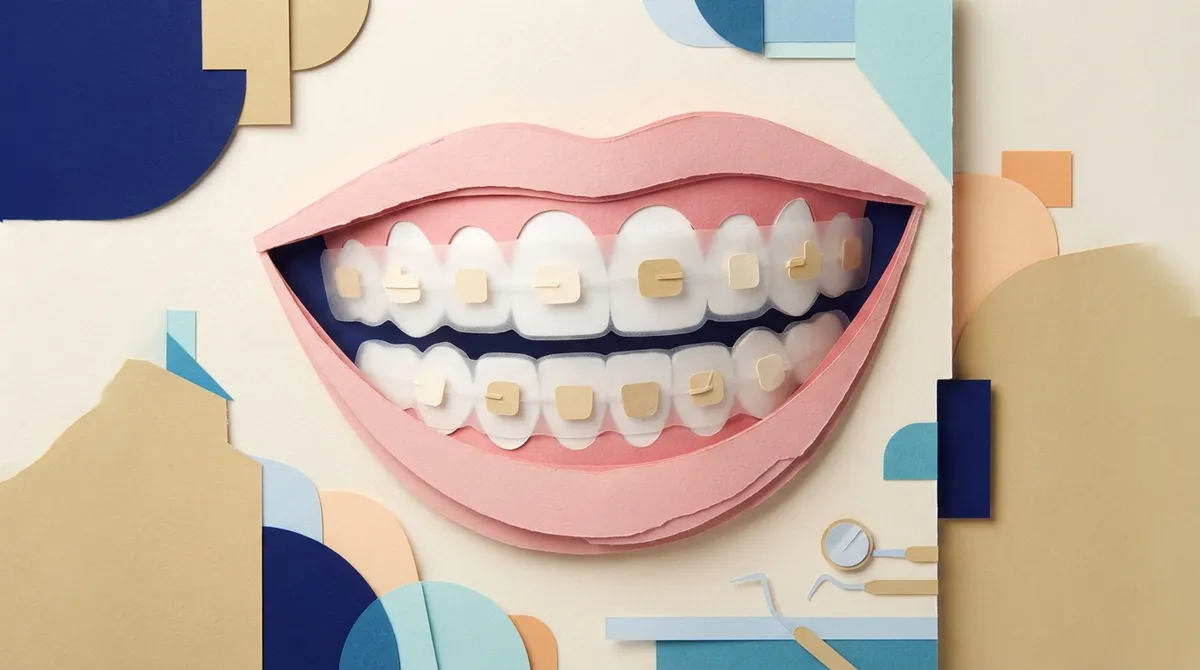
The short answer: they can be, but usually only a little. Attachments are tooth-colored, so they blend in with your natural enamel. Still, they create small bumps on the tooth surface. Up close, in bright light, a keen eye may spot them.
Most people you chat with at work, at school, or at the grocery store will not stare at your teeth. Many patients tell us that they notice their own attachments far more than anyone else does. That is very common when you are getting used to something new.
What Makes Attachments More or Less Visible?
Several things change how easy it is to see attachments. Knowing these can help you set realistic expectations.
- Location: Attachments on front teeth are easier to see than those on back teeth.
- Size and shape: Larger attachments can draw more attention than small ones.
- Number: More attachments can create a more noticeable look.
- Lighting: Bright light and camera flash can make small bumps stand out.
- Tooth color: The closer the shade matches your tooth, the better it blends in.
- Staining: Coffee, tea, and dark sodas can darken attachments over time.
Attachments With Trays In vs. Trays Out
This part surprises many people. You might think attachments are most visible when the trays are in. In reality, the tray covers the attachments, which helps hide them a bit. But reflections, saliva, and the way light bounces off the tray can still make the bumps show.
When your trays are out, such as while you eat, the attachments are exposed. At close range, they may be easier to see because there is no tray covering them. This is one reason some patients feel a little self-conscious during meals at first.
| Situation | How Noticeable? | Why |
|---|---|---|
| Trays in, normal conversation | Low | Tray covers the bumps and attachments match tooth color |
| Trays in, bright light or photos | Low to moderate | Glare and reflections can reveal small bumps |
| Trays out, eating | Moderate at close range | Bonded bumps are fully exposed |
| Front-tooth attachments | Moderate | Front teeth show the most when you smile |
| Back-tooth attachments | Very low | Hard to see when you smile or talk |
What Does the Research Say?
It helps to look at real studies, not just opinions. Researchers have explored how people react to attachments, and the results are encouraging.
A 2020 eye-tracking study with 250 adults looked at how people viewed images of different orthodontic appliances. Images showing more attachments held viewers’ attention for longer. Participants also preferred aligner images with minimal attachments. That tells us that more attachments can draw more attention, which matches what many patients expect.
The same study asked a very helpful question. About 88.4% of the participants (221 of 250) said they would accept some loss of appearance during treatment in exchange for better results. That is a finding from this one study, not a number for everyone. Still, it shows that many people are willing to trade a little visibility for a better outcome.
Another study from 2024 followed 51 patients who had attachments made with two different composite materials. After three months, there was no statistically significant difference in how patients rated the look of the two materials. Perceived color change was reported by 40% of one group and 19.2% of the other, but that gap was not statistically significant either.
Aligner Attachments vs. Traditional Braces
Many patients ask whether aligners with attachments are still less noticeable than braces. For most people, the answer is yes. Metal braces use brackets and wires across every tooth. Clear aligners use trays plus a handful of small, tooth-colored bumps.
That said, the choice is not only about looks. Braces and aligners treat different needs in different ways. Some bites and tooth movements are better handled with braces. If you are comparing your options, our guide on traditional braces vs. clear aligners breaks it down in a simple way.
At Brockway Orthodontics, we offer Spark™ Clear Aligners, metal braces, and ceramic (clear) braces. That means we can help you find the option that fits your smile and your lifestyle, not the other way around.
How to Make Attachments Less Noticeable
The good news is you have a few ways to help your attachments blend in. You can also ask questions during your visit so you know what to expect.
- Talk to your orthodontist about your concerns. Tell us if visibility worries you. We can explain where attachments will go and why they are needed.
- Ask about size and placement. In some cases, design choices can balance appearance and treatment needs. Your orthodontist picks shapes and spots to support your tooth movement, so this is a conversation, not a guarantee.
- Keep your teeth and attachments clean. Brush after meals and before putting trays back in. Clean attachments look better and stay healthier.
- Limit stain-causing drinks. Coffee, tea, red wine, and dark sodas can discolor attachments. Take your trays out before drinking anything but water, then brush before putting them back.
- Wear your trays as directed. The tray helps cover the attachments, and consistent wear keeps treatment on track.
Can You Remove Attachments for a Special Event?
It is a common question, especially for teens heading to prom or adults with a big presentation. Attachments are bonded to your teeth, and they are placed to help your treatment work. You should never try to remove or file them yourself. That can harm your tooth surface and set your progress back.
If you have an upcoming event, tell your orthodontist early. We can talk through your timeline and your options. Planning ahead makes everything easier.
How Long Do Attachments Stay On?
Attachments are temporary. They stay on your teeth while they are doing their job. When they are no longer needed or when your treatment ends, your orthodontist removes them in the office.
Removal is usually simple. The composite is polished away, and your tooth surface is smoothed. Many patients are surprised by how quick and comfortable it is.
After treatment, a good retainer helps keep your new smile in place. Learn more about retainers and how to protect your results.
Tips for Different Patients
For Parents of Kids and Teens
Teens often feel more self-conscious about anything new on their teeth. It helps to explain that attachments are small and tooth-colored, and that most classmates will not notice. If your teen has a big event, plan ahead with the orthodontic team. Our page on adolescent treatment shares more about how we care for younger patients.
For Adult Professionals
If you spend your days in meetings or on video calls, you might worry about close-ups. Good lighting and a quick brush before a meeting can help. Most colleagues will never notice. If you want to learn more about options for grown-up smiles, visit our adult treatment page.
For Patients Returning After Relapse
If you had braces years ago and your teeth have shifted, you are not alone. Many adults come back for a refresh. Attachments may be part of your plan, depending on how your teeth need to move. We will walk you through it step by step.
Are Attachments Worth It?
For many patients, yes. Attachments are not just about looks. They are a tool that helps aligners do more precise work. Without them, some tooth movements may take longer or may not be possible with aligners alone.
It helps to think of attachments as a short-term trade. You may have a little more texture on your teeth for several months. In return, you get a straighter smile that lasts for years. And since most people find attachments fade from notice quickly, the trade often feels easy.
What to Expect at Brockway Orthodontics
When you visit us, Dr. Brockway takes time to listen. She wants to hear your goals, your worries, and your daily routine. Then she explains your treatment in plain, friendly language so you know exactly what to expect.
We use modern tools like digital impressions and 3D imaging to plan your care with precision. No messy molds, and a clearer picture of how your teeth will move. If attachments are part of your plan, we will show you where they go and why.
Curious about your first appointment? Take a peek at what happens at your first visit. You can also see what our patients say about us. Visit us on Google — Brockway Orthodontics to read reviews from our Clearwater neighbors.
For general guidance on oral health and dental care, the American Dental Association is a trusted resource, and the Florida Association of Orthodontists offers helpful information about orthodontic care in our state.
Final Thoughts: Should You Worry About Attachments?
So, are aligner attachments noticeable? A little, in some lighting and at close range. But they are designed to blend in, and most people never think twice about them. Many patients tell us they forget about their attachments within a few weeks.
If you are on the fence, the best next step is simple. Come in, ask your questions, and see your plan for yourself. We love helping Clearwater families feel comfortable and confident every step of the way.
Ready to chat about your smile? Book your appointment online and let us show you what your treatment could look like. You can also contact us with any questions. We would love to meet you.
FAQs
Q: Are clear aligner attachments visible when you smile?
A: Sometimes, yes, but usually only slightly. Attachments are tooth-colored, so they blend in, though front-tooth attachments can show a bit more in bright light. Most people find that others rarely notice them in everyday life.
Q: Can I ask my orthodontist to use fewer or smaller attachments?
A: You can absolutely share your concerns! Your orthodontist chooses the size, shape, and spot based on how your teeth need to move, so there is a balance between looks and results. Talking it through early helps you know what to expect.
Q: Do aligner attachments stain or change color?
A: They can pick up stains from coffee, tea, red wine, and dark sodas. Brushing after meals and taking your trays out before drinking anything but water helps keep them looking fresh.
Q: How long do attachments stay on, and how are they removed?
A: Attachments stay on until they are no longer needed or your treatment ends. Your orthodontist removes them in the office by gently polishing the composite away. Please never try to remove them yourself.
Q: Are clear aligners with attachments still less noticeable than braces?
A: For most people, yes. Aligners use clear trays and a few small, tooth-colored bumps, while braces use brackets and wires on every tooth. The best choice still depends on your bite and your goals, so a visit with your orthodontist is the best way to decide.
Our Service Area