Key Takeaways
-
Your retainer is the most important part of post-braces care: teeth can shift without it, so ask your orthodontist early which retainer type fits your case and follow their wear schedule exactly.
-
Confirm your appointment and ask what the visit includes, such as final photos, scans, or same-day retainer fitting, so you can plan the time needed and avoid surprises.
-
Never try to remove brackets or wires yourself; DIY removal can scratch enamel, irritate gums, and leave adhesive that must be professionally polished off.
-
Keep brushing twice daily and flossing every day right up to your appointment, since poorly cleaned areas can show up as chalky marks or gum irritation once brackets come off.
-
Expect pressure, small clicks, or temporary sensitivity during removal, and know that your tongue needs a few days to adjust to smooth teeth; tell your orthodontist if anything feels uncomfortable.
-
If your retainer is lost, broken, or feels tight, never force it into place; call your orthodontist right away, since a poor fit may mean your teeth have started to shift.
The countdown is on. After months or even years of wires, brackets, and careful food choices, your braces are finally coming off. That’s a big deal, and it’s okay to feel excited, nervous, or a little bit of both. Here’s the good news: preparing for braces removal is simpler than most people think.
Most of the work is about knowing what to expect and planning for what comes next, especially your retainer. The removal visit itself is usually a straightforward appointment. But a little prep can make the day smoother and help your new smile last for years.
Whether you’re a parent helping your child get ready, a teen counting down to a big event, or an adult who’s been waiting patiently, this guide has you covered. We’ll walk through 11 friendly, practical steps so you can walk into your appointment feeling calm and walk out smiling big.
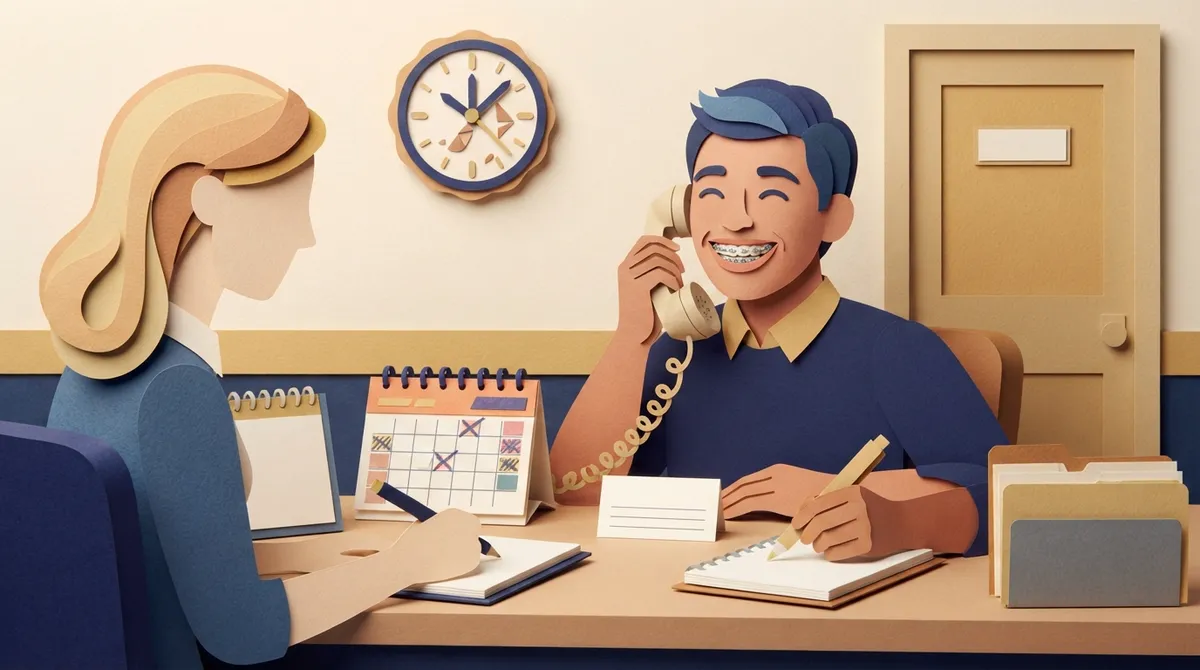
1. Confirm Your Appointment and Ask What’s Planned
The easiest first step is a quick check-in with your orthodontic team. Confirm your date and time. Then ask what the visit will include.
Some offices take final photos or scans on the same day. Others fit your retainer at the same visit. Knowing the plan ahead of time means no surprises. If you’re a busy professional or a parent juggling school and sports, it also helps you block off the right amount of time.
Not sure who to call? You can contact our team anytime, and we’ll walk you through what to expect.
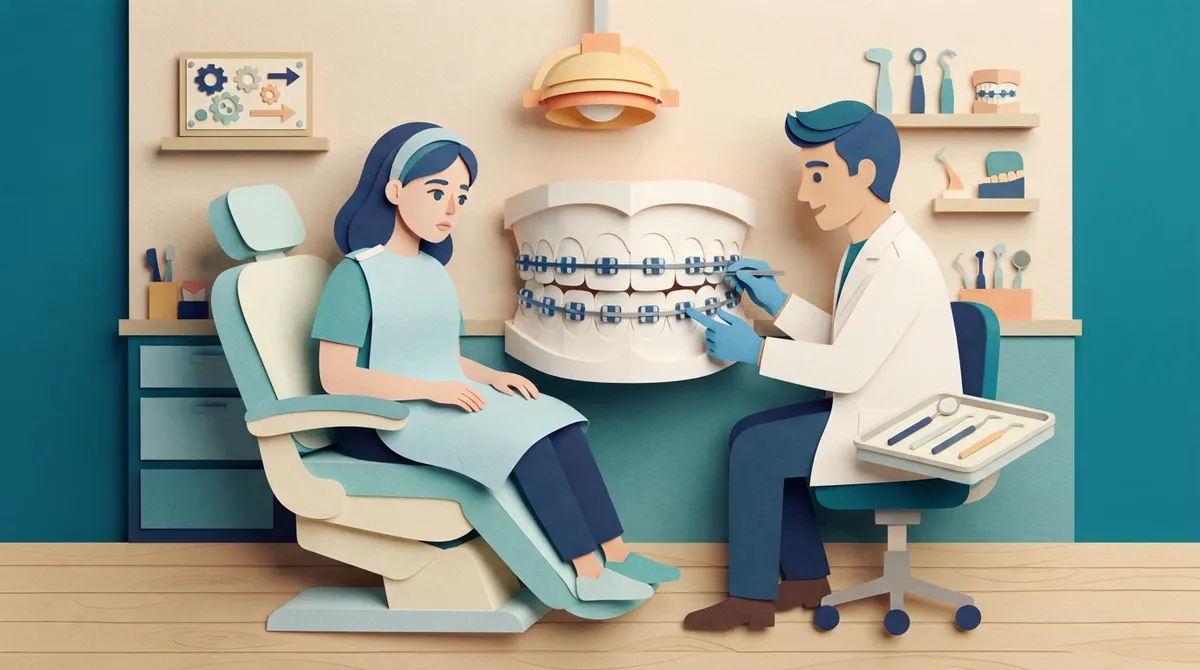
2. Understand What Actually Happens at Braces Removal
Braces removal is also called debonding. It sounds fancy, but it’s pretty simple. An orthodontic professional uses special instruments to take off your brackets and wires. Then any leftover bonding glue is polished off your teeth.
After that, your orthodontist will usually check your bite and alignment one last time. You may also have photos or scans taken for your records.
Here’s a quick look at the usual flow:
- Wires and brackets are gently removed.
- Leftover adhesive is polished from your teeth.
- Your bite and alignment are checked.
- Final records, like photos or scans, may be taken.
- Your retainer plan is reviewed or your retainer is fitted.
Every clinic is a little different, so follow the instructions your own orthodontist gives you.
3. Learn About Your Retainer Before Removal Day
Here’s the part most people don’t think about until the last minute: the retainer is the star of the show. Your braces move your teeth. Your retainer helps keep them there.
Plan for retention before your braces come off. Ask your orthodontist which type is right for you and why. You can read more about retainers at Brockway Orthodontics to get familiar with the options.
Retainers generally come in two styles:
- Removable retainers: clear trays or wire-and-acrylic Hawley appliances you take in and out.
- Fixed retainers: a thin wire bonded behind your teeth that stays in place.
Your orthodontist picks the best option based on your case. There’s no one-size-fits-all answer.
4. Compare Your Retainer Options
It helps to see the choices side by side. This table gives a general overview. Your orthodontist will tell you what fits your smile best.
| Retainer Type | How It Works | Good to Know |
|---|---|---|
| Clear tray (removable) | A clear plastic tray that fits over your teeth | Take it out to eat and brush; keep away from heat |
| Hawley (removable) | Wire across the front with an acrylic piece | Sturdy and adjustable; you remove it for meals |
| Fixed (bonded) | A thin wire attached behind the teeth | Always working; needs careful cleaning and checkups |
If you want to dig deeper, our guide on fixed vs. removable retainers breaks it down in a friendly way.
5. Know Your Wear Schedule (And Follow Your Orthodontist’s Version)
Retainer schedules vary. Some patients are asked to wear a removable retainer most of the day and night at first. Others start with nighttime wear only.
The key is to follow the plan your orthodontist gives you. Don’t rely on a generic timeline from the internet or a friend. Your teeth, your bite, and your treatment history are unique.
If you’re not sure about the schedule, write your questions down and bring them to your visit. Our tips on how to wear a retainer after braces can help you feel ready.
6. Don’t Try to Remove Brackets Yourself
We get it. Your appointment is next week, and that one bracket feels so loose. Resist the urge to pry, pull, or pick at anything.
DIY removal can scratch your enamel, irritate your gums, or damage your teeth. It can also leave glue behind that needs to be professionally polished off. Let your orthodontist handle it with the right tools.
If a bracket or wire is bothering you before your visit, call the office. Our article on DIY wire fixes vs. an orthodontist visit explains why professional care wins every time.
7. Keep Up Your Brushing and Flossing Right Up to the Day
Don’t slack off now. Clean teeth make for a smoother removal visit and a healthier reveal. When the brackets come off, any spots that weren’t cleaned well may show up as chalky marks or gum irritation.
Keep up these habits until your appointment:
- Brush twice a day, paying extra attention around brackets.
- Floss daily using a floss threader or interdental brush.
- Rinse after meals when you can’t brush.
- Stick with your orthodontist’s food rules until the very end.
Need a refresher? Check out these tips to brush and floss with braces daily.
8. Expect Some Unusual Sensations
Braces removal is generally described as straightforward, but it can feel a little odd. You might notice pressure, small clicking sounds, or a bit of temporary sensitivity in your teeth or gums.
Your teeth may also feel unusually smooth, or even a little strange. That’s normal. Your tongue has been used to brackets for a long time, and it needs a few days to adjust.
Most people say the experience is much easier than they expected. If anything feels uncomfortable, just tell your orthodontist. They can pause and help.
9. Plan for Special Occasions and Photos
Teens and young adults often time their braces removal around big moments like graduations, school pictures, or trips. That’s a great motivator, but talk with your orthodontist about timing early.
Treatment finishes when your teeth and bite are ready, so dates can shift. Ask for an honest estimate and keep your plans flexible. A relaxed approach means less stress for everyone.
If you’re a parent, it’s also nice to plan a small celebration. A fun smile photo on removal day is a memory worth keeping.
10. Get Ready for Life After Braces
Once your braces come off, the real maintenance begins. Think of it as protecting your investment. A few habits go a long way:
- Keep brushing twice daily and flossing every day.
- Attend routine dental checkups and cleanings.
- Clean your retainer as directed by your orthodontist.
- Store removable retainers in their case, away from heat that could warp them.
- Have fixed retainers checked regularly.
You can also look forward to whiter teeth. If you’re curious about that next step, our tips on getting white teeth after braces are a fun read.
For general oral health guidance, the American Dental Association is a trusted resource.
11. Know What to Do If Your Retainer Is Lost, Broken, or Doesn’t Fit
It happens to the best of us. A retainer gets left on a lunch tray, chewed by the dog, or suddenly feels too tight.
The golden rule: never force a retainer into place. If it doesn’t fit, it could mean your teeth have started to shift. Forcing it can damage the retainer or your teeth.
Call your orthodontist right away. They can check the fit and replace it if needed. Our quick guide on what to do if your retainer breaks walks you through the steps.
Why Long-Term Retention Matters
You might wonder why retainers matter so much. Teeth can shift after active treatment because the tissues around them adapt slowly. This is sometimes called relapse. Long-term retention is commonly recommended to help keep your smile in place.
This is especially important for adults who’ve had braces before and are considering retreatment. If you’re in that group, you’re not alone. Learn more about adult orthodontic treatment options and how a fresh start can work for you.
Quick Pre-Removal Checklist
Here’s a simple checklist you can screenshot or print before your big day:
- Confirm your appointment time and what’s included.
- Ask about your retainer type and wear schedule.
- Keep brushing and flossing carefully.
- Avoid touching or removing brackets yourself.
- Write down any questions to ask.
- Plan a small celebration afterward.
How Brockway Orthodontics Can Help
At Brockway Orthodontics, we love braces-off day almost as much as you do. Dr. Brockway takes time to explain every step, so you feel comfortable and informed from start to finish. If you’d like to know more about her approach, you can meet Dr. Brockway and our team.
We also offer the full range of care for the whole family, including braces and Spark™ Clear Aligners. And if you’re curious what other patients think, see what our Brockway Orthodontics patients say on Google.
Taking care of your whole self matters too. If you want extra support for confidence or stress around big life changes, local resources like West Florida Therapy can be a helpful place to start. And if you run a business and want to share your own story online, Brain Buzz Marketing helps local teams get seen.
Ready for Your Big Reveal?
Preparing for braces removal doesn’t have to feel stressful. Confirm your plan, learn about your retainer, keep your teeth clean, and trust your orthodontic team. That’s really most of it.
Your smile has come a long way, and the finish line is close. When you’re ready to talk about your next steps, whether that’s your removal visit, a retainer, or a fresh start, we’re here for you. Book your appointment online and let’s celebrate your new smile together.
FAQs
Q: What happens during a braces removal appointment?
A: Your orthodontist uses special tools to gently take off your brackets and wires. Then any leftover bonding glue is polished from your teeth, and your bite and alignment are checked. You may also have photos or scans taken, and your retainer is usually discussed or fitted.
Q: Does getting braces removed hurt?
A: For most people, it’s pretty comfortable! You might feel some pressure, hear little clicks, or notice mild, temporary sensitivity in your teeth or gums. If anything feels uncomfortable, just let your orthodontist know and they’ll help.
Q: Do I need a retainer right after my braces come off?
A: Yes, retention is a key part of your treatment. Teeth can shift after braces, so your orthodontist will plan a retainer for you, either removable or fixed. Follow their wear schedule closely to protect your results.
Q: What should I do if my retainer is lost, broken, or doesn’t fit?
A: Don’t try to force it into place! Call your orthodontist right away so they can check your teeth and replace or adjust the retainer. Acting quickly helps keep your smile from shifting.
Q: Can I eat normally after my braces are removed?
A: Most people are excited to enjoy their favorite foods again! Your teeth may feel a little sensitive at first, so go easy on the first day if needed. Your orthodontist will share any specific tips for your case.
Our Service Area