Key Takeaways
-
Eat soft, easy-to-chew foods like oatmeal, scrambled eggs, yogurt, smoothies, and soup during the first week, since teeth commonly stay sore for a few days after braces are fitted or adjusted.
-
You do not need a soft-only diet for all seven days; gradually add firmer foods like soft sandwiches and tender cooked chicken as soreness fades.
-
Avoid hard, sticky, and chewy foods such as nuts, popcorn, hard candy, caramel, chewing gum, and whole raw apples or carrots, since they can bend wires, break brackets, or get stuck.
-
Cut food into small pieces, chew with your back teeth, and avoid very hot or very cold items to reduce discomfort and protect your new hardware.
-
Eat cool foods like yogurt or smoothies to soothe tender gums, and consider a warm salt water rinse or orthodontic wax for cheek irritation.
-
Call your orthodontist if pain lasts longer than a few days, gums look very red or swollen, or a bracket or wire breaks; never try to fix broken parts yourself.
You just left the orthodontist with a shiny new set of braces. Your smile is on its way, and you are feeling excited. Then dinner rolls around, and your teeth feel tender. Even a gentle bite can feel surprising. If that sounds familiar, take a deep breath. You are not alone, and it is completely normal.
Teeth commonly feel sore for a few days after braces are fitted or adjusted. The good news is that the right soft foods for the first week of braces can make eating comfortable while your mouth adjusts. You do not need to live on mush for all seven days, either. Most people ease back into regular braces-safe foods as the soreness fades.
In this friendly guide, we will share 15 easy, tasty options. We will also cover what to avoid, how to keep your meals balanced, and when to call your orthodontist. Whether you are a teen, a busy professional, or a parent helping a child, this list will help you eat well and feel good.
Why Soft Foods Matter Right After Braces
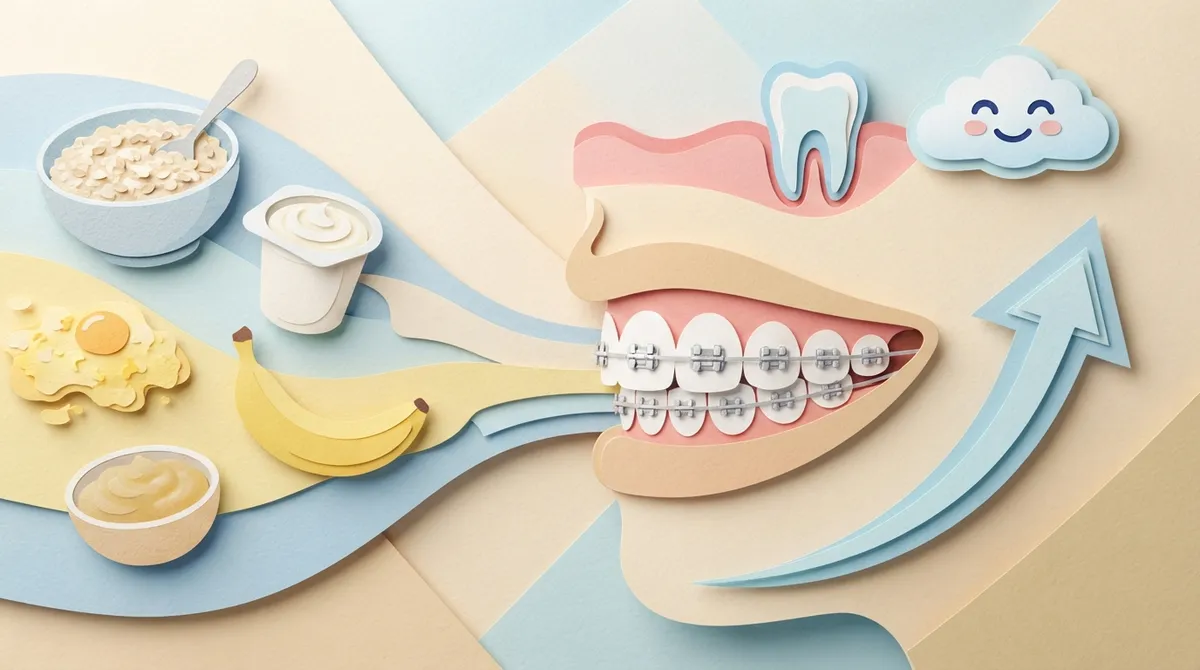
When braces go on, your teeth start to move. That gentle pressure is what straightens your smile. It also makes your teeth and gums feel tender at first. Chewing tough or crunchy food can feel uncomfortable, and it can also harm your new braces.
According to NHS guidance, soft foods may help during the sore period after braces are fitted. Other patient guidance says teeth may ache for around 48 hours, and sometimes up to a week. Everyone is different, so your own timeline may vary.
Here is the simple rule. Eat what feels comfortable, and listen to your mouth. As soreness improves, you can slowly add more variety.
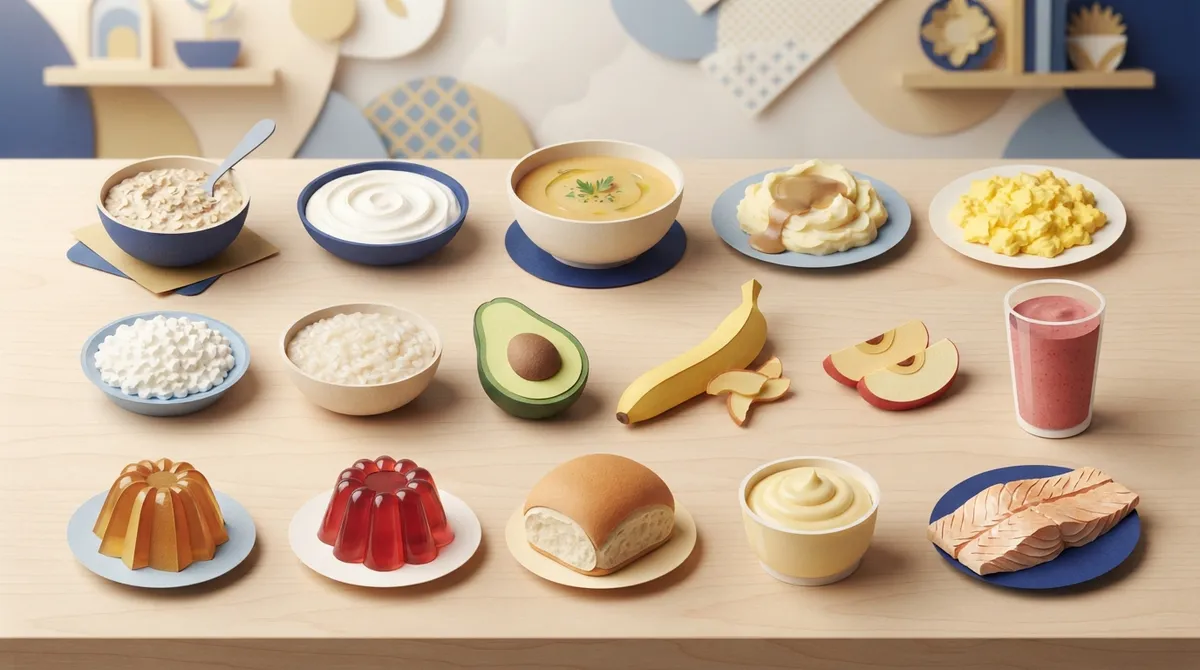
15 Soft Foods for the First Week of Braces
These foods need little chewing. They are also gentle on brackets and wires. Pick the ones you enjoy most, and mix them throughout the day.
1. Oatmeal
Warm oatmeal is a perfect first-day breakfast. It is soft, filling, and easy to customize. Stir in mashed banana or a spoonful of nut butter for extra staying power. Just keep it warm, not hot, since sensitive teeth can dislike extremes.
2. Scrambled Eggs
Eggs are a protein-packed hero for sore teeth. Scrambled eggs are fluffy and need almost no chewing. Add a little soft cheese for flavor. They work for breakfast, lunch, or a quick dinner.
3. Yogurt
Plain or lightly sweetened yogurt is cool, creamy, and soothing. Choose smooth varieties without crunchy granola or whole nuts. Yogurt gives you protein and calcium, which is a great bonus while your teeth are working hard.
4. Smoothies
Smoothies are a dream when your teeth ache. Blend soft fruit, yogurt, and milk or a milk alternative. Try spinach for hidden greens. Drink them with a spoon or a wide straw, and skip tiny seeds that can get trapped in your braces.
5. Soup
A warm bowl of soup feels like a hug. Choose smooth options like tomato, butternut squash, or chicken noodle with tender pieces. Let it cool a little first. Soup is hydrating, easy to chew, and very filling.
6. Mashed Potatoes
Mashed potatoes are a classic comfort food. They are soft, savory, and simple to eat. Add butter, a little milk, or soft cheese for flavor. They pair nicely with tender fish or shredded chicken.
7. Pasta
Well-cooked pasta is a great dinner pick. Cook it until it is very soft, not firm. Toss it with a mild sauce or a little olive oil and cheese. Short shapes like macaroni or small shells work well, and you can cut long noodles into shorter pieces.
8. Soft-Cooked Vegetables
Veggies still belong in your week. Steam or roast carrots, squash, green beans, or broccoli until they are fork-tender. Cooking them turns hard vegetables into braces-friendly bites. Season them gently so they are easy and tasty.
9. Ripe Bananas
A ripe banana is nature’s soft food. It needs almost no chewing and gives you quick energy. Mash it into oatmeal or blend it into a smoothie. It is also a great grab-and-go snack for busy days.
10. Applesauce and Soft Fruit
Applesauce is smooth and gentle. Other soft fruits like canned peaches, ripe pears, and berries (mashed) are good too. Skip whole raw apples for now. If you miss apples, try thin slices or baked apples once your teeth feel better.
11. Soft Cheese and Cottage Cheese
Soft cheeses like mozzarella, ricotta, and cottage cheese are easy on sore teeth. They add protein and calcium to your day. Cottage cheese with soft fruit makes a fast snack. Avoid hard cheese cubes until you are comfortable.
12. Tofu
Tofu is a wonderful plant-based option. Soft or silken tofu needs very little chewing. Add it to soup, scramble it like eggs, or blend it into a smoothie. It soaks up flavor, so season it however you like.
13. Tender Fish
Baked salmon, cod, or tilapia flakes apart easily. That makes it a good dinner choice when you want something more than mush. Remove any bones, and cut the fish into small pieces. It gives you protein and healthy fats.
14. Shredded Meat
Slow-cooked chicken, pulled pork, or tender beef can work well when shredded. Skip tough, chewy cuts that need a lot of biting. Shredded meat mixes nicely with mashed potatoes or soft rice. Cut everything into small bites.
15. Beans and Soft Rice
Well-cooked beans, refried beans, and soft rice are filling and budget-friendly. They give you protein and fiber. Mash the beans a little if your teeth feel extra tender. A bean and rice bowl makes an easy dinner.
A Sample First-Week Menu
Not sure how to put it all together? Here is a simple example. Mix and match based on how your mouth feels each day.
| Meal | Day 1-2 (Most Sore) | Day 3-5 (Easing Up) | Day 6-7 (Almost Back) |
|---|---|---|---|
| Breakfast | Smoothie or oatmeal | Scrambled eggs with soft cheese | Soft pancakes with banana |
| Lunch | Smooth tomato soup | Soft pasta with mild sauce | Soft sandwich cut in small pieces |
| Snack | Yogurt or applesauce | Cottage cheese with soft fruit | Ripe banana or soft cheese |
| Dinner | Mashed potatoes with tender fish | Shredded chicken with soft veggies | Rice and beans with cooked veggies |
Foods to Avoid With New Braces
Some foods can bend wires, break brackets, or get stuck. Skip these during week one, and be careful with them for the whole treatment. For a deeper look, read our guide on foods to avoid with braces.
- Hard foods: nuts, ice, hard candy, hard pretzels
- Crunchy foods: popcorn, crunchy chips, raw carrots, whole raw apples
- Sticky foods: caramel, taffy, chewing gum, gummy candy
- Chewy foods: tough bagels, hard crusty bread, jerky
If you are not sure about a food, ask yourself two questions. Is it hard enough to bend a wire? Is it sticky enough to pull on a bracket? If the answer is yes, leave it for later.
Simple Tips to Make Eating Easier
A few small habits can make a big difference in your comfort. Try these during your first week.
- Cut food into small pieces. Tiny bites mean less work for sore teeth.
- Chew with your back teeth. Avoid biting into food with your front teeth when they are tender.
- Take it slow. Rushing can lead to accidents with your new hardware.
- Skip very hot or very cold items. Sensitive teeth often prefer lukewarm foods.
- Keep a soft snack handy. Yogurt cups and applesauce pouches are great for school or work.
Keep Your Meals Balanced
Soft food does not have to mean boring or unhealthy. It is tempting to lean on ice cream and sugary drinks, but your teeth need good nutrition. Aim for protein, calcium, and cooked fruits and vegetables each day.
Good protein sources include eggs, yogurt, tofu, beans, and tender fish. Soft fruit and cooked veggies add vitamins and fiber. Try changing the texture of your favorite foods rather than giving them up.
Braces also make cleaning harder, so limit sugary snacks and drinks. Brush carefully around every bracket after you eat. If you need a refresher, check out our tips on how to brush teeth with braces.
Easing Back Into Regular Foods
There is no one-size-fits-all timeline. Many people feel better in a few days. Others need a bit longer. The first week is a helpful planning window, but you may not need a soft-only diet for all seven days.
As soreness fades, add firmer foods slowly. Soft sandwiches, tender cooked chicken, and soft cooked rice are good next steps. You can also make some tricky foods safer. Thinly slice apples, or cook carrots until they are soft. Once you feel comfortable, you can enjoy a wider menu again, as shared in our guide on what you can eat with braces.
Not sure what to expect beyond meals? Our post on 14 things to expect your first week with braces covers the rest of the adjustment period.
Tips for Different Ages and Lifestyles
Every family member has different needs. Here are a few ideas to help.
- For parents: Pack soft lunches like pasta, yogurt, and soft fruit. Keep easy options at home so kids are not tempted by crunchy snacks.
- For teens: Smoothies and soft wraps cut into small pieces are easy to eat between classes and activities.
- For busy professionals: Prep soup, oatmeal, and egg muffins ahead of time so lunch at your desk stays simple.
- For retreatment patients: If you have had braces before, remember that new tenderness is normal. Your teeth are working again, so go gentle for a few days.
Comfort Boosters When Teeth Feel Sore
Sometimes food alone is not enough. A few extras can ease the ache. Cold foods like yogurt or a smoothie can soothe tender gums. A warm salt water rinse may also feel good. NHS guidance notes that painkillers may help if you need them, so follow the directions on the package or ask your pharmacist.
If wires or brackets rub your cheeks, orthodontic wax can help. Your care team can show you how to use it. If something feels off, we are always happy to help. You can learn more about how braces work on our website.
When to Call Your Orthodontist
Some soreness is expected, but a few signs are worth a call. Contact your orthodontist if you notice any of these:
- Pain that lasts longer than a few days
- Gums that look very red, swollen, or painful
- A broken bracket or a wire that pokes or slips
Do not try to fix a broken part yourself. A quick call can save you time and stress. If you are unsure whether it counts as urgent, read our guide on broken brackets and poking wires.
Your Smile Journey Starts Here
The first week with braces is the toughest part for many people. After that, things get easier and more routine. With a handful of soft, tasty foods, you can stay comfortable and well fed. Remember to follow your orthodontist’s advice, since instructions can vary by appliance and by person.
At Brockway Orthodontics, Dr. Brockway and our friendly team are here for families across Clearwater, Florida. We offer metal braces, ceramic braces, and Spark Clear Aligners, a more affordable option than other well-known aligner brands. Our team takes time to explain everything in an easy, welcoming way. Want to hear from other patients? You can visit us on Google — Brockway Orthodontics to see what our Clearwater patients say.
Curious about treatment for yourself or your child? Learn more about our orthodontic services or meet Dr. Brockway. For trusted general oral health information, the American Dental Association is a helpful resource, and the Florida Association of Orthodontists shares useful tips for local families. You can also read the NHS overview of braces and aftercare for extra guidance.
Ready to take the next step? Book your appointment online and start your journey to a confident smile today.
FAQs
Q: What can I eat during the first week after getting braces?
A: Stick with soft, easy-to-chew foods like oatmeal, scrambled eggs, yogurt, smoothies, soup, mashed potatoes, and well-cooked pasta. Tender fish, tofu, and soft-cooked veggies are great too. Listen to your teeth, and add firmer foods as the soreness fades.
Q: How long should I eat soft foods after braces are fitted?
A: It depends on you! Many people feel tender for a few days, and some for up to a week. You may not need a soft-only diet for all seven days, so let your comfort be your guide and follow your orthodontist’s advice.
Q: What foods should I avoid with new braces?
A: Skip hard, crunchy, sticky, and chewy foods like popcorn, nuts, ice, hard candy, caramel, taffy, hard pretzels, and whole raw apples or carrots. These can bend wires, break brackets, or get stuck. You can make some foods safer by slicing them thin or cooking them soft.
Q: What should I do if my teeth are too sore to chew?
A: Try smoothies, soup, yogurt, and mashed foods that need almost no chewing. Cool foods can soothe sore gums, and painkillers may help if needed. If the pain lasts beyond a few days or your gums look very red or swollen, give your orthodontist a call.
Q: When should I contact my orthodontist about pain or a broken bracket?
A: Call if soreness lasts longer than a few days, your gums become very red, swollen, or painful, or a bracket or wire breaks. Please do not try to fix broken parts yourself. A quick call helps protect your treatment progress.
Our Service Area