Key Takeaways
-
Brush after every meal and snack as the gold standard, or at minimum twice daily, since braces trap food particles that quickly turn into plaque and cause cavities or gum disease.
-
Use a soft-bristled toothbrush angled at 45 degrees to the gumline with small circular motions, brushing above, below, and directly on each bracket for at least 2 minutes per session.
-
Replace your toothbrush every 1-2 months because braces wear out bristles faster than normal, and use fluoride toothpaste to strengthen enamel and reduce cavity risk during treatment.
-
Floss daily using a floss threader, orthodontic floss picks, water flosser, or interdental brush to clean between teeth and under wires, which brushing alone cannot reach.
-
Avoid brushing too hard, skipping the gumline, forgetting inside tooth surfaces, and rushing through brushing, as these mistakes lead to permanent white spots, cavities, and gum disease.
-
Keep a travel toothbrush kit at work or school, use a water flosser for quick cleaning on busy days, and set phone reminders to maintain consistent oral hygiene during orthodontic treatment.
Getting braces is exciting! You’re on your way to a straighter, healthier smile. But let’s be honest — learning how to brush teeth with braces can feel a little overwhelming at first. All those brackets and wires create new places for food and plaque to hide. Without the right routine, cavities and gum problems can sneak up on you during treatment.
The good news? Once you get the hang of it, brushing with braces becomes second nature. Whether you’re a parent helping your child build good habits, a teen just starting out, or an adult keeping your smile healthy during treatment, this guide is for you. We’ll walk you through everything step by step — tools, technique, timing, and more. Let’s make sure your teeth look just as amazing when those braces come off as you’ve always imagined!

Why Brushing With Braces Is So Important
Braces create lots of tiny hiding spots. Food particles get stuck around brackets, under wires, and along the gumline. This buildup leads to plaque — a sticky film of bacteria that can cause cavities, gum disease, and even permanent white spots on your teeth. The American Dental Association emphasizes that good oral hygiene is critical during orthodontic treatment to protect long-term dental health.
If you’re curious about what to expect during treatment, our All About Braces page has tons of helpful information. The bottom line: brushing well while wearing braces is one of the most important things you can do for your smile. A little extra effort now means a beautiful, healthy result when treatment is complete.
The Right Tools for Brushing With Braces
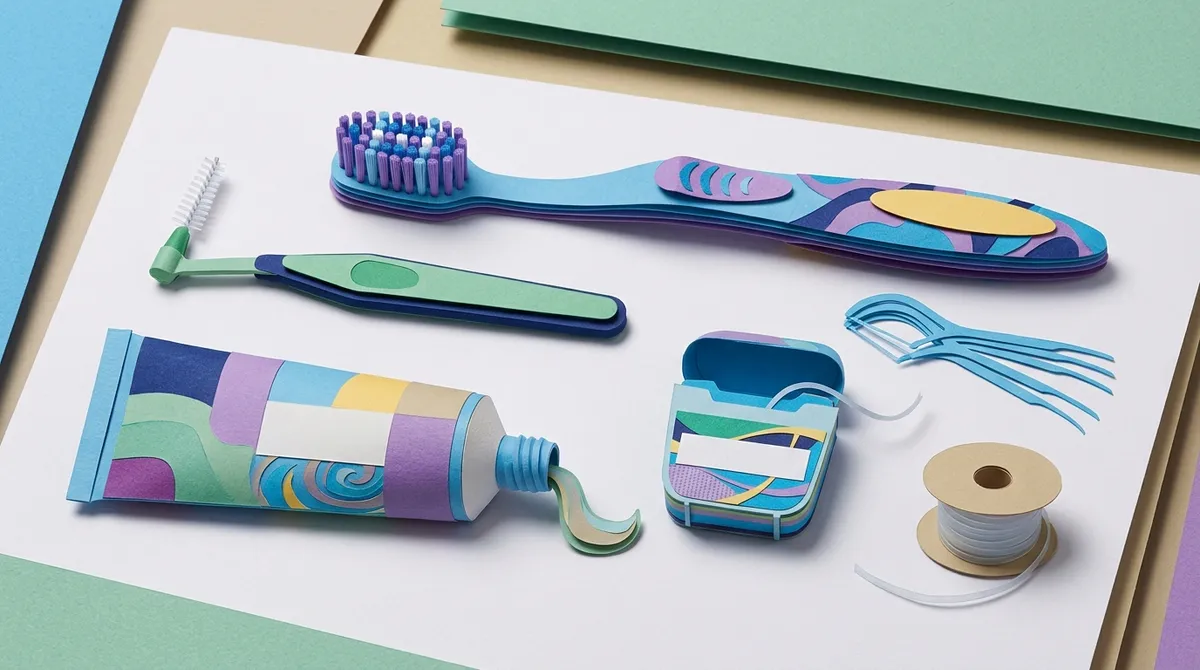
Before we get into technique, let’s talk tools. Having the right equipment makes brushing with braces much easier and more effective.
Choosing the Best Toothbrush
Always use a soft-bristled toothbrush. Stiff bristles can damage your gums and even loosen brackets. You have two great options:
- Manual soft-bristled brush: Works great when used with proper technique. Look for one with a small head to reach tight spots.
- Electric toothbrush: Many patients love these because the oscillating head does a lot of the work for you. They’re safe to use with braces.
- Orthodontic brush: Specially designed with a V-shaped trim to clean around brackets more easily.
- Interdental brush: A tiny brush that fits under wires to clean hard-to-reach spots between brackets.
Because braces wear out bristles faster than normal, replace your toothbrush more often — roughly every 1 to 2 months, or sooner if the bristles look frayed.
Choosing the Best Toothpaste
Always use a fluoride toothpaste. Fluoride helps strengthen enamel and reduces the risk of cavities, which is especially important during orthodontic treatment. Any standard fluoride toothpaste works well. You don’t need anything fancy — just make sure fluoride is on the label.
| Toothbrush Type | Best For | Key Benefit |
|---|---|---|
| Soft-bristled manual brush | All patients | Gentle on gums and brackets |
| Electric toothbrush | Patients who want deeper cleaning | More efficient plaque removal |
| Orthodontic V-trim brush | Patients with traditional braces | Designed to clean around brackets |
| Interdental brush | Cleaning under wires | Reaches tight spaces between brackets |
How to Brush Teeth With Braces: Step-by-Step
Now for the main event! Follow these steps every time you brush. Aim for at least 2 minutes per session, though many orthodontic professionals recommend taking a little longer to make sure you clean every surface thoroughly. You can also check out our article on 7 Smart Steps to Brush Teeth With Braces for even more detail.
- Rinse your mouth with water first. This loosens food particles stuck in your braces before you even start brushing. It makes the process much easier.
- Apply a pea-sized amount of fluoride toothpaste to your soft-bristled brush. You don’t need more than that.
- Start at a 45-degree angle to the gumline. Place your brush at the gum and use small circular or short back-and-forth motions. This cleans the gumline effectively.
- Brush above the brackets. Angle your brush downward toward the top of each bracket. Use gentle circular strokes to remove plaque from the space between the wire and your gums.
- Brush below the brackets. Angle your brush upward toward the bottom of each bracket. Clean the area between the bracket and the chewing surface of each tooth.
- Brush the front of each bracket directly. Place your brush straight on the bracket face and use small circular motions to clean the front surface.
- Clean the inside and chewing surfaces. Don’t forget the backs of your teeth and the biting surfaces! These areas need attention too.
- Brush your tongue and the roof of your mouth. This removes bacteria and keeps your breath fresh.
- Spit and rinse thoroughly. Use water or a fluoride mouthwash to wash away loosened debris.
When and How Often Should You Brush?
This is a big one. Braces trap food so easily that brushing after every meal and snack is the gold standard recommendation. That might sound like a lot, but it really does make a significant difference in keeping your teeth and gums healthy throughout treatment.
At minimum, brush at least twice a day — once in the morning and once before bed. Many orthodontic guidelines recommend brushing three or more times daily during braces treatment. If you can’t brush right after eating, rinse your mouth well with water to remove loose food particles until you can brush properly.
| Brushing Frequency | Recommended By | Effectiveness |
|---|---|---|
| After every meal and snack | Most orthodontic guidelines | Best plaque control |
| 3 times per day | Many orthodontic sources | Very good protection |
| 2 times per day (minimum) | General dental guidelines | Basic protection |
Don’t Forget to Floss!
Brushing alone doesn’t clean between your teeth. Flossing with braces is trickier, but it’s absolutely worth doing every day. Here are your best options:
- Floss threader: A small plastic needle that helps you thread regular floss under the wire between each tooth.
- Orthodontic floss picks: Pre-threaded and easy to use, especially for kids and teens.
- Water flosser: Uses a stream of water to flush out debris from around brackets and between teeth. Many braces patients love these!
- Interdental brush: Great for getting between brackets and under wires when you don’t have time for full flossing.
Floss at least once a day, ideally before bed. It only takes a few extra minutes and makes a huge difference in preventing gum problems during treatment. For more care tips, our Braces Treatment Mistakes You Should Never Make article is a great read.
Common Brushing Mistakes to Avoid
Even with the best intentions, it’s easy to miss a step. Here are some of the most common mistakes people make when brushing with braces — and how to avoid them:
- Brushing too hard: Aggressive brushing can damage gum tissue and even loosen brackets. Always use gentle pressure.
- Skipping the gumline: The area where your teeth meet your gums is where plaque loves to hide. Always angle your brush toward the gum.
- Forgetting the inside surfaces: The backs of your teeth need just as much attention as the front surfaces.
- Using a worn-out brush: Frayed bristles don’t clean effectively. Replace your brush regularly.
- Brushing too quickly: Two minutes is the minimum. Take your time and be thorough.
- Skipping brushing after meals: Food trapped in braces quickly leads to plaque. Always brush or at least rinse after eating.
If you’ve been making some of these mistakes, don’t worry — it’s never too late to improve your routine! The team at Brockway Orthodontics is always happy to walk you through proper care techniques at your appointments. And if you’re curious about what foods to avoid that can make cleaning even harder, check out our guide on Foods to Avoid With Braces.
Helpful Products That Make Brushing Easier
A few extra tools can make your daily routine more effective and more comfortable. Here’s a quick overview of what’s worth adding to your kit:
| Product | Purpose | Who Benefits Most |
|---|---|---|
| Fluoride mouthwash | Extra cavity protection | Everyone with braces |
| Water flosser | Flush debris from brackets and wires | Teens and adults |
| Interdental brush | Clean between brackets | Everyone with braces |
| Travel toothbrush kit | Brush after meals at school or work | Students and professionals |
Tips for Parents Helping Kids Brush With Braces
If you’re a parent, helping your child build a solid brushing routine is one of the best things you can do for their orthodontic results. Kids and teens often rush through brushing, especially when they’re tired. Here are some tips to make it easier:
- Make it a routine: Brush together at the same time each day. Consistency builds habits fast.
- Use a timer: A two-minute timer (or a fun song) helps kids brush for the right amount of time.
- Check their work: Look at their teeth after brushing to make sure no food or plaque remains. Disclosing tablets can make hidden plaque visible.
The Florida Association of Orthodontists encourages parents to stay actively involved in their child’s oral hygiene routine throughout treatment. If you’re looking for guidance on what to expect with your child’s orthodontic journey, our Orthodontics for Kids: What Every Parent Should Know resource is a wonderful starting point. You can also explore our Adolescent Treatment page for more on how we care for younger patients at Brockway Orthodontics.
Brushing Tips for Adults With Braces
Adults have their own set of challenges when it comes to brushing with braces. Work meetings, travel, and busy schedules can make it hard to brush after every meal. Here are some practical strategies:
- Keep a travel toothbrush and toothpaste in your bag, desk, or car.
- Use a water flosser at home for a quick and effective clean after busy days.
- Rinse thoroughly with water immediately after meals when brushing isn’t possible.
- Set phone reminders to brush if you tend to forget during hectic days.
If you’re an adult currently in braces or thinking about starting treatment, our Adult Treatment page has lots of helpful information about your options. You can also learn about our Adult Orthodontics in Clearwater for comfortable, effective care designed around your lifestyle.
What Happens If You Don’t Brush Well With Braces?
Skipping or rushing through brushing during orthodontic treatment can lead to some frustrating and sometimes permanent problems. Here’s what poor oral hygiene during braces treatment can cause:
- White spot lesions: Permanent white marks on your teeth from enamel breakdown around brackets.
- Cavities: Plaque buildup turns into acid that eats away at enamel.
- Gum disease: Inflamed, swollen, or bleeding gums from untreated plaque along the gumline.
- Bad breath: Trapped food and bacteria create unpleasant odors.
- Extended treatment time: Poor oral health can slow down your orthodontic progress.
The good news is all of these problems are completely preventable with a solid daily brushing routine. For more tips on getting the most from your treatment, read our article on How to Get the Most Out of Your Orthodontics Care.
Your Smile Deserves the Best Care
Learning how to brush teeth with braces properly is one of the most important skills you’ll develop during your orthodontic journey. It takes a little extra time and the right tools, but the results are absolutely worth it. A healthy mouth during treatment means a gorgeous, confident smile when your braces come off.
At Brockway Orthodontics, Dr. Brockway and her team genuinely care about every patient’s experience — from the first visit all the way through to the big reveal day. We love seeing our Clearwater families walk out with smiles they’re proud of! You can visit us on Google — Brockway Orthodontics to read reviews from real patients and families who’ve been through this journey with us. We’re also happy to answer any questions about your oral hygiene routine at your next appointment.
Want to learn more about what we offer? Explore our full range of orthodontic services or get in touch with our friendly team. Whether you’re just starting out or you’re already mid-treatment, we’re here to support you every step of the way. Schedule your free consultation today and let’s make sure your smile journey is everything you’ve dreamed of!
FAQs
Q: How often should you brush your teeth with braces?
A: The ideal goal is to brush after every meal and snack, since braces trap food and plaque so easily. At an absolute minimum, brush twice a day — morning and before bed. Many orthodontic professionals actually recommend three or more brushing sessions daily during braces treatment for the best results!
Q: Can you use an electric toothbrush with braces?
A: Absolutely! Electric toothbrushes are safe and often very effective for cleaning around braces. The oscillating head does a great job of removing plaque from around brackets and wires. Just make sure to use a soft brush head and let the brush do the work — no need to press hard!
Q: What toothpaste is best for braces?
A: Any fluoride toothpaste works great for brushing with braces. Fluoride is the key ingredient because it strengthens enamel and helps prevent cavities during treatment. You don’t need a special or expensive toothpaste — just check the label to confirm it contains fluoride!
Q: How do you brush around brackets without damaging them?
A: Use a soft-bristled brush and gentle pressure — never scrub hard. Angle your brush at 45 degrees and use small circular or short back-and-forth strokes above, below, and directly on each bracket. Gentle and thorough beats fast and rough every time when it comes to cleaning around braces!
Q: How often should you replace your toothbrush when you have braces?
A: Braces wear out toothbrush bristles faster than normal, so plan to replace your toothbrush or electric brush head every one to two months. If the bristles look frayed or splayed before that, go ahead and swap it out sooner — worn bristles just don’t clean effectively!
Our Service Area