Key Takeaways
-
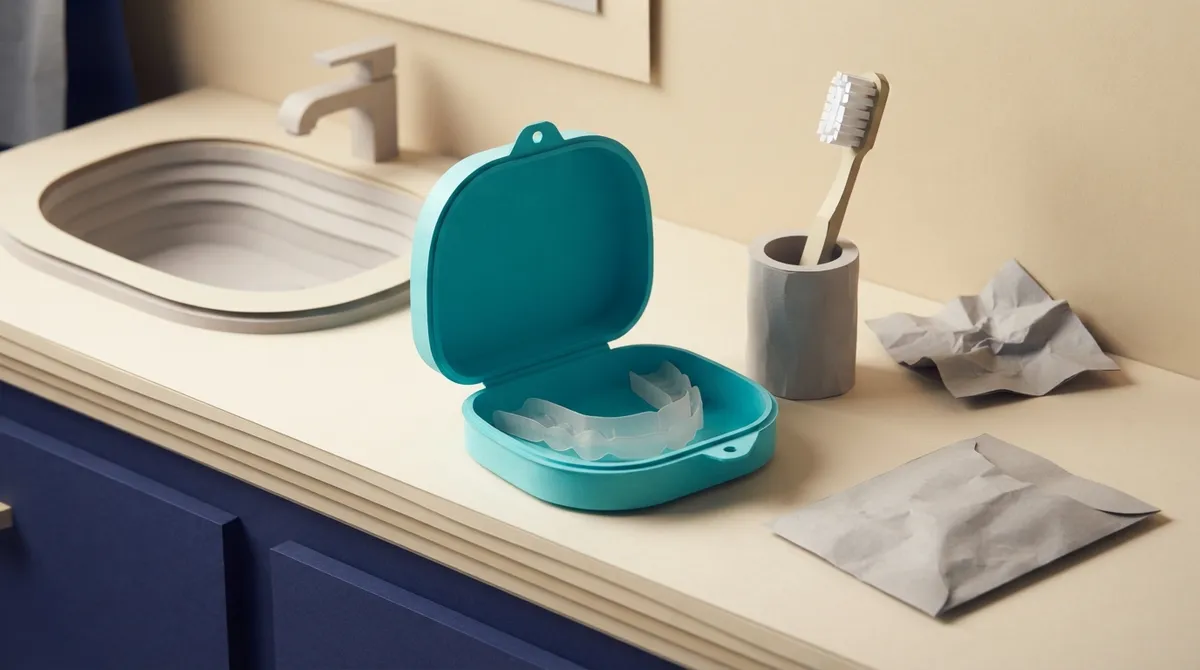
Make the retainer case the only place a removable retainer goes when out of the mouth, so there's never a third option like a napkin or pocket.
-
Tie nightly wear to an existing habit, such as putting the retainer in right after brushing teeth at bedtime, so it becomes automatic within weeks.
-
Never wrap a retainer in a napkin or tissue or leave it loose in a pocket or bag; these are the most common ways retainers get thrown away.
-
Choose a bright, labeled, snap-shut case and keep a spare at home, since bold colors are much harder to lose than clear or white ones.
-
If a retainer is lost, cracked, or tight, call the orthodontist promptly, because teeth can start to shift while the retainer isn't being worn.
-
Never use hot water to clean a retainer, since it can warp plastic; rinse in cool or cold water and brush gently with a soft toothbrush.
Picture this: your teen finishes braces, flashes a gorgeous new smile, and then the retainer vanishes. Maybe it ends up wrapped in a lunch napkin. Maybe it rides around in a backpack pocket. Maybe it’s simply gone. If that sounds familiar, you’re in good company! Helping teens keep track of retainers is one of the most common challenges families face after orthodontic treatment.
Here’s why it matters. Retainers hold teeth in their corrected positions, and teeth can shift if a retainer isn’t worn as prescribed. All the hard work from braces or aligners is on the line.
The good news? A few simple habits can make a big difference. In this guide, we’ll share friendly, practical ways to build a routine your teen can actually stick with. We’ll cover where retainers should live, how to remember nightly wear, what to do at school, and what to do if one goes missing. Let’s keep that smile right where it belongs.
Why Retainers Get Lost So Easily
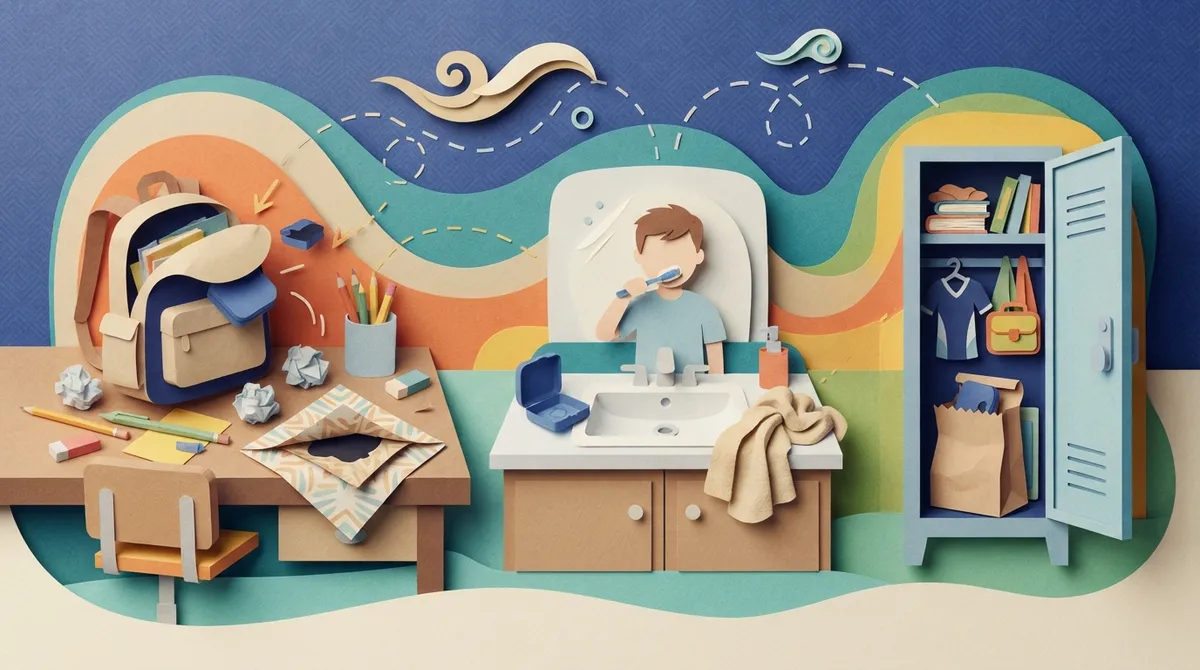
Let’s be honest. Retainers are small, they come out several times a day, and teens have a lot going on. Between school, sports, friends, and screens, a little piece of plastic or wire is easy to forget.
Most lost retainers have a similar story. They get wrapped in a napkin during lunch and tossed out. They get left on a cafeteria tray. They slip into a pocket and go through the wash. NHS orthodontic guidance specifically warns against wrapping retainers in tissue or leaving them loose in a pocket or bag, where they can be discarded, damaged, or lost.
The takeaway is simple. Retainers rarely disappear because a teen is careless. They disappear because there’s no automatic system. Our job is to build one.
Make the Case the Default Home
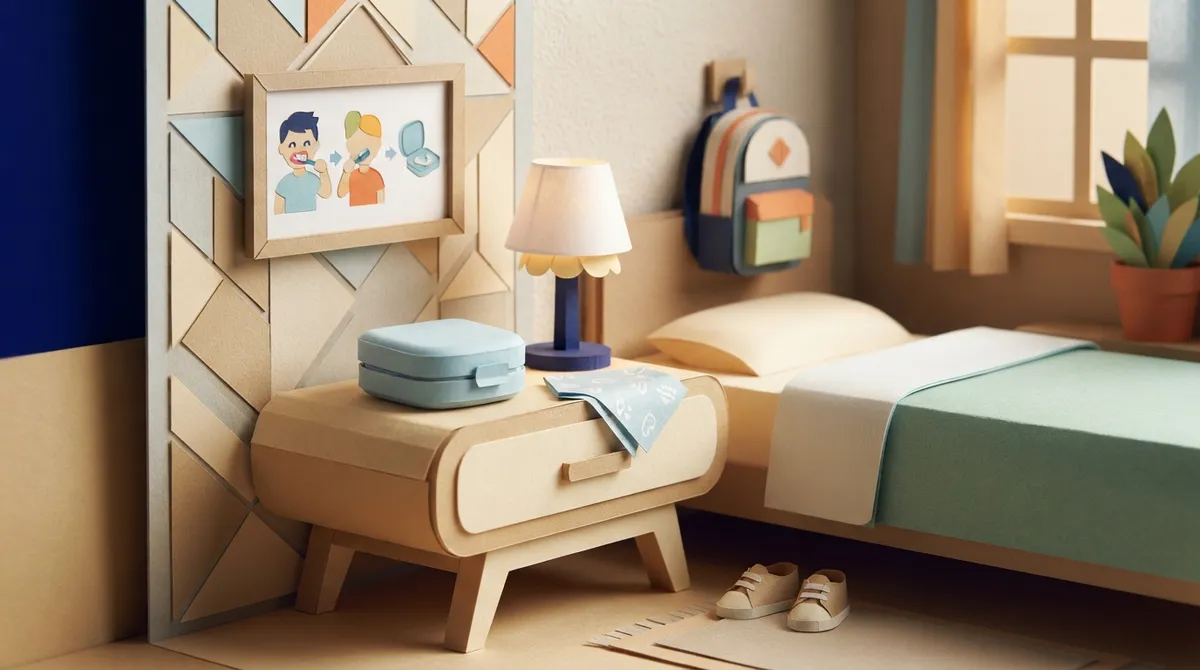
If your family only adopts one habit from this article, make it this one: the case is the only place a removable retainer goes when it’s out of the mouth.
Think of the case as the retainer’s bedroom. It’s safe, it’s predictable, and it’s easy to spot. When your teen takes the retainer out, it goes straight into the case. No detours.
Pick a Case That Works for Teens
A good case is sturdy and has a snap-shut lid. Bright colors help, because a neon case is much harder to lose than a clear or white one. Many families keep one case in the backpack and a second case at home.
- Choose a bold color so it stands out in a bag or on a table.
- Add a label with your teen’s name and your phone number.
- Keep a spare case in the bathroom or bedroom so there’s never an excuse.
- Replace cracked cases quickly, since a loose lid defeats the purpose.
Build a Routine Around Habits Your Teen Already Has
Brand-new habits are tough. Habits that attach to existing routines are much easier. The trick is to link retainer time to something your teen already does every single day.
Here’s a simple approach that works for many families:
- At bedtime: Brush teeth, then put the retainer in. Brushing is the cue.
- In the morning: Take the retainer out and put it straight into the case before doing anything else.
- Before breakfast: Check that the case is closed and placed in its usual spot.
- After school: Do a quick backpack check to make sure the case made it home.
That’s it. Four small steps, repeated daily, turn into second nature within a few weeks. Every teen’s wear schedule is a little different, so always follow the specific instructions from your orthodontist.
Use Reminders That Fit a Teen’s World
Teens live on their phones, so let’s use that to our advantage. Reminders are practical organizational tools. They support your orthodontist’s instructions but never replace them.
Easy Reminder Ideas
- Phone alarm: Set a nightly alarm labeled something fun, like “Smile insurance.”
- Calendar reminder: Add a recurring event for retainer time.
- Sticky note: Place one on the bathroom mirror or by the bed.
- Checklist: Add the retainer to a nightly list alongside brushing and homework.
- Case by the toothbrush: A visual cue beats a digital one for many teens.
Let your teen choose which reminders feel right. When teens help design the system, they’re far more likely to use it.
Where Should the Retainer Case Live?
Consistency is everything. Different spots work for different situations, so it helps to decide ahead of time. Here’s a quick guide:
| Situation | Best Place for the Case | Watch Out For |
|---|---|---|
| At home, daytime | Same spot every day, such as the bedroom nightstand or bathroom counter | Leaving it on the couch or kitchen table |
| At school | A zipped inner pocket of the backpack | Wrapping it in a napkin or tray |
| Eating out | Case in a bag or pocket, placed on the table | Setting the retainer on a napkin |
| Sports practice | Case inside the gym bag | Leaving it in a locker or on a bench |
| Sleepovers and travel | Case packed with the toothbrush | Forgetting it after morning rush |
A simple rule of thumb: the retainer is either in the mouth or in the case. There’s no third option!
Handling School, Sports, and Meals
The most common retainer mishaps happen away from home. A little planning goes a long way.
At School
Removable retainers are generally taken out for eating. Teach your teen to remove the retainer, place it in the case, close the lid, and put the case in a bag before picking up a fork. When lunch is done, the case comes back out only after brushing or rinsing, if possible.
During Sports
Follow your orthodontist’s advice about wearing retainers during activity. In general, a sports mouthguard is the right choice for protection, and a retainer shouldn’t be relied on for that job. Store the case in a bag, not a loose pocket, while your teen is playing.
At Restaurants and Friends’ Houses
This is where retainers meet napkins and trash cans. A quick habit helps: the case goes on the table next to the plate, never the retainer itself. And before leaving any location, your teen does a two-second check for the case.
Keep Retainers Clean Without Ruining Them
A clean retainer is a retainer your teen is happier to wear. Cleaning instructions vary by retainer type, so check with your orthodontist first. These general tips are commonly recommended:
- Gently brush the retainer with a soft toothbrush.
- Rinse with cool or cold water.
- Some clinics suggest mild liquid soap or a retainer-specific cleaner.
- Avoid hot water, which can distort plastic retainers.
- Don’t use cleaning products unless they’re approved for your teen’s retainer.
Cleaning right after removal also helps because it creates one more moment where the retainer is in your teen’s hands and then safely back in the case. You can find more details about retainer types and care on our website.
How Parents Can Help Without Nagging
We know the balance is tricky. You want your teen to take ownership, but you also don’t want to see that retainer in the trash. Here’s a friendly approach that many parents find helpful.
Share the Responsibility, Then Hand It Over
In the early weeks, check in gently. A quick “Did the case make it home?” is easier to hear than a lecture. As the routine sticks, step back and let your teen take the lead.
- Set up the system together. Choose the case, the spot, and the reminder as a team.
- Create a backup plan. Decide ahead of time what happens if a retainer goes missing, so no one panics.
- Celebrate wins. A simple “nice job keeping up with it” goes a long way.
- Bring retainers to appointments. Your orthodontist can check fit and condition at review visits.
Remember, teens are still learning responsibility. A forgotten night here and there is normal. What matters is getting back on track quickly. For more ideas on supporting your child through treatment, our guide on braces for teens is a great companion read.
What to Do If a Retainer Is Lost or Damaged
It happens to the best of us. If your teen’s retainer is lost, cracked, bent, or no longer fits, here’s what to do:
- Stay calm. This is fixable, and you’re not the first family to go through it.
- Look in the usual suspects. Check lunch trays, trash cans, pockets, car seats, and the dog’s favorite chewing spots.
- Contact your orthodontist promptly. Don’t wait for the next routine visit. Teeth may start to move while the retainer isn’t being worn.
- Don’t force a tight retainer. If it feels very snug or painful, stop wearing it and call the office.
- Ask about replacement. Fees and coverage vary by clinic and location, so it’s smart to ask up front.
If a retainer breaks, our quick guide on what to do if your retainer breaks walks through next steps. And if you need fast help, learn about emergency orthodontic care in Clearwater.
How Long Do Teens Need to Wear Retainers?
This is one of the top questions we hear. The honest answer is that it depends on the patient and the type of retainer. Some patients wear retainers full-time at first, then switch to nights only. Others start with nightly wear for the first year and then reduce how often they wear them.
Many orthodontic guidelines recommend long-term or even indefinite nighttime wear to help maintain alignment. Those schedules are examples, not a universal rule. Your orthodontist’s instructions always come first. Understanding the “why” can help teens stay motivated, since this is how they protect the smile they worked so hard to earn. Our post on how to wear a retainer after braces goes deeper on this topic.
Quick Checklist for Retainer Success
Print this out or snap a photo of it for your fridge:
- Retainer in the mouth or in the case, never anywhere else
- Bright, labeled case in the backpack
- Spare case at home
- Nightly reminder set on the phone
- Retainer goes in after brushing
- Retainer comes out and goes straight into the case in the morning
- Cool water and gentle brushing only for cleaning
- Call the orthodontist right away if anything is lost, cracked, or tight
Support From Brockway Orthodontics
At Brockway Orthodontics, we love seeing our patients finish treatment and walk out with a confident smile. We also know that life after braces comes with new routines! Dr. Brockway and our team take the time to explain retainer care in a friendly, easy-to-understand way, so both teens and parents feel prepared. You can meet Dr. Brockway and learn more about our approach to personalized care for the whole family.
For general oral health guidance, the American Dental Association is a trusted resource, and the Florida Association of Orthodontists offers helpful information for local families. If you’d like to see what other families say about their experience, visit us on Google — Brockway Orthodontics to read reviews from our Clearwater community.
Final Thoughts: Small Habits, Big Smiles
Helping teens keep track of retainers doesn’t require perfection. It just takes a good case, a steady routine, a few smart reminders, and a plan for when things go wrong. Start with one or two habits this week, and build from there. Before long, your teen will be tucking that retainer away without even thinking about it.
Have questions about your teen’s retainer, or need a replacement? We’re here to help. Contact us and our friendly team will get you sorted, or book an appointment online to chat with Dr. Brockway about keeping your family’s smiles on track.
FAQs
Q: How can I help my teenager remember to wear their retainer every night?
A: Tie it to something they already do, like brushing their teeth at bedtime. Add a phone alarm or a sticky note on the mirror, and keep the case in the same spot every night. A little encouragement goes a long way, too!
Q: What is the safest way for a teen to store a retainer at school?
A: Always use a sturdy, labeled case, and keep it in a zipped pocket of the backpack. Never wrap a retainer in a napkin or tissue, since that’s one of the most common ways retainers get thrown away by accident.
Q: What should my teen do if they lose their retainer?
A: Don’t panic! Check the usual spots first, then call your orthodontist promptly instead of waiting for the next routine visit. Teeth can shift while the retainer isn’t being worn, so a quick call helps protect your teen’s results.
Q: How should teens clean their retainers?
A: Gently brush with a soft toothbrush and rinse in cool or cold water. Avoid hot water, which can warp plastic, and only use cleaning products your orthodontist approves for that retainer type.
Q: Can teens eat or drink while wearing a retainer?
A: Removable retainers are generally taken out for eating, then placed safely in the case. Ask your orthodontist about drinks and sports, since advice can vary by retainer type and patient.
Our Service Area