Key Takeaways
-
Permanent teeth erupt in a fairly predictable order, starting with the first molars and lower front teeth around age 6, and most of the 28 permanent teeth (excluding wisdom teeth) arrive by about age 13.
-
A new tooth often looks short at first because its root keeps developing after it first appears in the mouth, so early length is not a cause for alarm.
-
Consider an orthodontic check-up around age 7, the commonly recommended time for early monitoring, which often means watching and planning rather than immediate braces.
-
Seek a dental evaluation if a permanent tooth is far behind its matching tooth on the other side, or if an upper canine has not appeared by about age 12 to 13.
-
Do not pull out wiggly baby teeth too early; if a baby tooth stays firmly in place for a couple of months while the new tooth grows, see a dentist.
-
The first permanent molars do not replace any baby tooth and arrive quietly behind the last baby teeth, so they are easy to miss and need careful cleaning to prevent cavities.
Few things surprise parents more than a wiggly baby tooth and a new tooth peeking in right behind it. One day your child has a gap-toothed grin. The next, a big new tooth is growing in, and you are wondering if everything is on track. Sound familiar?
Here is the good news: the way permanent teeth erupt follows a fairly predictable path. But every child is a little different. That raises a big question for many families. Should you simply wait and watch, or get an early orthodontic check-up while teeth are still coming in?
In this friendly guide, we will walk through how permanent teeth erupt, what is normal, and what is not. We will also compare the “wait and see” approach with early monitoring, so you can decide what feels right for your family. Whether you are a parent of a young child, a teen with new teeth, or an adult curious about your own smile history, you are in the right place.
How Permanent Teeth Erupt: The Basics
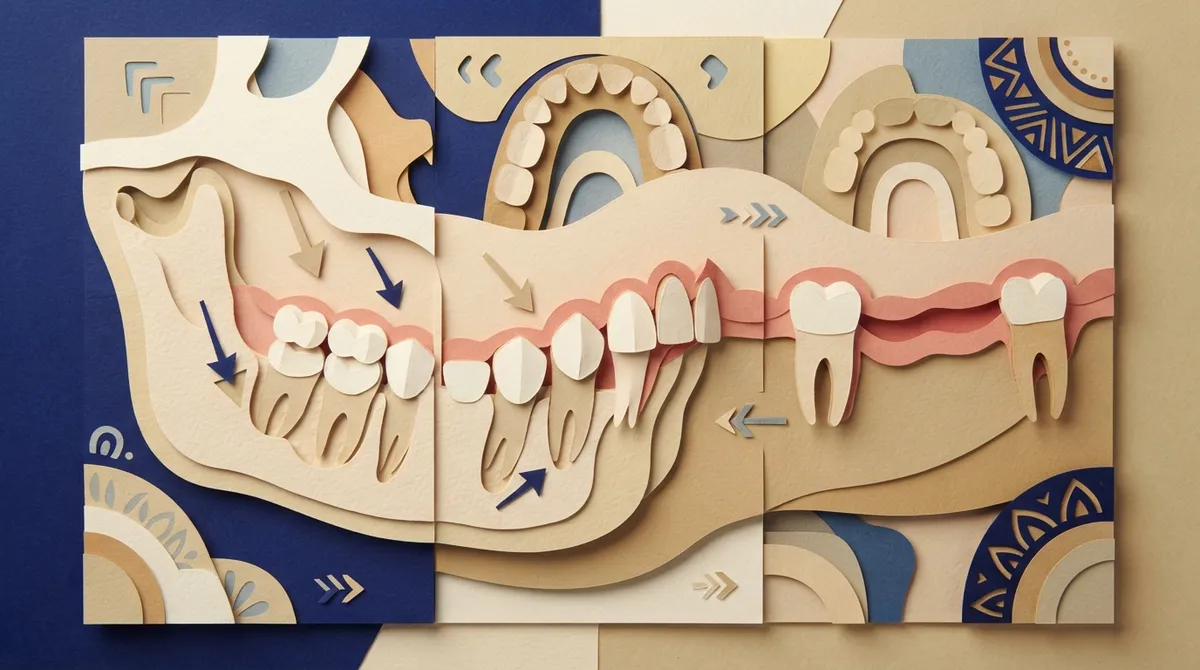
Tooth eruption is the process of a tooth moving through the jawbone and gums into the mouth. It is not a single moment. It is a slow journey that can take months.
Here is what happens behind the scenes:
- The crown (the part you see) forms first, deep inside the jaw.
- The tooth slowly moves upward through bone and gum tissue.
- The tooth appears in the mouth while the root is still growing.
- The root keeps developing after the tooth first shows up.
This is why a new tooth may look short at first. It is still settling in! Over time, it moves into its final spot and meets the opposing tooth.
Children have 20 baby teeth. Adults have up to 32 permanent teeth, including wisdom teeth. Most permanent teeth (28 of them, not counting wisdom teeth) come in by around age 13, though timing varies from child to child.
The Typical Eruption Timeline
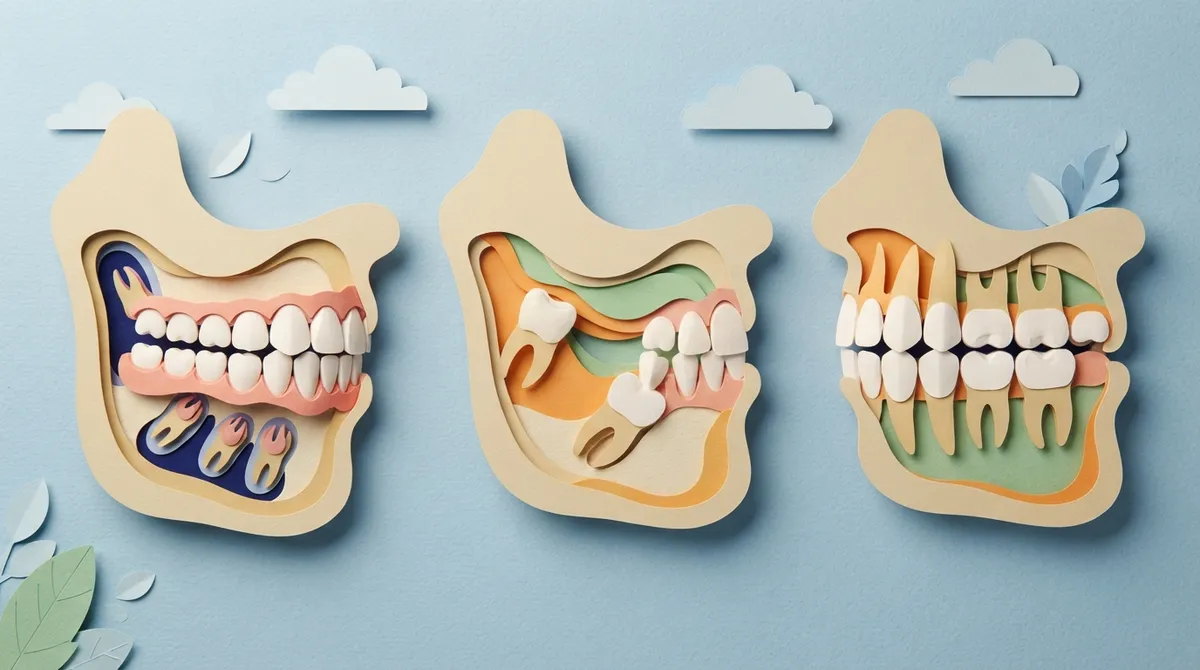
Here is a simple chart showing when permanent teeth usually arrive. These are common age ranges from sources like MedlinePlus and the American Dental Association. They are guides, not strict deadlines.
| Permanent Tooth | Typical Age Range |
|---|---|
| First molars (upper and lower) | 6–7 years |
| Lower central incisors | 6–7 years |
| Upper central incisors | 7–8 years |
| Lateral incisors | 7–9 years |
| Lower canines | 9–10 years |
| Premolars | 10–12 years |
| Upper canines | 11–12 years |
| Second molars | 11–13 years |
| Third molars (wisdom teeth) | 17–21 years |
Remember, a few months early or late is usually perfectly fine. Every smile has its own schedule.
The Usual Order of Eruption
Teeth tend to arrive in a pattern. Knowing the order helps you spot anything that seems out of place.
- First molars and lower front teeth (around age 6): The “six-year molars” come in behind the last baby teeth. They do not replace any baby tooth, so many parents miss them!
- Upper front teeth (around ages 7–8): The big upper central incisors arrive, often followed by the lateral incisors.
- Canines and premolars (around ages 9–12): Lower canines often come first, then premolars, then upper canines.
- Second molars (around ages 11–13): These finish off the main set of permanent teeth.
- Wisdom teeth (late teens to early twenties): Not everyone gets them, and many need monitoring.
Understanding the Mixed Dentition Stage
For several years, your child will have both baby and permanent teeth in the mouth at the same time. Dentists call this the mixed dentition stage. It usually runs from about age 6 to age 11 or 12.
This stage can look a bit messy. You may see crooked new teeth, gaps, and teeth that seem too big for the mouth. Much of this is normal and settles with growth.
But this is also the most important time to keep an eye on development. Why? Because the jaws are growing, and teeth are choosing their paths. Problems like crowding, lack of space, or teeth coming in the wrong spot often show up during these years.
Waiting vs. Early Monitoring: Which Is Better?
Now for the big comparison. Many parents ask, “Should we just wait until all the permanent teeth are in?” Or, “Should we have an orthodontist look sooner?” Let us compare both approaches fairly.
| Factor | Wait and See | Early Monitoring |
|---|---|---|
| Best for | Children with no visible concerns | Children with crowding, gaps, bite issues, or family history |
| Cost | No upfront visit cost | Often a simple consultation |
| Risk | May miss problems while they are easy to manage | Very low risk; most kids just keep watching |
| Peace of mind | Depends on your comfort level | Answers from an expert |
| Treatment options | May be more limited later | More choices if early help is needed |
When Waiting Can Work
Many children do just fine without any early treatment. If teeth are coming in straight, the bite looks balanced, and there is plenty of room, regular dental visits may be all you need for now.
When Early Monitoring Wins
An early look can catch issues while they are simple to manage. Guidelines from the American Academy of Pediatric Dentistry call for regular monitoring during the developing dentition, with X-rays when they are clinically appropriate. An orthodontic check-up around age 7 is a common recommendation.
Early monitoring does not mean your child will get braces right away. In most cases, it simply means watching and planning. Our guide on when your child should first see an orthodontist explains this in more detail.
Signs Your Child’s Teeth May Need a Closer Look
Most eruption is smooth. But some signs are worth mentioning to your dentist or orthodontist. Keep an eye out for these:
- A permanent tooth coming in behind or in front of a baby tooth that will not loosen
- One side of the mouth has a tooth, but the matching tooth on the other side is missing after many months
- An upper canine that has not appeared by roughly age 12 to 13
- Very crowded or overlapping new teeth
- Baby teeth lost very early, or kept very late
- Biting problems, jaw shifting, or trouble chewing
- A permanent tooth growing in a strange direction
None of these automatically mean something is wrong. They just mean an expert should take a peek. If you notice several of these, our article on the signs your child needs braces can help you understand what to watch for.
Is It Normal for Permanent Teeth to Erupt Behind Baby Teeth?
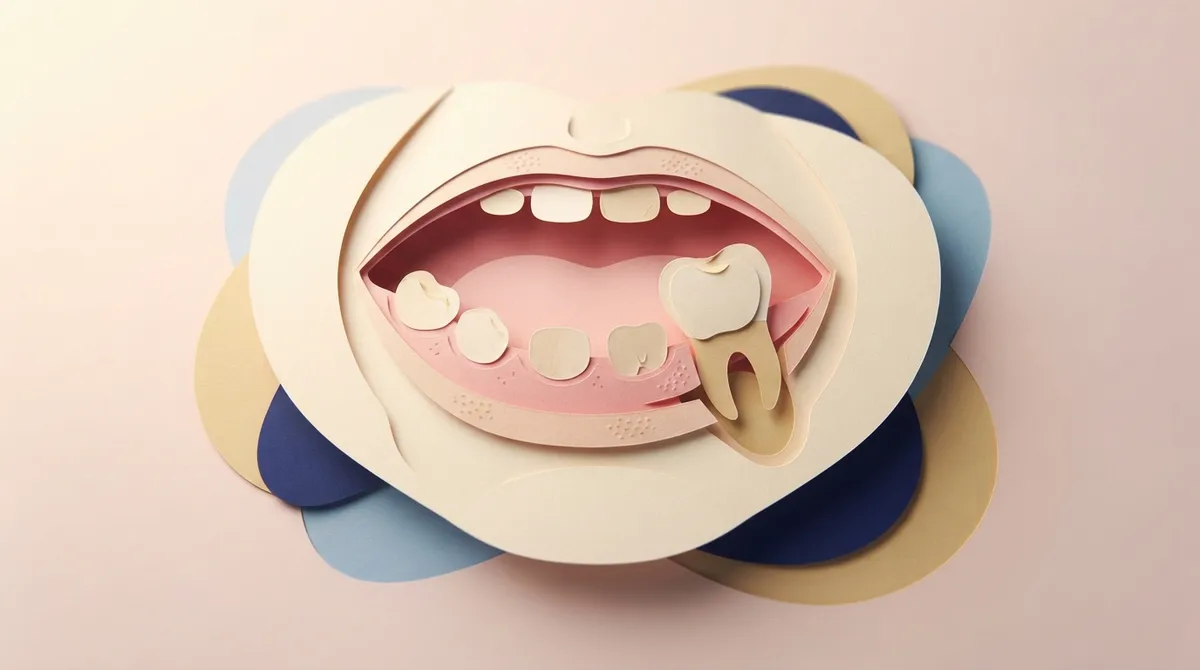
Yes, this happens a lot, especially with the lower front teeth. You may see what looks like a “double row,” sometimes called “shark teeth.”
Often, the baby tooth is wiggly and falls out on its own. Once it does, the tongue usually helps nudge the new tooth forward into place. A little patience may be all it takes.
If the baby tooth stays firmly in place for a couple of months while the new tooth keeps growing, it is time for a dental visit. Sometimes the baby tooth needs a little help coming out.
What Can Get in the Way of Normal Eruption?
Several things can change how permanent teeth erupt. Knowing them helps you understand what the orthodontist is looking for.
Lack of Space
When the jaw is small or baby teeth were lost too early, neighbors can drift into the gap. New teeth then have less room and may come in crooked or get stuck.
Ectopic Eruption
This is when a tooth comes in at the wrong angle or in the wrong place. A common example is a first molar pressing against the baby tooth in front of it.
Impacted Teeth
An impacted tooth is one that cannot break through the gum. Upper canines are the most common culprits. Early detection helps a lot here.
Extra or Missing Teeth
Some children have an extra tooth (such as a mesiodens) that blocks others. Others may be missing a permanent tooth altogether. Imaging can reveal this early. For example, when a blocking mesiodens is removed during mixed dentition, nearby front teeth erupt on their own in about 75% of cases, according to AAPD guidance.
What Does an Orthodontist Do If a Tooth Is Late or Misplaced?
Evaluation usually starts with a simple exam and sometimes an X-ray or 3D image. From there, the plan depends on the cause. Options can include:
- Careful observation: Many late teeth just need more time.
- Space management: Creating or saving room for the tooth to come in.
- Removing an obstruction: Such as a stubborn baby tooth or an extra tooth.
- Orthodontic or surgical help: Gently guiding an impacted tooth into place.
This is where early care can truly shine. Learn more about how this works in our guide to early orthodontic treatment.
Tips to Support Healthy Tooth Eruption
You cannot rush teeth, but you can support them. Try these simple habits:
- Keep up with brushing and flossing, especially around new teeth
- Do not pull out wiggly teeth too soon unless a dentist says it is okay
- Schedule regular dental check-ups every six months
- Track which teeth come in and when, a quick note on your phone works
- Ask about an orthodontic evaluation around age 7
New permanent molars are especially prone to cavities because they sit far back and are hard to clean. Extra care during these years pays off for life.
What About Teens and Adults?
Eruption is mostly a childhood story, but it matters later too. Teens may have late-arriving canines, second molars, or wisdom teeth that need attention. Our adolescent treatment options are designed for this stage, including braces and clear aligners.
Adults who never had a chance to fix an eruption problem can still get help. It is never too late to improve your smile. If you had treatment before and your teeth have shifted, you can read about the adult treatment options we offer.
How Brockway Orthodontics Can Help
At Brockway Orthodontics, we love helping families understand what is happening in their kids’ mouths. Dr. Brockway takes time to listen, explain, and guide you through your options in plain language. We use modern tools like digital impressions and 3D imaging to see how teeth are developing, without messy molds.
Whether your child just lost their first tooth or your teen has a stubborn canine, we are here to help. If you are curious what a first visit looks like, check out your first visit. You can also see what other families say by reading reviews on our Google page: Visit us on Google — Brockway Orthodontics.
For trusted general guidance, the American Dental Association offers helpful eruption charts, and the Florida Association of Orthodontists shares helpful information on orthodontic care. For a broader look at timelines, the MedlinePlus guide to permanent tooth development is a great reference.
The Bottom Line: Wait or Watch?
So, which wins: waiting or early monitoring? For most families, the smartest path is a mix. Let teeth erupt naturally, but let an expert keep a gentle eye on things. That way, you are not rushing into treatment, but you are also not missing a window of opportunity.
Permanent teeth erupt on their own schedule, and that is okay. The goal is simply to make sure every tooth has a clear path and enough room to land in the right place.
Ready to take the guesswork out of your child’s smile journey? Book your free consultation online and let our friendly team check how your child’s teeth are coming in. Have questions first? You can always contact us, and we will be happy to chat.
FAQs
Q: At what age do permanent teeth start to erupt?
A: Permanent teeth usually start coming in around age 6, when the first molars and lower front teeth appear. From there, new teeth arrive in stages until about age 12 to 13, with wisdom teeth following later. Every child runs on their own clock, so a few months early or late is usually nothing to worry about!
Q: Do permanent molars replace baby teeth?
A: Not the first ones! The first permanent molars, often called six-year molars, come in behind the last baby teeth and do not replace any tooth. Because they arrive quietly, many parents do not notice them. Keeping them clean is important, since they are prone to cavities.
Q: How long does it take for a permanent tooth to come in after a baby tooth falls out?
A: It varies, but many permanent teeth appear within a few weeks to a few months after a baby tooth is lost. Some take longer, and that can be perfectly normal. If you see no sign of the new tooth after several months, or a matching tooth on the other side came in long ago, check in with your dentist or orthodontist.
Q: When should I worry if a permanent tooth is late or missing?
A: It is worth getting a check-up if a tooth is much later than its matching tooth on the other side, or if an upper canine has not appeared by about age 12 to 13. An exam and sometimes an X-ray can show whether the tooth is simply on its way or needs help. The sooner we look, the more options you may have.
Q: When should a child have an orthodontic evaluation?
A: Many experts suggest a first orthodontic check-up around age 7, when the first permanent teeth have started to appear. It does not mean braces are coming right away. It is simply a chance to spot crowding, bite problems, or eruption issues early and make a smart plan.
Our Service Area