Key Takeaways
-
Don't assume every teen must wait for all permanent teeth to erupt; crossbites, narrow upper jaws, and harmful habits may need earlier treatment.
-
The AAO recommends an orthodontic check-up by age 7, which is an evaluation rather than a start date for braces, and it can catch eruption or jaw problems early.
-
Crowding can become more noticeable as permanent teeth and molars arrive, since the jaw has limited room, so monitor eruption during the mixed dentition years.
-
A late or blocked permanent tooth can change the entire treatment plan, so it should be evaluated by an orthodontist rather than handled with a quick extraction decision.
-
Jaw growth matters as much as tooth eruption; treating during active growth can help guide jaws, so the timing should be personalized after a full exam.
-
Most teens are ready for a full evaluation once permanent teeth are arriving, and watching and waiting is appropriate for many mild bite issues.
Every parent of a teen has been there. You look at your kid’s smile, notice a crooked tooth or a gap, and wonder, “Is it time for braces?” Then a friend says wait until all the adult teeth are in. Another says don’t wait a minute longer. Who is right?
The truth is, both can be right, depending on your teen. Understanding how permanent teeth affect teen treatment timing can save you from guessing, stress, and sometimes extra cost. Teeth do not follow a calendar. They follow their own schedule, and that schedule shapes the best moment to start treatment.
At Brockway Orthodontics, we see families in Clearwater who have heard every kind of advice. Our goal is to replace the guesswork with clear, friendly answers. In this guide, we will walk through the four most common timing mistakes, explain what is really going on in your teen’s mouth, and show you what to do next. Grab a snack (a braces-friendly one, of course) and let’s dive in.
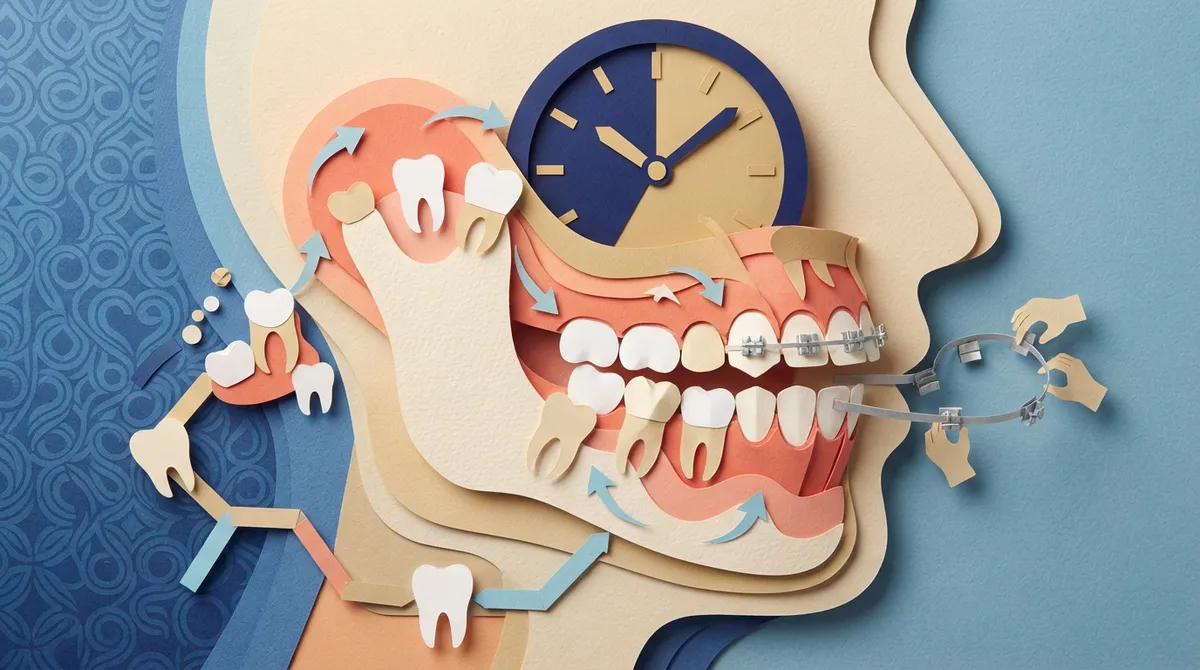
Why Permanent Teeth Set the Treatment Clock
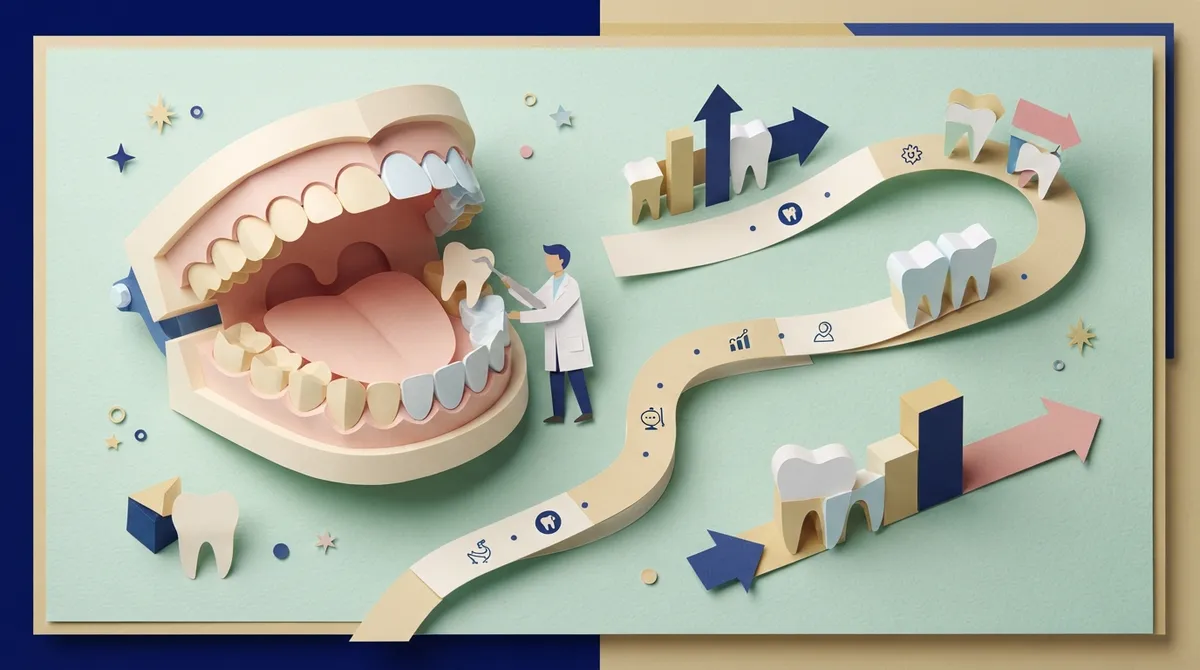
Think of your teen’s mouth like a busy construction site. Baby teeth are the temporary workers. Permanent teeth are the final crew moving in. An orthodontist needs to see who has arrived, where they landed, and how much room is left before drawing up the best plan.
When most permanent teeth have come in, an orthodontist can judge crowding, spacing, and many bite problems more fully. That is why the teen years are a common time for comprehensive treatment. The American Association of Orthodontists notes that many patients begin treatment between ages 9 and 16, depending on how their body develops and what they need.
Notice the word “depending.” There is no single perfect age for every teen. Dentists and orthodontists look at several things:
- Which permanent teeth have erupted and which are still on the way
- The type of bite or jaw problem, if any
- How much facial growth is still happening
- The risks and benefits of treating now versus watching and waiting
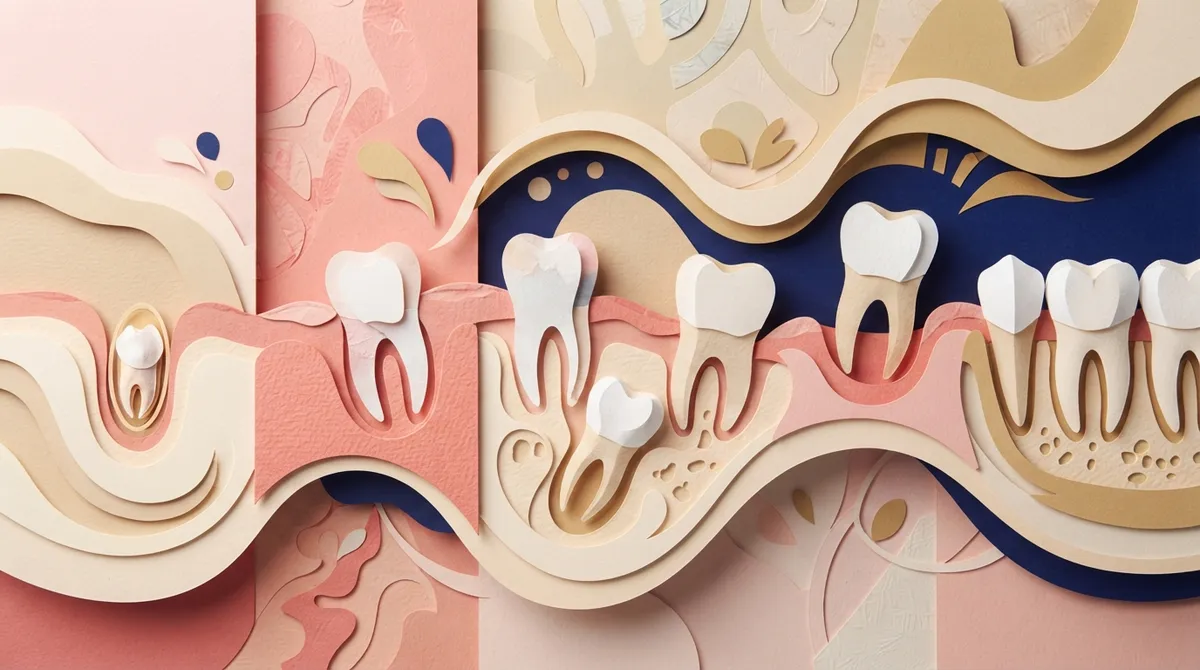
The Stages of Tooth Development (In Plain English)
Knowing the stages helps you see where your teen fits. These are rough age ranges, not strict deadlines. Every child moves at a different pace.
| Stage | Approximate Age | What Is Happening |
|---|---|---|
| Primary dentition | Birth to about 6 | Only baby teeth are present |
| Mixed dentition | About 6 to 11 (some sources say up to 13) | Baby and permanent teeth are both in the mouth |
| Adolescent dentition | About 11 to 12 and up | Most permanent teeth are in or coming in, except wisdom teeth |
The American Academy of Pediatric Dentistry describes these stages in its guidance on the developing dentition. It also says that if treatment has not started earlier, planning for common bite problems and crossbites should be considered during the adolescent stage.
That is why so many teens start braces or aligners around the middle school and high school years. The permanent teeth have arrived, and we can plan with a much clearer picture.
Mistake #1: Assuming Every Teen Must Wait for All Permanent Teeth
This is the big one. Many parents hear, “Just wait until all the adult teeth come in.” For many teens, that is solid advice. But it is not true for everyone.
Some problems are better handled before every permanent tooth has erupted. Examples include:
- Certain jaw growth differences, such as an upper jaw that is too narrow
- Crossbites, where upper teeth bite inside the lower teeth
- Harmful habits, like prolonged thumb sucking or tongue thrusting
- Eruption problems, such as teeth coming in blocked or in the wrong spot
Waiting too long on these can make treatment harder later. On the other hand, early treatment is not needed for every developing bite problem. Many cases are best watched until more permanent teeth are in.
So the real answer is not “always wait” or “never wait.” It is “get an expert look and let your teen’s teeth guide the plan.” If your younger teen has a crossbite or a very narrow smile, learn more about early treatment and whether it fits your child.
Mistake #2: Skipping the Early Check-Up Because “They Are Not Ready for Braces”
Here is a surprise. The American Association of Orthodontists recommends an orthodontic check-up by age 7. That does not mean your 7-year-old will get braces. It means a specialist takes a peek at how things are developing.
Why so early? A first visit can spot developing eruption, spacing, or jaw problems. It also lets the orthodontist plan when treatment, if any, makes the most sense. Many kids simply get a “come back in a year” and a high five.
If your teen never had that early visit, do not worry. It is not too late. A teen evaluation can still catch what matters and map out a smart timeline. You can read more about when to schedule that first visit in our guide on how to know when your child should first see an orthodontist.
What an Early Look Can Reveal
- Eruption patterns: Are permanent teeth coming in where they should?
- Available space: Is there enough room for the teeth still to come?
- Jaw relationships: Do the upper and lower jaws line up well?
- Habits: Are any habits pushing teeth out of place?
Mistake #3: Ignoring Eruption Timing and Available Space
Teeth need room to move in. When a baby tooth falls out too early or too late, it can change where the permanent tooth lands. Sometimes there simply is not enough space, and crowding shows up.
Here is something that surprises families: crowding can seem to get worse as permanent molars and other teeth come in. The jaw only has so much room, and new teeth take up space. That is normal, but it is also why watching eruption matters.
Delayed or Blocked Teeth
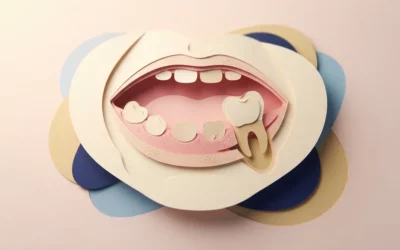
Sometimes a permanent tooth is slow to appear, or it gets stuck. This can be caused by crowding, extra teeth, or a tooth that is heading the wrong way. A late-arriving tooth can push back the best time to start braces, because the orthodontist may need that tooth in place, or at least understood, before planning the full treatment.
In some cases, the orthodontist may monitor the area, save space left by a baby tooth, or look closer at why a tooth is late. Pulling teeth to fix crowding should never be a quick decision. Professional guidance says it should only follow a full space analysis and a short- and long-term plan.
What This Means for Your Teen
If your teen still has a few baby teeth hanging on in the early teen years, that is a good reason to get checked. It does not always mean a problem. But it is worth a look so nothing important gets missed.
Mistake #4: Forgetting That Growth Matters as Much as Teeth
Teeth are only half of the story. Your teen is also growing. Jaws grow, faces change, and that growth can help or hurt a bite problem.
For some teens, growth is an ally. A jaw that is a little behind may catch up. For others, treating during active growth can help guide the jaws into a better position. An orthodontist weighs all of this before suggesting a start date.
That is why the plan should be personal. A complete exam, plus the right records, helps your orthodontist decide whether to treat now, wait and watch, or treat in stages. Then the plan is reviewed as your teen’s mouth keeps changing.
If you are curious how growth shapes the plan, our article on how growth affects a teenager’s orthodontic plan goes deeper.
Quick Guide: Treat Now, Monitor, or Stage Care?
Every case is different, but this table shows how permanent teeth often shape the decision. Your orthodontist will tailor it to your teen.
| Situation | Common Approach | Why |
|---|---|---|
| Most permanent teeth are in, mild to moderate crowding | Comprehensive treatment | The full picture is visible, so planning is clearer |
| Crossbite or narrow upper jaw in a younger teen | Possible earlier treatment | Jaw growth can be guided while the child is still growing |
| Several baby teeth still present, bite looks fine | Monitor | More permanent teeth need to arrive before the best plan is clear |
| Delayed or blocked permanent tooth | Investigate and monitor | The tooth’s position affects the whole plan |
| Complex bite with growth involved | Staged treatment | Treating in phases can improve results |
What Happens If You Wait Too Long?
Waiting is not always bad, and it is not always good. It depends on the problem. For simple crowding, a little patience often costs nothing. For certain bite or jaw issues, waiting can make the fix more involved later.
Here are a few things that can change when treatment is delayed:
- Crowding may become more noticeable as more teeth erupt
- Some jaw problems become harder to guide once growth slows
- Teeth that are hard to clean can lead to extra cavities or gum trouble
- Your teen may feel self-conscious longer than needed
That last point matters. Teens care deeply about how they look and feel. A confident smile before big moments like school dances, sports seasons, and graduation can make a real difference. If your teen is feeling shy about their smile, it may be time to explore adolescent treatment options.
Braces or Aligners: Do Permanent Teeth Change the Choice?
Once your teen has most of their permanent teeth, they often have more options. Both traditional braces and clear aligners can work well for many teens. The right pick depends on the bite, the amount of correction needed, and how responsible your teen is with daily care.
Brockway Orthodontics offers metal braces, ceramic (clear) braces, and Spark™ Clear Aligners, an affordable alternative to Invisalign. Each has its own strengths:
- Metal braces: Reliable and effective for nearly every kind of case
- Ceramic braces: Tooth-colored brackets that blend in more
- Spark clear aligners: Removable, nearly invisible trays that work well for the right cases
If your teen is torn between options, our post on braces versus clear aligners for kids can help you compare.
How to Prepare for Your Teen’s Evaluation
A little prep makes the first visit smoother. Here is a simple checklist to follow:
- Note what you have noticed. Crooked teeth, gaps, a bite that looks off, or trouble chewing are all worth mentioning.
- Gather dental info. Bring any past X-rays or records if you have them.
- Write down questions. Ask about timing, cost, and treatment options.
- Let your teen speak up. Their goals and concerns matter, too.
To see what the day looks like, check out your first visit at our office. We keep it friendly, easy, and pressure-free.
Meet the Orthodontist Who Puts Your Teen First
At Brockway Orthodontics, Dr. Brockway takes time to listen. She wants to hear your concerns and your teen’s dreams for their smile. Then she explains the options in plain language so everyone feels comfortable and informed. You can learn more when you meet Dr. Brockway.
Our Clearwater office also uses modern tools, like digital impressions instead of messy molds and 3D imaging for precise planning. For busy families, same-day treatment may even be possible in certain cases. And because we love our community, we work hard to make care affordable. Ask about our financing and insurance options.
Want to see what other families think? Read what neighbors say, and visit our Brockway Orthodontics location on Google for reviews. For general guidance on dental care and orthodontic standards, the American Dental Association and the Florida Association of Orthodontists are helpful resources.
The Bottom Line on Timing
Let’s wrap up the big takeaways. Permanent teeth shape the best moment to start treatment because they reveal how much room there is and how the bite fits together. Most teens are ready for a full evaluation once their permanent teeth are arriving, but some problems benefit from earlier action, and others are best watched.
The four mistakes to avoid are easy to remember:
- Assuming everyone must wait for every permanent tooth
- Skipping the early check-up
- Ignoring eruption timing and available space
- Forgetting that jaw growth matters, too
Avoid those, and you are already ahead of the game. The best next step is simple: let an expert take a look. Your teen’s smile is unique, and the plan should be, too.
Ready to find out where your teen stands? Book a free consultation online and let us help you pick the perfect time to start. Have questions first? Contact us anytime. We cannot wait to meet your family!
FAQs
Q: Does my teen need to wait until all permanent teeth come in before starting braces?
A: Not always! Many teens do start once most permanent teeth have erupted, but some issues like crossbites or jaw growth problems may be treated earlier. An orthodontist can tell you whether to treat now or keep watching.
Q: Why does the AAO recommend an orthodontic check-up by age 7?
A: The check-up is an evaluation, not a start date for braces. It helps spot eruption, spacing, or jaw problems early so your orthodontist can plan the best timing, and many kids just come back for monitoring.
Q: How do delayed or impacted permanent teeth affect braces timing?
A: A tooth that is late or stuck can change the whole plan, since its position affects how the other teeth should move. Your orthodontist may monitor it, make space, or look closer before setting a start date.
Q: Can crowding get worse as permanent teeth come in?
A: Yes, it can. The jaw has limited room, so as permanent teeth and molars arrive, crowding may become more noticeable. That is why checking in during these years is so helpful.
Q: What happens if we wait to treat a teen’s bite or crowding?
A: For mild crowding, waiting a bit may cause no harm. For certain bite or jaw issues, though, waiting can make treatment more involved later, so an expert opinion is the best way to know.
Our Service Area