Key Takeaways
-
The AAO recommends a first orthodontic check-up by age 7, or sooner if a parent or dentist notices a concern. The visit is an evaluation, not an automatic start to treatment.
-
Age 7 is a useful window because most children have both baby and permanent teeth, letting an orthodontist see how teeth are erupting and how the jaws line up.
-
An age-seven evaluation typically leads to one of three outcomes: no treatment needed, monitoring growth over time, or targeted early (interceptive) treatment for a specific problem.
-
Early treatment addresses selected problems such as crossbites or lack of space, but it does not guarantee a child will never need braces or aligners later.
-
Watch for early warning signs like early or late loss of baby teeth, difficulty chewing, mouth breathing, prolonged thumb sucking, or a jaw that shifts or clicks.
-
You do not need to wait until all baby teeth have fallen out. Waiting too long can mean missing the best timing to address certain issues.
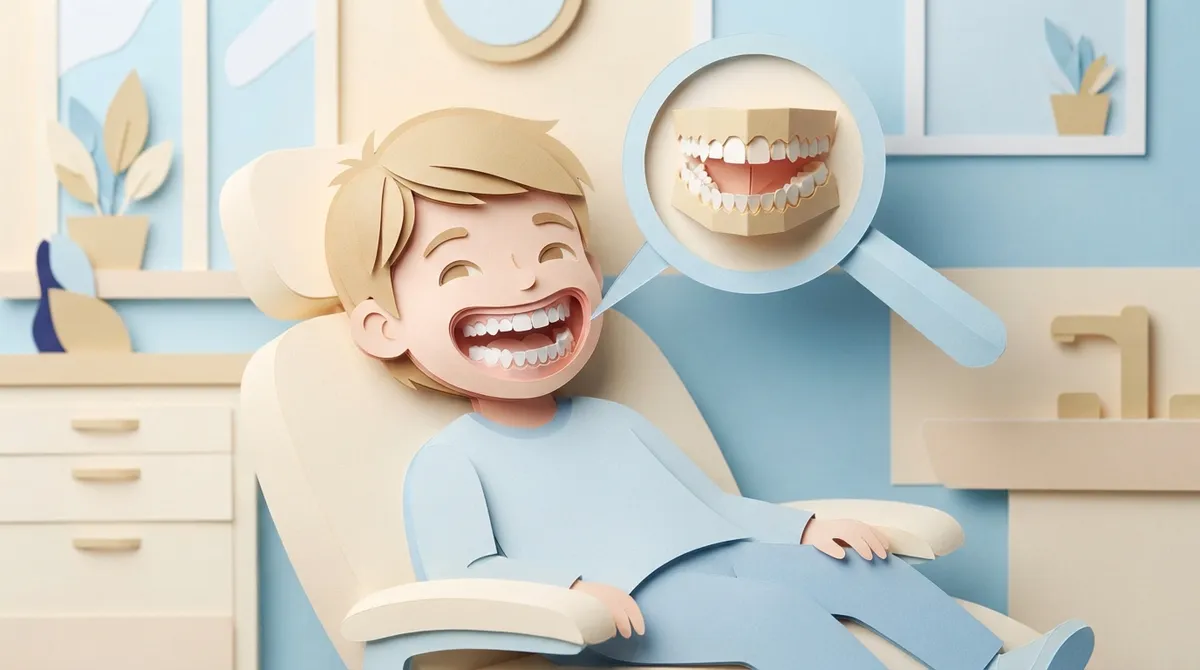
If you have a seven-year-old, you may be hearing a lot about braces lately. A friend mentions it at pickup. A dentist drops a hint at a checkup. Maybe you just noticed a crooked grin and started to wonder. Here is the good news: a visit to the orthodontist at this age is not about rushing into treatment. It is about getting smart, early information.
Why orthodontic evaluation at age seven matters comes down to timing. At seven, many kids have a mix of baby teeth and new adult teeth. That mix gives a specialist a clear window into how your child’s teeth, bite, and jaws are developing. Some kids need nothing. Some just need watching. A few benefit from early help for a specific problem.
In this friendly guide, we will walk through what the age-seven visit is, what an orthodontist looks for, and what happens next. We will also clear up the biggest myth: that an early visit means early braces. By the end, you will feel ready to make a calm, confident choice for your child’s smile.
What Is an Orthodontic Evaluation at Age Seven?
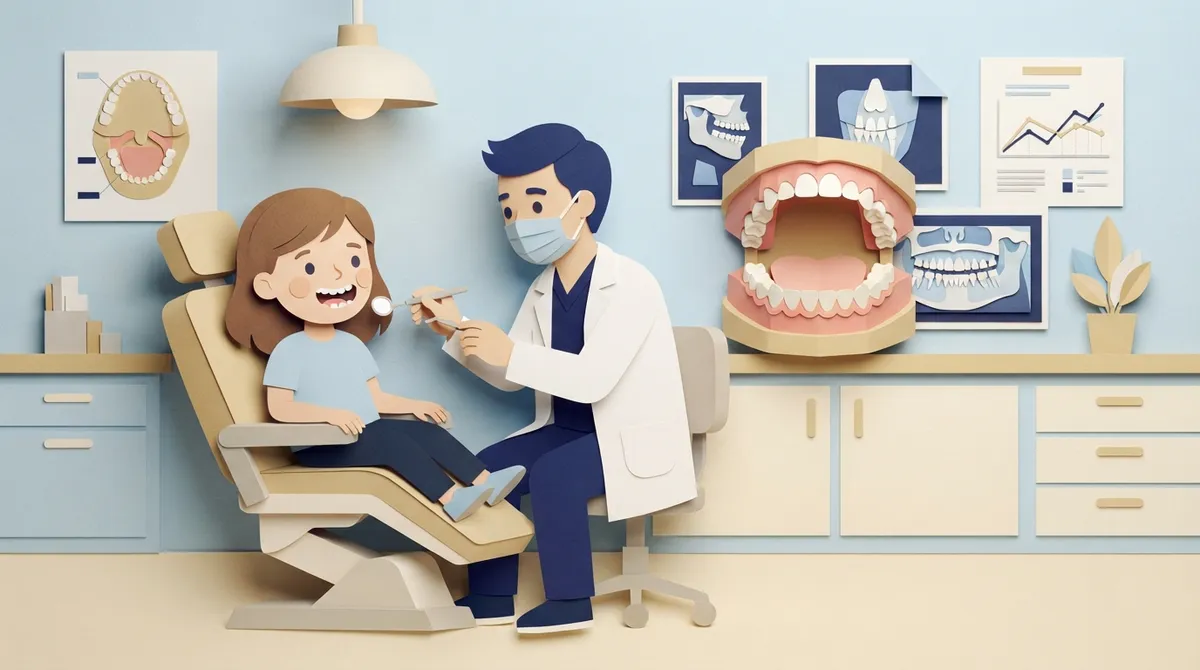
An orthodontic evaluation is a first check-up with an orthodontist. It is a chance to look closely at how your child’s mouth is growing. The American Association of Orthodontists (AAO) recommends that kids have their first orthodontic check-up no later than age 7, or sooner if a parent or dentist notices a concern.
That wording matters. The recommendation is about evaluation, not treatment. Think of it like a well-child visit for the smile. The goal is to see what is happening now and decide whether anything needs to be done, and when.
Many parents picture a seven-year-old in a full set of braces. That is rarely the plan. In most cases, the visit is quick, gentle, and simply informative. If you would like to know more about how we welcome new families, take a look at what to expect at your first visit.
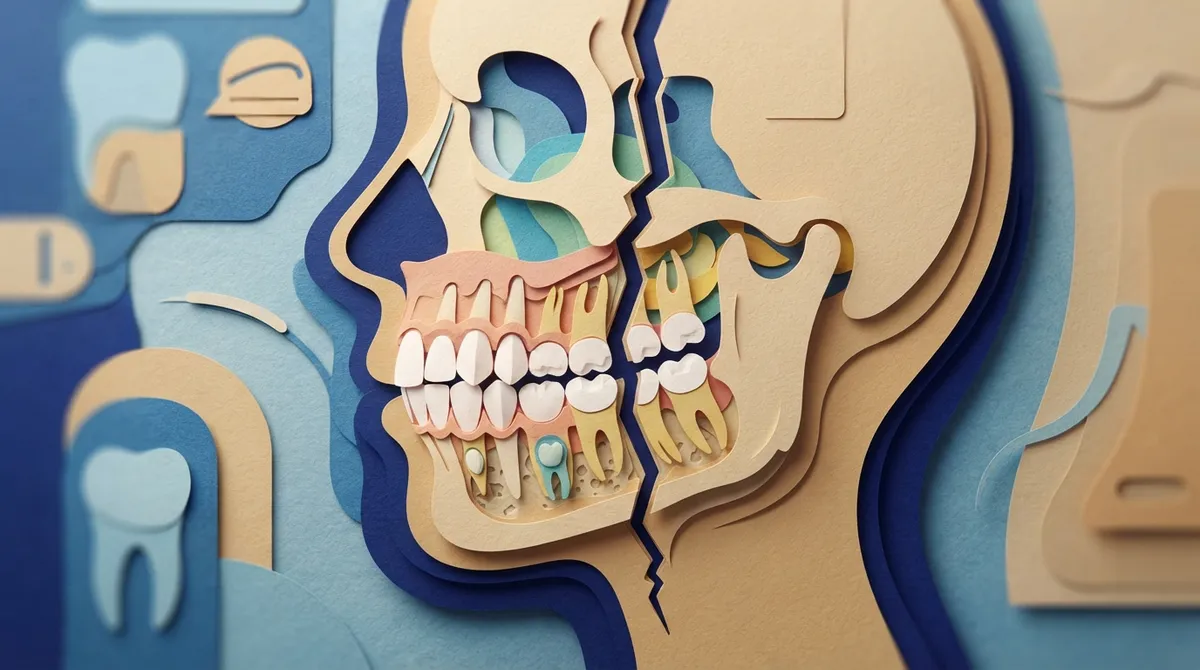
Why Age Seven? The Mixed Dentition Window
Age seven is a sweet spot. Around this time, most children are in what dentists call the mixed dentition stage. That simply means they have both baby (primary) teeth and permanent teeth in their mouth at once. The American Academy of Pediatric Dentistry describes this stage as roughly ages 6 to 11.
Why does this matter? Because an orthodontist can see so much while both sets of teeth are present. They can tell how the permanent teeth are coming in, how the upper and lower jaws line up, and whether there is enough room for teeth still waiting under the gums.
Some of those clues are hard for parents to spot at home. A smile can look perfectly fine while a hidden issue is quietly developing. A trained eye, plus the right records when needed, can see what we cannot.
Why Not Wait Until All the Baby Teeth Fall Out?
Plenty of parents ask this. It is a fair question. Your child does not need to lose every baby tooth before seeing an orthodontist. Waiting until the mouth is fully grown can mean missing the best time to act on certain problems.
For most kids, waiting is perfectly fine for many concerns. But an early look helps us know which group your child falls into. You can read more about this in our post on age 7 versus age 12 for orthodontic visits.
What Can an Orthodontist Spot at Age Seven?
An early evaluation can reveal developing issues that are tough to see on your own. Here are some of the things your orthodontist looks for:
- Crossbites: when upper teeth sit inside the lower teeth instead of just outside them
- Significant crowding: when there is not enough space for teeth to come in straight
- Abnormal bite relationships: such as an overbite, underbite, or open bite
- Impacted teeth: permanent teeth that may get stuck under the gums
- Missing or extra teeth: teeth that are absent or additional to the normal set
Finding these early does not mean your child needs treatment right away. It means you and your orthodontist can plan with full information. To learn about specific bite concerns, you can explore how crossbite correction works.
Does an Age-Seven Visit Mean Braces?
No, and this is the big one. An evaluation at seven does not mean your child is getting braces. The AAO recommendation is about timely assessment, not automatic treatment. Many children leave their first visit with nothing more than reassurance and a high five.
After the evaluation, there are usually three possible paths:
- No treatment needed. Your child’s teeth and bite look healthy, and you can relax.
- Monitor over time. Your orthodontist keeps an eye on growth and tooth eruption with periodic visits.
- Early (interceptive) treatment. A specific problem may benefit from help now, while your child is still growing.
That is it. Most families feel a big wave of relief once they know where they stand. If you want a deeper look at early options, visit our page on early treatment.
The Three Possible Outcomes at a Glance
| Outcome | What It Means | What Happens Next |
|---|---|---|
| No treatment needed | Teeth, bite, and jaws are developing well | Continue regular dental checkups |
| Monitor growth | Something may need attention later | Periodic orthodontic check-ins as teeth come in |
| Early treatment | A specific problem may benefit from help now | A focused, limited treatment plan |
What Is Early Treatment, and When Is It Helpful?
Early treatment, also called interceptive treatment, targets a particular problem while a child is still growing. It is not the same as full braces. It is a focused step designed to make a certain issue better or easier to manage later.
Depending on the diagnosis, early treatment may:
- Guide jaw growth in a healthier direction
- Correct a crossbite
- Help create space for incoming permanent teeth
It is important to be honest here. Early treatment is for selected problems, not every orthodontic concern. Some children may still need braces or aligners later, after more permanent teeth arrive. Early care does not promise that later treatment will never be needed. What it can do is address the right issue at the right time.
Many orthodontic problems are actually best treated later, when more permanent teeth are in place. That is exactly why the age-seven visit is so useful. It helps us find the best timing, not just start treatment because a child hit a certain birthday. For more on this, see our article on why timing matters in early intervention orthodontics.
What Happens at the First Orthodontic Appointment?
Parents often worry that the first visit will feel scary for a little one. It really does not have to. At Brockway Orthodontics, we focus on making kids feel comfortable and curious, not nervous.
Here is a typical flow:
- A friendly welcome. We chat with you and your child about any concerns and your child’s dental history.
- A gentle exam. The orthodontist looks at your child’s teeth, bite, and jaw growth.
- Records if needed. Sometimes photos, digital scans, or X-rays help us see more. Not every child needs X-rays at the first visit. The orthodontist decides based on what your child needs.
- A clear talk. We explain what we see in plain language and answer your questions.
- A plan. You leave knowing whether to relax, monitor, or consider early treatment.
We use modern tools like digital impressions instead of messy molds and 3D imaging to see the full picture. This keeps visits comfortable and helps us plan with precision. You can also peek at our welcoming office to see where your child will be.
Signs Your Child May Need an Earlier Look
The AAO says to see an orthodontist by age 7 or sooner if you notice a concern. You do not have to wait for the seven-year mark if something seems off. Keep an eye out for signs like these:
- Baby teeth that fall out very early or very late
- Difficulty chewing or biting
- Mouth breathing or loud snoring
- Thumb sucking that continues past the usual age
- Teeth that look crowded, stick out, or do not meet well
- A jaw that shifts or makes sounds when opening and closing
- Teeth that come together in an unusual way
None of these automatically mean something is wrong. But they are good reasons to book a visit. Our guide on signs your child needs braces goes into more detail.
Why Early Evaluation Brings Peace of Mind
For many parents, the best part of an early visit is simple relief. You get a trusted expert’s view on your child’s growth. You stop guessing, stop scrolling forums at midnight, and start planning with facts.
An early evaluation can also help you:
- Plan your budget. Knowing what may be ahead lets you prepare. Learn about financing and insurance options early on.
- Time treatment well. You avoid starting too soon or waiting too long.
- Build comfort. Kids who visit early often feel more at ease in the orthodontic chair later.
It is also worth knowing that early visits are low pressure. At Brockway Orthodontics, Dr. Brockway takes time to listen to your worries and explain things in a friendly, easy-to-understand way. She wants you and your child to feel informed and comfortable from start to finish. You can get to know Dr. Brockway before your visit.
Common Myths About Early Orthodontic Visits
Let us clear up a few things you might have heard.
Myth: My child will get braces at seven.
Not true for most kids. Many are simply monitored, and some need nothing at all.
Myth: Early treatment prevents all future braces.
Early care can help with certain problems, but it does not guarantee your child will skip later treatment. Some kids still need braces or aligners as more permanent teeth come in.
Myth: My child has to wait for all baby teeth to fall out.
Nope. A mix of baby and permanent teeth is actually the ideal moment for an evaluation.
Myth: My dentist already checks this.
Your family dentist does wonderful work and may be the one to suggest a visit. But orthodontists are specialists in tooth movement and jaw growth. They look at the bite and development in a different, focused way. To see how the roles differ, read why see an orthodontist versus a dentist.
How to Prepare Your Child for the Visit
A little prep goes a long way. Try these simple tips:
- Keep it positive. Tell your child they are going to meet a friendly smile expert.
- Gather dental info. Bring any recent X-rays or notes from your family dentist if you have them.
- Write down questions. Jot down anything you have noticed about your child’s bite, habits, or teeth.
- Brush before you go. A fresh, clean smile helps the exam go smoothly.
- Stay calm yourself. Kids pick up on our feelings, so a relaxed parent makes for a relaxed child.
Want more ideas? Our article on when your child should first see an orthodontist offers helpful guidance.
What About Teens and Adults Who Missed the Early Visit?
If your child is older than seven, please do not worry. It is never too late to get an evaluation. Many orthodontic concerns are very treatable at later ages, and teens often begin treatment around the time most permanent teeth are in. Adults can benefit too.
Brockway Orthodontics offers a full range of options for the whole family, including metal braces, ceramic braces, and Spark™ Clear Aligners, an affordable alternative to Invisalign. Explore adolescent treatment and adult treatment to see what fits your family.
The key takeaway is simple: an evaluation gives you answers at any age. The age-seven visit just gives you the earliest, most flexible set of options.
Why Families Choose Brockway Orthodontics
When you are looking for the go-to orthodontist in Clearwater, Florida, you want someone who sees your child as more than a chart. At Brockway Orthodontics, Dr. Brockway brings extensive training and a real love for this community. She treats families the way she would want her own treated: with patience, honesty, and warmth.
We keep visits comfortable with modern technology, and in certain cases we can offer same-day treatments for busy families. Our team explains each step so you always know what to expect. If you would like to hear from other parents, you can see what our Brockway Orthodontics families say on Google.
For additional background on child orthodontic care, the American Dental Association offers helpful general oral health resources, and the Florida Association of Orthodontists shares information about orthodontic care across the state.
Final Thoughts: A Small Visit With Big Benefits
An orthodontic evaluation at age seven is not about rushing into braces. It is about learning, planning, and giving your child the best possible start. Whether the answer is “all clear,” “let’s keep watching,” or “let’s help this one issue now,” you will walk away knowing exactly where you stand.
That is why orthodontic evaluation at age seven matters. It puts you in the driver’s seat, with a caring expert beside you.
Ready to take the first step? Book your child’s appointment online and let us help you plan for a healthy, happy smile. Have questions first? Feel free to contact us, and our friendly team will be glad to help.
FAQs
Q: Why does the AAO recommend an orthodontic evaluation by age 7?
A: At around age seven, kids usually have both baby and permanent teeth, which lets an orthodontist see how the teeth, bite, and jaws are developing. It is a check-up to catch issues early and find the right timing, not a signal that every child needs braces.
Q: Does an orthodontic evaluation at age 7 mean my child will need braces?
A: Not at all! Many kids leave their first visit with just reassurance or a plan to monitor growth. Early treatment is only recommended for certain specific problems, and some children may need braces or aligners later on.
Q: What happens during a child’s first orthodontic appointment?
A: We start with a friendly chat, then do a gentle exam of your child’s teeth, bite, and jaw growth. If needed, we may take photos, digital scans, or X-rays, and then we explain everything in plain language so you know the next steps.
Q: Does my child need to lose all their baby teeth before seeing an orthodontist?
A: No, and that is a common mix-up. Having a mix of baby and permanent teeth is actually the perfect time for an evaluation, because it shows us how things are developing.
Q: Are X-rays always taken at a child’s first orthodontic visit?
A: Not always. The orthodontist decides if X-rays or other records are helpful based on your child’s individual needs, so some kids will not need them at the first visit.
Our Service Area