Key Takeaways
-
A bite assessment checks how your upper and lower teeth meet, not just how straight they look, because teeth can appear aligned in the mirror yet still bite together poorly.
-
Hidden issues like jaw position differences, impacted or missing teeth, uneven tooth contacts, and jaw asymmetry often cannot be seen from the front and can change the safety and order of treatment.
-
Skipping the assessment risks teeth that look straighter but do not function well, and may miss problems that affect how teeth should be moved.
-
Your orthodontist may review habits like thumb sucking, teeth grinding, or jaw clicking, plus take photos, digital scans, or X-rays when your case requires them.
-
The assessment helps decide between braces and aligners and whether other care, such as treating cavities or gum problems first, should come before appliances.
-
The American Association of Orthodontists recommends a first check-up by age 7, which lets orthodontists monitor jaw growth and tooth eruption without necessarily starting treatment.
You have been dreaming of a straighter smile. Maybe you scrolled through photos of clear aligners, or your teen just asked about braces. It is exciting! But here is something many people do not hear at first: the best treatment starts with a good look at your bite, not just your teeth.
So why a bite assessment matters before teeth straightening comes down to one simple idea. Straight teeth should also work well. A smile can look great in a photo and still have teeth that do not meet the way they should. A bite assessment helps your orthodontist see the full picture, so your treatment plan is built around both looks and function.
In this guide, we will walk through what a bite assessment is, what your orthodontist checks, what problems it can uncover, and how it shapes your treatment. We will keep it friendly and simple. Whether you are a parent, a teen, or an adult thinking about treatment, you will know exactly what to expect.
What Is a Bite Assessment?
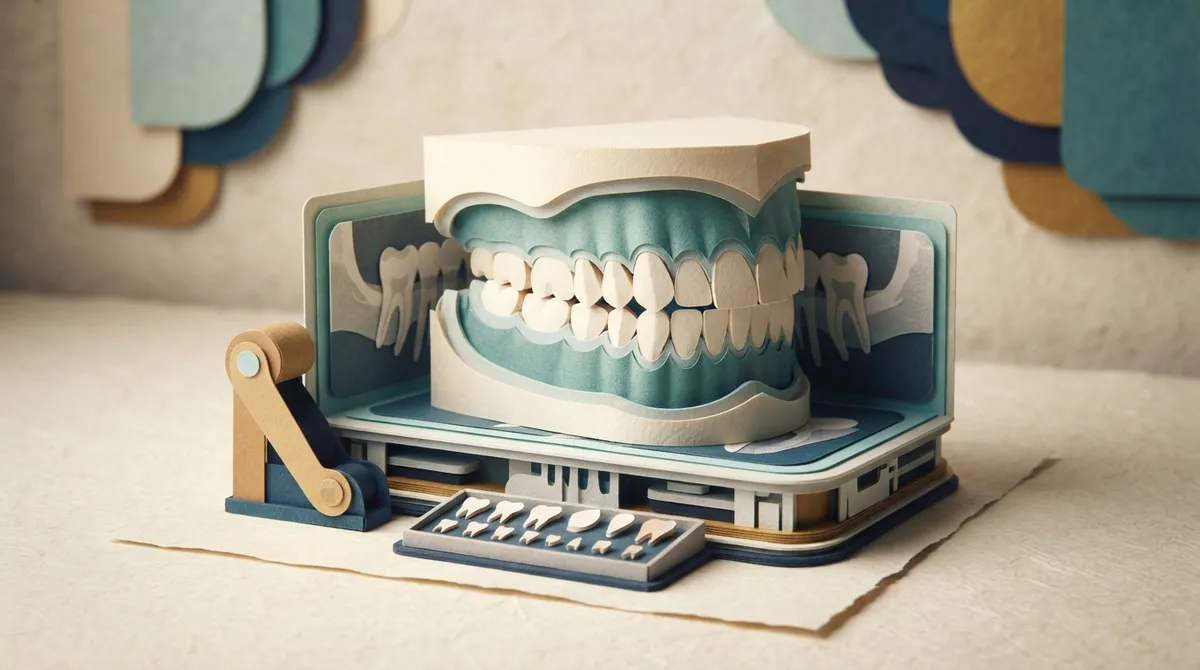
A bite assessment is a close look at how your upper and lower teeth fit together. It also checks how your jaws relate to each other and how your teeth and jaws work as a team when you chew, speak, and smile.
Orthodontists call a bite that does not line up well a malocclusion. Common types include:
- Crowding: teeth are squeezed together without enough room.
- Overbite or excessive overjet: the upper front teeth sit too far over or out from the lower teeth.
- Underbite: the lower teeth sit in front of the upper teeth.
- Crossbite: some upper teeth sit inside the lower teeth when you close.
- Open bite: the front or side teeth do not touch when you bite down.
Think of it like building a house. You would not pick paint colors before checking the foundation. In the same way, your orthodontist wants to know how your bite is built before moving a single tooth.
Why Straight Teeth Alone Do Not Tell the Whole Story
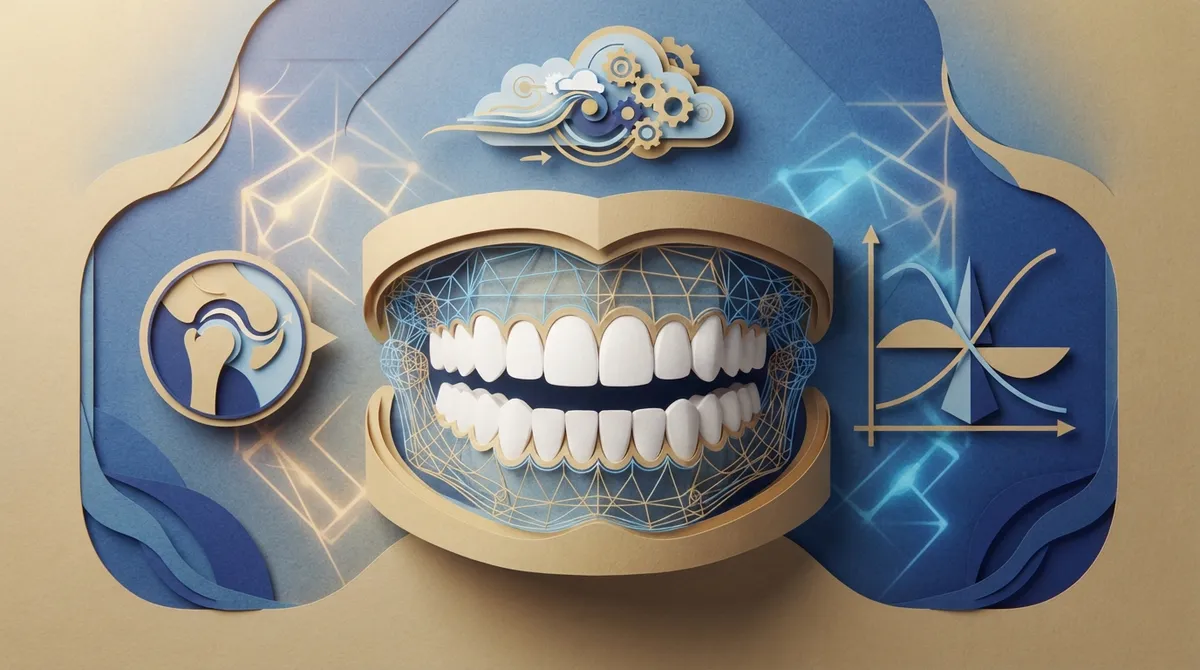
Here is the big reason a bite assessment matters. Teeth can look nicely lined up from the front and still not meet well. A quick glance at your smile in the mirror cannot show how your back teeth connect, how your jaws sit, or whether your teeth touch evenly.
A visual check of alignment may miss problems like:
- A jaw that sits too far forward or back compared with the other jaw
- Facial or jaw asymmetry
- Uneven tooth contacts when you bite down
- Teeth that have not come in properly
- Missing or impacted teeth hiding below the gums
These findings can change the order and the safety of tooth movement. That is why a skilled orthodontist looks well beyond what is easy to see in a selfie.
What Your Orthodontist Checks During a Bite Assessment
A bite assessment is usually relaxed and easy. At your first visit, you can expect a friendly, step-by-step process. Here is what is commonly included.
A Clinical Exam
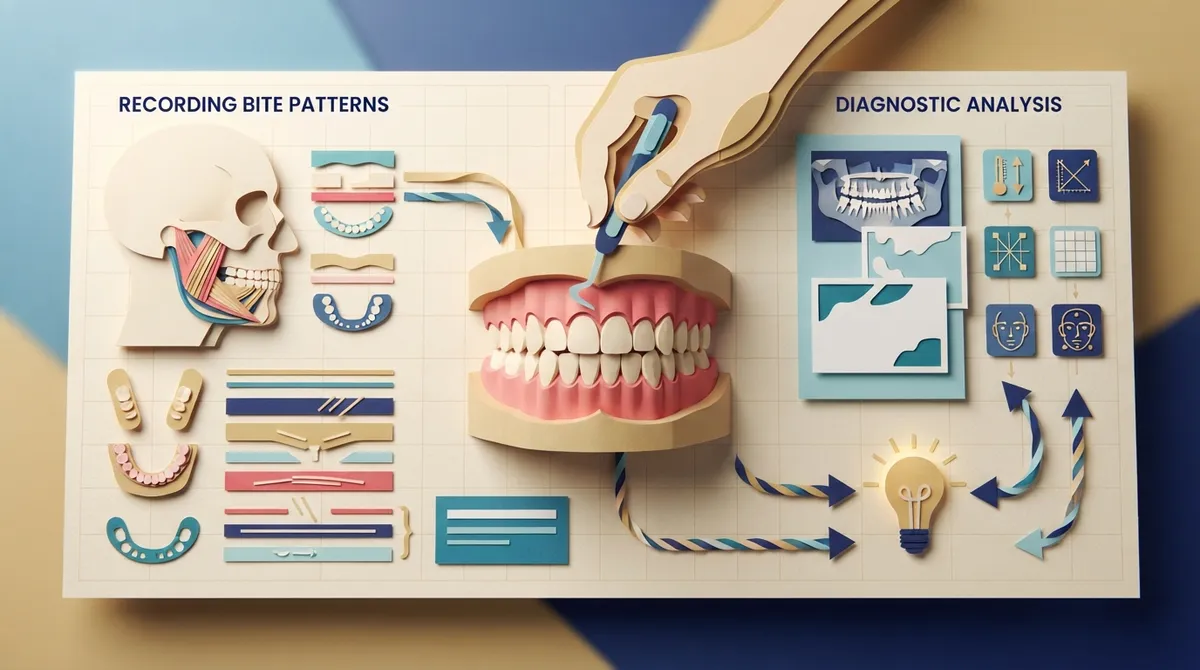
Your orthodontist looks at your teeth, bite, jaws, facial proportions, and overall oral health. They may watch how you open and close your mouth and check for any jaw clicking or discomfort.
Your History and Daily Habits
This part is a conversation. Your orthodontist may ask about:
- Chewing or speech concerns
- Habits like thumb sucking, nail biting, or teeth grinding
- Jaw symptoms such as soreness or popping
- Past dental work or earlier orthodontic care
- Your gum and tooth health
Records and Imaging
Depending on your case, records may include photos, digital scans or models, and X-rays. Imaging is chosen based on what you need clinically, so not every patient gets the exact same set of records. Modern digital scans also mean no goopy impressions for most people, which is a nice bonus.
Problems a Bite Assessment Can Uncover
This is where the assessment really earns its keep. It can reveal issues that are not obvious from the front. The table below shows a few common findings and why they matter for your plan.
| What the Assessment May Find | Why It Matters for Treatment |
|---|---|
| Crowding or lack of space | Helps decide how to create room, and whether other steps are needed |
| Overbite or overjet | Affects how teeth are moved and which appliance may work best |
| Underbite or crossbite | May involve jaw position and sometimes growth guidance |
| Open bite | Can be linked to habits, so those may need to be addressed |
| Impacted or missing teeth | Changes the sequence and timing of tooth movement |
| Jaw asymmetry or discrepancy | Guides realistic goals and whether coordinated care is needed |
| Cavities or gum concerns | May need attention before appliances are placed |
Catching these things early saves time, money, and stress. It also keeps your treatment safe and your results more stable.
How a Bite Assessment Shapes Your Treatment Plan
Once your orthodontist understands your bite, they can build a plan that fits you. A sound diagnosis guides your goals and the type of treatment, such as braces or aligners. It also helps answer an important question: is tooth movement alone enough, or should growth guidance, extractions, or other coordinated care be considered?
Choosing Between Braces and Aligners
Both options can work well for many bites. The assessment helps decide which one is the better match for your needs. If you are curious about the options, you can read about braces and Spark™ Clear Aligners. At Brockway Orthodontics, we also offer metal braces and ceramic (clear) braces, so there is something for every lifestyle.
Setting Realistic Goals
A good plan is honest. Your orthodontist should explain the benefits, limits, alternatives, and risks of treatment. The goal is not simply to make teeth appear aligned. It is to create a stable, functional bite that suits your teeth and your face.
Planning the Steps in the Right Order
Some patients need other care first. For example, cavities or gum problems may need treatment before orthodontic appliances go on. Your assessment helps map out the right order so nothing gets missed.
A Quick Look at the Process
Wondering how it all flows? Here is a simple overview of what usually happens.
- You arrive and chat. You share your goals, concerns, and any history.
- Your orthodontist examines your teeth, bite, and jaws. This is quick and comfortable.
- Records are taken if needed. This may include photos, scans, or X-rays.
- Your orthodontist reviews the findings. They look at how everything fits together.
- You discuss your options. You learn what is possible, how long it may take, and what to expect.
- You decide your next step. There is no pressure, just clear information.
Bite Assessments for Different Ages
Your age and life stage shape what the assessment focuses on. Here is how it helps different people.
For Children and Parents
The American Association of Orthodontists recommends a check-up by age 7. That does not mean your child needs braces then! An early look simply lets an orthodontist spot developing jaw or tooth eruption concerns while growth is still happening. Most children will not start treatment right away, but you will know what to watch for. Learn more about early treatment and what every parent should know.
For Teens and Young Adults
For teens, the assessment checks how permanent teeth have come in and how the bite is settling. It also helps plan around big life events like school photos or graduation. See our guide to adolescent treatment for more.
For Busy Adults
Adults often want a discreet, efficient plan. A bite assessment makes sure the plan also protects function, including gum health and chewing comfort. Explore adult treatment options to see what might fit your schedule.
For Patients Dealing With Relapse
If you had braces before and your teeth have shifted, a fresh assessment is the best place to start. It shows what changed, why it changed, and how to fix it in a lasting way. Understanding your bite can also help guide your future retainers plan.
How Common Are Bite Problems?
Bite problems are very common, but the numbers depend on the age group, the place, and how researchers measure them. So it is smart to read statistics with care.
- A 1998 analysis of U.S. national survey data (NHANES III) found about 20% of people had deviations from an ideal bite, with roughly 2% being severe. These are older, historical estimates, not current figures.
- The same analysis estimated that around 57%–59% of each group studied had at least some orthodontic treatment need, based on the index used at that time.
- A 2024 study of children ages 9 to 12 reported some form of malocclusion in 84.5% of participants, and 8.1% had a definite treatment need. That result applies to that study group and should not be applied to every child.
The takeaway? Many people have some bite difference. Not everyone needs treatment, which is exactly why a proper assessment is so helpful. It tells you what is normal for you and what is worth fixing.
Can You Skip the Bite Assessment?
It is tempting to jump straight to a quick fix, especially when ads promise fast results. But skipping the assessment can lead to trouble. Without a full look at your bite, you may miss problems that affect how teeth should be moved. You could also end up with teeth that look straighter but do not bite together well.
If you want a deeper look at common pitfalls, our guide on mistakes to avoid when choosing orthodontic treatment is a great read. You can also learn how braces fix a deep overbite to see how bite-focused planning works in real life.
What Happens After the Assessment?
After your assessment, you should walk away feeling informed, not pressured. A good orthodontist will explain what they found in plain language, show you your options, and answer every question. You will also get a clear picture of timing and costs. If budget is on your mind, you can explore financing and insurance options to see what could work for your family.
Not sure what to ask? Try these questions:
- What does my bite look like, and what did you find?
- Is tooth movement alone enough, or do I need other care?
- Would braces or aligners suit my bite better?
- How long might treatment take?
- What are the risks and limits I should know about?
Why Choose Brockway Orthodontics for Your Bite Assessment?
At Brockway Orthodontics, we believe understanding your treatment is the key to feeling confident. Dr. Brockway takes time to listen to your goals, explain what she sees, and make sure you feel comfortable from start to finish. We use modern tools like digital impressions and 3D imaging, so your plan is precise and your visit is comfortable. In some cases, same-day treatments may even be possible for busy families.
We serve the whole family right here in Clearwater, Florida. You can see what our patients say when you visit Brockway Orthodontics on Google and read their reviews. For extra peace of mind, you can also learn about orthodontic standards through the Florida Association of Orthodontists and general oral health guidance from the American Dental Association.
A healthy mouth also supports a smooth treatment. Keeping your teeth cavity-free, along with good heating and cooling at home so you stay comfortable in the Florida weather (a trusted local option is Marks Air), makes your whole routine a bit easier!
Take the First Step Toward a Healthier, Straighter Smile
A bite assessment is the foundation of great orthodontic care. It shows how your teeth, jaws, and facial structures work together, so your treatment is built to look good and work well for years to come. It is the smartest first step you can take, whether you are thinking about braces for your child, aligners for yourself, or a fresh start after relapse.
Ready to see what your bite is telling you? Book your free consultation online and meet our friendly team. Have questions first? Feel free to contact us anytime. We would love to help you smile with confidence!
FAQs
Q: What does an orthodontist check during a bite assessment?
A: Your orthodontist looks at how your upper and lower teeth meet, how your jaws relate, your facial proportions, and your oral health. They may also ask about habits, chewing, speech, and jaw symptoms. Photos, digital scans, or X-rays may be added if your case needs them.
Q: Can I get braces or clear aligners without a bite assessment?
A: It is not a good idea. Without a full look at your bite, hidden issues like jaw differences, impacted teeth, or uneven contacts can be missed. A proper assessment helps your orthodontist choose a plan that is safe and built to last.
Q: Why does my bite matter if my teeth look straight?
A: Straight-looking teeth do not always meet well when you chew or close your mouth. Your bite affects comfort, function, and how stable your results will be. A bite assessment checks all of that so your smile looks great and works great.
Q: When should a child have their first orthodontic evaluation?
A: The American Association of Orthodontists recommends a check-up by age 7. This does not mean your child needs treatment right then. It simply lets an orthodontist watch jaw growth and tooth eruption and let you know the best timing.
Q: Do cavities need to be treated before braces?
A: In many cases, yes. Cavities or gum problems may need attention before orthodontic appliances are placed so your teeth and gums stay healthy during treatment. Your orthodontist will let you know if anything should be taken care of first.
Our Service Area