Key Takeaways
-
Braces and aligners can both close gaps, but the right choice depends on the cause of the gap, its size and location, and how your bite fits together.
-
Aligners often suit mild to moderate spacing and offer a discreet look, but they only work if worn about 22 hours a day, removed just to eat and clean.
-
Braces give broader control over tooth movement, including root position and bite changes, making them better for complex spacing or bite problems.
-
Many gaps between upper front teeth shrink naturally as permanent teeth erupt, with estimates around 98% at age 6 and about 7% by ages 12 to 18, so an early check-up is wise.
-
Gaps can reopen after treatment if retainers are not worn as directed, so long-term retainer wear is essential to protect your results.
-
New or growing gaps in adults may signal gum disease, shifting teeth, or habits like tongue thrust, so a professional exam is better than assuming it is only cosmetic.
Gaps between your teeth can make you smile a little less. Maybe you cover your mouth in photos. Maybe food keeps slipping into the space. Or maybe you just love your gap and want to know what your options are. Whatever your story, you are in good company, and there is a good chance it can be fixed.
The big question most people ask is simple: should you choose braces or aligners for spacing? The honest answer is that both can close gaps. The right pick depends on why the gap is there, how big it is, and how your bite fits together. In this guide, we will walk through the causes of spacing, how each option works, and how to choose with confidence. Dr. Brockway at Brockway Orthodontics loves helping Clearwater families sort through this exact question, so think of this as a friendly chat before your visit.
What Causes Spacing Between Teeth?
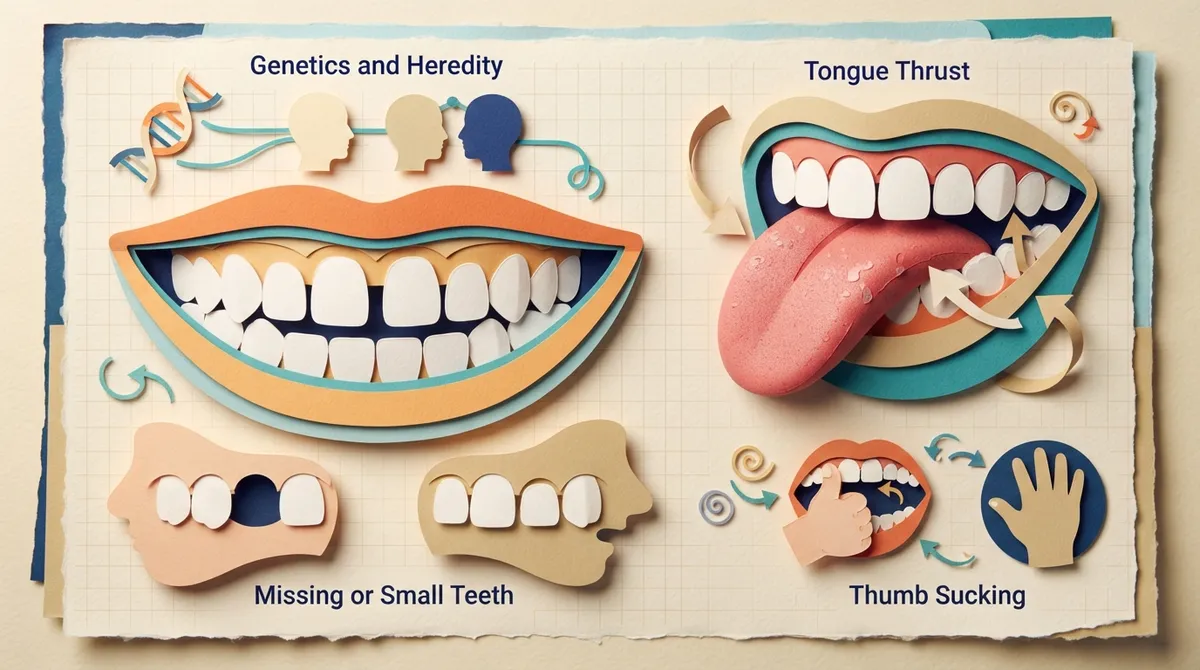
Spacing is more common than you might think. A gap between two teeth, especially the upper front ones, is called a diastema. But spacing can show up anywhere in the mouth. Knowing the cause matters, because a good plan fixes the cause and not just the gap you can see.
Common causes include:
- Normal growth: Kids often have gaps while permanent teeth come in.
- Tooth size and jaw size: Small teeth in a wide jaw leave extra room.
- Missing teeth: A gap can open when a tooth is absent or never formed.
- Habits: Tongue thrust or thumb sucking can push teeth apart over time.
- Gum disease: Weak support can let teeth drift and spread out.
- A large frenum: The small tissue band under the upper lip can hold front teeth apart.
This is why a quick online guess is not enough. A professional exam tells you what is really going on. If you want to read more about the basics, our guide on teeth spacing causes, treatments, and what to expect is a great companion to this article.

Will a Gap Close on Its Own?
Sometimes, yes! Research on the upper front gap shows how common it is in childhood. One review of the literature reports estimates of about 98% at age 6, around 49% at age 11, and about 7% among ages 12 to 18. These numbers come from specific studies, so they are not a promise for every child. But they show that many gaps shrink as permanent teeth erupt.
That is good news for parents of younger kids. A gap at age 7 may simply be part of growing up. Still, it is smart to have it checked. An early visit can confirm everything is on track, and you can learn more about timing in our early treatment information.
Adults are a different story. If a gap is new, or it is getting bigger, do not brush it off as a cosmetic quirk. It can be a sign of gum problems or shifting teeth, and it deserves an exam.
How Braces Close Gaps
Braces use brackets bonded to your teeth and a wire that guides them into place. Because they stay on all the time, they work around the clock. There is no tray to forget and no schedule to track.
Braces can be a strong choice when spacing comes with other issues. They give your orthodontist wide control over tooth movement, including root position and bite changes. If you want a deeper look at how they work, visit our page on all about braces.
When braces often make sense
- Gaps combined with crowding in another part of the mouth
- Larger gaps or several gaps at once
- Bite problems, such as an overbite or underbite, along with spacing
- Cases where teeth need to tip, rotate, or move bodily
- Patients who may struggle to wear aligners as directed
Braces come in a few styles. Metal braces are strong and reliable. Ceramic (clear) braces blend in more with your teeth. Both are available at our Clearwater office, and we can help you weigh the look against the budget.
How Clear Aligners Close Gaps
Clear aligners are custom trays that fit snugly over your teeth. You switch to a new set every so often, and each set nudges your teeth a little closer to the goal. They are removable, which makes eating and brushing simple.
Aligners are often considered for mild to moderate spacing. They are a favorite with teens and busy adults who want a discreet look. At Brockway Orthodontics, we offer Spark™ Clear Aligners, a more affordable alternative to Invisalign.
Here is the key thing to know. Aligners only work if you wear them. The American Association of Orthodontists describes typical wear as at least 22 hours a day, and you take them out only to eat and clean. Your own orthodontist may give you different instructions, so always follow your plan.
When aligners often make sense
- Mild to moderate gaps
- Healthy gums and a bite that is mostly in good shape
- Patients who want a nearly invisible option
- Teens and adults who can stay consistent with daily wear
Braces vs. Aligners for Spacing: Side-by-Side Comparison
Here is a quick look at how the two options compare for gap closure.
| Factor | Braces | Clear Aligners |
|---|---|---|
| Best suited for | Wider range of cases, including complex spacing and bite issues | Mild to moderate spacing |
| Appearance | Visible (metal) or less visible (ceramic) | Nearly invisible |
| Removable | No, fixed in place | Yes, for eating and cleaning |
| Patient effort | Careful cleaning and food choices | Wear about 22 hours a day |
| Eating | Avoid hard, sticky foods | Remove aligners, then brush before putting back in |
| Cleaning | Brush and floss around brackets and wires | Brush, floss, and rinse trays |
| Control over movement | Broad control | Good for many cases, with some limits |
No single option wins every time. That is why a personal exam matters so much. If you want to dig into the bigger comparison, our post on clear aligners vs. braces breaks it down further.
What Decides Which One Is Right for You?
Your orthodontist looks at the full picture before recommending a plan. There is no one-size-fits-all answer. Here are the main things we check.
- The cause of the gap. A habit, a missing tooth, and a gum issue each need a different approach.
- Gap size and location. A small front gap is different from several gaps across the arch.
- Your bite. Spacing with an overbite or underbite may call for more control.
- Root positions and gum health. Healthy support is a must before any teeth move.
- Missing teeth. Spaces may need to be closed, held, or prepared for a replacement tooth.
- Your lifestyle. Your age, your schedule, and how you feel about daily wear all count.
This is also why we always start with a full exam. Our first visit is relaxed and friendly, and you leave knowing your options.
The Midline Gap: A Special Case
The gap between the two upper front teeth gets lots of attention, and for good reason. It is easy to see, and it can be tricky to treat. Depending on the cause, care may include closing the gap with orthodontics, monitoring it over time, treating gum disease, managing the frenum, or adding restorative work.
You may hear about a frenectomy, which is a small procedure on the frenum. It can help in some cases, but it does not always keep a gap from reopening on its own. Often the best results come from a staged plan that treats the cause and then moves the teeth. Your orthodontist can tell you whether that step makes sense for you.
Tips for Different Audiences
For parents of kids and teens
If your child has a gap, try not to worry too soon. Many close naturally as new teeth arrive. A check-up around age 7 is a smart way to be sure. For older kids and teens, braces and aligners are both on the table. Our pages on adolescent treatment explain how we match the option to the teen.
For adults and busy professionals
Adults often love the discreet look of aligners. If you work in a busy job, the freedom to remove trays for a meeting lunch can be a real perk. If your case is more complex, braces may still be the better path. Learn more about adult treatment options at our office.
For patients with relapse
Did you have braces years ago and now notice new gaps? Teeth can shift when retainers are not worn. The good news is that many relapse cases can be treated again. We will look at why the teeth moved and build a plan that holds this time.
Do Not Skip the Retainer
This part is not glamorous, but it is the secret to a lasting smile. After braces or aligners, teeth want to drift back, and spaces can reopen. A retainer keeps everything where it belongs.
Wear your retainer exactly as your orthodontist directs. For many patients, that means long-term wear. Think of it as a small daily habit that protects all your hard work. You can learn about the options on our retainers page.
How Long Does Closing a Gap Take?
Timelines vary. A small gap with healthy teeth may close faster than several gaps with a bite problem. Your age, the cause, and how closely you follow your plan all play a part. After your exam, Dr. Brockway can give you a realistic estimate for your own smile. For a general idea, our guide on how long braces take to work is a helpful read.
Keeping Your Teeth Clean During Treatment
Good hygiene matters with either option. A few simple habits go a long way:
- Brush after meals, and floss daily
- With braces, clean carefully around brackets and wires
- With aligners, brush your teeth before putting trays back in
- Rinse your aligners and keep them in their case when not worn
- Keep up with your regular dental cleanings
What About Cost and Payment?
Cost is a big part of any decision, and we get it. The price depends on the type of treatment and the complexity of your case. We offer flexible options to help make care fit your budget. Take a look at our financing and insurance page to see how we can help.
Ready to Close the Gap?
So, are braces or aligners for spacing the better choice? It depends on you. Aligners shine for many mild to moderate gaps and offer a discreet look. Braces give broad control and can be ideal for trickier cases. The only way to know for sure is to have a trusted orthodontist look at your teeth and bite.
Dr. Brockway takes the time to listen, explain, and build a plan that fits your goals. Our team uses modern tools like digital impressions and 3D imaging to plan your care with care and comfort in mind. If you would like to see what other patients think, visit our Brockway Orthodontics location on Google and read the reviews.
Curious what your own smile needs? Book your free consultation online and let us help you find the right path to a gap-free, confident smile. You can also contact us with any questions. For more on finding a qualified specialist, the Florida Association of Orthodontists is a good resource. You can also learn about general oral health from the American Dental Association, and for more on your treatment options, see the American Association of Orthodontists guide to teeth spacing.
FAQs
Q: Are braces or clear aligners better for closing gaps between teeth?
A: Neither one is better for everyone! Both can close gaps, and the best choice depends on the cause, size, and location of the gap plus your bite. Aligners often suit mild to moderate spacing, while braces give broader control for more complex cases.
Q: Can clear aligners close a large gap or a midline diastema?
A: Sometimes they can, but it depends on the cause and what else is going on with your teeth and gums. A midline gap may need a staged plan, and your orthodontist will tell you whether aligners, braces, or a combined approach fits best.
Q: Will a gap between my child’s front teeth close on its own?
A: Often it does! Many gaps between the upper front teeth shrink as the permanent teeth come in. It is still a great idea to have your child checked so we can make sure everything is developing as it should.
Q: Can a gap reopen after braces or aligners?
A: Yes, it can if retainers are not worn as directed. Teeth naturally want to drift, so wearing your retainer as your orthodontist instructs, often long-term, is the best way to protect your results.
Q: Why are gaps appearing between my teeth as an adult?
A: New or growing gaps can come from gum disease, shifting teeth, habits like tongue thrust, or past orthodontic relapse. Because it may point to an underlying issue, it is worth getting a professional exam instead of assuming it is only cosmetic.
Our Service Area