Key Takeaways
-
Complete a dental checkup and treat any cavities or gum disease before getting braces, as the American Dental Association recommends resolving these issues first to protect your teeth during treatment.
-
Wear your retainer consistently after braces come off—full-time for the first three months, then nightly long-term—because teeth naturally shift back without retention and skipping this step is the most common reason people need braces twice.
-
Most braces treatment takes 12-24 months depending on complexity, with mild cases finishing in 6-12 months and complex bite corrections requiring 18+ months, so expect a personalized timeline from your orthodontist.
-
Maintain strict daily hygiene during treatment by brushing after meals, flossing daily with a threader, and rinsing with fluoride mouthwash to prevent cavities and gum irritation around brackets.
-
Avoid hard, sticky, and chewy foods like nuts, caramel, whole apples, and corn on the cob that can bend wires, pop brackets, or get trapped and cause decay.
-
Attend all follow-up retention visits in the first year after braces removal, as the first few months are most critical for preventing tooth relapse and catching small shifts early.
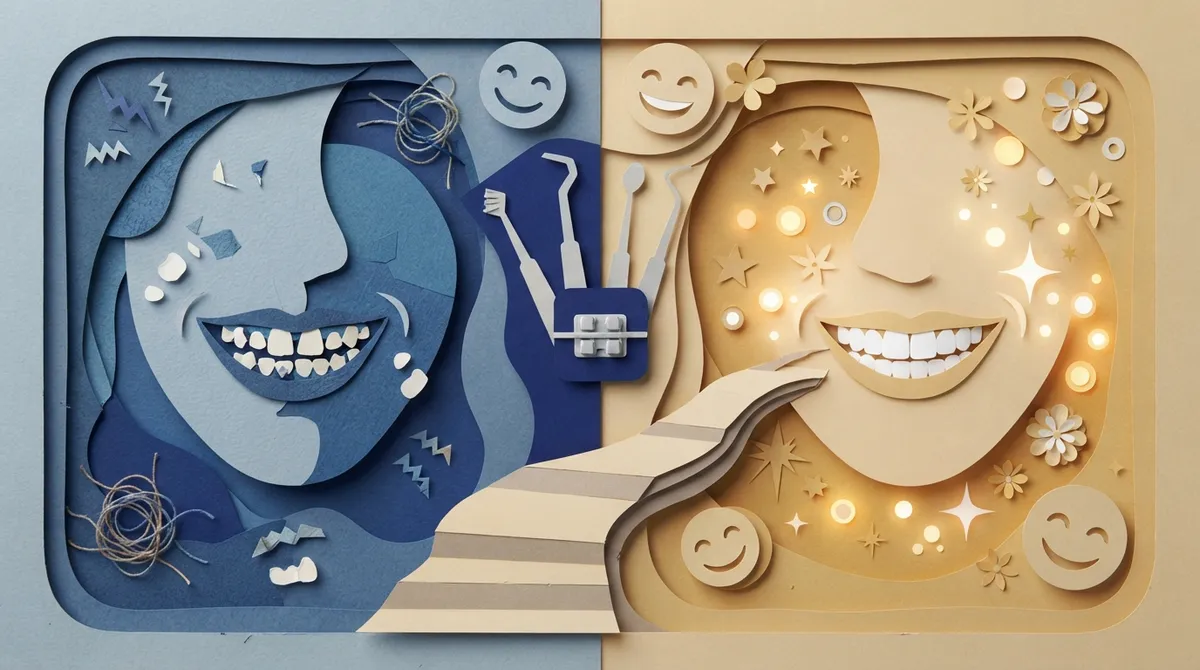
Ever scrolled through braces before and after photos and wondered what actually happens between that first picture and the last? You’re not alone. Almost every patient who walks into our Clearwater office has the same question: what’s really going to change, and how do I get there? The good news is that the journey from crooked, gapped, or crowded teeth to a confident smile is more predictable than you might think, especially when you know what to expect at each stage.
In this friendly guide, we’ll walk through the full story of braces before and after care. We’ll cover what to do before treatment starts, how to protect your smile during the months you’re wearing brackets and wires, and why the after phase matters just as much as the braces themselves. Whether you’re a parent helping your teen prepare, an adult ready for a smile upgrade, or someone dealing with relapse after old treatment, this article is for you.
Why Braces Before and After Matters So Much
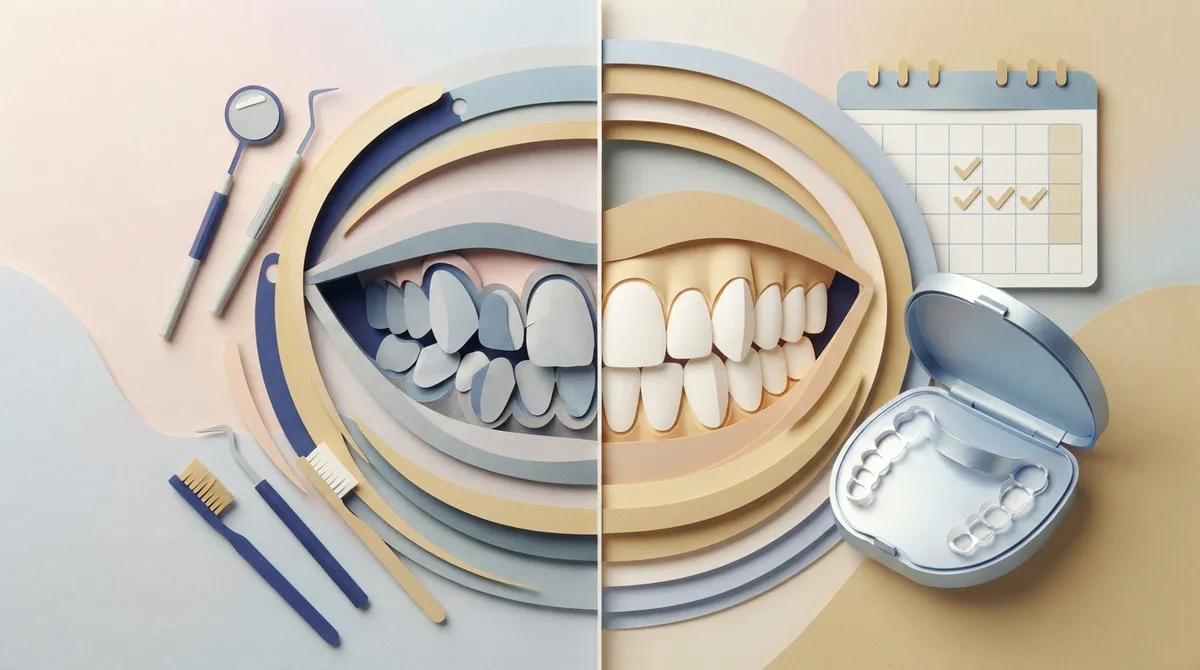
The phrase “braces before and after” isn’t just about dramatic photos. It represents three connected phases of care: preparation, active treatment, and retention. Skipping any one of these steps can slow your progress or even undo your results.
At Brockway Orthodontics, Dr. Brockway walks every patient through all three phases so nothing feels like a surprise. Understanding this timeline helps you stay motivated and gives you realistic expectations for your own smile transformation.
The Three Phases of Your Smile Journey
- Before braces: Consultation, exam, and getting your mouth ready for treatment.
- During braces: Active tooth movement, adjustments, and daily care habits.
- After braces: Retention, follow-up visits, and keeping your new smile in place.

Before Braces: Setting Yourself Up for Success
Good results start long before your brackets go on. This is the prep stage, and it’s more important than most people realize.
Step 1: Schedule Your Consultation and Exam
Every successful treatment begins with a thorough consultation. Your orthodontist will look at your teeth, jaw, and bite to build a plan that fits your specific needs. This is also your chance to ask questions and share your goals for your smile.
During your first visit, Dr. Brockway will take digital images and discuss which treatment option makes the most sense for you, whether that’s traditional metal braces, ceramic braces, or Spark™ Clear Aligners.
Step 2: Get a Dental Checkup First
Before braces go on, it’s smart to visit your general dentist for a cleaning. Any cavities or gum issues should be treated first. Putting braces on unhealthy teeth can make problems worse once brackets are in place.
The American Dental Association recommends resolving decay and gum disease before starting any orthodontic treatment. This simple step protects your teeth for the months ahead.
Step 3: Learn What to Expect
Knowing what’s coming makes the whole process feel less overwhelming. Here’s a quick list of things patients often prepare for before getting braces:
- Stocking up on soft foods for the first few days
- Buying orthodontic wax for comfort
- Setting reminders for oral hygiene routines
- Planning ahead for school or work schedules around appointments
- Reviewing insurance or financing and insurance options
During Braces: The Active Treatment Phase
This is where the real transformation happens. Your teeth gradually shift into their new positions through gentle, constant pressure from your braces or aligners.
How Long Does Treatment Typically Take?
Most patients wear braces for about 12 to 24 months, though this varies based on how much correction is needed. Some minor cases finish faster, while more complex bites may take longer. Your orthodontist will give you a personalized estimate at your consultation.
| Treatment Complexity | Typical Duration | Common Concerns Addressed |
|---|---|---|
| Mild crowding or spacing | 6-12 months | Minor gaps, slight overlap |
| Moderate misalignment | 12-18 months | Crowding, mild bite issues |
| Complex bite correction | 18-24+ months | Overbite, underbite, crossbite |
Daily Care Habits That Protect Your Progress
Good hygiene during treatment isn’t optional. It’s the difference between a smooth journey and one filled with cavities or gum irritation. Here’s what we recommend every day:
- Brush after every meal to remove trapped food
- Floss daily using a floss threader or water flosser
- Rinse with fluoride mouthwash to strengthen enamel
- Check brackets and wires for damage each morning
- Keep up with regular checkups at your general dentist
Our All About Braces guide covers even more detail on keeping your teeth healthy throughout treatment.
Foods to Avoid While Wearing Braces
Certain foods can bend wires, pop off brackets, or get stuck in ways that invite decay. Steering clear of these foods protects your treatment timeline.
- Hard candy, nuts, and ice
- Sticky treats like caramel or taffy
- Chewy bread or bagels
- Corn on the cob and whole apples (cut them up instead)
- Excess sugary drinks and snacks
Is Soreness Normal?
Yes! Mild discomfort in the first few days after getting braces or after an adjustment is completely normal. Your teeth are moving, and that takes a little getting used to. Over-the-counter pain relievers and soft foods usually help. If pain feels severe or doesn’t improve, give our office a call.
Braces Before and After: What Changes Do Patients See?
The transformation goes beyond straighter teeth. Many patients notice improvements in how they eat, speak, and even feel about smiling in photos. Here’s a simple comparison of common changes:
| Before Braces | After Braces |
|---|---|
| Crowded or overlapping teeth | Evenly spaced, aligned teeth |
| Difficulty cleaning between teeth | Easier brushing and flossing |
| Uneven bite causing jaw strain | Balanced bite and reduced strain |
| Self-conscious smiling | Confident, natural smiling |
| Higher risk of decay in tight spots | Lower risk with proper alignment |
Whether you’re considering treatment for your child, yourself, or exploring options after a past relapse, seeing these real changes can be incredibly motivating. If you’d like to explore which option fits your lifestyle, our services page breaks down every treatment we offer.
After Braces: The Retention Phase Nobody Should Skip
Here’s something many patients don’t expect: your teeth can shift back after braces come off if you don’t wear a retainer. This is why the after phase is just as important as the months spent in braces.
Why Retainers Are Non-Negotiable
Teeth naturally want to settle back toward their original positions. Retainers hold your new smile in place while your bone and gum tissue adjust to the changes. Skipping retainer wear is one of the most common reasons people need braces a second time.
Many practices recommend full-time retainer wear for the first three months after braces come off. After that, nighttime wear is usually enough to maintain results long term. Our retainers page explains the different types available and how to care for them.
Your Post-Braces Follow-Up Schedule
Staying on top of follow-up visits helps catch any small shifts before they become bigger problems. A typical schedule might look like this:
- A short check-in about one week after braces removal
- Follow-up visits every 3 to 6 months during the first year
- Annual retainer checks as part of your long-term dental care routine
The Florida Association of Orthodontists emphasizes that the first few months after braces removal are the most critical for retention success. This is exactly why we encourage patients not to skip these appointments.
What If My Teeth Have Already Shifted Back?
If you had braces years ago and now notice your teeth moving again, you’re not alone. Orthodontic relapse is common, especially for patients who stopped wearing retainers too soon. The good news is that retreatment is possible, often with shorter, more discreet options than your first round of braces. Many adults choose Spark™ Clear Aligners for this exact reason, since they’re comfortable, nearly invisible, and fit easily into a busy professional schedule.
Choosing the Right Treatment for Your Before and After Story
Not every smile journey looks the same. Some patients need traditional metal braces, while others prefer the subtlety of ceramic braces or clear aligners. Here’s a quick breakdown to help you think through your options:
- Metal braces: Durable, affordable, and great for complex bite corrections
- Ceramic braces: Tooth-colored brackets for a more discreet look
- Spark™ Clear Aligners: Removable, nearly invisible, ideal for busy adults and teens
Our team will walk you through the pros and cons of each so you can make a confident decision. Explore our adult treatment and adolescent treatment pages to see options tailored to your age and lifestyle.
What Makes Brockway Orthodontics Different
Dr. Brockway believes every patient deserves personalized care, not a one-size-fits-all treatment plan. She takes time to listen to your goals and explains every step clearly, so you always know what to expect. Our Clearwater office uses modern technology, including digital impressions and 3D imaging, to make your experience more comfortable and your results more precise.
We also understand that families are busy. That’s why we offer same-day treatment in certain cases, so you can get started without multiple extra visits. To see what our patients say about their own before and after experience, visit us on Google — Brockway Orthodontics.
Quick Recap: Your Braces Before and After Checklist
Let’s bring it all together with a simple checklist you can refer back to at any stage of your journey:
- Schedule a consultation and get a dental checkup before starting treatment
- Follow hygiene routines carefully during active treatment
- Avoid hard, sticky, and sugary foods that can damage braces
- Attend every adjustment appointment to stay on schedule
- Wear your retainer exactly as instructed once braces come off
- Keep up with follow-up visits during the first year of retention
Following this checklist gives you the best shot at a smooth journey and lasting results. You can also connect with our team on Facebook or Instagram to see real patient transformations and helpful tips along the way.
Ready to Start Your Own Smile Transformation?
Every beautiful before and after story starts with a single first step. If you’re ready to see what your smile could look like after treatment, our friendly Clearwater team is here to help. Book your appointment online today and let’s map out your personalized treatment plan together.
Still have questions about the process, cost, or timeline? We’re always happy to chat. Contact us anytime, and we’ll walk you through everything at your own pace, no pressure, just good information and a genuine smile.
FAQs
Q: What should I do before getting braces?
A: Before your braces go on, schedule a consultation with your orthodontist and get a dental cleaning to treat any cavities or gum issues. This simple prep work protects your teeth once brackets are placed. Our team will also walk you through what to expect so nothing feels like a surprise.
Q: What foods should I avoid with braces?
A: Steer clear of hard, sticky, and chewy foods like nuts, caramel, and whole apples. These can bend wires or pop brackets off, slowing your progress. We always tell patients to cut up crunchy foods and skip sugary snacks whenever possible.
Q: How long do braces usually take to work?
A: Most patients wear braces for about 12 to 24 months, though it really depends on your specific case. Mild crowding might resolve faster, while more complex bites take a bit longer. Your orthodontist will give you a personalized timeline at your first visit.
Q: Do teeth move back after braces are removed?
A: Yes, teeth can shift back if you skip wearing your retainer, which is why retention is such a big deal. Many practices recommend full-time wear for the first three months, then nighttime wear long term. Staying consistent is the secret to keeping your smile exactly where you want it.
Q: Is it normal for braces to hurt at first?
A: Absolutely, mild soreness in the first few days is totally normal as your teeth start shifting. It usually fades quickly, and soft foods along with over-the-counter pain relievers can help. If discomfort feels severe or doesn’t ease up, just give our office a call.
Our Service Area