Key Takeaways
-
Braces are the most reliable option for gaps larger than 6mm because they apply constant 24/7 pressure, while clear aligners work best for mild to moderate gaps if worn 20-22 hours daily with high patient discipline.
-
Gap closure timelines range from 4-12 months for single mild gaps to 12-24 months when bite correction is needed; composite bonding offers same-day results but only masks gaps without addressing underlying causes.
-
A thick or low-positioned frenum (tissue between front teeth and lip) may require a frenectomy procedure to prevent gap reopening after treatment, making this evaluation critical during initial consultation.
-
Retention is mandatory after gap closure treatment—teeth naturally shift back to original positions without nightly retainer wear or permanent bonded retainers, making this the most common reason for relapse.
-
Treatment costs range from $3,000-$7,000 for full orthodontic gap closure, while composite bonding costs significantly less but is only suitable for very small cosmetic gaps and may chip or stain over time.
-
Clear aligners like Spark™ trays move teeth in 0.25-0.3mm increments per tray and can rival braces for many gap cases when paired with tooth-colored attachments for improved grip and consistent wear compliance.
Got a gap between your front teeth that catches your eye every time you smile in photos? You’re not alone, and you’re in the right place. Gaps between teeth, known to orthodontists as diastemas, are one of the most common concerns we see at our Clearwater practice. The good news? Teeth gap closure is one of the most predictable and rewarding treatments in orthodontics today.
Whether you’re a parent noticing a gap in your child’s smile, a teen prepping for graduation photos, or an adult who’s finally ready to invest in yourself, this guide will walk you through your options. We’ll compare braces and clear aligners head-to-head, break down timelines and costs, and help you understand what actually causes gaps in the first place. By the end, you’ll feel confident about your next step.
What Exactly Is a Teeth Gap (And Why Does It Happen)?
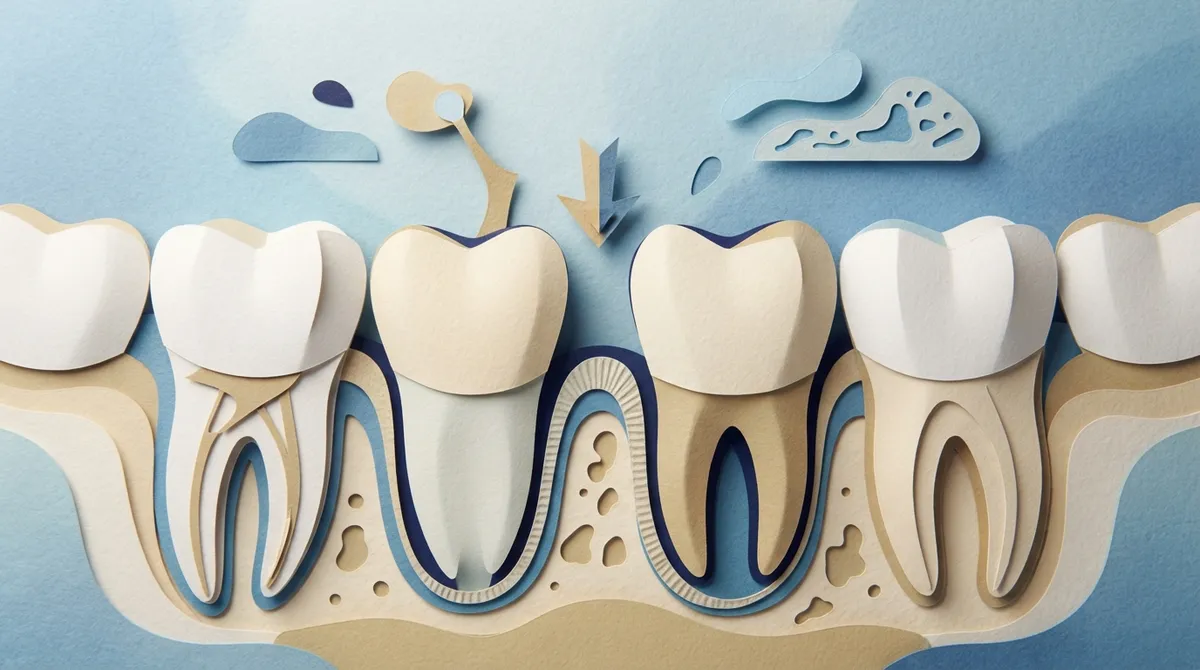
A diastema is simply a space between two teeth. Most orthodontists define it as any gap measuring 0.5 millimeters or larger. While gaps can appear anywhere in your mouth, they show up most often between the two upper front teeth.
Understanding the cause matters because it shapes your treatment plan. Here are the most common reasons gaps develop:
- Mismatched tooth and jaw size, leaving extra room between teeth
- A prominent labial frenum (the tissue connecting your lip to your gums) pulling teeth apart
- Missing or undersized teeth that leave empty space
- Childhood habits like thumb sucking or tongue thrusting
- Gum disease that causes teeth to shift and loosen over time
- Natural growth patterns, especially in kids losing baby teeth
Before starting treatment, Dr. Brockway evaluates your bite, root positions, and gum health. This helps her recommend the option that will actually last. You can learn more about what happens during this evaluation on our first visit page.
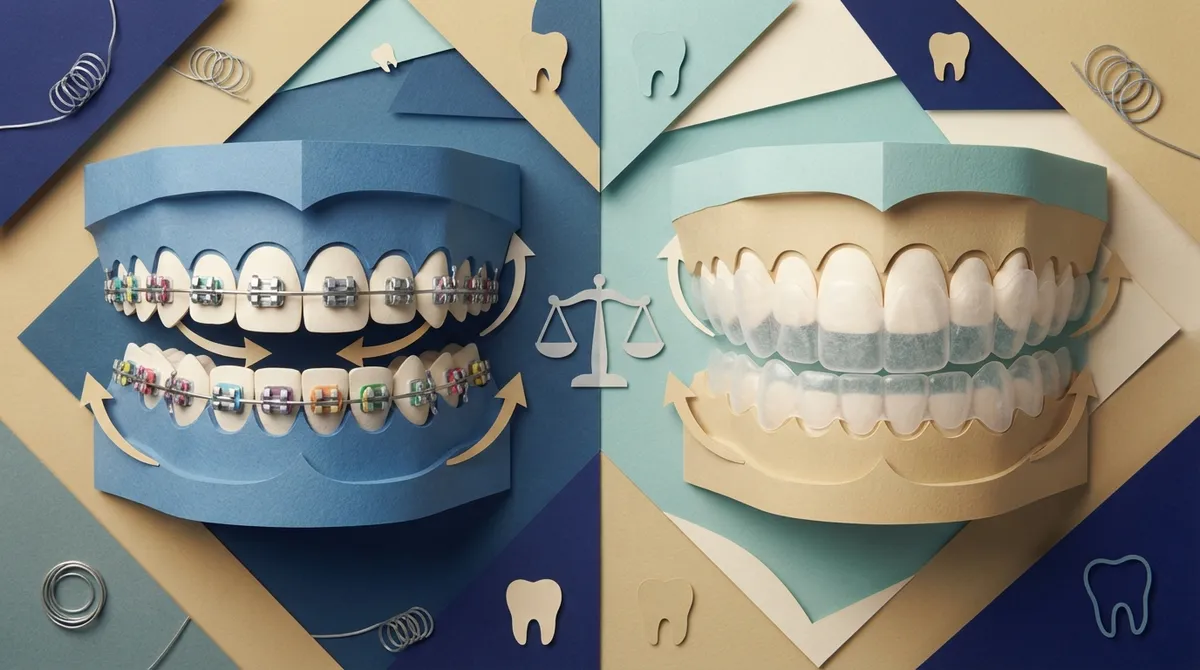
Braces vs. Clear Aligners for Gap Closure: The Real Comparison
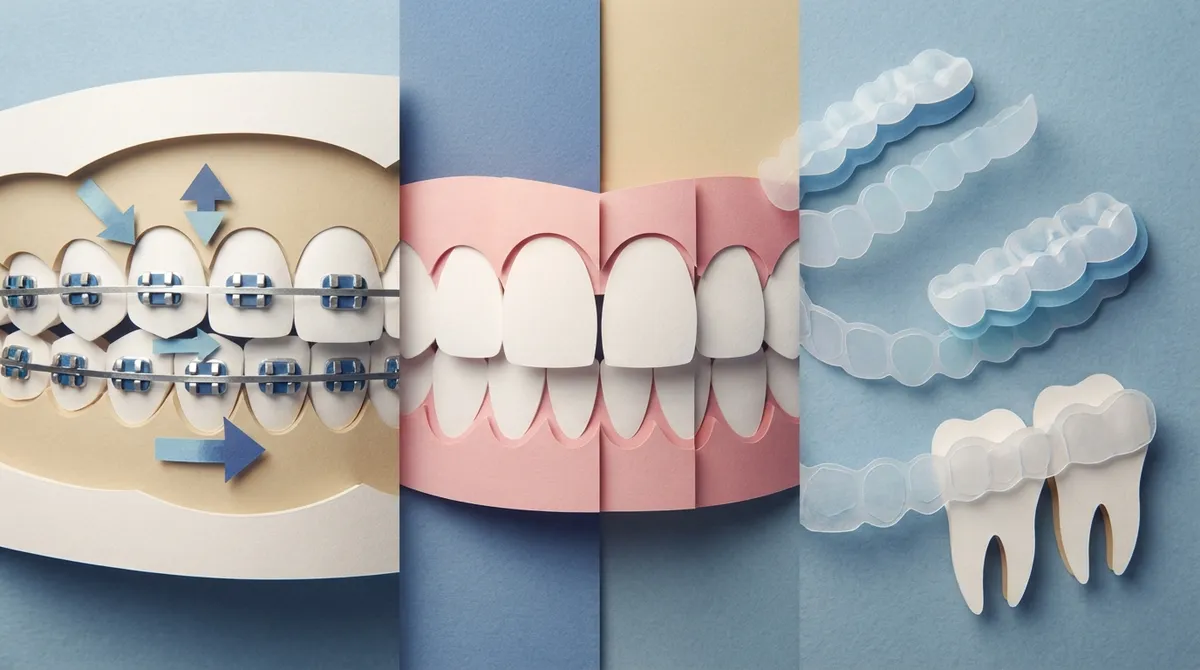
This is the question we hear most often. Both options can close gaps, but they work differently and suit different lifestyles. Let’s break it down.
| Factor | Traditional Braces | Clear Aligners |
|---|---|---|
| Force delivery | Constant, fixed force 24/7 | Depends on wear time (20-22 hrs/day) |
| Best for | Larger gaps, multiple spaces, bite issues | Mild to moderate gaps, discreet cases |
| Visibility | Visible (unless ceramic) | Nearly invisible |
| Patient compliance needed | Low (fixed to teeth) | High (must wear consistently) |
| Typical timeline for gap closure | 4-12 months for isolated gaps | Similar, but depends on wear discipline |
Braces are often considered the most reliable option for closing gaps because they apply steady, unrelenting pressure. They don’t rely on you remembering to put them back in after lunch. For gaps larger than 6mm, braces tend to offer more predictable results.
That said, clear aligners have come a long way. Our Spark™ Clear Aligners use a series of custom trays that shift teeth in small increments, often around 0.25 to 0.3 millimeters per tray. With attachments (small tooth-colored bumps that improve grip), orthodontist-led aligner treatment can rival braces for many gap cases.
When Braces Make More Sense
- You have multiple gaps throughout your mouth, not just one spot
- Your gap is larger than 6mm
- You also need bite correction alongside gap closure
- You’re a teenager who may not consistently wear removable trays
- Your orthodontist identifies root positioning issues that need precise control
When Clear Aligners Make More Sense
- Your gap is small to moderate in size
- You’re an adult professional who wants a discreet solution
- You’re disciplined about wearing trays as prescribed
- You want the flexibility to remove them for meals and events
- You’ve had orthodontic relapse and need a less noticeable retreatment
Our full All About Braces page and braces versus aligners guide dive deeper into these differences if you want more detail.
How Long Does Teeth Gap Closure Really Take?
Timelines vary based on gap size and whether other corrections are needed. Here’s a realistic breakdown:
| Case Type | Estimated Timeline |
|---|---|
| Single mild front-tooth gap | 4 to 12 months |
| Gap closure with full bite correction | 12 to 24 months |
| Composite bonding (non-orthodontic) | Same-day appointment |
If your gap is the only issue, you might be done faster than you think. But if your orthodontist finds bite problems along the way, treatment naturally takes longer to get lasting, healthy results.
What About Composite Bonding? Is It Ever a Better Choice?
Sometimes yes! Composite bonding involves applying a tooth-colored resin to fill in small gaps. It’s fast, often completed in one visit, and costs less upfront than orthodontic treatment.
However, bonding has real tradeoffs to know about:
- It only masks the gap; it doesn’t move the teeth or fix underlying causes
- Bonding material can chip or stain over time
- It’s best for very small, cosmetic-only gaps
- It won’t help with bite problems or multiple spacing issues
Many patients actually combine approaches. Orthodontic treatment closes the space properly, and bonding or veneers refine tooth shape afterward for a polished finish. This combo approach works especially well when tooth size, not just spacing, is part of the concern.
Do You Need a Frenectomy Before Gap Closure?
Sometimes a thick or low-positioned frenum (the tissue between your front teeth and upper lip) is the real reason a gap won’t stay closed. In these cases, your orthodontist may recommend a simple frenectomy procedure alongside treatment.
This isn’t necessary for every patient, but it’s an important evaluation step. Skipping it when needed is one of the top reasons gaps reopen after treatment. Dr. Brockway will assess this during your consultation and coordinate with a dental specialist if needed.
The Cost of Closing a Teeth Gap
Cost depends heavily on which treatment path you choose and how complex your case is. Here’s a general range based on industry data:
- Full orthodontic treatment (braces or aligners): roughly $3,000 to $7,000
- Composite bonding for small gaps: significantly less, but less durable
- Combined approaches (ortho plus bonding or veneers): varies by case complexity
We know cost is a real factor in your decision. That’s why we offer flexible financing and insurance options to make treatment fit your budget. Our team will walk you through every dollar during your consultation, no surprises.
Retention: The Step You Cannot Skip
Here’s something patients don’t always expect: gaps can reopen after treatment if you skip retention. Teeth naturally want to shift back to old positions, especially right after active treatment ends.
This is why every gap closure case at our practice includes a retention plan. Options include:
- Removable retainers worn nightly or as directed
- Fixed (permanent) retainers bonded behind front teeth
- Regular follow-up visits to monitor stability
Learn more about protecting your results on our retainers page. Skipping this step is one of the most common regrets we hear from relapse patients who return years later wanting a second round of treatment.
Gap Closure for Every Stage of Life
One of the best things about modern orthodontics is that gap closure works beautifully at almost any age. Here’s how we approach it for different patients:
- Kids and teens: Early evaluation catches gaps caused by habits or frenum issues before they worsen. Explore our adolescent treatment options.
- Teenagers: Many teens love aligners for social events like homecoming or graduation photos.
- Busy professionals: Discreet aligners let you close gaps without broadcasting it in every meeting. See our adult treatment page for details.
- Relapse patients: If your gap reopened after past treatment, we can create a targeted retreatment plan.
For younger patients, catching spacing issues early can prevent bigger problems later. Our early treatment guide explains why timing matters so much for growing smiles.
Why Choose Brockway Orthodontics for Your Gap Closure Journey
Dr. Brockway has built her Clearwater practice on genuine care, not just clinical skill. She takes time to understand your goals, whether that’s a subtle refinement or a full smile transformation. Every treatment plan starts with listening.
Our office uses modern technology like digital impressions and 3D imaging, so you skip the messy molds and get a precise, comfortable treatment plan from day one. We also offer same-day starts in many cases, because we know your schedule is packed enough already.
Curious what real patients say about their experience? You can visit us on Google — Brockway Orthodontics to read reviews from families across Clearwater and Pinellas County. We’re also active on Facebook and Instagram, where we share smile transformations and helpful tips every week.
For broader guidance on orthodontic best practices, organizations like the American Dental Association and the Florida Association of Orthodontists offer excellent patient resources worth exploring.
Your Next Step Toward a Gap-Free Smile
Closing a teeth gap isn’t just about looks, though we absolutely love seeing that confidence boost. It’s about protecting your bite, your gum health, and your smile for the long run. Whether braces or clear aligners fit your life better, the most important step is getting a professional evaluation.
Ready to see what your smile could look like? Book your free consultation online today, and let’s map out the fastest, most comfortable path to closing that gap for good. Have questions first? Reach out to our friendly Clearwater team anytime. We’re genuinely excited to meet you and your smile.
FAQs
Q: What causes gaps between teeth in orthodontics?
A: Gaps, or diastemas, usually come from mismatched tooth and jaw size, a prominent frenum, missing teeth, or childhood habits like thumb sucking. Gum disease can also cause teeth to shift apart over time. The good news is that once we find the cause, we can build a treatment plan that actually lasts!
Q: Can braces close a front tooth gap?
A: Absolutely, braces are often the gold standard for closing front tooth gaps because they apply steady, round-the-clock pressure. They’re especially great for larger gaps or when bite correction is needed too. Most single-gap cases close within 4 to 12 months, which honestly flies by!
Q: Can clear aligners close tooth gaps as well as braces?
A: Yes, clear aligners like our Spark™ trays can close mild to moderate gaps beautifully, especially with orthodontist-guided attachments. The key is wearing them 20-22 hours a day, since results depend on your consistency. If you’re disciplined, aligners can work wonderfully for a more discreet journey.
Q: Do tooth gaps reopen after orthodontic treatment?
A: They can, if you skip retention, which is why we never treat it as optional. Teeth naturally want to drift back to old positions right after treatment ends. Wearing your retainer as prescribed is truly the secret to keeping that beautiful gap-free smile forever.
Q: How much does orthodontic gap closure cost?
A: Full orthodontic treatment for gap closure typically ranges from $3,000 to $7,000, depending on complexity. Smaller cosmetic gaps might be addressed with composite bonding for less upfront cost. We offer flexible financing so you can find a plan that fits comfortably into your budget.
Our Service Area