Key Takeaways
-
Schedule your child's first orthodontic checkup by age 7 to catch developing issues early; early evaluation can lead to simpler treatment later by guiding natural growth before problems worsen.
-
Family orthodontic care consolidates treatment for all ages under one trusted provider, eliminating coordination between multiple offices and ensuring consistent, personalized care tailored to each family member's stage of life.
-
Retention is a lifelong commitment after braces come off; teeth naturally shift over time, so customized retainer plans are essential to protect years of treatment results and prevent relapse.
-
Adults are never too old for orthodontic treatment; discreet options like clear aligners and ceramic braces allow busy professionals to improve their smile without drawing attention to their treatment.
Picture this: you’re juggling soccer practice, work deadlines, and somehow trying to remember if your teenager’s braces checkup is this Tuesday or next. Now imagine you also need a consult for that bite issue you’ve been ignoring for years. Wouldn’t it be nice if one friendly team could handle all of it? That’s exactly what family orthodontic care is all about, and it’s why so many households across Clearwater trust Dr. Brockway to care for everyone under their roof, from wiggly-toothed seven-year-olds to busy working parents.
Family orthodontic care simply means one trusted practice supports your whole crew, at every age and every stage. Kids get early screenings, teens get braces or clear aligners, and grownups (yes, even you) can finally get that smile you’ve been dreaming about. This guide walks you through what family orthodontic care really looks like, when to start, and how to keep everyone smiling brightly for years to come.
What Is Family Orthodontic Care, Exactly?
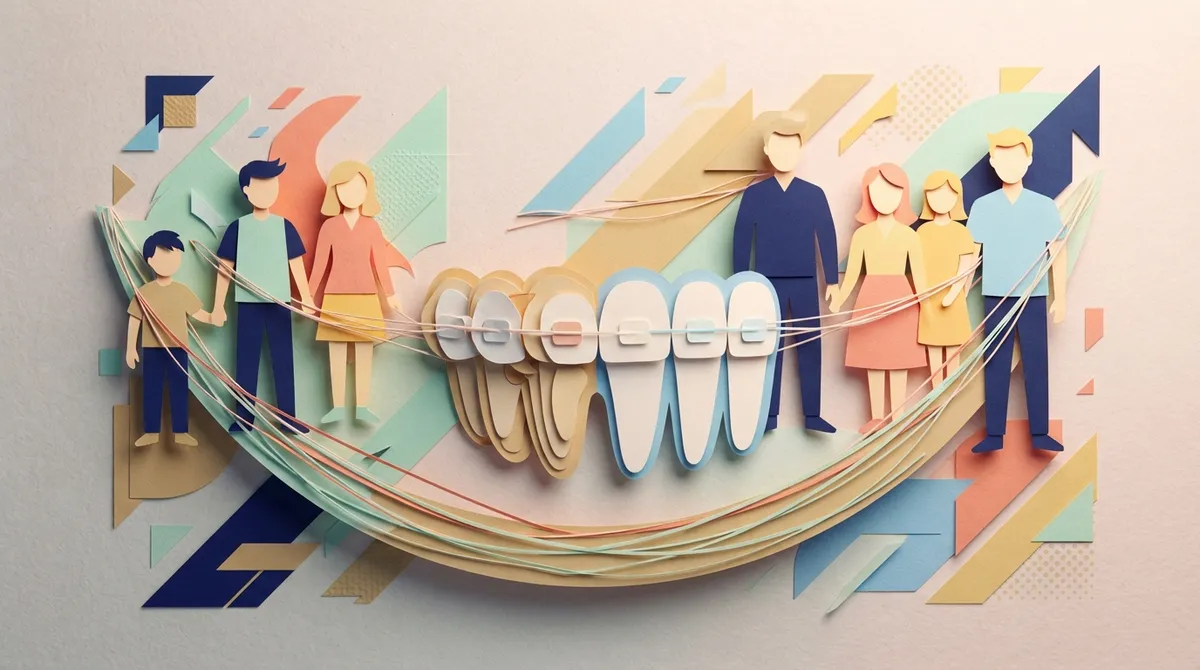
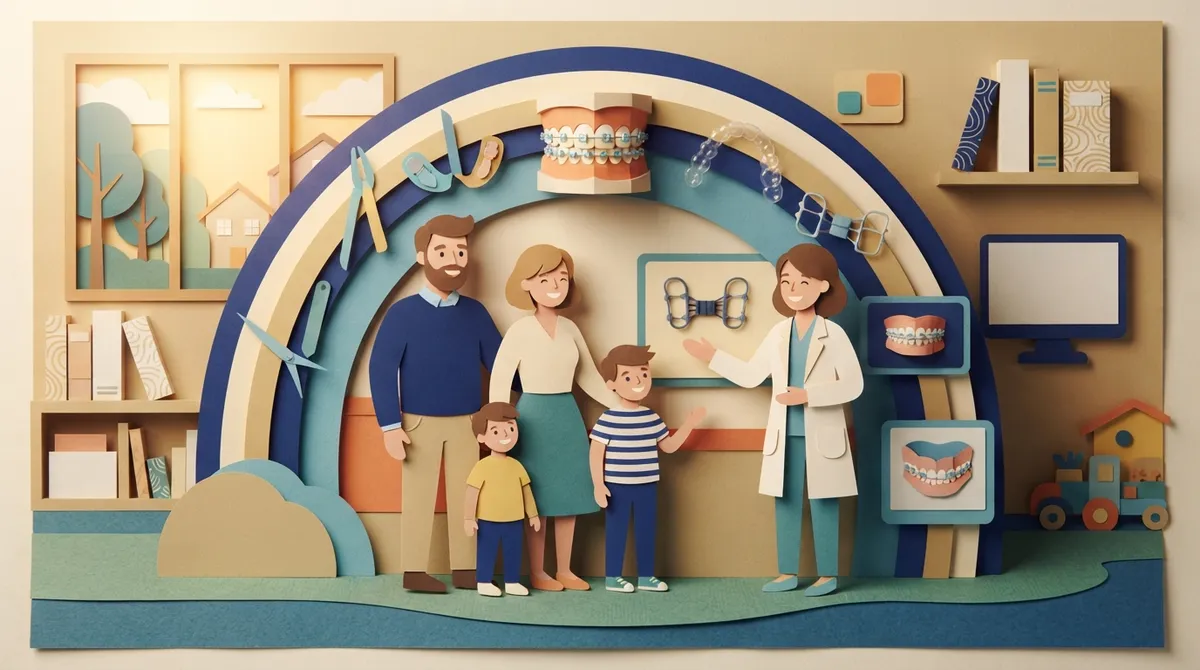
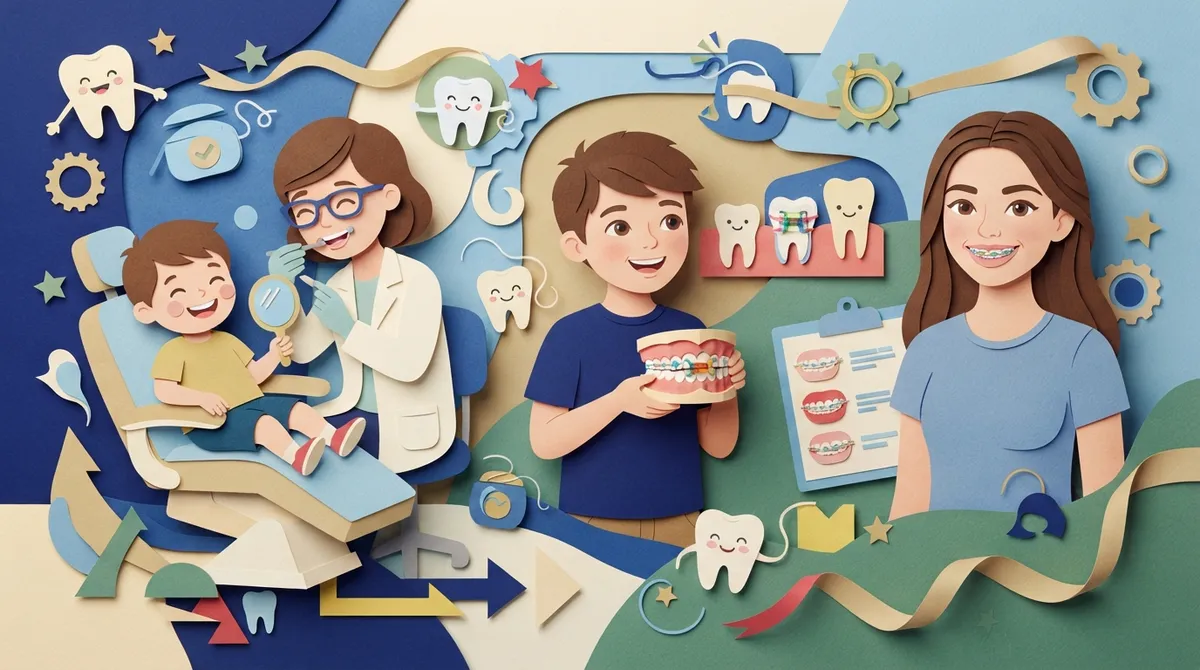
Family orthodontic care is a coordinated approach where a single orthodontic practice evaluates, treats, and monitors patients of all ages. Instead of bouncing between different offices, your whole family builds one relationship with a team who knows your history, your goals, and your smiles.
This kind of care typically includes:
- Early evaluations for young children to catch developing issues
- Interceptive treatment when growth guidance can help
- Braces or clear aligners for teens navigating school and social life
- Adult treatment options that fit busy careers and schedules
- Retention plans to protect results long after braces come off
Brockway Orthodontics proudly serves as a full-service orthodontic provider for Clearwater families, offering everything from traditional metal braces to Spark™ Clear Aligners, a more budget-friendly alternative to other clear aligner brands. Whatever stage your family is at, there’s a treatment path designed just for you.
When Should Kids First See an Orthodontist?
Here’s a fact that surprises a lot of parents: the American Association of Orthodontists recommends that every child get a first orthodontic checkup by age 7. At this age, kids usually have a mix of baby teeth and permanent teeth coming in, which gives an orthodontist a clear window into how the jaw and bite are developing.
But don’t panic. An age-7 checkup does not mean your child is getting braces tomorrow. Most kids at this age simply need monitoring. The visit is more like a smile check-in than a treatment plan. Our team walks you through early treatment options only if they’re truly needed, and we’ll explain everything in plain language so you’re never left guessing.
Signs Your Child May Need an Earlier Evaluation
Sometimes waiting until age 7 isn’t necessary. You should reach out sooner if you notice:
- Difficulty chewing or biting food comfortably
- Baby teeth falling out very early or very late
- Teeth coming in in unusual or crowded positions
- A jaw that shifts to one side or looks uneven
- Loud snoring, mouth breathing, or trouble sleeping
- Thumb-sucking or pacifier habits that continue past preschool age
Catching these signs early can sometimes mean simpler treatment later. Think of it like pulling a weed when it’s small versus when it’s taken over the whole garden.
What Happens During Early or Interceptive Treatment?
Early treatment, sometimes called interceptive treatment, is used when an orthodontist spots a problem that benefits from guidance while a child is still growing. This might include a crossbite, severe crowding, an unusually developing jaw, or teeth that are erupting in the wrong spot.
The goal isn’t to rush treatment. It’s to make the most of a child’s natural growth, creating space or guiding development so future treatment is simpler. Not every child needs this step, and that’s perfectly okay. Our first visit is designed to figure out exactly what your child needs, nothing more and nothing less.
Braces and Aligners for Teens
Ah, the teenage years. Between exams, sports, and social events, your teen’s smile matters more than ever. Family orthodontic care means we design treatment plans that fit real teenage life, not the other way around.
Many teens do wonderfully with traditional braces, while others prefer the near-invisible look of clear aligners. The right choice depends on the complexity of their bite, how responsible they are with wearing appliances, and honestly, their personal style preferences. Our adolescent treatment programs are built around flexibility, comfort, and confidence, because we know self-esteem matters just as much as straight teeth during these years.
Orthodontic Care Isn’t Just for Kids
Here’s something worth celebrating: you are never too old to improve your smile. Many adults in Clearwater are choosing orthodontic treatment for the first time, or coming back for a tune-up after their teeth shifted over the years.
Age alone doesn’t stop treatment from working. What matters more is your gum health, bone levels, any dental work you’ve had, and your overall medical history. That’s why every adult treatment plan starts with a thorough, honest conversation about what’s realistic for your smile goals. Our adult treatment options include discreet choices like ceramic braces and Spark™ Clear Aligners, both popular picks for professionals who want results without drawing attention to their treatment.
| Age Group | Common Treatment Options | Typical Focus |
|---|---|---|
| Children (ages 7 and under) | Monitoring, early evaluation | Screening for growth and eruption issues |
| Children (ages 7–10) | Interceptive treatment, expanders | Guiding jaw growth, creating space |
| Teens (ages 11–17) | Traditional braces, clear aligners | Full smile correction, bite alignment |
| Adults (18+) | Clear aligners, ceramic braces, metal braces | Discreet correction, retreatment, bite function |
Caring for Braces and Aligners as a Family
Good habits make a huge difference in how smoothly treatment goes, no matter your age. Cavities, gum irritation, and broken brackets are usually avoidable with a little daily effort.
Here are simple habits every family member should follow during treatment:
- Brush after meals and clean carefully around brackets or wires
- Limit sugary snacks and sticky candy that can damage appliances
- Avoid acidic drinks that wear down enamel around braces
- Attend every adjustment appointment, even when life gets busy
- Follow wear-time instructions closely if using clear aligners
According to the American Dental Association, consistent oral hygiene during orthodontic treatment significantly lowers the risk of decalcification and gum problems. We reinforce these habits at every visit, and our team is always happy to answer questions, whether you’re 8 or 48.
Retention: The Often-Overlooked Final Step
Here’s something we wish more people knew before starting treatment: getting your braces off isn’t the finish line. Retention is a lifelong part of orthodontic care, and skipping it can undo years of hard work.
Teeth naturally want to shift over time, especially right after treatment ends. That’s why we fit every patient, kids and adults alike, with a customized retainer plan. We’ll walk your whole family through wear schedules, cleaning tips, and when retainers typically need replacing, so your results truly last.
What Does Family Orthodontic Care Cost?
Treatment cost depends on several things: the complexity of the case, the type of appliance chosen, how long treatment takes, and where you live. There’s no single “average price” that applies to everyone, which is why we always recommend getting a personalized evaluation before assuming what you’ll pay.
The good news is that family orthodontic care often comes with financial perks. Many practices, including ours, offer multi-patient discounts, flexible monthly payment plans, and help navigating insurance benefits. Our financing and insurance page breaks down your options clearly, so budgeting for your family’s smiles feels a lot less overwhelming.
Do You Need a Dentist Referral First?
Good news here too: you don’t need a referral from your dentist to schedule an orthodontic consultation. Families can reach out directly to an orthodontist whenever they’re ready. That said, if your family dentist has spotted cavities, gum disease, or other issues, it’s smart to address those first so your orthodontic treatment starts on solid ground.
Organizations like the Florida Association of Orthodontists encourage families to feel empowered making this choice directly, without unnecessary delays.
Why Clearwater Families Choose Brockway Orthodontics
At Brockway Orthodontics, we treat your family like our family. Dr. Brockway brings genuine warmth and extensive training to every appointment, taking time to actually listen to your concerns and goals instead of rushing through a checklist.
We’ve invested in modern technology like digital impressions and 3D imaging, so no more messy molds and much more precise treatment planning. In certain situations, we can even offer same-day treatment starts, because we know your family’s schedule is already packed enough. Curious what other patients think? Feel free to visit us on Google — Brockway Orthodontics and read real reviews from local families just like yours. You can also connect with us on Facebook or follow along on Instagram for smile transformations and community updates.
Ready to Bring Your Whole Family In?
Family orthodontic care means fewer separate appointments, more consistency, and a team that genuinely knows your family’s story. Whether it’s your seven-year-old’s first screening, your teenager’s braces journey, or your own long-overdue smile makeover, Brockway Orthodontics is here for every chapter.
Ready to get started? Book your appointment online today, or reach out to our friendly Clearwater team with any questions you have along the way.
FAQs
Q: What is family orthodontic care?
A: Family orthodontic care means one trusted practice supports your whole household, from early childhood screenings to teen braces to adult treatment. It’s all about building one relationship instead of juggling multiple providers, so your family gets consistent, personalized care at every age.
Q: When should my child first see an orthodontist?
A: The American Association of Orthodontists recommends a first checkup by age 7. Don’t worry though, this is just a screening visit, and most kids simply get monitored rather than starting treatment right away.
Q: Does an age-7 checkup mean my child needs braces?
A: Not at all! Many children just need periodic monitoring while their permanent teeth come in. Only some kids show signs that call for early treatment, and we’ll always explain exactly why if that’s the case.
Q: Can my whole family see the same orthodontist?
A: Absolutely, and it’s actually one of the best perks of family orthodontic care. Whether it’s your seven-year-old, your teenager, or you, Brockway Orthodontics welcomes patients of every age under one friendly roof.
Q: Are clear aligners or braces better for teens?
A: It really depends on your teen’s bite complexity, lifestyle, and how responsible they are with removable appliances. We’ll walk through both options together so your teen ends up with a plan they’ll actually stick with.
Our Service Area