

Finding the right orthodontist as an adult requires careful consideration of several factors, from treatment options to professional expertise. Whether you’re addressing long-standing dental concerns or seeking aesthetic improvements, selecting a qualified orthodontist who specializes in adult care can significantly impact your treatment experience and results. Adult orthodontic treatment has become increasingly common, with approximately one in four orthodontic patients now being adults seeking to improve their oral health and confidence through straighter teeth.
The decision to pursue orthodontic treatment as an adult represents an investment in both your health and self-esteem. Unlike childhood orthodontics, adult treatment often involves unique considerations such as existing dental work, bone density concerns, and specific lifestyle requirements. Understanding what to look for in an orthodontist and what treatment options are available will help you make an informed decision that aligns with your personal and professional needs.
Why Adults Seek Orthodontic Treatment

Many adults pursue orthodontic care for reasons that extend beyond cosmetic improvements. Misaligned teeth can contribute to various oral health issues, including uneven wear patterns, jaw pain, difficulty cleaning between teeth, and increased risk of tooth decay and gum disease. Addressing these concerns through orthodontic treatment can prevent more serious dental problems in the future and improve overall oral function.
Professional and social considerations also motivate adults to seek orthodontic care. A confident smile can positively impact career opportunities, social interactions, and personal relationships. Modern orthodontic options offer discreet treatment methods that allow adults to straighten their teeth without the conspicuous appearance of traditional metal braces, making the process more appealing for those concerned about professional image.
Additionally, many adults who had orthodontic treatment in their youth may experience tooth shifting over time, particularly if retainer wear was inconsistent. These individuals often return to orthodontic care to restore their previous smile alignment and prevent further movement.
What Makes an Orthodontist Qualified to Treat Adults
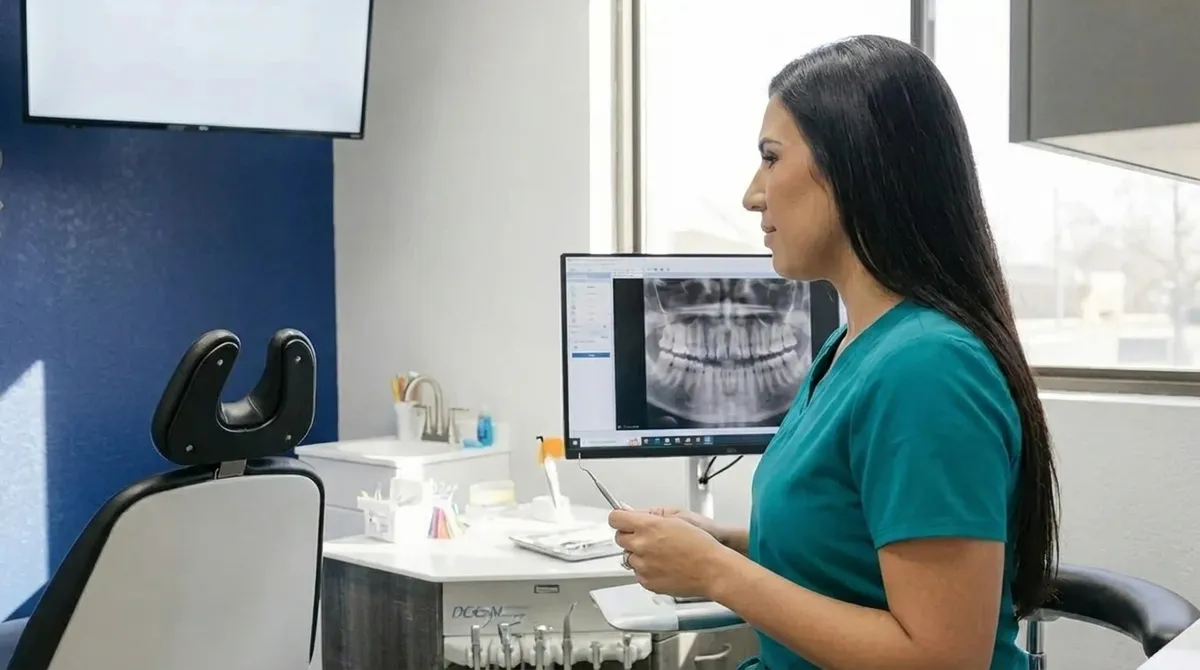
Orthodontists undergo extensive specialized training beyond dental school, completing an additional two to three years of residency focused exclusively on tooth movement and facial development. This advanced education equips them with the expertise necessary to address complex alignment issues that adults frequently present. According to the American Dental Association, only dentists who have completed this specialized training can call themselves orthodontists.
Adult orthodontic cases often involve complications such as previous dental work, missing teeth, bone loss, or periodontal concerns that require sophisticated treatment planning. A qualified orthodontist possesses the knowledge to work collaboratively with other dental specialists, ensuring comprehensive care that addresses all aspects of oral health while achieving optimal alignment results.
When searching for an orthodontist for adults, verify their credentials through professional organizations like the Florida Association of Orthodontists. Board certification demonstrates a commitment to continuing education and adherence to the highest standards of patient care.
Modern Orthodontic Treatment Options for Adults
Clear Aligners
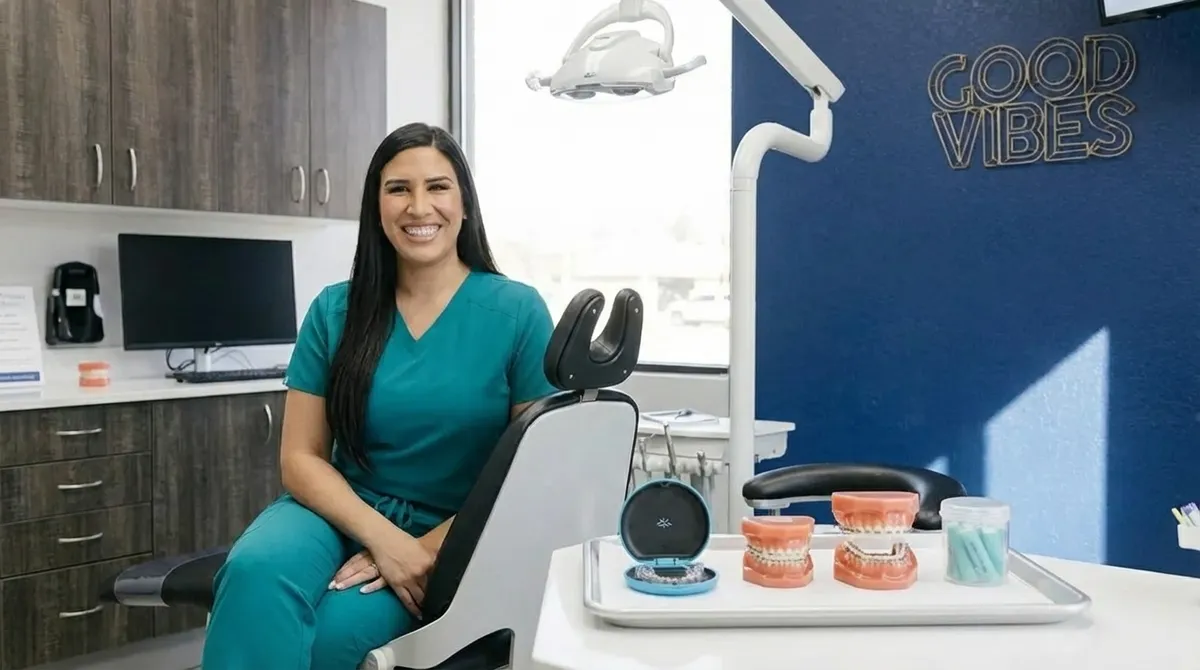
Clear aligner systems have revolutionized adult orthodontics by offering a nearly invisible treatment method that fits seamlessly into professional and social lifestyles. These custom-made, removable trays gradually shift teeth into their desired positions through a series of progressive adjustments. Spark™ Clear Aligners represent one of the most advanced options available, combining aesthetic appeal with effective treatment capabilities.
The removable nature of clear aligners allows for easier oral hygiene maintenance and dietary freedom, as patients can remove them during meals and for brushing and flossing. Treatment duration typically ranges from six months to two years, depending on the complexity of the case and patient compliance with wearing the aligners for the recommended 20-22 hours daily.
Traditional and Ceramic Braces
While clear aligners have gained popularity, traditional braces remain an effective and sometimes necessary option for complex orthodontic cases. Modern braces have evolved significantly, offering smaller, more comfortable brackets and more efficient tooth movement than previous generations. Ceramic braces provide a more aesthetic alternative to metal braces, using tooth-colored brackets that blend with natural tooth enamel.
Braces may be recommended for adults with severe misalignment, significant bite issues, or rotation problems that require precise control over tooth movement. The fixed nature of braces ensures consistent force application, which can lead to more predictable results in complex cases.
Lingual Braces
Lingual braces offer complete invisibility by placing brackets on the back surfaces of teeth rather than the front. This option appeals to adults who need the effectiveness of traditional braces but prefer a completely hidden treatment method. While more challenging to adjust and potentially affecting speech initially, lingual braces provide powerful results without compromising appearance.
|
Treatment Type |
Visibility |
Average Duration |
Best For |
|---|---|---|---|
|
Clear Aligners |
Nearly Invisible |
12-24 months |
Mild to moderate cases, lifestyle flexibility |
|
Ceramic Braces |
Low Visibility |
18-36 months |
Complex cases requiring precise control |
|
Metal Braces |
Visible |
18-36 months |
Severe misalignment, most cost-effective |
|
Lingual Braces |
Completely Hidden |
18-36 months |
Adults wanting hidden treatment with maximum control |
How to Find the Right Orthodontist Near You

Research and Credentials Verification
Begin your search by identifying orthodontists in your geographic area who specialize in adult treatment. Online reviews, professional association directories, and recommendations from your general dentist can provide valuable starting points. Verify that candidates have completed accredited orthodontic residency programs and maintain active licensure in your state.
Examine each orthodontist’s experience specifically with adult patients, as treating adults requires different approaches than treating children and adolescents. Adult bone structure is fully developed, which can affect treatment planning and duration. An orthodontist with extensive adult experience will understand these nuances and develop appropriate treatment strategies.
Consultation Experience
Schedule initial consultations with two or three orthodontists to compare their approaches, office environments, and communication styles. A thorough consultation should include a comprehensive examination, diagnostic imaging, discussion of treatment options, timeline estimates, and cost breakdown. Pay attention to how the orthodontist and staff answer your questions and whether they take time to address your concerns.
Dr. Brockway and similar experienced orthodontists understand that adult patients have unique considerations regarding treatment timing, aesthetic preferences, and lifestyle integration. The consultation should leave you feeling informed, comfortable, and confident in the proposed treatment plan.
Office Location and Scheduling Flexibility
Consider the practical aspects of orthodontic treatment, including office location relative to your home or workplace and availability of appointment times that fit your schedule. Adult orthodontic treatment typically requires visits every four to eight weeks, making convenience an important factor in maintaining consistent attendance and treatment progress.
Evaluate the office’s technology and amenities, as these can enhance your treatment experience. Digital imaging, 3D treatment planning, and online appointment scheduling demonstrate a commitment to modern, patient-centered care.
What to Expect During Adult Orthodontic Treatment
Initial Assessment and Treatment Planning
Your orthodontic journey begins with a comprehensive evaluation that includes dental impressions or digital scans, X-rays, and photographs of your teeth and face. These diagnostic tools allow the orthodontist to analyze your bite relationship, jaw alignment, and tooth positioning from multiple angles. The orthodontist will discuss your goals, concerns, and expectations to develop a customized treatment plan.
Treatment planning for adults often involves coordination with other dental professionals if you have existing restorations, missing teeth, or periodontal issues. This collaborative approach ensures that all aspects of your oral health are considered and that orthodontic treatment complements rather than compromises other dental work.
The Treatment Process
Once treatment begins, you’ll attend regular adjustment appointments where the orthodontist monitors progress and makes necessary modifications. With traditional braces, these visits involve tightening wires and potentially replacing components. Clear aligner patients receive new sets of aligners at predetermined intervals and undergo progress checks to ensure teeth are moving as planned.
Throughout treatment, maintaining excellent oral hygiene becomes crucial. Adults may be more susceptible to gum disease and tooth decay, making meticulous cleaning essential. Your orthodontist will provide specific instructions for cleaning around brackets or caring for aligners to prevent complications.
Retention Phase
After active treatment concludes, the retention phase begins. Retainers maintain your newly aligned teeth in their corrected positions while surrounding tissues stabilize. Adults typically require long-term or permanent retention due to the natural tendency of teeth to shift throughout life. Following retention protocols diligently ensures lasting results from your orthodontic investment.
Cost Considerations and Payment Options
Adult orthodontic treatment costs vary significantly based on treatment complexity, chosen method, and geographic location. Clear aligner treatment typically ranges from $3,000 to $8,000, while traditional braces may cost between $3,000 and $7,000. Complex cases requiring longer treatment or specialized techniques may exceed these ranges.
Many orthodontic practices offer flexible payment plans that make treatment accessible without requiring full payment upfront. Monthly payment options spread costs over the treatment duration, often without interest charges. Additionally, some dental insurance plans provide partial coverage for adult orthodontics, though coverage amounts and age limits vary by policy.
Health Savings Accounts (HSAs) and Flexible Spending Accounts (FSAs) can be used for orthodontic expenses, providing tax advantages that effectively reduce overall costs. When comparing orthodontists, request detailed cost estimates that include all treatment phases, retention appliances, and any anticipated additional procedures.
Common Concerns About Adult Orthodontic Treatment
Treatment Duration
Adults frequently worry about how long treatment will take, particularly when compared to adolescent orthodontics. While adult treatment may take slightly longer due to denser bone structure and established bite patterns, modern techniques have significantly reduced treatment times. Most adult cases complete within 18 to 24 months, with some minor adjustments taking as little as six months.
Discomfort and Adjustment
Initial discomfort when starting orthodontic treatment or receiving adjustments is normal and typically subsides within a few days. Over-the-counter pain relievers and soft foods can help manage temporary soreness. Adults often adapt quickly to appliances, and any speech changes with lingual braces or aligners usually resolve within one to two weeks.
Impact on Professional Life
Concerns about professional appearance drive many adults toward discreet treatment options. Clear aligners and ceramic braces minimize visibility, allowing you to undergo treatment without significant impact on professional image. Most colleagues and clients won’t notice your orthodontic appliances, especially with clear aligner systems.
The Benefits of Choosing a Specialized Orthodontic Practice
Selecting a practice dedicated exclusively to orthodontics ensures access to the most current treatment methods and specialized expertise. Comprehensive orthodontic services provided by specialists like Brockway Orthodontics offer patients the advantage of focused experience with thousands of cases across all age groups and complexity levels.
Specialized practices invest in advanced diagnostic and treatment technologies specifically designed for orthodontic applications. This commitment to specialized equipment and continuing education translates into more efficient treatment, greater comfort, and superior results for adult patients.
The team approach in dedicated orthodontic practices means every staff member focuses on orthodontic care exclusively, developing expertise in patient education, appliance management, and treatment coordination. This specialized knowledge enhances your experience from initial consultation through retention.
Making Your Decision and Taking the Next Step
Choosing to pursue orthodontic treatment as an adult represents a significant but rewarding decision. After researching options, verifying credentials, and attending consultations, trust your instincts about which orthodontist makes you feel most comfortable and confident. The relationship you build with your orthodontist spans many months, making personal compatibility and communication style important factors.
Consider creating a comparison chart of the orthodontists you’ve consulted, noting treatment approaches, costs, office atmospheres, and your overall impressions. This visual reference can help clarify your decision when choosing between similar options.
Take time to review before-and-after cases of adult patients treated by your potential orthodontist. Many practices showcase results through social media platforms and websites, providing insight into the quality of outcomes you can expect.
Once you’ve made your decision, don’t delay starting treatment. Orthodontic issues don’t improve with time and may actually worsen, potentially requiring more extensive intervention later. Early treatment often means shorter duration and less complex procedures. Visit us on Google to see what current patients are saying about their experiences and results.
Your journey to a healthier, more confident smile begins with that first consultation. Modern adult orthodontics offers effective, discreet solutions that fit seamlessly into your lifestyle while delivering the functional and aesthetic improvements you deserve. The investment you make in your smile pays dividends in improved oral health, increased confidence, and enhanced quality of life for years to come.
Ready to transform your smile with expert orthodontic care? Schedule your complimentary consultation today and discover how personalized adult orthodontic treatment can help you achieve the smile you’ve always wanted. Our experienced team specializes in creating customized treatment plans that address your unique needs while respecting your lifestyle and professional commitments.
FAQs
Q: How long does orthodontic treatment take for adults?
A: Adult orthodontic treatment typically takes between 12 to 24 months, depending on the complexity of your case and the treatment method chosen. Minor adjustments may be completed in as little as six months, while more complex cases involving significant bite corrections may require up to 36 months. Your orthodontist will provide a specific timeline during your consultation based on your individual needs.
Q: Are clear aligners as effective as traditional braces for adults?
A: Clear aligners are highly effective for treating mild to moderate orthodontic issues in adults, including crowding, spacing, and certain bite problems. However, traditional braces may be more appropriate for complex cases involving severe misalignment, significant rotations, or vertical tooth movement. Your orthodontist will recommend the most effective treatment option based on your specific dental needs and treatment goals.
Q: Will orthodontic treatment be painful as an adult?
A: While you may experience some discomfort during the initial adjustment period and after routine tightening appointments, most adults find orthodontic treatment manageable with over-the-counter pain relievers and soft foods. The discomfort typically subsides within a few days and decreases as treatment progresses. Modern orthodontic techniques have significantly reduced discomfort compared to older methods, making adult treatment more comfortable than ever.
Q: Does dental insurance cover orthodontic treatment for adults?
A: Coverage varies significantly by insurance plan, with some policies offering partial coverage for adult orthodontics while others exclude adult treatment entirely. Typical coverage ranges from $1,000 to $2,000 when available. Contact your insurance provider to understand your specific benefits, including any age restrictions or lifetime maximum limitations that may apply to orthodontic care.
Q: Can I get orthodontic treatment if I have existing dental work?
A: Yes, most adults with existing dental work such as crowns, bridges, or implants can successfully undergo orthodontic treatment. Your orthodontist will carefully evaluate your dental restorations and develop a treatment plan that works around them. In some cases, coordination with your general dentist or other specialists may be necessary to ensure optimal results while preserving your existing dental work.