
Key Takeaways
-
Wear retainers after treatment ends — skipping this step is the number one cause of orthodontic relapse and teeth shifting back to their original positions.
-
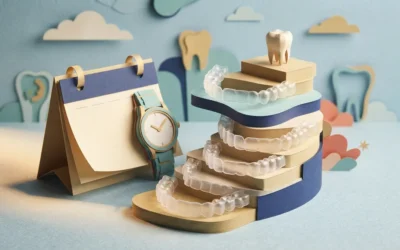
Clear aligners need to be worn 20-22 hours daily to be effective, and treatment typically takes 12-24 months compared to 18-36 months for traditional braces.
-
Orthodontic treatment costs range from $3,000-$8,500 depending on the type, but many practices offer flexible payment plans and accept dental insurance to make care affordable.
-
Schedule your child’s first orthodontic evaluation by age 7, as early treatment can guide jaw growth and prevent more serious alignment issues later on.
-
Modern technology like AI-based treatment planning, 3D imaging, and intraoral scanners now makes orthodontic treatment faster, more accurate, and more comfortable than ever before.
-
Maintain strict oral hygiene during treatment by brushing and flossing diligently, as plaque buildup can cause cavities and slow down tooth movement progress.
Getting orthodontics care is one of the best investments you can make for your smile — and your overall health. Whether you’re a parent exploring options for your child, a teen excited about a straighter grin, or an adult ready to finally tackle that crooked bite, orthodontic treatment has something for everyone. The good news? It’s more accessible, comfortable, and effective than ever before in 2026.
This guide walks you through everything you need to know to make the most of your orthodontics journey. From choosing the right treatment to keeping your teeth healthy throughout the process, we’ve got you covered. Think of it as your friendly roadmap to a healthier, happier smile!

Understanding What Orthodontics Care Actually Involves
Orthodontics care is much more than just braces on teeth. It’s a specialized branch of dentistry focused on diagnosing, preventing, and correcting misaligned teeth and jaws. According to the American Dental Association, malocclusion (misaligned bite) is one of the most common dental issues affecting both children and adults worldwide.
Orthodontic treatment uses a variety of tools and techniques to gently move teeth into better positions over time. These tools include traditional braces, clear aligners, retainers, and more. The goal is to improve both function and appearance — so you can chew properly, speak clearly, and smile confidently.
Here’s a quick look at the most common orthodontic concerns that bring patients in for care:
- Crowded or overlapping teeth — one of the most frequent reasons people seek treatment
- Overbite or underbite — when the upper or lower jaw doesn’t align properly
- Gaps between teeth — spaces that can affect function and aesthetics
- Crossbite — when upper and lower teeth don’t meet symmetrically
- Open bite — when front teeth don’t touch when the mouth is closed

Step-by-Step Guide to Getting Started with Orthodontics Care
Starting your orthodontic journey doesn’t have to feel overwhelming. Here’s a simple step-by-step process to follow so you know exactly what to expect from day one.
Step 1: Schedule a Consultation
Your first step is booking an initial consultation with an orthodontist. This visit is typically free and gives the doctor a chance to evaluate your teeth, jaws, and bite. At Brockway Orthodontics, for example, you can schedule a free consultation online to get started without any pressure. Your first visit sets the tone for your entire treatment journey.
Step 2: Get a Full Diagnostic Workup
During your consultation, the orthodontist will take X-rays, 3D scans, or photographs of your teeth. Modern intraoral scanners make this process fast and comfortable — no messy molds required! This data helps create a precise treatment plan tailored just for you.
Step 3: Choose Your Treatment Type
Based on your diagnosis, you’ll discuss treatment options with your orthodontist. Today’s choices are better than ever. You can explore all available services to find the best fit for your lifestyle and goals.
Step 4: Begin Treatment and Attend Regular Appointments
Once treatment starts, you’ll visit your orthodontist every 6 to 10 weeks for adjustments or progress checks. These visits are quick and ensure your teeth are moving on track.
Step 5: Transition to Retention Phase
After active treatment ends, you’ll wear a retainer to keep your teeth in their new positions. Learn more about retainers and how they protect your results long-term. This step is crucial — skipping it is the number one cause of orthodontic relapse.

Comparing Your Main Treatment Options
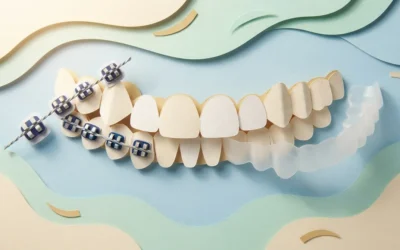
Choosing between braces and clear aligners is one of the biggest decisions in orthodontics care. Here’s a helpful side-by-side comparison to make the choice easier:
| Feature | Traditional Braces | Clear Aligners |
|---|---|---|
| Visibility | Noticeable (metal brackets) | Nearly invisible |
| Removability | Fixed (not removable) | Removable for meals and brushing |
| Comfort | Can cause mild irritation | Smooth, comfortable plastic |
| Best For | Complex alignment cases | Mild to moderate cases, aesthetics-focused patients |
| Maintenance | Avoid sticky/hard foods | Clean aligners regularly |
| Treatment Time | 18–36 months (avg.) | 12–24 months (avg.) |
Clear aligners are among the fastest-growing treatment options in orthodontics, thanks to innovations in thermoplastic materials and digital planning. If you’re curious about this option, check out Spark™ Clear Aligners — a popular choice for patients who want a discreet, comfortable experience. You can also browse the best Invisalign alternatives for straightening your teeth to compare modern options.

Orthodontics Care for Every Age Group
One of the most wonderful things about modern orthodontics care is that it truly is for everyone. There’s no such thing as “too old” to get a straighter smile!
Early Treatment for Children (Ages 7–10)
The Florida Association of Orthodontists recommends that children have their first orthodontic evaluation by age 7. Early treatment can guide jaw growth and prevent more serious issues down the line. Learn more about early orthodontic treatment and how it benefits young patients.
Treatment for Teens
The teen years are the most popular time for orthodontic care. Teens have most of their permanent teeth in place, making it an ideal window for alignment. Modern options like tooth-colored braces and clear aligners help teens feel confident throughout treatment. Explore adolescent orthodontic treatment options designed with teens in mind, or check out teen braces in Clearwater for stylish solutions.
Treatment for Adults
Adults make up a growing share of orthodontic patients in 2026 — and for good reason! Straighter teeth improve not just aesthetics but also oral health and bite function. Discreet options make it easy to stay professional while undergoing treatment. Discover adult orthodontic treatment tailored to busy lifestyles, or learn more about comfortable and effective adult orthodontics in Clearwater.
| Age Group | Ideal Treatment Window | Common Treatment Goals |
|---|---|---|
| Children (7–10) | Early intervention phase | Guide jaw growth, prevent overcrowding |
| Teens (11–17) | Permanent teeth present | Full alignment, aesthetic confidence |
| Adults (18+) | Any time is the right time | Discreet correction, bite function, relapse retreatment |
How Technology Is Transforming Orthodontics Care in 2026
The orthodontics industry is booming. The global orthodontics market was valued at USD 7.65 billion in 2024 and is projected to grow to USD 38.21 billion by 2034 — a staggering growth rate of 17.45% annually. That growth is being driven largely by technology, and patients are the biggest beneficiaries.
Here are some of the most exciting tech advances shaping orthodontics care today:
- AI-based treatment planning — artificial intelligence helps orthodontists map out tooth movements with incredible precision
- 3D imaging and printing — custom appliances can be created faster and more accurately than ever
- Intraoral scanners — digital impressions replace uncomfortable molds, improving comfort and accuracy
- Tele-orthodontics — remote monitoring apps allow fewer in-office visits while keeping treatment on track
- Photobiomodulation devices — tools like OrthoPulse 2.0 use light therapy to help teeth move faster
These innovations mean shorter treatment times, better outcomes, and a much more comfortable experience for patients. Technology like InCare also supports orthodontic practices in delivering more efficient, patient-centered care through advanced clinical tools and resources.
Tips to Get the Most from Your Orthodontics Care
Starting treatment is just the beginning. Here’s how to make sure you get the absolute best results throughout your orthodontics journey:
- Brush and floss diligently. Oral hygiene is extra important when you have braces or aligners. Plaque buildup can cause cavities and slow down progress.
- Wear your aligners or rubber bands as instructed. Compliance is everything. Clear aligners need to be worn 20–22 hours a day to work effectively.
- Avoid foods that can damage braces. Hard, sticky, or crunchy foods can break brackets or wires, causing delays in treatment.
- Attend every scheduled appointment. Skipping visits can extend your treatment time significantly. Stick to your schedule!
- Wear your retainer after treatment ends. This is non-negotiable for long-lasting results. Teeth have a natural tendency to shift back without retention.
- Communicate openly with your orthodontist. If something feels off, say so! Early communication prevents small issues from becoming big problems.
What Does Orthodontics Care Cost?
Cost is often a top concern for patients. The good news is that orthodontic care is more affordable and flexible than many people expect. Here’s a general breakdown of what you might expect:
| Treatment Type | Estimated Cost Range (USD) | Key Notes |
|---|---|---|
| Traditional Metal Braces | $3,000 – $7,000 | Most cost-effective; great for complex cases |
| Ceramic Braces | $4,000 – $8,000 | Tooth-colored brackets, less noticeable |
| Clear Aligners | $3,500 – $8,500 | Discreet; popular with teens and adults |
| Retainers (post-treatment) | $150 – $600 | Essential for maintaining results |
Many orthodontic practices offer flexible payment plans and accept dental insurance. If you’re worried about the cost, explore financing and insurance options to find a plan that works for your budget. Affordable orthodontics care is possible — you just need to ask about available options. You can also check out affordable braces in Clearwater to see how Dr. Brockway makes quality care accessible.
What to Look for in an Orthodontic Practice
Not all orthodontic practices are created equal. When choosing where to get your care, look for these important qualities:
- A board-certified orthodontist with specialized training and experience in treating all age groups
- A welcoming, patient-centered environment where you feel comfortable and respected from your very first visit
- Access to modern technology like 3D imaging, digital scanning, and multiple treatment options
- Transparent pricing and flexible financing so you know what to expect with no hidden surprises
- Strong patient reviews and a reputation for excellent outcomes — visit our Google Business Profile to see what patients are saying about Brockway Orthodontics
At Brockway Orthodontics, Dr. Brockway brings years of specialized expertise and genuine passion for patient care to every single appointment. The practice is dedicated to creating personalized treatment plans in a warm, friendly environment — because your comfort and confidence matter just as much as your results. You can also follow along and get inspired on Facebook to see patient transformations and practice updates.
Making the Most of Your Smile Investment
Orthodontics care is an investment — not just in your teeth, but in your confidence, your health, and your quality of life. Research shows that straighter teeth are easier to clean, reducing the risk of cavities and gum disease. A healthier bite also reduces jaw pain and headaches. And of course, a beautiful smile can boost your self-esteem in every area of life.
The key to getting the most out of your orthodontics journey is choosing the right provider, staying committed to your treatment plan, and taking good care of your teeth every single day. Whether you’re starting fresh, getting clear aligners in Clearwater, or learning more at the Brockway Orthodontics office, every step brings you closer to the smile you deserve.
Ready to take the first step toward a healthier, more confident smile? Book your free consultation online today and let the team at Brockway Orthodontics create a personalized treatment plan just for you. Your best smile is waiting!
FAQs
Q: How long does orthodontic treatment usually take?
A: Treatment time varies depending on your specific needs, but most patients complete their orthodontics care within 12 to 36 months. Clear aligners often work a bit faster for mild to moderate cases, while traditional braces may be needed for more complex situations. Your orthodontist will give you a personalized timeline during your consultation!
Q: Am I too old to start orthodontics care as an adult?
A: Absolutely not — and you’re in great company! Adults make up a large and growing share of orthodontic patients in 2026. Whether you’re 25 or 55, teeth can be moved at any age, and there are plenty of discreet options like clear aligners that fit seamlessly into an adult lifestyle.
Q: Does orthodontic treatment hurt?
A: Most patients experience some mild soreness for a day or two after getting braces adjusted or starting a new set of aligners — totally normal! It usually feels like a gentle pressure rather than sharp pain. Over-the-counter pain relievers and soft foods can help you stay comfortable during those first few days.
Q: What is the difference between braces and clear aligners?
A: Braces use metal or ceramic brackets bonded to teeth and connected by wires to guide tooth movement — great for complex cases. Clear aligners are removable trays made of smooth plastic that are nearly invisible when worn — perfect for patients who want a more discreet look. Both options are highly effective, and your orthodontist can help you pick the best fit!
Q: How do I keep my teeth clean during orthodontic treatment?
A: Great question — oral hygiene during treatment is super important! If you have braces, use a soft-bristle toothbrush, floss threaders, and interdental brushes to clean around brackets and wires. If you’re using clear aligners, remove them before eating and brush both your teeth and the aligners before putting them back in. Keeping things clean means faster treatment and healthier results!