Key Takeaways
-
A fixed bonded retainer is a thin wire glued to the back of your teeth that works 24/7 without requiring you to remember to wear it, making it ideal for patients who struggle with removable retainer compliance.
-
Research shows fixed retainers have a 35.22% overall failure rate, with failure rates increasing from 24.18% in the first year to 53.85% long-term, so regular orthodontist checkups are essential to catch small bond failures before teeth shift.
-
Lower fixed retainers fail less often (27.94%) than upper retainers (35.59%), making them especially effective for lower front teeth which are most prone to shifting and relapse after treatment.
-
Proper cleaning requires daily use of a floss threader or water flosser and regular professional cleanings to prevent plaque and calculus buildup around the wire, which can lead to tooth decay and bond failure.
-
Common warning signs your retainer needs attention include sharp sensations, loose-feeling teeth, visible gaps forming, unusual tongue contact, or food getting stuck—contact your orthodontist immediately if you notice any of these.
-
Many patients benefit from combining a fixed bonded retainer on lower front teeth with a removable retainer on upper teeth, providing both the convenience of automatic retention and the flexibility of removable options.
So you finally got your braces off, or you just finished your Spark™ Clear Aligners treatment. Congratulations! But here’s a little secret nobody tells you enough: the real work of keeping your smile straight starts now. That’s where a fixed bonded retainer comes in, and honestly, it might just be one of the most helpful little tools in all of orthodontics care. If you’re a parent watching your teen finish treatment, an adult who just invested in your smile, or someone who’s dealt with relapse before, this guide will walk you through everything you need to know in plain, friendly language.
A fixed bonded retainer is a thin wire that gets glued to the back of your teeth, usually the lower front teeth. It quietly holds everything in place without anyone even knowing it’s there. At Brockway Orthodontics, we love recommending this option to patients in Clearwater who want a low-maintenance way to protect their new smile. Let’s dig into what makes fixed retainers so popular, what problems can pop up, and how to keep yours working great for years to come.
What Is a Fixed Bonded Retainer?
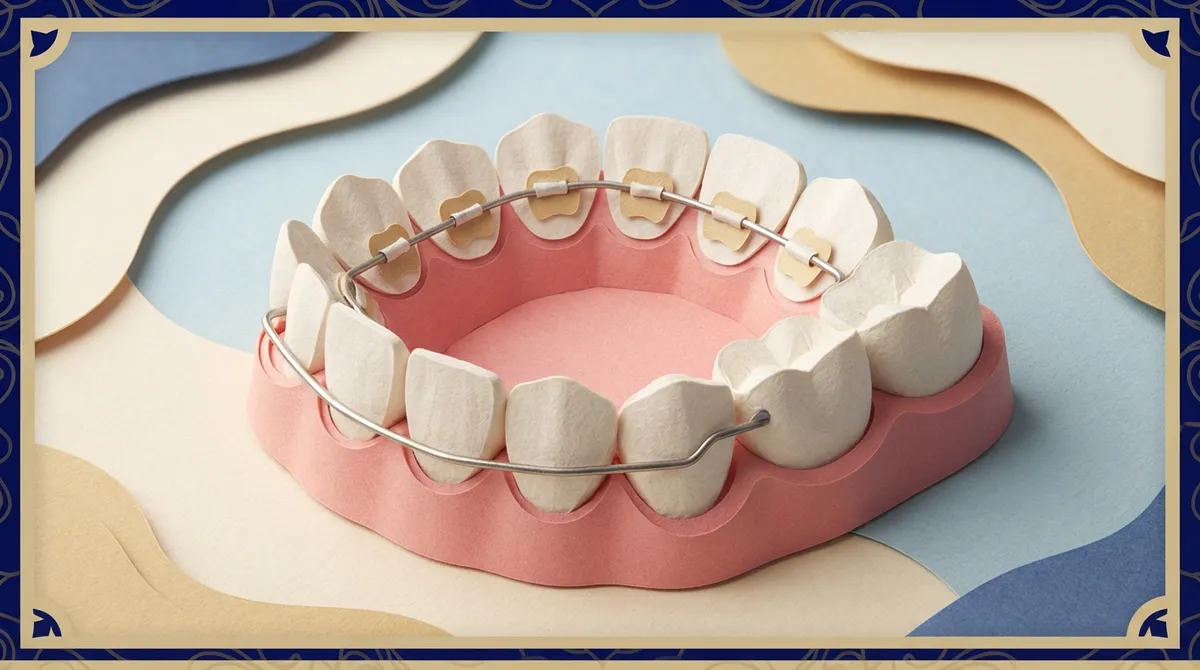
A fixed bonded retainer is a small wire or fiber strip. It’s bonded directly to the inside surface of your teeth, right behind your front teeth. Most often it goes on the lower incisors, but sometimes your orthodontist places one on the upper front teeth too.
Unlike a removable retainer that you pop in and out, this one stays put. You can’t take it off, and honestly, that’s the whole point. It works around the clock, day and night, without you having to remember to wear it.
The main job of any retainer, fixed or removable, is to stop your teeth from drifting back to their old positions. After braces or clear aligners, your teeth are still a little “loose” in their new spots. A fixed bonded retainer acts like a quiet guardian, holding everything steady while your bone and gum tissue settle in for good.
Why Orthodontists Recommend Them
Dr. Brockway and orthodontists across Florida often suggest fixed retainers because they take the guesswork out of retention. There’s no schedule to follow, no case to misplace, and no forgetting to wear it before bed.
- They work continuously without patient effort
- They’re invisible from the front, so nobody can tell you have one
- They’re great for patients who struggled with removable retainer compliance
- They help protect your investment in braces or Spark™ Clear Aligners
- They’re especially useful for lower front teeth, which tend to shift the most
How Long Do Fixed Bonded Retainers Last?
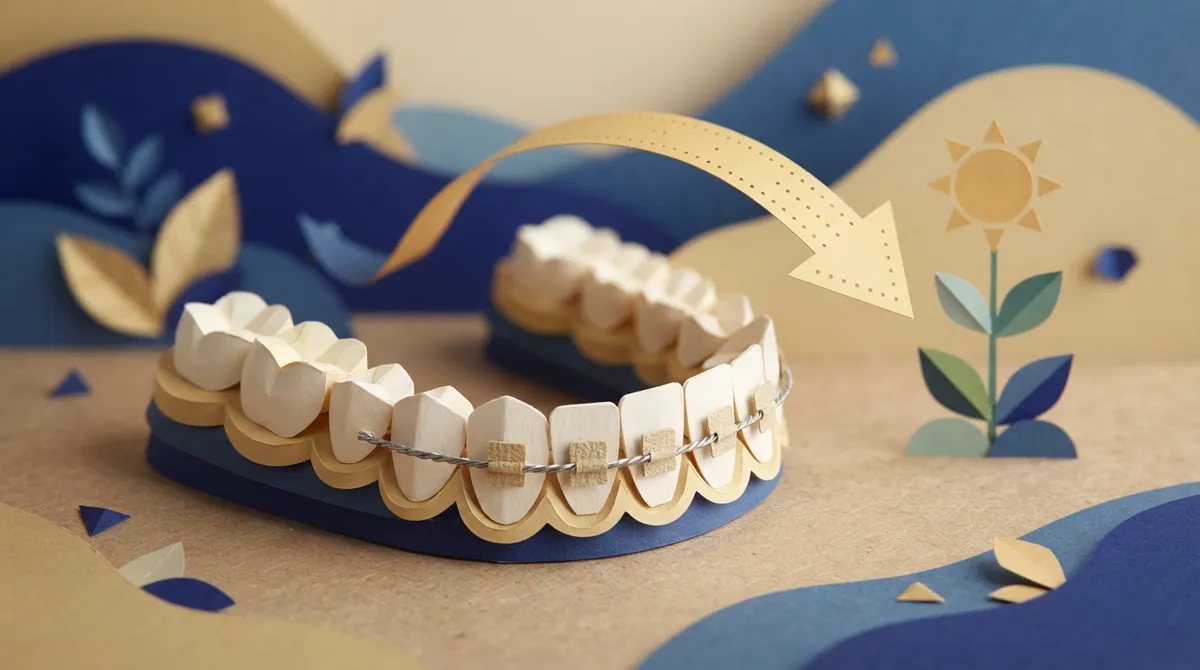
This is one of the most common questions we hear, and the honest answer is: it depends. Some patients keep the same bonded retainer for many years without any issues. Others might need a repair or replacement sooner.
Research gives us a clearer picture. A 2023 systematic review and meta-analysis found an overall failure rate of about 35.22% for fixed bonded retainers once high-risk studies were excluded. That might sound like a lot, but keep in mind “failure” often just means a small bond came loose, not that the whole retainer fell out.
| Time Period | Failure Rate |
|---|---|
| Short-term (under 1 year) | 24.18% |
| Medium-term | 40.09% |
| Long-term | 53.85% |
| First 12 months specifically | About 25% |
Interestingly, the same research found the failure rate was 35.59% for upper (maxillary) retainers compared to 27.94% for lower (mandibular) retainers. This makes sense since lower retainers usually have a simpler, straighter path to bond along.
Pros and Cons of a Fixed Bonded Retainer
Every treatment option has its trade-offs, and fixed retainers are no different. Here’s a simple breakdown to help you weigh your options alongside your orthodontist.
| Pros | Cons |
|---|---|
| Works 24/7 without effort | Can be harder to floss around |
| Invisible from the front | Bond can fail over time |
| No risk of losing it | Wire can occasionally fracture |
| Great for long-term stability | Requires regular checkups |
| No daily compliance needed | Plaque or calculus can build up if not cleaned well |
A 2024 narrative review described bonded fixed retainers as clinically effective and generally well accepted by patients. That’s reassuring news if you’re on the fence about choosing this option after your treatment with braces or clear aligners.
Common Problems With Fixed Retainers
Nothing in life is perfectly maintenance-free, and fixed bonded retainers are no exception. Knowing what can go wrong helps you catch problems early before they cause real trouble.
- Bond failure — the glue holding the wire to one tooth can loosen over time
- Wire fracture — the thin wire can bend or snap, especially with hard foods
- Plaque buildup — food and bacteria can collect around the wire if brushing isn’t thorough
- Calculus formation — hardened plaque can build up if regular cleanings are skipped
- Flossing difficulty — the wire makes it trickier to floss between teeth normally
Most of these issues are minor and easy to fix during a quick visit. The bigger concern is when a failure goes unnoticed. If one end of the wire comes loose and nobody catches it, that tooth can start to shift again fairly quickly.
Signs Your Retainer Might Need Attention
- You feel a sharp or poking sensation on the inside of your teeth
- You notice a tooth feels loose or wiggly
- You see a gap forming where there wasn’t one before
- Your tongue keeps bumping into something unusual
- You notice food getting stuck more than usual around one spot
If you experience any of these, don’t wait it out. Reach out to your orthodontist right away. Our team can walk you through what to expect during your first visit or a follow-up appointment for retainer repair.
How to Clean Around a Fixed Bonded Retainer
Good oral hygiene really matters when you have a fixed retainer. Since it’s permanently attached, plaque and food particles have a new place to hide. But don’t worry, with the right habits it’s totally manageable.
- Use a floss threader or orthodontic floss pick to get under the wire daily
- Consider a water flosser for an easier, faster clean
- Brush gently along the back of your teeth where the wire sits
- Use fluoride toothpaste to help protect enamel in that area
- Visit your dentist and orthodontist regularly for professional cleanings
The American Dental Association recommends daily flossing and twice-yearly dental checkups for everyone, and this becomes even more important with a bonded retainer in place. Skipping these steps can lead to the plaque buildup and calculus we mentioned earlier.
Fixed vs Removable Retainers: Which Is Right for You?
This is a question we hear all the time at our Clearwater practice. Both options work well, but they suit different lifestyles and needs.
| Feature | Fixed Bonded Retainer | Removable Retainer |
|---|---|---|
| Compliance needed | None, it’s always in place | High, must be worn as directed |
| Visibility | Invisible from the front | Can be seen when worn |
| Cleaning | Requires floss threader | Easy to remove and clean |
| Risk of loss | None | Can be lost or forgotten |
| Long-term stability | Very reliable if maintained | Depends on consistent wear |
Many patients actually use both together for the best of both worlds. A fixed retainer on the lower front teeth paired with a removable retainer for the upper teeth is a very common combination. Our team can walk you through your retainer options and help you pick the right combination for your smile.
Who Benefits Most From a Fixed Bonded Retainer?
While almost anyone finishing orthodontic treatment can consider this option, some patients tend to benefit even more.
- Teens who might forget to wear a removable retainer consistently
- Busy professionals who want a low-maintenance solution
- Patients who previously experienced orthodontic relapse
- Anyone with a history of losing removable retainers
- Patients with lower front teeth that are prone to shifting
If you’ve been through adult treatment before and experienced relapse, a fixed retainer might be exactly what you need this time around to protect your results for good.
What to Expect at Your Retainer Appointment
Getting a fixed bonded retainer placed is a quick, comfortable process. Here’s a simple step-by-step look at what typically happens.
- Your teeth are cleaned and dried thoroughly
- A bonding gel is applied to the back surface of your teeth
- The thin wire is shaped to fit your unique smile
- The wire is bonded to each tooth with dental adhesive
- A special light cures the bond in seconds
- Your bite is checked to make sure everything feels comfortable
The whole appointment usually takes less than an hour. Afterward, you might notice a slight tongue awareness for a day or two, but that fades quickly as you get used to it.
Trusted Orthodontic Care in Clearwater
At Brockway Orthodontics, we’ve helped countless families across Clearwater protect their smiles with fixed bonded retainers, removable retainers, and everything in between. Dr. Brockway takes time to explain your options clearly, whether you’re finishing up with braces, Spark™ Clear Aligners, or you’re returning after some relapse.
We’re proud members of the orthodontic community and stay current with guidance from organizations like the Florida Association of Orthodontists. That means you’re getting care backed by real expertise, not guesswork. You can also see what our Brockway Orthodontics patients say on Google by checking out our reviews and community feedback on our Google Business Profile.
Curious what other patients are saying about their experience? Follow along on Instagram or connect with us on Facebook for smile transformations, tips, and a peek into our welcoming Clearwater office.
Keeping Your Smile Beautiful for Years to Come
A fixed bonded retainer really is a small investment with a big payoff. It quietly protects the hard work you put into your smile, whether that was months of braces or a full course of clear aligners. With a little extra care around flossing and regular checkups, most patients enjoy years of worry-free retention.
If you’re finishing treatment soon or you’re worried about a retainer that feels loose, don’t wait to get it checked. Our friendly Clearwater team is here to help protect your smile for the long run. Book your appointment online today, or reach out to our team with any questions about your retainer or ongoing orthodontic care. Your beautiful smile deserves to last a lifetime, and we’re honored to help you keep it that way.
FAQs
Q: What is a fixed bonded retainer in orthodontics?
A: It’s a thin wire that your orthodontist bonds to the back of your teeth, usually the lower front teeth. It quietly holds your smile in place after braces or aligners, without you having to remember to wear anything.
Q: How long do fixed bonded retainers last?
A: Many patients keep the same retainer for years, though research shows failure rates increase over time, from about 24% in the short term to over 50% long term. Regular checkups help catch any small issues before they become bigger problems.
Q: What causes a bonded retainer to fail?
A: The most common culprits are bond weakening over time, wire fractures from hard foods, and general wear and tear. The good news is most failures are simple to repair during a quick visit to our Clearwater office.
Q: How do you clean around a fixed bonded retainer?
A: You’ll want to use a floss threader or water flosser to get underneath the wire every day. Combine that with gentle brushing and regular dental visits, and you’ll keep plaque and buildup well under control.
Q: Are bonded retainers better than removable retainers?
A: It really depends on your lifestyle! Bonded retainers work great for people who might forget to wear a removable one, while removable retainers are easier to clean. Many patients actually use both together for the best results.
Our Service Area