Key Takeaways
-
Headgear is most effective for children ages 7-13 with skeletal bite issues caused by jaw size differences, not just tooth misalignment, requiring at least 16 hours daily wear for 1-2 years to guide jaw growth.
-
Headgear and braces work as a team: headgear corrects jaw position and bite relationships from outside the mouth, while braces fine-tune individual tooth alignment, often used together for complete smile correction.
-
Compliance is critical—skipping wear time significantly slows progress and extends treatment; setting consistent routines and involving children in the process helps maintain the recommended 16+ hours daily wear.
-
Modern orthodontics still uses headgear as a valuable tool for Class II and Class III bite problems despite clear aligner popularity, with the American Dental Association confirming its continued role in early intervention.
If your child’s orthodontist just mentioned orthodontic headgear, you’re probably picturing something clunky and old-fashioned. Take a breath. Headgear has helped generations of kids get healthier bites and better smiles, and it still plays an important role in modern orthodontic care today. But when is headgear actually necessary, and when can braces or clear aligners do the job alone? Let’s break it down together.
At Brockway Orthodontics in Clearwater, we know parents have questions when headgear comes up in a treatment plan. This guide compares orthodontic headgear versus braces-only treatment, so you understand exactly why one option might work better for your child’s growing smile. We’ll cover how headgear works, who needs it, and what to expect if your orthodontist recommends it.
What Is Orthodontic Headgear, Exactly?
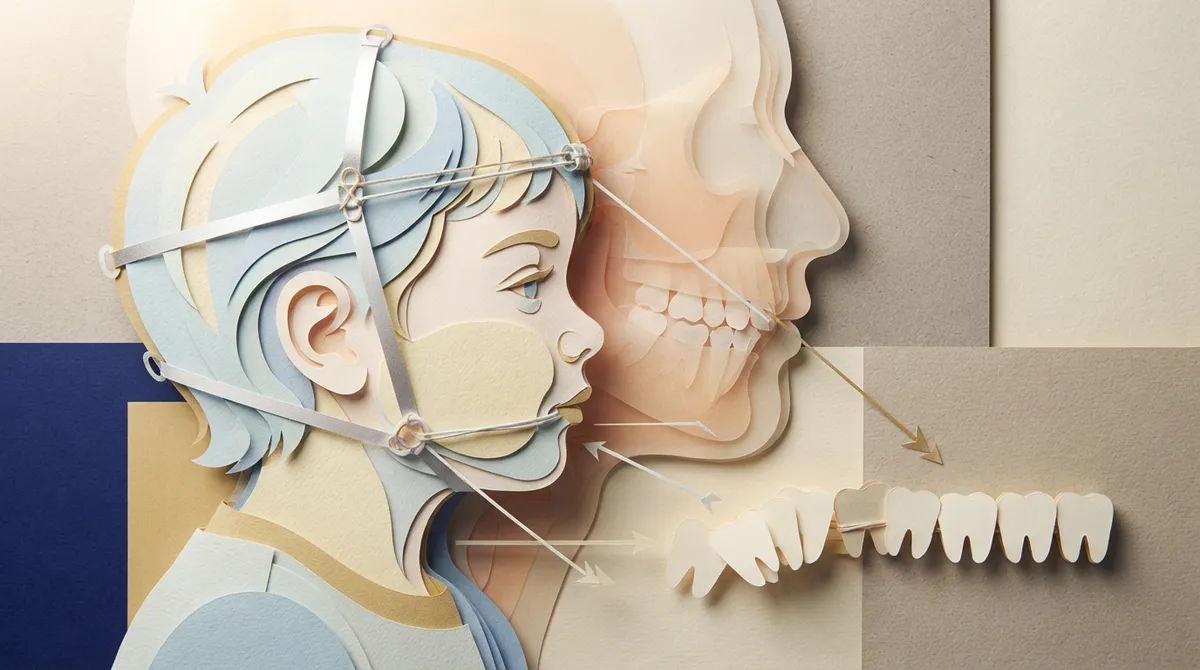
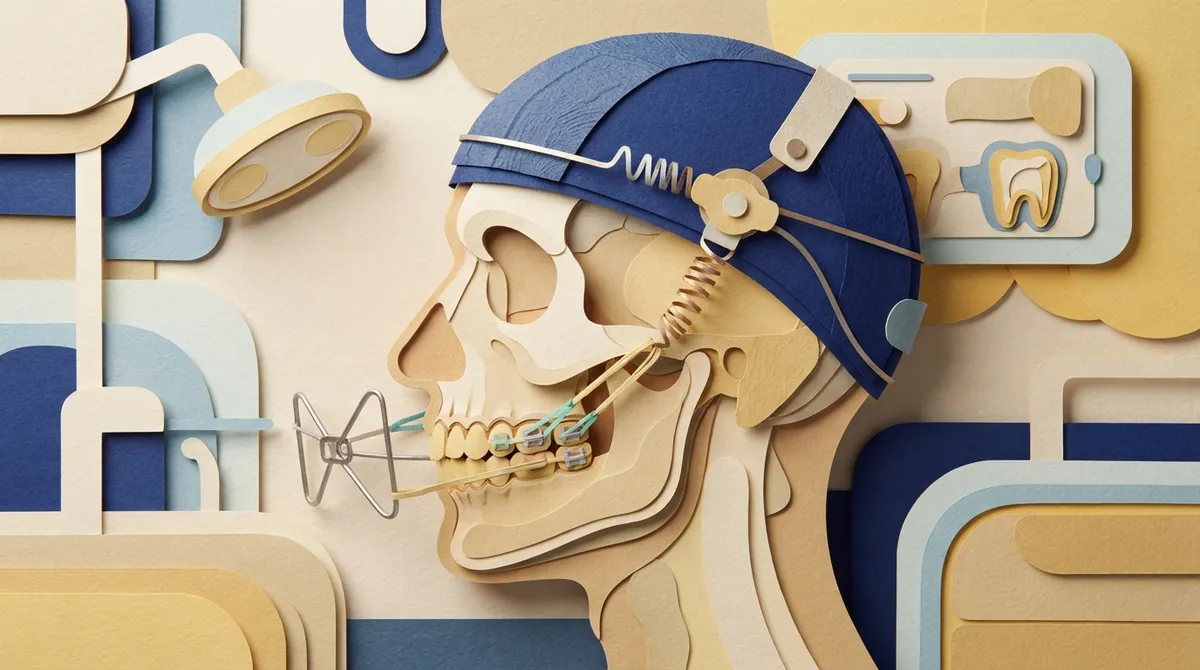
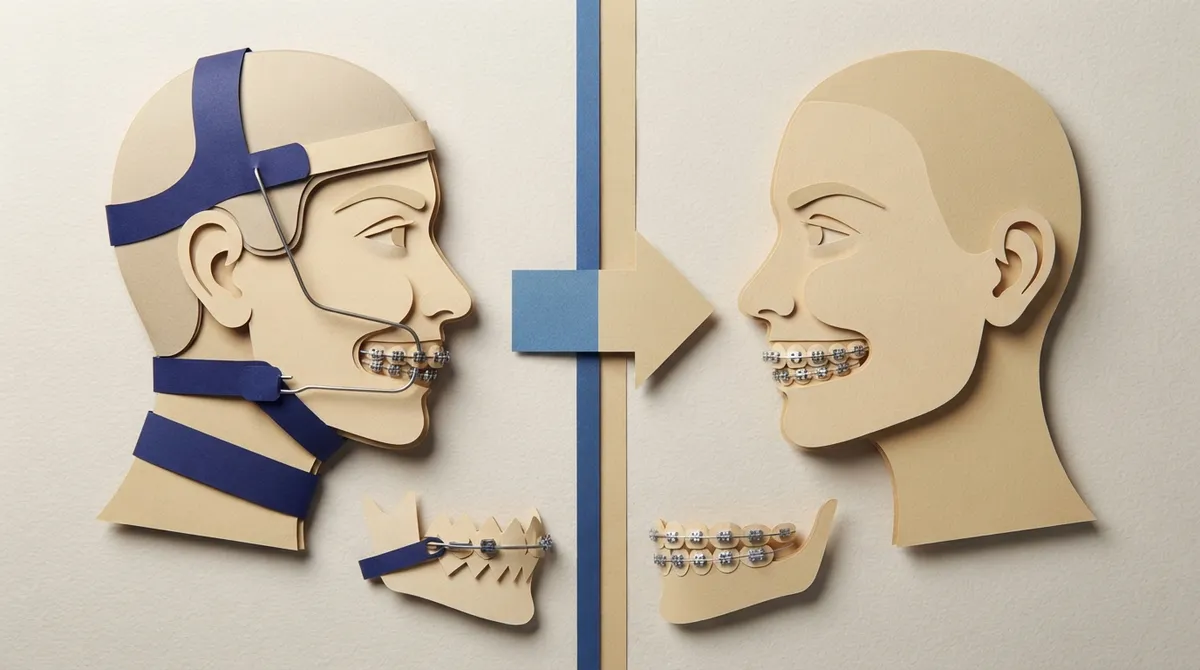
Orthodontic headgear is an appliance worn outside the mouth. It works alongside braces to guide how the jaw and teeth grow. Unlike braces, which move teeth from inside the mouth, headgear applies gentle pressure from outside using straps and a metal wire called a facebow.
Think of it like training wheels for a growing jaw. It doesn’t replace braces. Instead, it gives braces extra help when a bite problem is bigger than teeth alignment alone. This is especially useful for kids whose jaws are still developing.
How Does Headgear Actually Work?
Headgear connects to bands on the back molars, then loops around the head or neck with adjustable straps. As your child wears it, steady pressure is placed on the teeth and jaw. Over time, this pressure guides growth in the right direction.
Here’s what headgear commonly helps achieve:
- Moving back molars further back in the mouth (called molar distalization)
- Slowing or redirecting upper jaw growth
- Correcting an overbite or overjet caused by jaw size differences
- Providing extra anchorage so other teeth don’t shift unexpectedly during treatment
- Supporting a more balanced facial profile as your child grows
Orthodontic Headgear vs. Braces Alone: The Core Difference
Braces are excellent at moving individual teeth into better positions. But braces alone can’t change the size or position of the jawbone itself. That’s where headgear steps in for certain cases.
Here’s a simple side-by-side comparison to help clarify things:
| Feature | Orthodontic Headgear | Braces Alone |
|---|---|---|
| Primary Goal | Guides jaw growth and bite correction | Moves and aligns individual teeth |
| Worn Location | Outside the mouth (with facebow and straps) | Directly on the teeth |
| Best For | Growing children with skeletal bite issues | Teens and adults needing tooth alignment |
| Typical Wear Time | At least 16 hours per day | 24 hours a day, removed only for cleaning by the orthodontist |
| Treatment Length | About 1 to 2 years | Varies, often 18 to 24 months |
Many patients actually need both. Headgear addresses the jaw, while braces fine-tune each tooth’s position. Together, they create a complete, balanced smile.
Types of Orthodontic Headgear
Not all headgear looks or works the same way. Your orthodontist will choose a design based on your child’s specific bite problem. Here are the most common types used in orthodontic care today:
- Cervical Pull Headgear: Straps attach around the back of the neck. This type is often used to correct an overbite by pulling upper molars backward.
- High-Pull Headgear: Straps connect near the top of the head instead of the neck. This design helps control both backward movement and vertical growth of the jaw.
- Reverse-Pull Headgear (Facemask): Used for underbite correction, this type pulls the upper jaw forward instead of backward.
- Combination Headgear: Some designs combine cervical and high-pull straps for more customized control over growth patterns.
Each type targets a different bite issue, so your orthodontist will recommend the design that fits your child’s unique treatment goals. To learn more about how personalized planning works, visit our Early Treatment page.
Who Actually Needs Headgear?
Headgear isn’t for everyone, and that’s a good thing to know upfront. It’s typically recommended for growing children, usually between ages 7 and 13, when jaw bones are still developing. Some sources note that Class II headgear patients are often around 11 to 12 years old, right in the sweet spot of active growth.
Here are common signs your child might benefit from headgear as part of their treatment plan:
- A noticeable overbite where upper teeth stick out significantly
- An underbite where the lower jaw is more prominent than the upper jaw
- Crowded back teeth that need more room to align properly
- A bite problem tied to jaw size rather than just tooth position
- Early signs of asymmetrical facial growth
Interestingly, some orthodontic research suggests that using Class II headgear during mixed dentition (when baby and adult teeth are both present) doesn’t always provide extra benefit compared to waiting for full comprehensive treatment later. This is exactly why a personalized evaluation matters so much. Every child’s growth pattern is different, and cookie-cutter timelines don’t always apply.
What to Expect During Headgear Treatment
We know headgear can feel intimidating at first, especially for kids worried about how it looks or feels. Here’s a simple step-by-step of what treatment typically involves:
- Initial evaluation: Your orthodontist examines jaw growth, bite alignment, and takes images to confirm headgear is the right choice.
- Fitting appointment: Bands are placed on the back molars, and the facebow and straps are custom-fitted for comfort.
- Daily wear routine: Most protocols recommend at least 16 hours per day, often worn during evenings, overnight, and at home.
- Regular check-ins: Your orthodontist monitors progress and makes small adjustments as growth continues.
- Transition to braces or aligners: Once jaw correction goals are met, headgear is typically discontinued and braces continue the fine-tuning process.
Treatment duration commonly ranges from 1 to 2 years, though every child’s timeline looks a little different depending on growth patterns and compliance.
Does Headgear Hurt? Addressing Common Worries
This is probably the question we hear most from worried parents and nervous kids. The honest answer? Headgear might feel a little strange or create mild pressure at first, similar to the feeling after braces are tightened. It shouldn’t cause sharp pain.
Most discomfort fades within the first few days as your child adjusts. If anything feels seriously painful, that’s a sign to contact us right away so we can check the fit and make adjustments.
Is Headgear Still Used in Modern Orthodontics?
Yes, absolutely. While clear aligners and modern brackets get a lot of attention these days, headgear remains a valuable tool for specific skeletal bite issues. According to the American Dental Association, early intervention treatments, including headgear, continue to play a meaningful role in guiding healthy jaw and bite development in growing children.
The Florida Association of Orthodontists also emphasizes that early orthodontic evaluations help identify bite issues before they become more complex to treat. That’s why we always recommend bringing your child in for an evaluation, even if braces don’t seem needed yet.
Headgear Compliance: Why Wear Time Really Matters
Here’s the honest truth: headgear only works if it’s worn consistently. Skipping days or cutting wear time short can slow progress significantly and extend overall treatment time.
Tips that help kids stick to their wear schedule:
- Set a consistent daily routine, like wearing headgear right after dinner
- Use a rewards system for hitting daily wear-time goals
- Keep headgear near the bed as a visual reminder
- Involve your child in choosing strap colors or styles when possible
- Celebrate progress at each orthodontic check-up
Consistency truly is the secret ingredient. Sixteen hours might sound like a lot, but most of that time happens naturally during sleep and quiet evening hours at home.
Headgear and Braces: Working as a Team
It helps to think of headgear and braces as teammates rather than competitors. Headgear tackles jaw growth and bite relationships, while braces handle the detailed work of straightening individual teeth. Once headgear finishes its job, braces (or in some cases, Spark™ Clear Aligners) take over to perfect the smile.
For families exploring all their options, we recommend starting with an initial visit so Dr. Brockway can map out the right combination of treatments for your child’s specific needs.
Why Choose Brockway Orthodontics for Your Child’s Bite Correction
Dr. Brockway has spent years helping Clearwater families navigate exactly these kinds of decisions. She takes time to explain every option clearly, so you never feel confused or rushed during appointments. Our office uses modern imaging tools to plan treatment precisely, which means less guesswork and more comfort for your child.
We also understand that headgear can feel like a big commitment for busy families. That’s why our team focuses on clear communication, realistic timelines, and genuine encouragement every step of the way. Curious what other Clearwater parents think? You can visit us on Google — Brockway Orthodontics to read real reviews from families just like yours.
Ready to Talk About Your Child’s Treatment Options?
Whether your child needs headgear, braces, or a combination of both, the most important step is getting a personalized evaluation. Every jaw grows differently, and every treatment plan should reflect that. Our team is here to answer your questions with warmth, patience, and plenty of encouragement along the way.
Ready to find out what your child’s smile really needs? Book appointment online today and let’s start this journey together. You can also follow along with real patient stories and smile transformations on our Instagram and Facebook pages.
FAQs
Q: What is orthodontic headgear used for?
A: Orthodontic headgear helps correct bite problems like overbite, underbite, and overjet by guiding jaw growth from outside the mouth. It’s often paired with braces to give little smiles a bigger boost, especially while jaws are still growing.
Q: How many hours a day should headgear be worn?
A: Most orthodontists recommend at least 16 hours a day for the best results. That sounds like a lot, but most of it happens naturally during sleep and quiet evenings at home, so it’s more manageable than it seems!
Q: Does orthodontic headgear hurt?
A: It might feel a bit odd or create mild pressure at first, kind of like when braces get tightened. That feeling usually fades within a few days as your child gets used to wearing it.
Q: What age is best for orthodontic headgear treatment?
A: Headgear tends to work best for kids between ages 7 and 13, while jaw bones are still growing and easier to guide. Some Class II headgear patients are around 11 to 12 years old, right when growth is most active.
Q: Is orthodontic headgear still used today?
A: Yes! Even with all the modern options like clear aligners, headgear still plays an important role for certain skeletal bite issues. It remains one of the most reliable tools for guiding healthy jaw growth in growing kids.
Our Service Area