Key Takeaways
-
An open bite is a malocclusion where some upper and lower teeth do not touch when the mouth is closed, most often showing as a gap between the front teeth.
-
Open bites have many causes, including prolonged thumb or pacifier sucking, forward tongue thrust, mouth breathing, vertical jaw growth, and tooth eruption problems, often working together.
-
An open bite can affect chewing, speech (such as a lisp on 's' and 'th' sounds), and confidence, and it can cause extra wear on the back teeth over time.
-
In young children, an open bite linked to a sucking habit may improve on its own once the habit stops, but a jaw growth pattern or ongoing tongue habit usually needs professional help.
-
Treatment depends on cause and age: habit management for young children, braces or clear aligners for teens and adults, and jaw surgery only for severe skeletal cases after growth.
-
Open bites can relapse, so wearing retainers as directed is essential, and the American Association of Orthodontists recommends a first orthodontic check around age 7.
Have you ever looked in the mirror, closed your mouth, and noticed a little gap between your top and bottom front teeth? Or maybe you have a child whose teeth just do not seem to meet in the front. If so, you may be wondering what is an open bite, and whether it is something to worry about. Good news: you are in the right place, and you are not alone.
An open bite is a type of bite problem that orthodontists see often. It can affect how you chew, how you speak, and how you feel about your smile. It also has many possible causes, from childhood habits to the way the jaws grow. The even better news is that there are real, practical ways to treat it.
In this friendly guide, we will walk through what an open bite looks like, why it happens, how it is diagnosed, and what treatment can look like for kids, teens, and adults. Think of it as a chat with a helpful friend who happens to know a lot about teeth.
So, What Is an Open Bite?
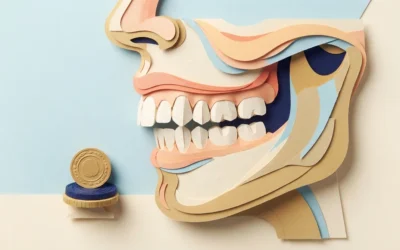
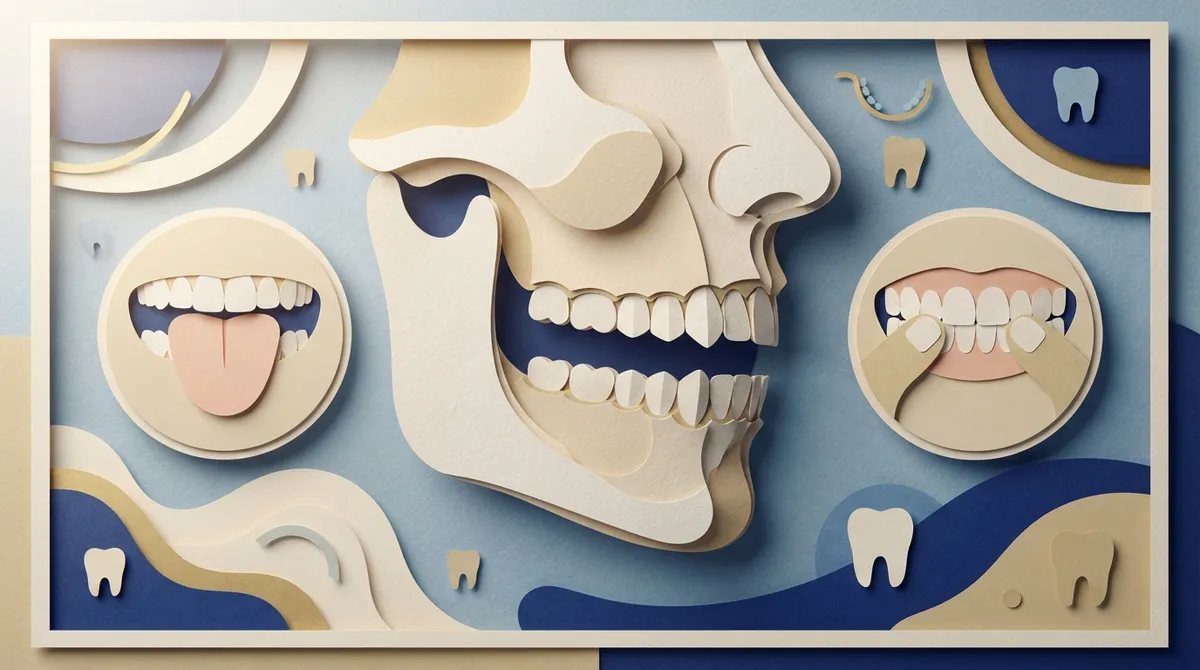
An open bite is a type of malocclusion, which is the technical word for a bite that does not line up the way it should. With an open bite, some of your upper and lower teeth do not touch when your mouth is closed. In a healthy bite, your top front teeth overlap your bottom front teeth a little, like the lid of a box fitting over its base. With an open bite, that overlap is missing.
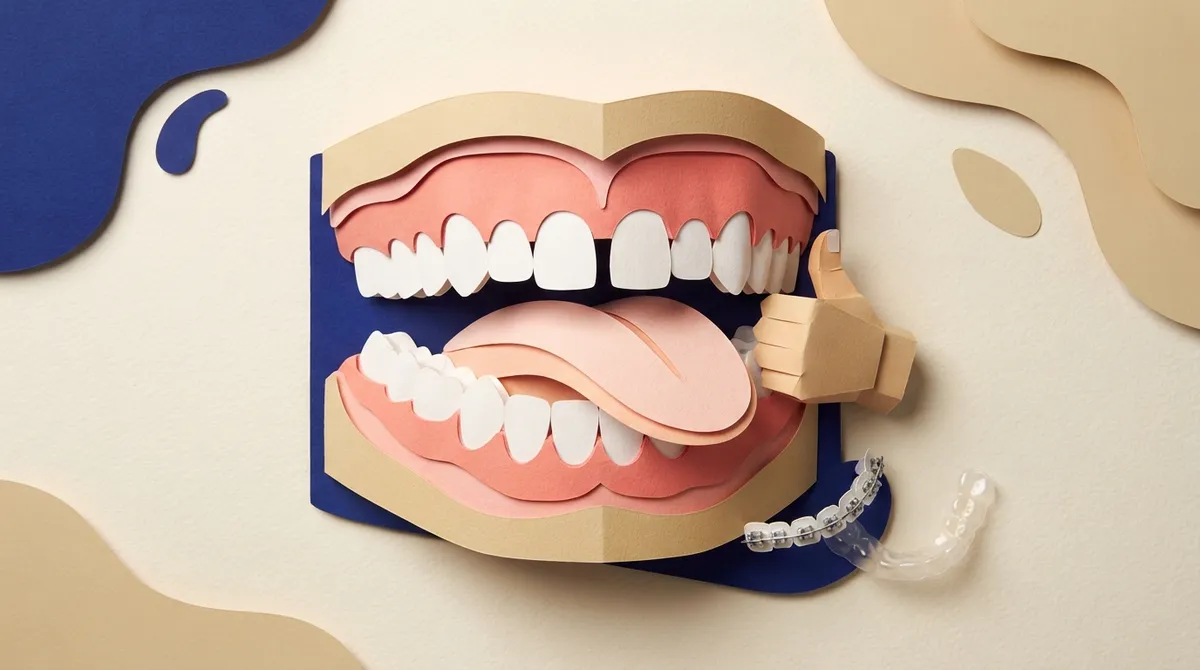
Here is the simple version: when you bite down, there is a gap between certain upper and lower teeth that never closes.
Types of Open Bite
Not every open bite looks the same. Orthodontists group them by where the gap shows up:
- Anterior open bite: This is the most familiar type. The back teeth touch, but the front teeth do not overlap or meet.
- Posterior (lateral) open bite: The gap is toward the back or to one side of the mouth, so some back teeth do not meet.
Open bites can also be grouped by cause. A dental open bite comes mainly from the position or eruption of the teeth. A skeletal open bite is tied to jaw growth and the shape of the face. Many people have a mix of both, which is why a careful exam matters.
What Does an Open Bite Look Like?
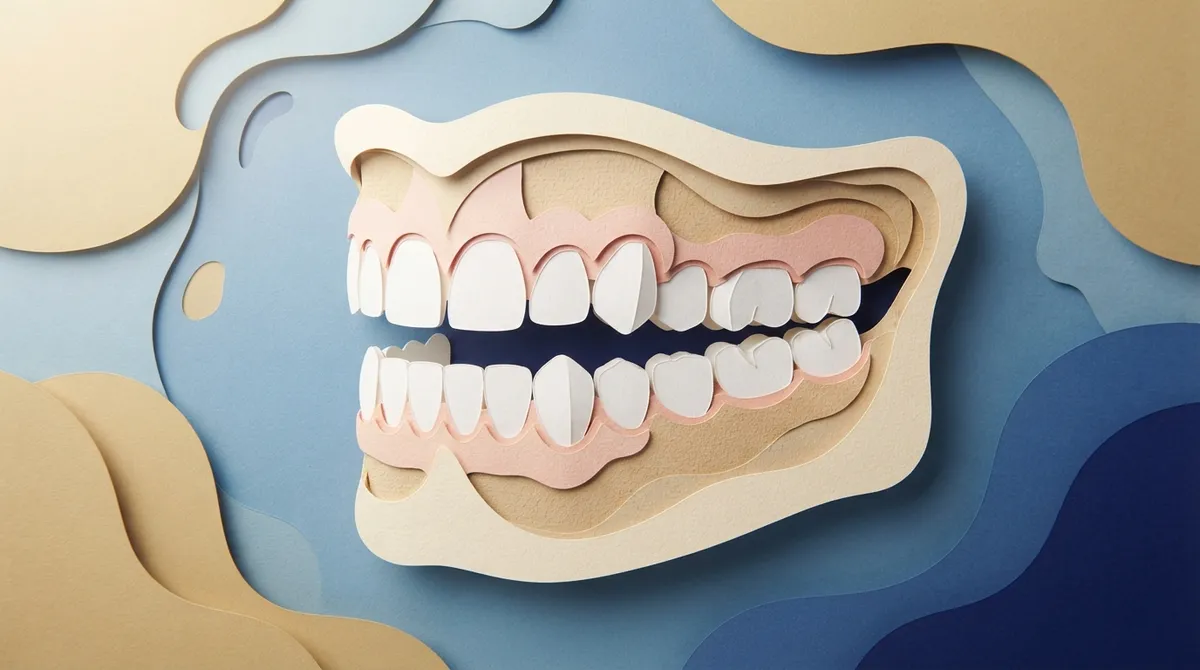
Many people first notice an open bite in a photo or while looking in the mirror. Here are common signs to watch for:
- A visible gap between the upper and lower front teeth when the back teeth are closed together
- Front teeth that cannot bite through foods like sandwiches, pizza crust, or apple slices
- The tongue showing between the teeth when you swallow or speak
- A lisp or trouble with certain sounds, like “s” and “th”
- A mouth that rests slightly open
- Uneven wear on the back teeth, since they do most of the chewing work
Keep in mind that having one of these signs does not always mean you have an open bite. That is why an exam with an orthodontist is the best way to know for sure.
How Common Is an Open Bite?
More common than you might think! A 2021 systematic review and meta-analysis estimated that anterior open bite shows up in about 16.5% of children and adolescents between ages 2 and 16. A Cochrane review also cited estimates of around 17% to 18% in children with a mix of baby and adult teeth.
These numbers do vary. Rates change with age, the group of people studied, and how an open bite is defined. Still, the big takeaway is simple: if your child has one, they have plenty of company.
What Causes an Open Bite?
Open bites usually do not have just one cause. Several things often work together. Let’s look at the most common ones.
Thumb Sucking and Pacifier Use
Sucking on a thumb, finger, or pacifier for a long time can gently push the front teeth out of position. Many babies and toddlers suck their thumbs, and that is normal. The concern comes when the habit continues for years, especially once permanent teeth start coming in. A habit may contribute to an open bite, but it is not always the only reason.
Tongue Thrust and Tongue Posture
If the tongue pushes forward against the front teeth when swallowing or resting, it can keep the teeth from closing the gap. Sometimes the tongue posture is a cause. Other times, it is a result of the open space that is already there. Orthodontists look closely at this during an exam.
Mouth Breathing
Breathing through the mouth instead of the nose can change how the tongue and jaw rest. Over time, this may affect jaw growth and tooth position. If you are curious about how breathing and orthodontics connect, our post on what airway orthodontics is and how it can help is a nice next read.
Jaw Growth Patterns
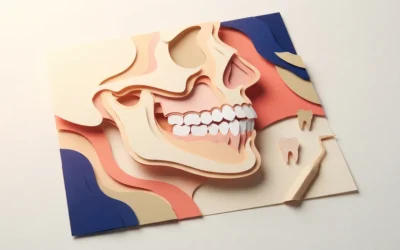
Sometimes the way the jaws grow is simply inherited. Some people have a vertical growth pattern, where the jaws grow more downward than forward. This can make the back teeth meet while the front teeth stay apart. This is a skeletal pattern, and it is just how that person’s face developed.
Tooth Eruption Problems
When permanent teeth come in, they can sometimes get stuck or erupt in a way that leaves a gap. This is part of why early checkups matter. You can learn more in our guide to signs of uneven tooth eruption and what to do.
| Cause | How It Can Contribute | Common Age Group |
|---|---|---|
| Thumb or pacifier sucking | Pushes front teeth out of position | Toddlers through early childhood |
| Tongue thrust or low tongue posture | Keeps front teeth from closing together | Children, teens, and adults |
| Mouth breathing | May affect tongue position and jaw growth | All ages |
| Vertical jaw growth pattern | Back teeth meet first, front teeth stay apart | Often inherited, seen from childhood |
| Tooth eruption disturbances | Teeth come in at the wrong angle or stall | Children and teens |
Why an Open Bite Matters
Some people live with a mild open bite and barely notice. For others, it makes daily life harder. Here is how it can affect you:
- Biting and chewing: Front teeth may not bite through food well, which puts extra work on the back teeth.
- Speech: Some people develop a lisp or have trouble with certain sounds.
- Appearance and confidence: A visible gap can make people feel shy about smiling in photos or at work.
- Comfort: Extra stress on back teeth can lead to wear over time.
The impact differs from person to person. An orthodontic assessment can tell you whether your bite is causing real function problems or is likely to change as a child grows.
How Do Orthodontists Diagnose an Open Bite?
Diagnosing an open bite is a friendly, painless process. Here is what usually happens during an evaluation:
- A bite exam. The orthodontist checks how your teeth meet and which ones touch.
- A look at your face and jaws. This helps tell whether the cause is mostly dental or skeletal.
- A talk about habits. Thumb sucking, tongue posture, and breathing patterns all give helpful clues.
- Records and images. These may include photos, digital scans or models of your teeth, and X-rays.
- A plan. Once the cause is clear, your orthodontist explains your options in plain language.
At Brockway Orthodontics, we use modern tools like digital impressions instead of messy molds, plus 3D imaging that helps us plan treatment with precision. If you are curious about what X-rays can show, take a peek at what orthodontic X-rays can help evaluate.
Can an Open Bite Correct Itself?
This is one of the most common questions parents ask, and the honest answer is: sometimes, but not always.
In young children, an open bite linked to thumb or pacifier sucking may improve on its own once the habit stops. That is because the teeth and bone are still growing and can shift back toward a normal position. But if the cause is the jaw growth pattern or a tongue habit that continues, the bite may not close without help.
This is exactly why a checkup is so helpful. An orthodontist can tell you whether to wait and watch, or whether it is time to step in. Wondering about the best timing? Our guide on when your child should see an orthodontist can help.
Open Bite Treatment Options
Treatment depends on the cause, how severe the open bite is, and the patient’s age. There is no one-size-fits-all answer, and that is a good thing. It means your plan can be built just for you.
Habit Management
If a habit like thumb sucking or tongue thrust is part of the picture, the first step is often to address it gently. This can include positive reminders, habit-breaking support, and sometimes a small appliance that helps retrain the tongue. Encouragement works much better than scolding, so keep it light and positive.
Braces
Braces are a trusted way to move teeth into better positions. For many open bites, braces can help guide the front teeth toward each other and improve how the teeth meet. Brockway Orthodontics offers both metal braces and ceramic (clear) braces. If you are weighing the two, our comparison of metal vs ceramic braces can help you decide.
Clear Aligners
In suitable cases, clear aligners can be used to treat an open bite. They are popular with teens and adults who want a more discreet option. We offer Spark™ Clear Aligners, a more affordable choice that fits many busy lifestyles. Whether aligners are right for you depends on the details of your bite, which we can talk through at a consultation. Our post on bite problems clear aligners may fix goes deeper on this.
Jaw Surgery for Severe Skeletal Cases
For a small number of people with a severe skeletal open bite, orthodontics alone may not be enough. In selected cases, often after growth is complete, orthognathic (jaw) surgery combined with orthodontic treatment may be considered. This is not the usual path, but it is good to know it exists. Your orthodontist will discuss it only if it truly makes sense for you.
| Treatment | Best For | Things to Know |
|---|---|---|
| Habit management | Young children with sucking or tongue habits | Works best when started early with gentle support |
| Metal or ceramic braces | Teens and adults with dental or mild-to-moderate open bites | Highly precise tooth control |
| Clear aligners | Suitable cases in teens and adults | Requires consistent wear; not right for every bite |
| Jaw surgery plus orthodontics | Severe skeletal open bites, usually after growth | Considered only in selected cases |
An Honest Word About Results
We believe in being upfront with you. The research on open bite treatment is still growing. A Cochrane review looking at treatment for children found only weak evidence for certain appliance-based approaches. A 2023 review of long-term non-surgical outcomes included just six studies and 244 people, which limits how firmly anyone can say what works best over many years.
What does that mean for you? It means every open bite deserves an individual look and a realistic conversation about expected results and stability. A good orthodontist will not promise miracles. Instead, they will explain your options, the likely outcome, and how to keep your results in place.
Can an Open Bite Come Back After Treatment?
Yes, it can. Open bites have a reputation for being a bit more prone to relapse than some other bite problems, especially if the cause, like a tongue habit, is still around. That is why retainers are such an important part of the process. Wearing your retainer as directed helps hold your new smile in place.
If you have had braces before and notice your bite changing, you are not out of luck. Many adults come back for a second round. Our guide to orthodontic relapse warning signs can help you spot early clues, and our tips on how to care for your dental retainer will help protect your results.
Open Bite Across Different Ages
An open bite is not just a kid thing. Here is how it can look at different stages of life:
- Young children: Often linked to sucking habits. Early monitoring can help catch changes while the jaws are still growing.
- Teens: Active growth can make this a great time for treatment. Many teens prefer clear or ceramic options to feel confident at school.
- Adults: It is never too late. Many adults seek treatment to improve chewing, speech, or appearance, and want options that fit a busy work life.
Curious about treatment later in life? Read 14 facts that prove adults can get braces in 2026. And for a closer look at this exact topic, our posts on open bite treatment options and signs you need an orthodontist for open bite dig even deeper.
When Should You See an Orthodontist?
Here is a simple rule of thumb: if you notice a gap between your front teeth when you bite, or you see signs like a lisp, trouble biting into food, or a mouth that rests open, it is a good time to book a visit. For children, the American Association of Orthodontists recommends a first check around age 7, when enough permanent teeth have come in to spot developing bite problems.
You can also look to trusted organizations for general information. The American Dental Association shares helpful resources on oral health, and the Florida Association of Orthodontists offers information for Florida families. We also share smile tips and updates on Facebook.
Why Families Trust Brockway Orthodontics
If you are looking for an orthodontist in Clearwater, Florida, we would love to meet you. Dr. Brockway is more than a qualified specialist. She truly cares about your journey, takes time to listen to your concerns, and makes sure you feel comfortable and informed from start to finish.
Brockway Orthodontics offers treatments for the whole family, including metal braces, ceramic braces, and Spark™ Clear Aligners. We use modern technology like digital scans and 3D imaging to plan treatment with care. In certain cases, same-day treatments are available so busy families do not have to juggle lots of visits. Want to see what neighbors think? You can visit us on Google — Brockway Orthodontics to read reviews from our Clearwater community.
Final Thoughts: You Have Options
So, what is an open bite? It is a bite problem where some upper and lower teeth do not meet, most often showing up as a gap between the front teeth. It can come from habits, tongue posture, breathing patterns, tooth eruption, or the way the jaws grow. It can affect chewing, speech, and confidence, but it is also very treatable with the right plan.
The most important step is getting a clear picture of your own bite. Every open bite is a little different, and the best treatment depends on the cause, your age, and your goals. With a thoughtful evaluation, you can learn what is going on and what to expect.
Ready to find out more? Book your appointment online with Brockway Orthodontics, or contact us with any questions. We would be happy to help you or your child smile with confidence.
FAQs
Q: What does an open bite look like?
A: With an open bite, there is a visible gap between some upper and lower teeth when your mouth is closed. In the common front type, the back teeth touch but the front teeth do not overlap, so you can often see the tongue or space between them.
Q: Can thumb sucking or tongue thrust cause an open bite?
A: Yes, both can play a part. Long-term thumb or pacifier sucking and a forward tongue posture can keep the front teeth from closing together. They are often one piece of the puzzle, since jaw growth and tooth eruption can matter too.
Q: Can an open bite correct itself as a child grows?
A: Sometimes! In young children, an open bite tied to a sucking habit may improve once the habit stops. If the cause is jaw growth or a continuing tongue habit, it may not close on its own, so a checkup is a smart move.
Q: Can braces or clear aligners fix an open bite?
A: In many cases, yes. Braces are a trusted way to guide teeth into a better bite, and clear aligners can work well in suitable cases. An orthodontist can tell you which option fits your bite best.
Q: Does an open bite require jaw surgery, and can it return after treatment?
A: Most open bites do not need surgery. It is usually only considered for severe skeletal cases, often after growth is complete. Open bites can sometimes relapse, which is why wearing your retainer as directed is so important.
Our Service Area