Key Takeaways
-
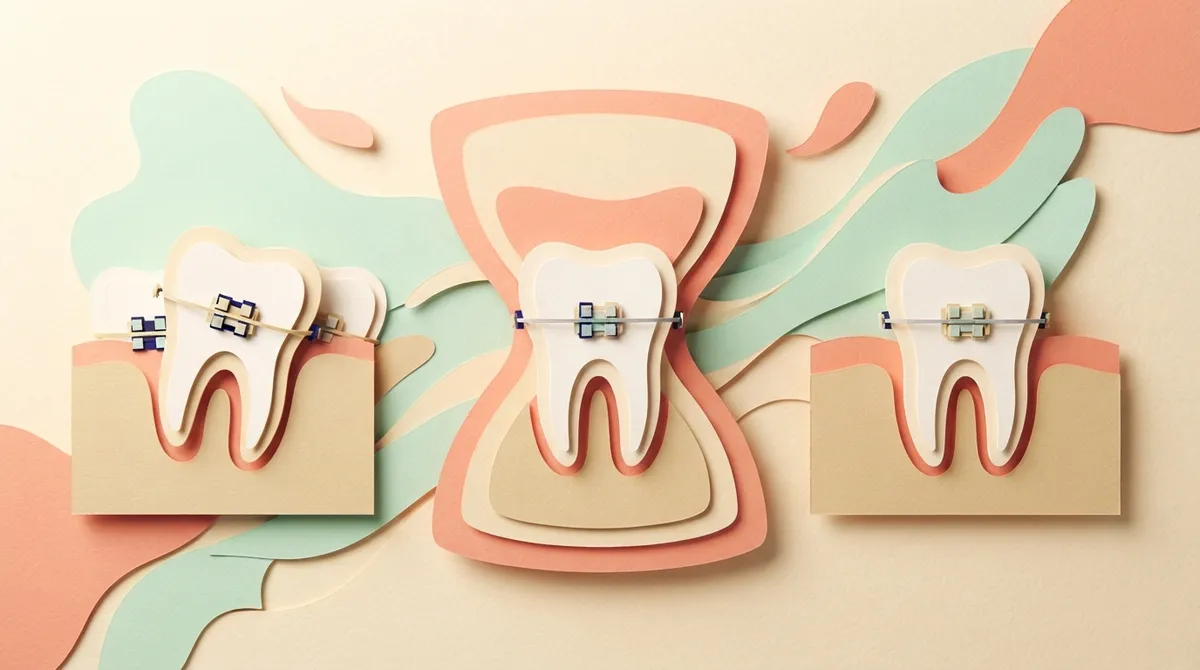
Most orthodontic patients wear braces for 12-24 months on average, but your exact timeline depends on case complexity: mild cases take 6-12 months, moderate cases 12-24 months, and complex cases 24-36+ months.
-
Patient compliance significantly affects treatment duration—missed appointments, broken brackets, and skipping elastics can add months to your timeline, making your habits a major factor you can control.
-
Younger patients typically finish faster due to ongoing jaw growth, while adults may take slightly longer; however, treatment type (metal, ceramic, or clear aligners) matters less than how well it suits your specific case.
-
After braces come off, consistent retainer use is essential to prevent tooth shifting—most patients wear retainers full-time for several months, then nightly long-term, making this retention phase critical to maintaining results.
If you or your child just got braces, you’re probably asking one big question: how long will I need to wear braces? It’s the first thing almost every patient wants to know, and it’s a totally fair question. The good news is that most people wear braces for about 12 to 24 months, but your exact timeline depends on a few key factors we’ll walk through together.
At Brockway Orthodontics in Clearwater, we hear this question every single day. Dr. Brockway believes every patient deserves a clear, honest answer instead of vague guesses. So let’s break down what really affects your braces timeline, what the research shows, and how you can even help speed things along.
How Long Will I Need to Wear Braces on Average
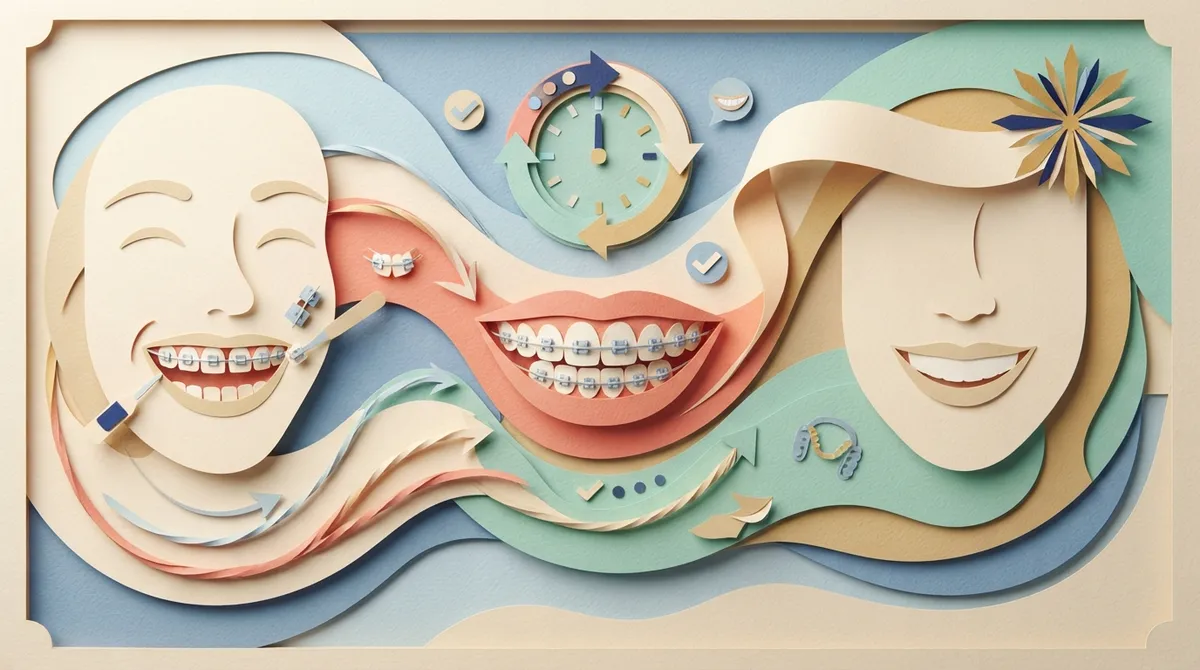
Most orthodontic patients wear braces for somewhere between 12 and 24 months. This is the standard range you’ll hear from orthodontists across the country, including here at our Clearwater office. One clinical summary even found the average fixed-appliance treatment time lands around 19.9 months, which fits right in the middle of that range.
But averages don’t tell the whole story. Your treatment time depends on your unique smile, your bite, and how your teeth respond to gentle pressure over time. That’s why your first visit with Dr. Brockway is so important. She’ll examine your teeth and give you a personalized estimate instead of a generic number.
Treatment Time by Case Complexity
Here’s a simple breakdown of how case severity affects your time in braces:
| Case Type | Typical Treatment Time | Common Issues |
|---|---|---|
| Mild Cases | 6 to 12 months | Minor crowding, small gaps |
| Moderate Cases | 12 to 24 months | Bite issues, moderate crowding |
| Complex Cases | 24 to 36+ months | Severe bite problems, impacted teeth |
As you can see, treatment length depends much more on the complexity of your case than on the type of braces you choose. A mild case with clear braces might finish faster than a complex case with traditional metal braces, simply because the starting point is different.
What Factors Affect Your Braces Timeline
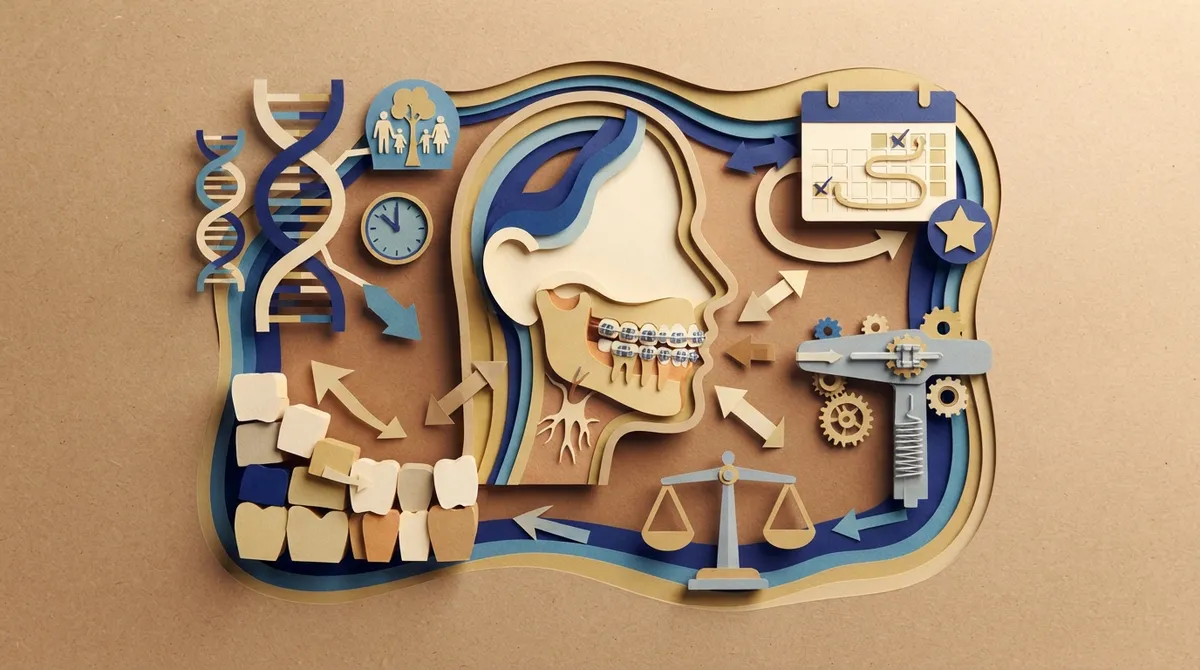
Wondering why your neighbor’s teenager got braces off in a year, while your treatment plan says two years? Several factors play a role, and it’s rarely just one thing. Let’s look at the biggest influences on your treatment time.
1. How Crowded or Crooked Your Teeth Are
Mild crowding usually needs less movement, so treatment wraps up faster. Severe crowding or rotated teeth take longer because your teeth need more time to shift into their new positions safely.
2. Your Bite Alignment
Problems like overbites, underbites, or crossbites often require extra time. These issues involve your jaw, not just your teeth, so correction can take longer. Learn more about how braces fix a deep overbite if this applies to you.
3. Your Age
Younger patients often see faster results because their jawbones are still growing and adapting. Adult treatment can sometimes take a bit longer, though modern options make the process smoother than ever. Check out our adult treatment page for more details.
4. The Type of Appliance Used
Traditional metal braces, ceramic braces, and clear aligners like Spark™ Clear Aligners can all achieve excellent results. However, the appliance type matters less than how well it fits your specific case. Dr. Brockway will recommend the best option for your smile goals.
5. How Well You Follow Instructions
This one is huge, and it’s something you actually control! Missed appointments, broken brackets, and skipping elastics can add months to your treatment. Following your orthodontist’s instructions closely keeps your treatment on track.
Simple Ways to Help Your Treatment Stay on Schedule
You have more control over your braces timeline than you might think. Here are some easy habits that keep your treatment moving forward:
- Show up to every scheduled appointment, even if your teeth look great already.
- Wear your rubber bands or elastics exactly as instructed, every single day.
- Avoid hard, sticky, or crunchy foods that can break brackets or wires.
- Brush and floss carefully around your brackets to avoid decay or gum issues.
- Speak up right away if a bracket feels loose or a wire is poking you.
- Wear your retainer as directed once your braces come off.
Skipping steps or ignoring instructions is one of the most common reasons treatment takes longer than expected. The American Dental Association notes that consistent oral hygiene and following your provider’s plan are key parts of any successful orthodontic treatment.
Comparing Treatment Timelines for Braces and Clear Aligners
Many patients ask if clear aligners move faster than traditional braces. The honest answer is that both options can work at similar speeds, depending on your case.
| Treatment Type | Best For | Typical Duration |
|---|---|---|
| Metal Braces | Complex bite issues, all ages | 12 to 36 months |
| Ceramic (Clear) Braces | Moderate cases, discreet look | 12 to 24 months |
| Spark™ Clear Aligners | Mild to moderate cases, adults and teens | 6 to 18 months |
Want to explore which option fits your lifestyle best? Our all about braces guide breaks down each choice in simple terms.
What Happens After Braces Come Off
Here’s something many patients forget to ask about: retention. Once your braces come off, your teeth can still shift if you don’t wear a retainer as directed. This is a normal part of the process, and it’s nothing to worry about as long as you stay consistent.
Most patients wear a retainer full-time for several months, then switch to nighttime wear long-term. Skipping this step is one of the biggest mistakes people make after finishing treatment. Visit our retainers page to learn more about keeping your new smile in place for years to come.
Braces Timelines for Different Age Groups
Your age plays a real role in how long treatment takes. Let’s break it down by group so you know what to expect.
Children and Early Treatment
Some kids benefit from early treatment around age 7 to 10, which can prevent bigger problems later. This early phase is shorter, but it’s often followed by a second phase once adult teeth come in. Our early treatment program is designed just for this stage.
Teenagers
Most teens fall into the standard 12 to 24 month range. Their jaws are still growing, which often helps treatment move a bit faster. Check out our adolescent treatment options built specifically for busy teens.
Adults
Adult treatment can take slightly longer since jaw growth has already finished. Still, many adults finish in 12 to 24 months, especially with discreet options like clear aligners or ceramic braces.
Signs Your Treatment May Be Taking Longer Than Expected
Sometimes treatment runs longer than the original estimate. Here are common reasons this happens:
- Frequent broken brackets or loose wires that need repair visits
- Missed appointments that delay adjustments
- Not wearing elastics or aligners as instructed
- Unexpected tooth movement that needs extra correction
- New dental issues discovered during treatment, like impacted teeth
If you notice your treatment plan changing, don’t panic. Dr. Brockway will always explain why adjustments are needed and what the new timeline looks like. Communication is key, and our Clearwater team is always happy to answer your questions during regular visits.
Why Personalized Care Makes a Difference
No two smiles are exactly alike, which is why cookie-cutter treatment plans don’t work well. At Brockway Orthodontics, Dr. Brockway takes time to understand your goals and concerns before creating your plan. This personalized approach helps set realistic expectations from day one.
We also use modern technology, including digital impressions and 3D imaging, to plan your treatment with precision. This means fewer surprises and a smoother path toward your finish date. For families curious about our approach, our office page shares more about what makes our practice special.
Curious what other patients say about their experience? You can visit us on Google — Brockway Orthodontics to read real reviews from Clearwater families just like yours. The Florida Association of Orthodontists also offers helpful resources if you want to learn more about choosing a qualified provider in your area.
Ready to Get Your Personalized Timeline
The only way to know exactly how long you’ll need braces is through a proper evaluation. Every smile is different, and guessing based on friends’ experiences won’t give you an accurate picture. That’s why Dr. Brockway offers thorough consultations designed to answer this question clearly.
During your visit, she’ll examine your teeth, discuss your goals, and walk you through your options step by step. You’ll leave with a real understanding of what to expect, not just a rough guess. Follow us on Instagram or Facebook to see real smile transformations from patients right here in Clearwater.
Ready to find out your personal treatment timeline? Book your appointment online today and take the first step toward the smile you’ve always wanted.
FAQs
Q: How long do braces usually take for adults?
A: Most adults wear braces for about 12 to 24 months, similar to teens, though some cases take a bit longer since jaw growth has already finished. Dr. Brockway can give you a personalized estimate based on your specific bite and smile goals.
Q: How long do braces take for mild crowding?
A: Mild crowding often clears up in about 6 to 12 months, which is faster than more complex cases. Every smile is different, so a quick consultation is the best way to get an accurate number for your teeth.
Q: Do braces take longer if teeth are severely crooked?
A: Yes, severely crooked teeth or major bite issues can take 24 to 36 months or longer to correct properly. This extra time helps ensure your teeth move safely and settle into a healthy, lasting position.
Q: Can braces treatment be shortened?
A: You can help keep your treatment on schedule by attending every appointment and wearing your elastics as directed. Skipping steps or breaking brackets often adds time, so good habits really do make a difference!
Q: How long do I need to wear a retainer after braces?
A: Most patients wear their retainer full-time for several months, then switch to nighttime wear for the long haul. Retainers are key to keeping your new smile exactly where it belongs, so don’t skip this step.
Our Service Area